Rae Dunn Jewelry Box Review: Storage & Anti-Tarnish Deep Dive
An expert technical review of the Rae Dunn jewelry box lineup, analyzing material porosity, anti-tarnish efficacy, and retrofitting for fine gems.

The Intersection of Farmhouse Aesthetics and Metallurgical Reality
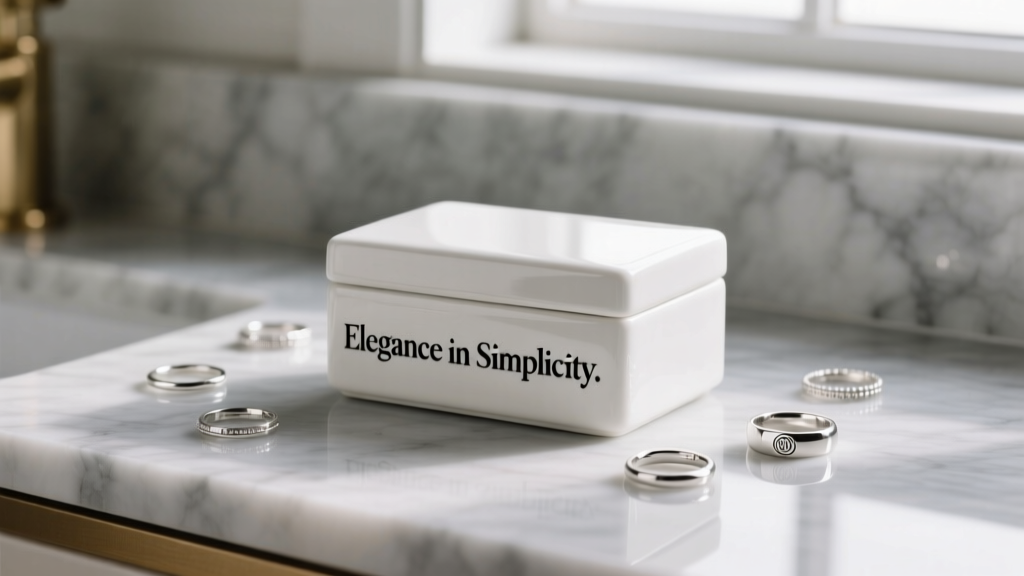
The signature minimalist aesthetic of Rae Dunn has dominated home decor for over a decade, and the coveted rae dunn jewelry box is no exception. Characterized by stark white or black backgrounds and the iconic, elongated 'skinny font,' these storage vessels—ranging from ceramic jars bearing words like 'ADORN' to wooden valets stamped with 'JEWELS'—are highly sought after by collectors and style enthusiasts alike. However, as we navigate the jewelry storage landscape in 2026, a critical question emerges for serious collectors: How do these aesthetically pleasing vessels actually perform when subjected to the rigorous demands of metallurgical conservation and gemological safety?
Storing fine jewelry is not merely about keeping pieces untangled; it is an exercise in environmental control. Tarnish, oxidation, and gemstone abrasion are the primary adversaries of any jewelry archive. In this expert deep dive, we deconstruct the material science behind the most popular Rae Dunn jewelry storage options, evaluate their structural efficacy against conservation standards, and provide a technical framework for retrofitting them to safely house high-value assets.
Material Science: Ceramic Porosity and Wood Off-Gassing
To understand the protective capabilities of any jewelry box, we must first analyze its base materials. Rae Dunn’s primary storage mediums are low-fire ceramics, medium-density fiberboard (MDF), and acrylic. Each presents unique chemical and physical challenges for sensitive metals and porous gemstones.
The Ceramic Conundrum: Moisture Trapping
Many of the brand's most popular pieces, such as the cylindrical 'ADORN' or 'SHINE' jars, are constructed from glazed ceramic. While the exterior glaze provides a beautiful, wipeable finish, the interior and the unglazed base often remain porous. According to conservation guidelines published by the Library of Congress, fluctuating humidity is a primary catalyst for the electrochemical reactions that cause silver sulfide (tarnish) to form on sterling silver. Unglazed ceramic acts as a hygroscopic sink, absorbing ambient moisture during humid days and releasing it when the environment dries, creating a microclimate of fluctuating humidity inside the jar that accelerates oxidation.
The Wood Threat: Acetic Acid Off-Gassing
The wooden valet boxes and tiered organizers often utilized for larger collections pose a different, more insidious threat. Wood, particularly the engineered MDF and composite woods used in mass-market decor, naturally off-gasses volatile organic compounds (VOCs). More critically, the breakdown of lignin in wood produces acetic acid vapor. When trapped in an enclosed wooden jewelry box, these acidic vapors will rapidly corrode silver, degrade the nacre of pearls, and cause irreversible etching on soft metals like pewter and low-karat gold.
Compartmentalization Metrics and the Mohs Hardness Scale
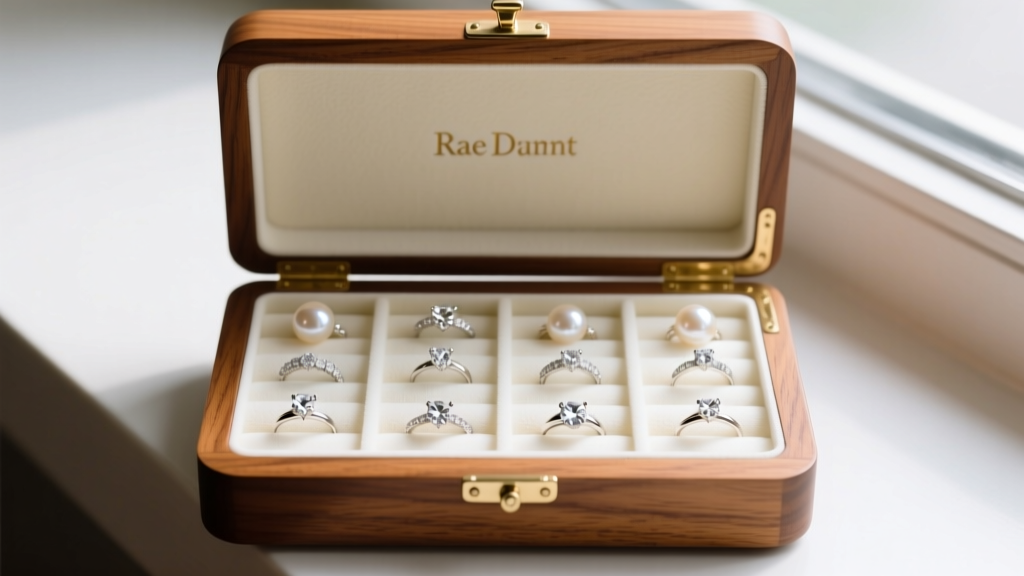
Beyond chemical reactions, physical damage is a leading cause of jewelry degradation. The Gemological Institute of America (GIA) utilizes the Mohs scale of mineral hardness to classify gemstone durability. Storing a diamond (Mohs 10) in the same open ceramic Rae Dunn jar as an opal (Mohs 5.5-6.5) or a pearl (Mohs 2.5-4.5) guarantees severe scratching and surface abrasion over time.
Most Rae Dunn ceramic jars lack internal partitioning, functioning as 'drop bowls' rather than organized archives. While this suits costume jewelry or daily-wear stainless steel pieces, it is categorically unsafe for fine jewelry. Even the brand's partitioned wooden boxes often utilize hard acrylic dividers or thin, non-archival flocked cardboard that fails to provide adequate shock absorption or individual gemstone isolation.
Data Table: Rae Dunn Storage Models vs. Conservation Standards
The following matrix evaluates the most common Rae Dunn jewelry storage formats against professional archival standards. The 'Tarnish Risk' is scored from 1 (Archival Safe) to 10 (Severe Corrosion Risk).
| Model Type | Primary Material | Tarnish Risk (1-10) | Gemstone Safety | Best Use Case |
|---|---|---|---|---|
| 'ADORN' Ceramic Jar | Glazed/Unfinished Ceramic | 7 | Poor (No dividers) | Stainless steel, titanium, or glass costume jewelry. |
| 'JEWELS' Wood Valet | MDF / Composite Wood | 8 | Fair (Acrylic dividers) | Platinum and high-karat gold (acid-resistant). |
| 'SHINE' Acrylic Tier | Injection-Molded Acrylic | 3 | Good (Individual slots) | Sterling silver and everyday fine jewelry. |
| Typography Tin Box | Printed Tinplate | 6 | Poor (Open cavity) | Short-term travel storage for non-porous gems. |
The Expert Retrofit: Upgrading for Fine Jewelry Storage
You do not need to sacrifice the aesthetic appeal of your favorite Rae Dunn pieces to ensure the safety of your collection. By applying modern conservation techniques, you can retrofit these decorative boxes into highly functional, anti-tarnish environments.
Step 1: Neutralizing the Microclimate
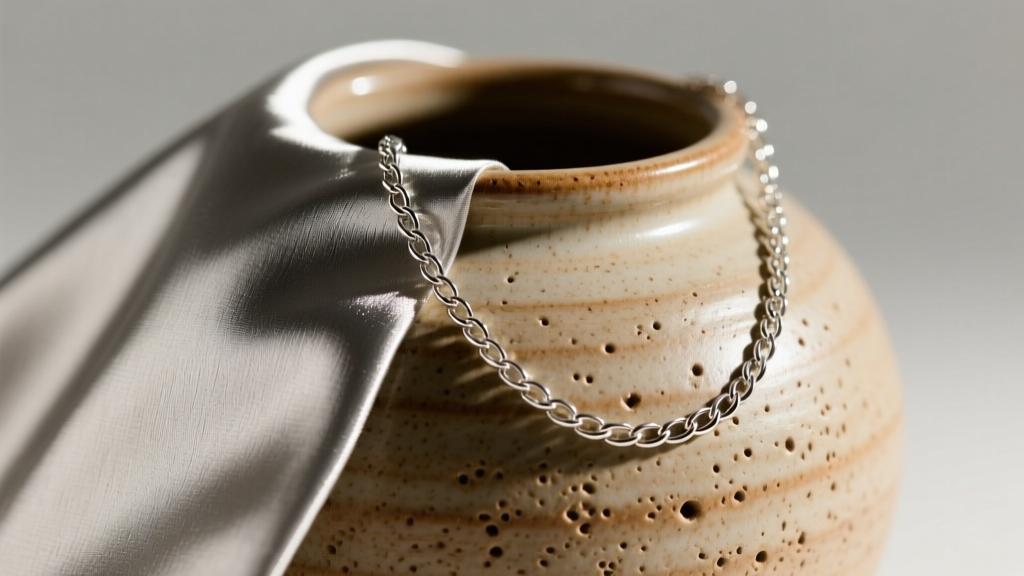
For ceramic jars and wooden valets, moisture and acid control are paramount. Line the interior base and walls of the vessel with Pacific Silvercloth. This specialized flannel is embedded with microscopic silver particles that act as a sacrificial anode, absorbing hydrogen sulfide and moisture before they can reach your jewelry. For wooden boxes, place a small, non-spill silica gel desiccant canister (specifically indicating silica that changes color when saturated) in the corner to maintain a relative humidity below 45%.
Step 2: Implementing Archival Partitioning
To address the Mohs hardness vulnerability in open ceramic jars, utilize custom-cut, acid-free polyethylene foam. Unlike standard polyurethane foam (which degrades and off-gasses over time), closed-cell polyethylene is chemically inert. Cut the foam to fit the interior diameter of the Rae Dunn jar, and carve out individual, spaced recesses for each ring or pair of earrings. This ensures that a diamond solitaire never makes physical contact with a softer turquoise cabochon.
Step 3: Active Tarnish Inhibition
For enclosed wooden or tinplate Rae Dunn boxes, introduce 3M Anti-Tarnish Strips. These copper-based polymer strips actively absorb airborne sulfides and chlorides. A single 1-inch strip is generally effective for a 1-cubic-foot enclosed space for up to six months. Ensure the strip does not make direct physical contact with your gemstones, as the copper compounds can stain porous stones like malachite or lapis lazuli.
Final Verdict: Form vs. Function in 2026
The Rae Dunn jewelry box remains a triumph of decorative styling, offering a clean, typographic charm that elevates vanity decor. However, from a strict gemological and metallurgical perspective, these vessels are fundamentally designed for display rather than long-term archival preservation. The inherent porosity of ceramics and the acidic off-gassing of composite woods make them hostile environments for unprotected sterling silver, pearls, and soft gemstones.
'A beautiful storage vessel is only as valuable as the protection it affords its contents. In jewelry conservation, aesthetics must always yield to chemical stability and physical isolation.' — Archival Jewelry Storage Guidelines, 2025.
For collectors of fashion jewelry, titanium, tungsten, or high-karat gold, these boxes serve their purpose beautifully. But for those safeguarding heirloom sterling silver, porous opals, or delicate nacre pearls, the expert retrofit is not just recommended—it is mandatory. By integrating Pacific Silvercloth, inert polyethylene foams, and active sulfide absorbers, you can successfully bridge the gap between farmhouse chic and professional-grade jewelry conservation.


