Inside the Bow Jewelry Box: Material Science & Storage Tech
Discover the material science behind the luxury bow jewelry box. We analyze anti-tarnish linings, hinge mechanics, and structural integrity.

The Allure vs. Engineering of Sculptural Storage
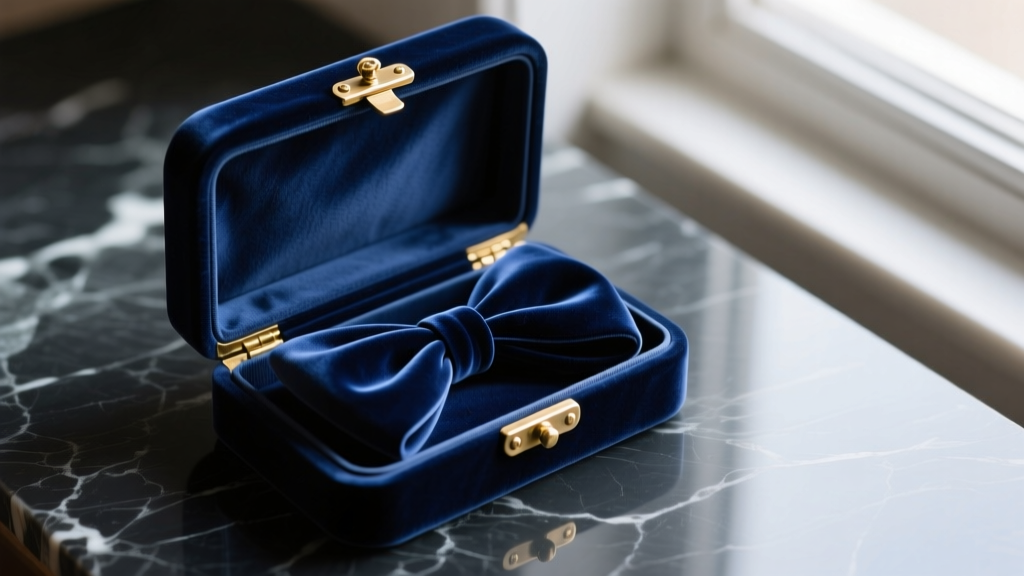
The aesthetic appeal of a bow jewelry box—whether it features a sculptural 3D ribbon motif on the lid or is shaped entirely like a tied bow—has made it a staple in luxury vanity styling and high-end gifting. However, the intersection of sculptural design and horological-grade preservation is rarely seamless. When investing in motif-driven storage, collectors must look past the exterior veneer and evaluate the material science, internal micro-climate, and mechanical hardware that dictate whether the box will preserve or degrade fine gemstones and precious metals over time.
Many decorative boxes prioritize visual impact over chemical stability, utilizing substrates and adhesives that actively harm sensitive materials like natural pearls and untreated sterling silver. This expert deep dive dissects the engineering specifications that separate a true preservation vault from a mere decorative dust-catcher.
Core Substrates: MDF vs. High-Density Polyurethane
The structural skeleton of any jewelry box dictates its longevity and chemical neutrality. Medium-Density Fiberboard (MDF) is the industry standard for mid-tier decorative boxes due to its low cost and ease of routing into complex shapes, such as the curved lobes of a bow motif. However, MDF is bound using urea-formaldehyde resins. According to conservation guidelines from the Smithsonian Museum Conservation Institute, formaldehyde and acidic off-gassing from composite woods can cause irreversible etching on pearl nacre and accelerate the oxidation of sterling silver.
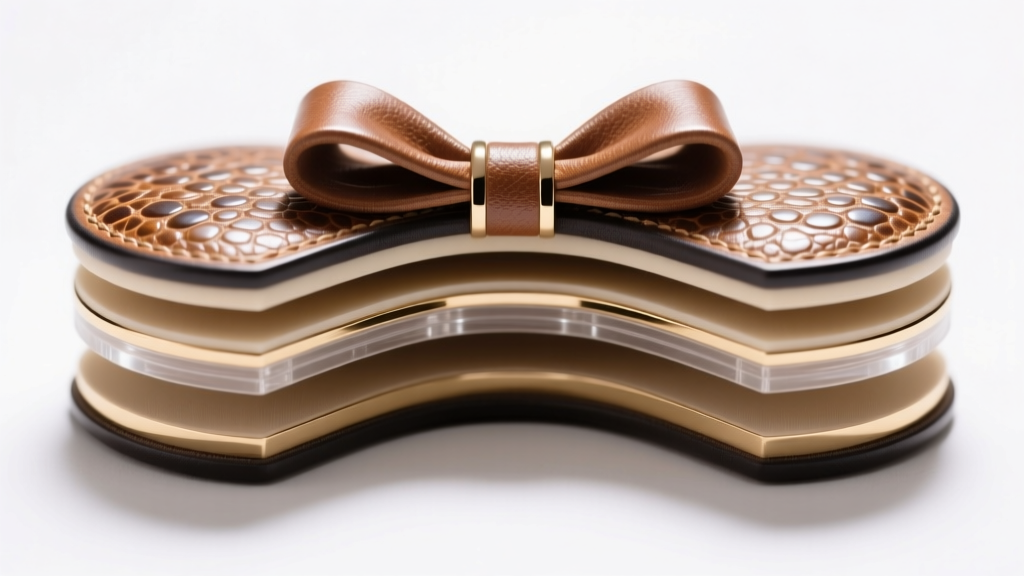
A true luxury bow jewelry box abandons MDF in favor of kiln-dried poplar or injection-molded High-Density Polyurethane (HDPU). HDPU offers a zero-off-gassing profile and provides a high-durometer shell that resists warping under the uneven weight distribution of a heavy, sculptural bow ornament. When evaluating a box, check the weight and the sound it makes when tapped; HDPU and solid wood yield a dense, muted acoustic profile, whereas MDF sounds hollow and papery.
The Micro-Climate: Anti-Tarnish Lining Specifications
Tarnish is a chemical reaction, primarily between silver and hydrogen sulfide in the ambient air, forming silver sulfide. The lining of your storage unit is the first line of defense in this microscopic battle. Standard cotton flannel or basic synthetic velvet is insufficient for long-term storage, as these materials trap ambient moisture and offer no chemical neutralization.
Expert-grade boxes utilize specialized anti-tarnish textiles. The two industry leaders are treated flannel (impregnated with zinc carbonate, which sacrifices itself to neutralize sulfur compounds) and Pacific Silvercloth (a specialized fabric embedded with microscopic silver particles that tarnish in place of your jewelry). Furthermore, the padding density—measured in GSM (grams per square meter)—is critical. A minimum of 200 GSM is required to prevent micro-abrasions on 18k gold and high-polish platinum when the box is moved or closed.
| Lining Material | Active Neutralizing Agent | Effective Lifespan | Abrasion Risk (GSM) |
|---|---|---|---|
| Standard Synthetic Velvet | None | N/A | High (80-120 GSM) |
| Treated Flannel | Zinc Carbonate | 2-3 Years | Medium (150 GSM) |
| Pacific Silvercloth | Microscopic Silver Particles | 30+ Years | Low (300+ GSM) |
| Anti-Tarnish Microfiber | Activated Carbon Infusion | 5-7 Years | Low (220 GSM) |
Compartmentalization and Mohs Hardness Separation
A common failure mode in aesthetically driven storage is the prioritization of large, open valet spaces over gemologically sound compartmentalization. The Gemological Institute of America (GIA) emphasizes that storing gems of varying hardness together leads to catastrophic scratching. The Mohs scale of mineral hardness dictates that a diamond (Mohs 10) will effortlessly scratch an emerald (Mohs 7.5-8) or an opal (Mohs 5.5-6.5) if they shift into contact during transit.
High-end bow jewelry boxes feature modular, flocked dividers with individual, gusseted pouches. The interior dimensions of these pouches should be engineered to restrict lateral movement. For necklaces, specialized tension posts with silicone-gripped collars are required to prevent chain tangling, a mechanical stressor that can weaken delicate solder points on 14k and 18k gold chains.
Hardware Mechanics: Hinge Tension and Clasp Failure
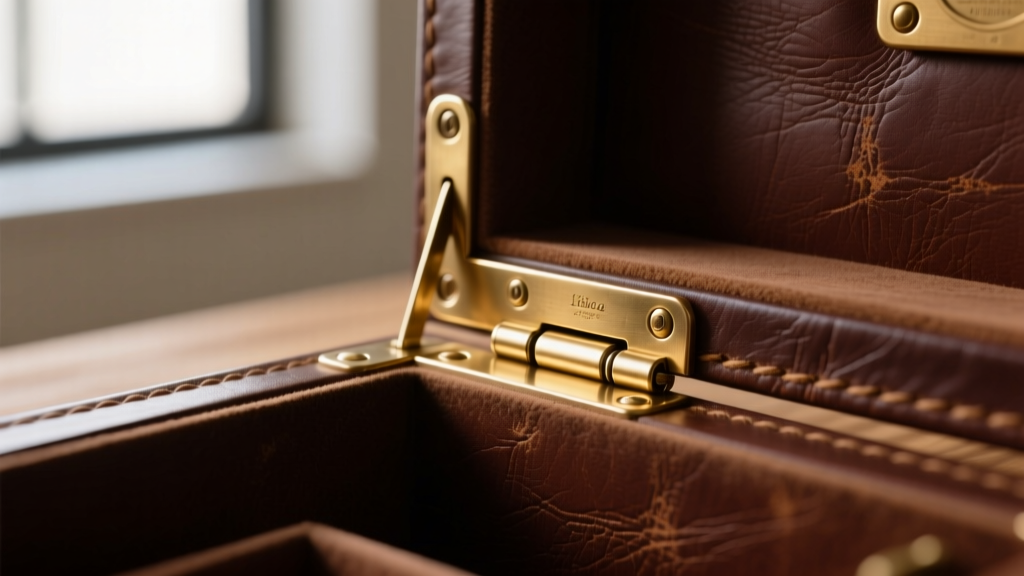
The most frequent point of mechanical failure in sculptural storage is the lid hinge. A 3D bow ornament crafted from solid brass, resin, or heavy leather adds significant top-heavy mass to the lid. Standard 90-degree stop hinges—often made of stamped, nickel-plated steel—will rapidly fail under this dynamic load, eventually stripping the screw mounts from the substrate.
Calculating Clasp Tension for Heavy Lids
Expert-grade boxes utilize solid brass quadrant stays or continuous piano hinges to distribute the torque evenly across the rear lip of the box. A lid weighing 3 pounds with a depth of 10 inches generates substantial rotational force when opened to a 105-degree resting angle. The quadrant stay must possess a minimum load rating of 45 pounds to prevent metal fatigue and lid collapse. Additionally, the front clasp must feature a micro-adjustable tension screw, allowing the user to compensate for the natural expansion and contraction of the exterior leather or wood veneer as humidity fluctuates throughout the seasons.
Verdict: Selecting a Bow Jewelry Box for Heirloom Preservation
The bow jewelry box remains a triumph of vanity design, but its viability as a preservation tool relies entirely on its hidden engineering. When evaluating your next purchase, demand transparency regarding the core substrate, insist on Pacific Silvercloth or activated carbon linings, and inspect the hinge hardware for solid brass construction. By prioritizing material science over mere surface aesthetics, you ensure that your most prized heirlooms remain as immaculate as the day they were acquired.
Expert Archival Tip: Never store natural pearls or untreated turquoise in an airtight compartment within your jewelry box. These organic and porous gems require minimal ambient humidity to prevent desiccation and micro-cracking. Store them in a breathable, anti-tarnish cotton pouch in the main, unsealed valet area.


