Expert Care Guide: Restoring a Vintage Floral Jewelry Box
Learn expert techniques to clean, restore, and maintain your floral jewelry box interior and exterior while protecting precious gems from tarnish.

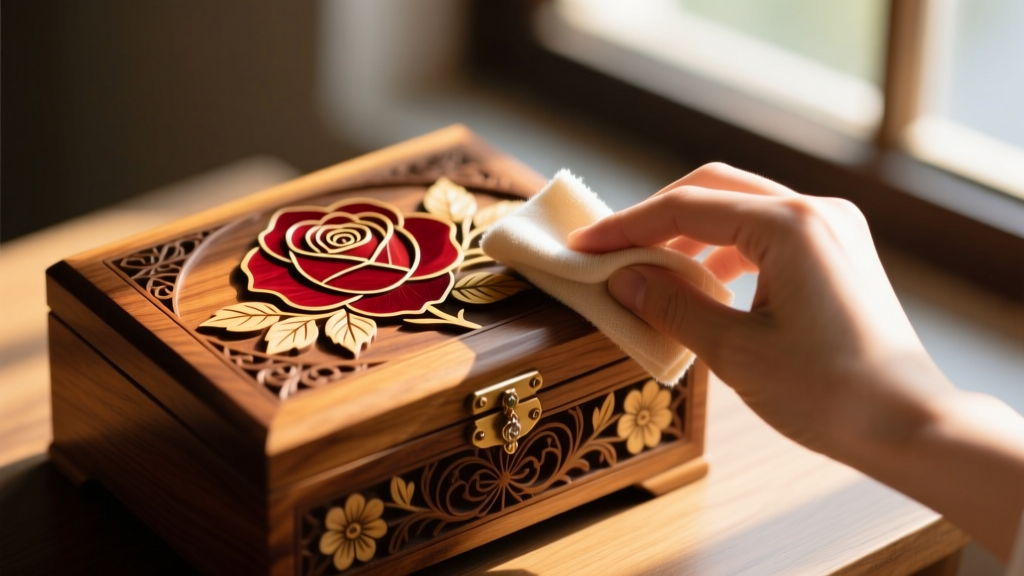
Floral jewelry boxes are more than just storage; they are heirloom art pieces. Whether your box features intricate Italian Sorrentine wood marquetry, hand-painted porcelain botanicals, or embedded resin flowers, maintaining its structural integrity and aesthetic beauty requires specialized care. Over time, dust embeds itself into carved floral crevices, hinges oxidize, and interior velvet linings degrade, compromising both the box and the precious metals stored inside. This comprehensive guide details professional restoration techniques to clean, repair, and optimize your floral jewelry box for long-term, anti-tarnish storage.
Identifying Your Floral Box Material
Before applying any cleaning agents, you must accurately identify the exterior material. The Smithsonian Museum Conservation Institute warns that using water-based cleaners on untreated vintage woods can cause irreversible grain swelling and floral inlay lifting.
- Sorrentine Marquetry (Wood Inlay): Features floral patterns created by inlaying contrasting wood veneers or mother-of-pearl. Highly sensitive to ammonia and silicone.
- Hand-Painted Resin or Enamel: Common in mid-century floral boxes. The painted pigments are often sealed with a fragile topcoat that dissolves upon contact with isopropyl alcohol.
- Papier-Mâché with Floral Decoupage: Extremely water-sensitive. Requires strictly dry or micro-damp cleaning methods to prevent the paper layers from delaminating.
Exterior Cleaning: Wood, Resin, and Painted Motifs
For wooden floral jewelry boxes, abandon commercial aerosol polishes. Silicone-based sprays create a cloudy, impermeable barrier that traps moisture and ruins the contrast of floral marquetry. Instead, use a conservation-grade approach.
The Naphtha and Wax Method for Wood
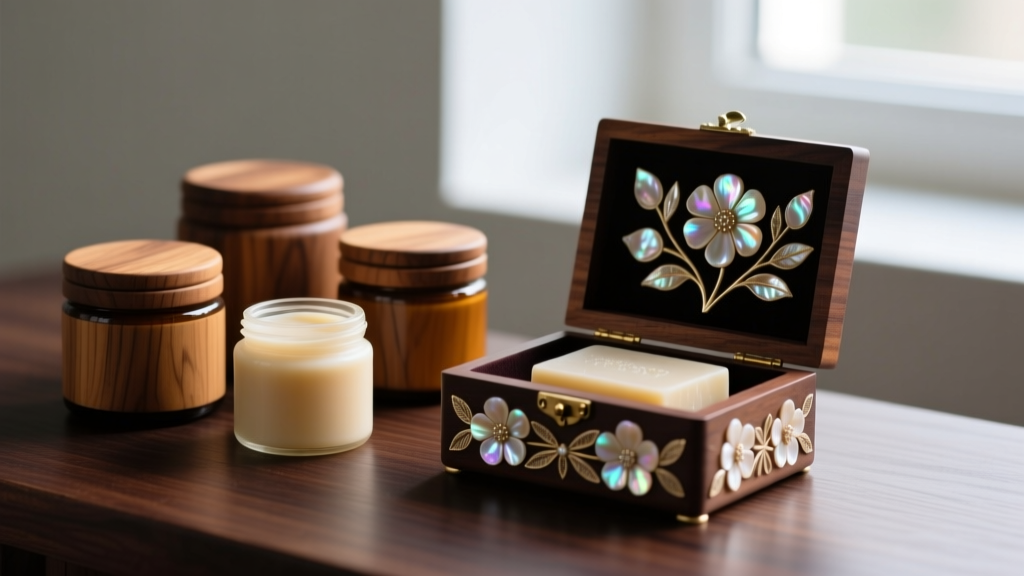
To lift decades of grime from carved floral petals without raising the wood grain, apply a small amount of VM&P Naphtha to a lint-free cotton cloth. Naphtha evaporates rapidly and cuts through skin oils and old wax buildup. Gently work the cloth into the floral crevices using a soft-bristled horsehair detailing brush. Once the surface is completely dry, seal the wood with a microcrystalline wax, such as Renaissance Wax. Apply a microscopically thin layer, let it haze for ten minutes, and buff with a clean microfiber cloth. This provides a hard, non-yellowing barrier that enhances the floral wood grains.
Reviving Painted and Resin Florals
If your box features painted floral motifs on resin or enamel, avoid all solvents. Create a cleaning solution using distilled water and a single drop of pH-neutral Castile soap. Dampen a cotton swab—never soak it—and gently roll it over the painted petals. The rolling motion lifts dust without applying abrasive friction that could scrub away fragile vintage pigments. Dry immediately with a separate, clean swab.
Interior Restoration: Velvet, Suede, and Hardware
The interior lining of a floral jewelry box is crucial for preventing micro-scratches on your gems, but it is also a magnet for dust and cosmetic residue.
Deep Cleaning Velvet and Suede
Never use liquid cleaners on velvet or suede linings, as water will leave permanent tide-line stains and weaken the adhesive backing. Instead, utilize a vulcanized rubber sponge (often called a soot sponge). Knead the sponge gently and dab it across the velvet lining. The dry rubber creates a mild static charge and physical tackiness that pulls embedded dust, oxidized metal particles, and powder makeup out of the fabric fibers. For stubborn stains, sprinkle a light layer of cornstarch over the spot, let it sit for 12 hours to absorb the oils, and gently brush it away with a soft makeup brush.
Restoring Tarnished Hinges and Clasps
Brass and steel hinges on vintage floral boxes often develop heavy patina or rust. To polish them without damaging the surrounding floral wood or painted finishes, apply painter's tape around the hinge perimeter. Dip a cotton swab into a specialized metal polish like Flitz or Simichrome. Work the polish into the hinge joints, then wipe away the residue with a swab dampened with distilled water. Remove the tape to reveal a bright, clean hinge that contrasts beautifully with the antique exterior.
Upgrading for Anti-Tarnish Protection
A beautifully restored floral jewelry box is only as good as its ability to protect the contents. According to the Gemological Institute of America (GIA), silver and copper alloys tarnish when exposed to hydrogen sulfide and high humidity. You can retrofit your vintage floral box with modern anti-tarnish technology without altering its historical structure.
| Anti-Tarnish Method | Material Composition | Effective Lifespan | Best Use Case |
|---|---|---|---|
| Pacific Silvercloth Lining | Cotton flannel embedded with microscopic silver particles | 3 to 5 years | Loose rings, earrings, and silver chains laid flat in the main compartment |
| 3M Anti-Tarnish Strips | Copper-infused polymer that absorbs sulfides | 6 to 12 months | Tucked discreetly under the lid or inside small ring-roll slots |
| Activated Charcoal Packs | Bamboo charcoal in breathable non-woven fabric | 12 to 24 months (rechargeable in sunlight) | Moisture control in deep, enclosed lower drawers |
| Chalk / Silica Gel | Calcium sulfate or silicon dioxide desiccants | 3 to 6 months | Humidity reduction to prevent gold-plating degradation and gemstone clouding |
Expert Tip: If you choose to line the main compartment with Pacific Silvercloth, use double-sided fabric tape designed for archival mounting. Standard craft adhesives will bleed through the cloth and stain the wood base of your floral box over time.
Environmental Control and UV Protection
Where you place your floral jewelry box dictates how long the restoration will last. Ultraviolet (UV) light is the primary enemy of vintage floral pigments and wood dyes. Prolonged exposure to direct sunlight will bleach hand-painted rose motifs and cause walnut or mahogany veneers to gray and crack.
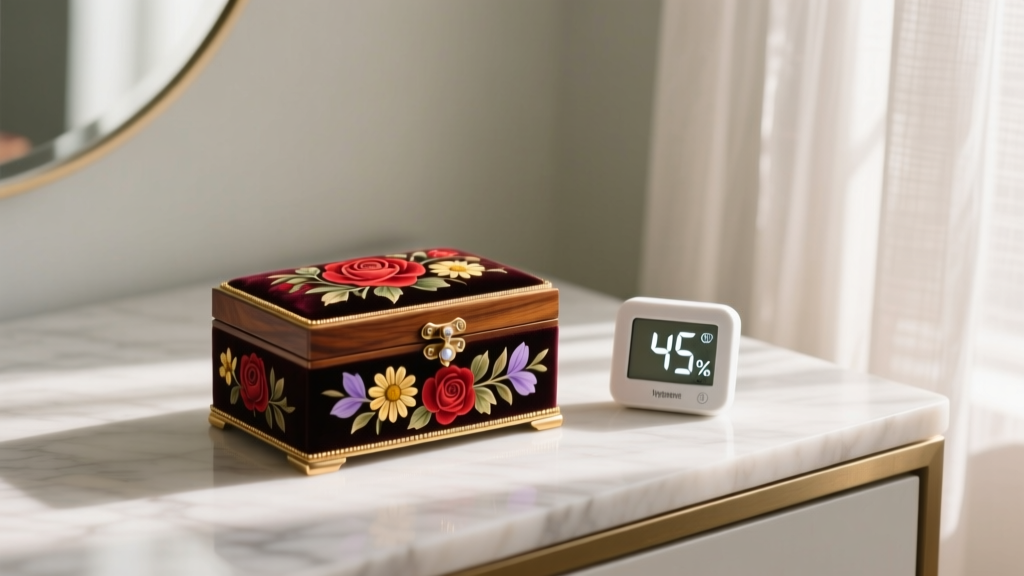
Store your box in a room where ambient light is kept below 50 lux if possible, or simply keep it inside a drawer or shaded vanity area. Furthermore, monitor the room's relative humidity. The ideal environment for both wood preservation and jewelry storage is between 40% and 50% relative humidity. Fluctuations above 60% will cause wood joints to swell and accelerate the oxidation of silver jewelry, while levels below 30% can cause papier-mâché and wood veneers to brittle and flake. By combining meticulous, material-specific cleaning with strategic environmental placement, your floral jewelry box will remain a functional, breathtaking sanctuary for your collection for generations to come.


