How to Restore and Organize a Vintage Snow White Jewelry Box
Learn how to restore, clean, and perfectly organize your vintage or collectible Snow White jewelry box with our expert step-by-step guide.

The Allure of the Snow White Jewelry Box
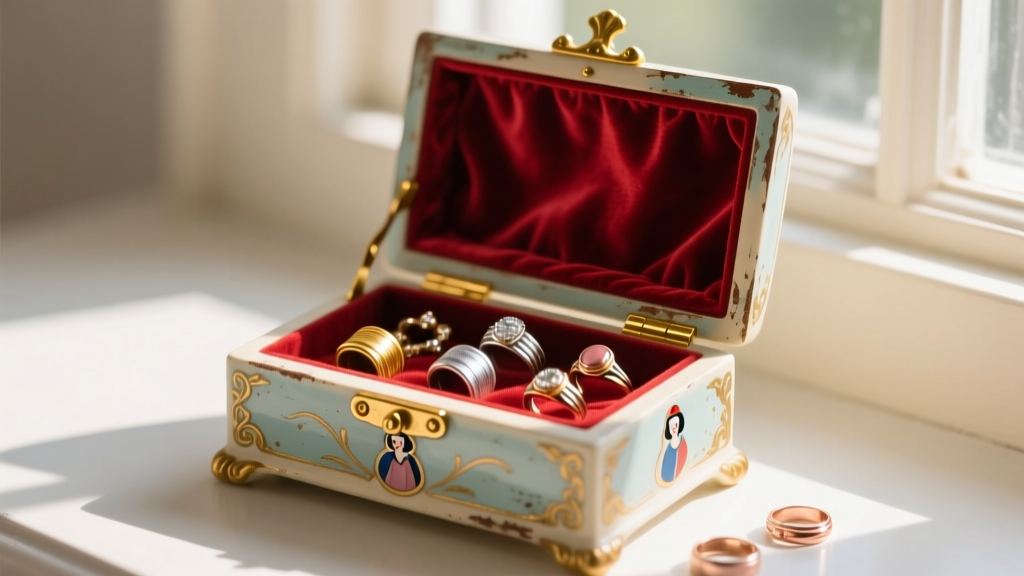
For collectors and jewelry enthusiasts alike, a vintage Snow White jewelry box represents a perfect intersection of fairy-tale nostalgia and functional storage. Whether you own a 1990s Enesco cold-cast porcelain musical box, a limited-edition Disney Store release, or a hand-painted resin keepsake, these intricate pieces require specialized care. Over time, the wind-up mechanisms stall, the velvet interiors crush and tarnish, and the painted exteriors accumulate dust in their crevices. This comprehensive, step-by-step guide will walk you through the meticulous process of restoring and organizing your Snow White jewelry box to museum-quality standards.
Step 1: Assessing and Restoring the Exterior Finish
The exterior of a collectible Snow White box is typically crafted from cold-cast porcelain, painted resin, or enameled wood. Each material demands a specific cleaning protocol to avoid stripping the delicate hand-painted details or gold-leaf accents.
Cleaning Resin and Porcelain
Never use harsh chemical solvents, ammonia, or alcohol-based cleaners on painted resin or porcelain. These will dissolve the protective topcoat and cause the acrylic paints to bleed. Instead, use a mild, pH-neutral dish soap diluted in distilled water. Dip a soft camel-hair brush into the solution and gently agitate the dust out of the intricate crevices of the dwarfs, forest animals, and floral motifs. Dry immediately with a microfiber cloth to prevent water spots.
Reviving the Luster
If your box features a clear acrylic or resin dome lid that has accumulated micro-scratches, apply a plastic polish like Novus 1 or Novus 2 using a clean, lint-free cloth. For painted metal hinges or gold-leaf trim, a microscopic application of Renaissance Wax will seal the metal against oxidation without leaving a greasy residue. According to the American Institute for Conservation, using micro-crystalline wax is the gold standard for preserving mixed-media antique surfaces.
Step 2: Fixing the Wind-Up Musical Mechanism
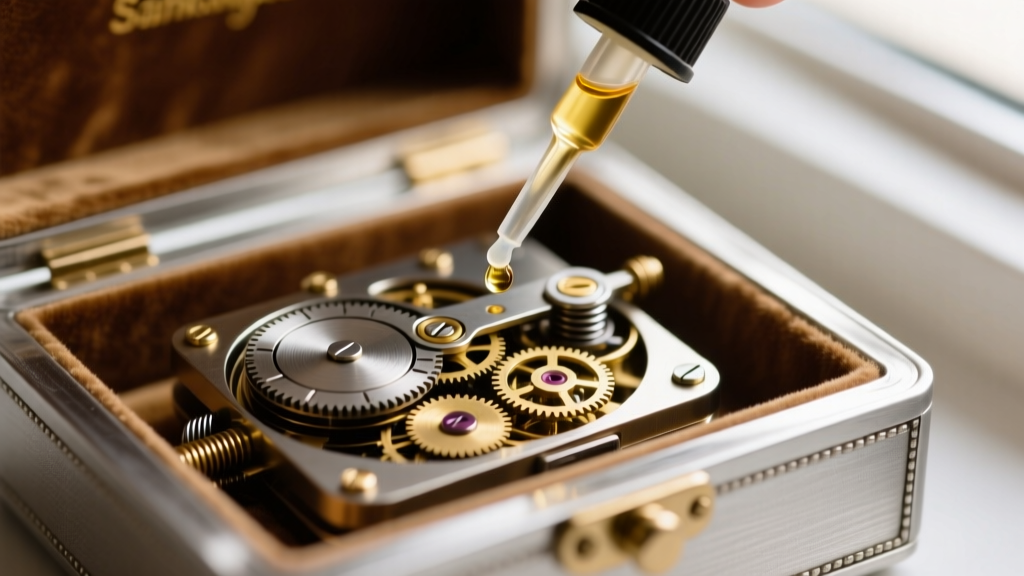
The heartbeat of any vintage Disney or Enesco jewelry box is its internal music box movement. Most Snow White boxes utilize an 18-note Sankyo wind-up mechanism playing 'Someday My Prince Will Come.' When these mechanisms stall, squeak, or play too slowly, the instinct is to reach for WD-40. Never use WD-40 or standard household oils. These products attract dust, gum up the cylinder pins, and will permanently ruin the movement.
Troubleshooting the Governor and Gears
- Identify the Stall Point: If the music slows down and stops, the issue is usually friction in the gear train or the governor fan (the spinning brass piece that regulates tempo).
- Apply Synthetic Clock Oil: Using a micro-oiler pin, apply a fraction of a drop of synthetic horological oil (such as Moebius 9010) to the pivot points of the governor fan and the main drive gear.
- Clear the Cylinder: If the music sounds muffled or skips notes, dust is likely lodged between the brass pins on the cylinder. Use a soft, dry makeup brush to gently sweep the cylinder while slowly turning the winding key.
Expert Tip: Never over-wind the mechanism. Stop turning the key the moment you feel firm resistance. Forcing the mainspring will snap the internal ratchet, requiring a complete movement replacement.
Step 3: Reviving the Crushed Velvet Interior
The interior lining of these boxes is typically made of rayon velvet or cotton flocking. Over decades of use, the fibers become crushed, and silver jewelry can leave black tarnish stains on the fabric. To lift crushed velvet fibers, hold a garment steamer at least six inches away from the fabric to introduce gentle moisture, then lightly brush the fibers upward with a clean, soft-bristled suede brush or a dry cosmetic sponge.
For tarnish transfer stains on the velvet, do not use liquid stain removers, as they will leave permanent water rings on the rayon. Instead, use a specialized jewelry polishing cloth to gently buff the stained fabric, or carefully apply a kneaded artist's eraser to lift the dark sulfur deposits from the fibers.
Step 4: Strategic Organization for Themed Compartments
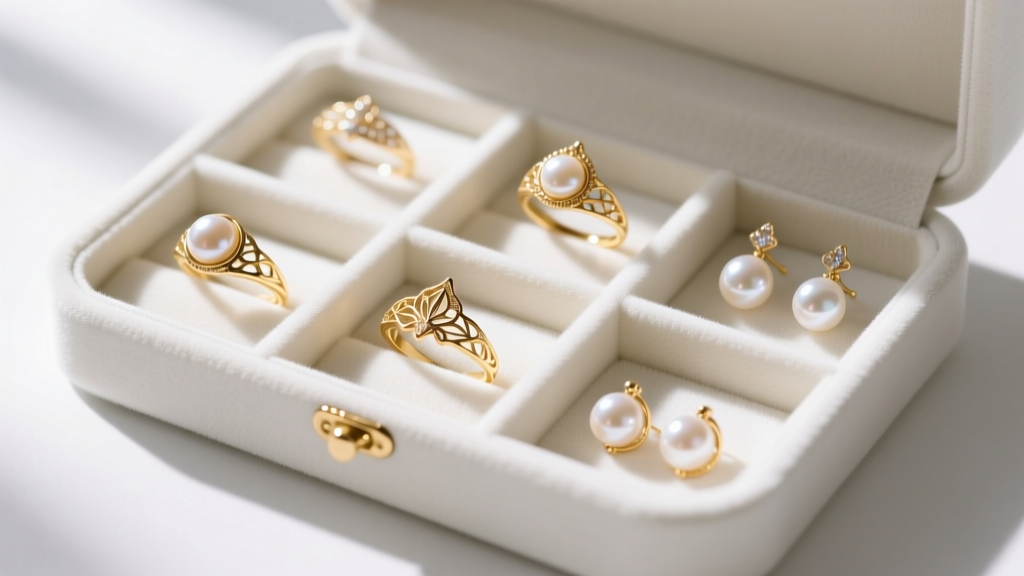
Snow White jewelry boxes are notorious for their idiosyncratic, asymmetrical compartment layouts. To maximize storage while protecting your pieces, you must map your jewelry to the correct zones. The Gemological Institute of America (GIA) emphasizes that proper storage prevents metal-on-metal scratching and gemstone abrasion. Below is a strategic framework for organizing your collection within the box.
| Compartment Type | Ideal Jewelry Types | Material & Gauge Considerations |
|---|---|---|
| Ring Rolls | Wedding bands, 16g-18g rings | Keep 14k-18k gold separated to prevent micro-scratches. Avoid placing diamond rings next to softer gems like opals or pearls. |
| Shallow Lid Trays | Stud earrings, small pendants | Secure butterfly backs tightly. Store small chains in individual zip-locks within the tray to prevent tangling. |
| Deep Bottom Wells | Chunky bangles, brooches | Wrap silver bangles in anti-tarnish cloth before placing them in the deep well to prevent sulfur exposure. |
| Side Slits / Straps | Delicate chain bracelets | Fasten the clasp through the slit to keep the chain taut and knot-free. |
Step 5: Environmental Controls and Long-Term Preservation
A restored Snow White jewelry box is only as good as the environment it inhabits. Because these boxes are often kept on vanities or dressers, they are exposed to fluctuating humidity, direct sunlight, and airborne pollutants.
Combating Tarnish and Humidity
- Anti-Tarnish Strips: Place 3M or Pacific Silvercloth anti-tarnish strips in the deep wells and lid trays. These strips absorb airborne sulfur compounds and need to be replaced every 6 to 12 months.
- Silica Gel Packets: Tuck a small, fresh silica gel desiccant packet into the corner of the main compartment to control ambient moisture, which accelerates the oxidation of sterling silver and copper alloys.
- UV Protection: Keep the box out of direct sunlight. UV rays will fade the hand-painted resin details and cause the velvet interior to become brittle and discolored over time.
Final Thoughts on Collector Maintenance
Restoring a vintage Snow White jewelry box is a labor of love that preserves both a piece of Disney or Enesco history and your valuable jewelry collection. By using the correct conservation-grade materials, properly lubricating the Sankyo musical movement, and strategically mapping your jewelry to the appropriate compartments, you ensure that this fairy-tale keepsake will continue to function beautifully for generations. Treat the box not just as a container, but as a curated display piece that honors the craftsmanship of its original makers and the sentimental value of the treasures it holds inside.


