How to Restore and Organize a Vintage Gothic Jewelry Box
Learn how to restore vintage wood and metal gothic jewelry boxes, upgrade the interior lining, and organize heavy chains and ornate pieces safely.

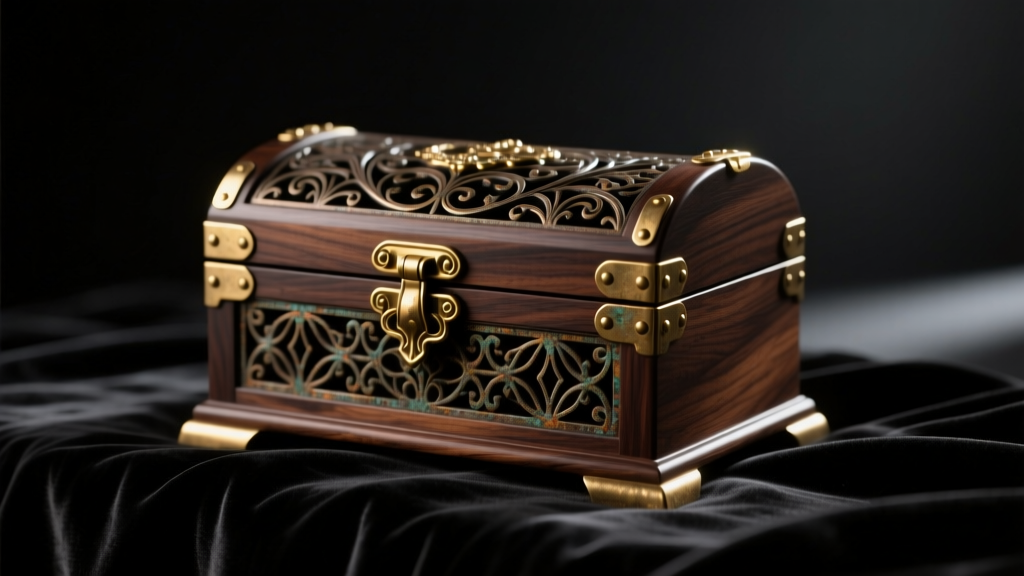
Gothic jewelry is inherently dramatic, characterized by heavy sterling silver chains, intricate pewter filigree, and sharp, ornate spikes. However, storing these substantial pieces requires more than a standard velvet tray. A vintage gothic jewelry box—often crafted from dark, ebonized woods and featuring heavy cast-metal hardware—provides the perfect atmospheric and structural vessel. Yet, antique and vintage boxes frequently suffer from degraded interiors, tarnished hardware, and structural wear. As we move through 2026, collectors and enthusiasts increasingly favor restoring these historical pieces rather than buying mass-produced modern alternatives. This comprehensive guide will walk you through the meticulous process of restoring the exterior, upgrading the interior for modern anti-tarnish protection, and organizing heavy gothic accessories to prevent structural damage and oxidation.
Assessing the Anatomy of Your Gothic Box
Before applying any solvents or waxes, you must accurately identify the materials of your gothic jewelry box. Vintage gothic boxes typically feature a dark wood exterior—most commonly ebonized mahogany, stained walnut, or dark oak. The hardware is usually cast brass, wrought iron, or pot metal (zinc alloys).
Inspect the wood finish. Is it a traditional French polish shellac, which is highly susceptible to alcohol and water damage, or a mid-century polyurethane? According to the National Park Service guidelines on historic woodwork, identifying the finish dictates your cleaning approach. Shellac requires gentle dusting and specialized paste waxes, while polyurethane can handle mild soap solutions. Next, examine the metal hinges and clasps. Pot metal is notoriously brittle and can snap if forced, whereas cast brass and iron can withstand gentle polishing. Finally, assess the interior lining. Older boxes often feature rayon or cotton-blend velvet that has become acidic over time, actively accelerating the tarnishing of the silver and pewter stored inside.
Step 1: Exterior Cleaning and Hardware Restoration
Restoring the exterior of a gothic jewelry box requires a delicate balance between cleaning grime and preserving the antique patina that gives the piece its moody character.
Cleaning the Wood
Avoid commercial furniture sprays, which contain silicones that can cloud historic finishes. Instead, use a slightly damp microfiber cloth to lift surface dust. For stubborn grime in carved gothic motifs and crevices, use a soft-bristled detailing brush. Once clean, apply a high-quality micro-crystalline wax, such as Renaissance Wax. Unlike carnauba or beeswax, Renaissance Wax is non-acidic, dries hard, and provides a moisture barrier that protects dark woods from humidity fluctuations. Apply a thin layer with a lint-free cloth, let it cure for 15 minutes, and buff gently.
Restoring the Metal Hardware
Gothic boxes often feature ornate brass or iron hinges and lock plates. Do not use harsh, abrasive polishes like Brasso, which will strip the antique patina and leave micro-scratches. The Library of Congress recommends using mild, non-abrasive cleaners for historic metals. For brass hardware, apply a small amount of Wenol metal polish or a simple paste of baking soda and lemon juice using a cotton swab, carefully avoiding the surrounding wood. For cast iron elements, a light rub with 0000-grade super fine steel wool and a drop of mineral oil will remove surface rust without damaging the underlying metal. Always wipe away residue completely to prevent oil from seeping into the wood grain.
Step 2: Stripping and Re-lining the Interior
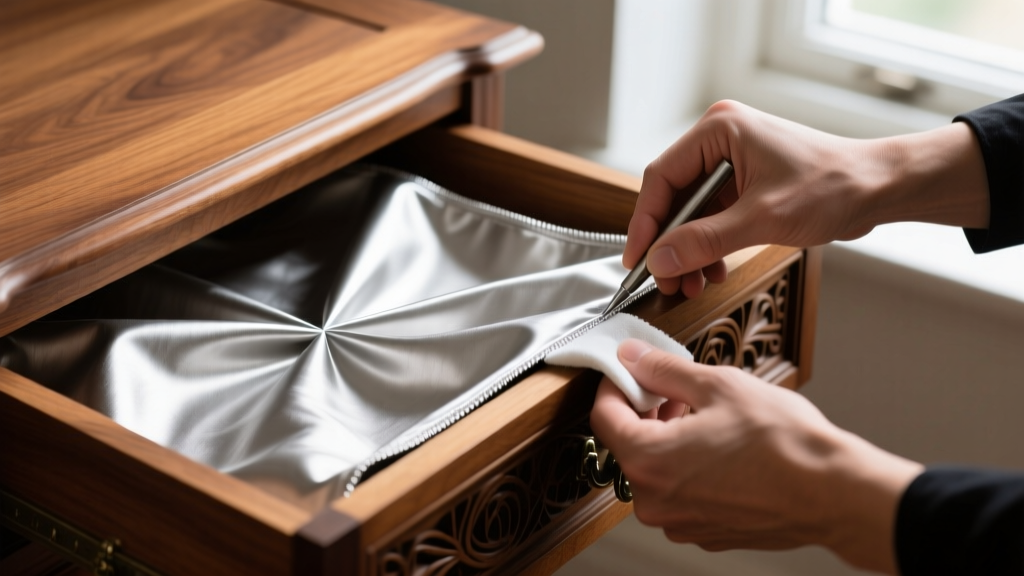
The most critical step for protecting your jewelry is replacing the degraded interior lining. Old velvet and the adhesives used to bind it (often animal hide glue or acidic PVA) off-gas sulfur compounds and trap moisture, creating a micro-climate that rapidly tarnishes silver and degrades pewter.
Removing the Old Lining
Carefully pry up the old fabric using a dull putty knife. If the cardboard or paper backing is stubbornly glued to the wood, apply a citrus-based adhesive remover or use a hairdryer on a low heat setting to soften the hide glue. Scrape the residue away gently, then wipe the bare wood interior with a slightly damp cloth and let it dry completely for 24 hours.
Choosing the Right Anti-Tarnish Lining
In 2026, standard felt or cheap velvet is entirely unacceptable for storing high-end gothic jewelry. You must use materials engineered to neutralize hydrogen sulfide and other corrosive gases. Below is a comparison of the best lining materials available for your restoration project.
| Lining Material | Tarnish Resistance | Best For | Estimated Cost (Per Yard) |
|---|---|---|---|
| Pacific Silvercloth | Exceptional (Traps sulfides) | Heavy sterling silver chains, solid pewter | $35 - $45 |
| Hagerty Anti-Tarnish Cloth | High (Treated with inhibitors) | Delicate filigree, mixed metals | $20 - $30 |
| 100% Cotton Flannel (Washed) | Moderate (Acid-free base) | Spiked leather collars, non-metal items | $8 - $12 |
| Standard Synthetic Velvet | Poor (Traps moisture) | Not recommended for gothic metals | $10 - $15 |
For a premium restoration, line the base of the box with Pacific Silvercloth, using a spray adhesive specifically designed for fabrics (ensure it is acid-free and fully dry before placing jewelry inside). For the lids and dividers, a high-quality, acid-free rayon velvet provides the necessary structural padding and luxurious aesthetic without the corrosive off-gassing of vintage fabrics.

Step 3: Organizing Heavy and Ornate Gothic Pieces
Gothic jewelry presents unique organizational challenges. A standard 5mm stainless steel curb chain or a heavy sterling silver spike choker can easily crush delicate items or warp the interior dividers of a restored box if not stored correctly.
Managing Heavy Chains and Collars
Never pile heavy chains on top of one another. The friction will cause micro-scratches on polished silver and can bend intricate links. Instead, utilize padded velvet jewelry rolls. Lay the chain flat, fold the velvet over it, and roll it tightly before placing it in a dedicated compartment. For rigid spike collars or chokers, they must be stored flat or hung. If your gothic jewelry box is deep enough, create a false bottom with a specialized hanging rod, or store them in their original rigid display boxes within the main chest.
Protecting Delicate Filigree and Gemstones
Gothic filigree—such as pieces featuring bat wings, spiderwebs, or intricate coffin motifs—is notoriously fragile. The thin silver or pewter wires can easily snag on velvet loops. Wrap these pieces individually in acid-free, unbuffered tissue paper before placing them in shallow, partitioned trays. Furthermore, many gothic pieces feature dark gemstones like onyx, obsidian, or garnet. While these stones are relatively hard, the prongs holding them in vintage settings may be worn. Store gemstone pieces in individual soft pouches to prevent the stones from scratching adjacent metal surfaces.
Ongoing Maintenance and Climate Control
Restoring a gothic jewelry box is only the first step; maintaining the internal environment is crucial for long-term preservation. Keep your restored box out of direct sunlight, which can fade dark wood stains and degrade interior fabrics. Maintain a stable room humidity level between 40% and 50%. To combat excess moisture, place small, breathable silica gel desiccant packets in the corners of the box, replacing them every six months.
Pro Tip: Never store your gothic jewelry box in an attic, basement, or unclimate-controlled closet. Extreme temperature fluctuations cause wood to expand and contract, which can crack ebonized finishes and warp the structural integrity of antique joinery.
By meticulously restoring the wood and hardware, upgrading to modern anti-tarnish linings, and implementing strategic organization methods, your vintage gothic jewelry box will serve as both a stunning display piece and a highly functional, protective vault for your darkest and most treasured accessories.


