Retro Jewelry Box Materials: Wood, Bakelite & Velvet Compared
Compare retro jewelry box materials like mid-century walnut, Bakelite, and velvet. Learn how vintage storage impacts tarnish and preservation.

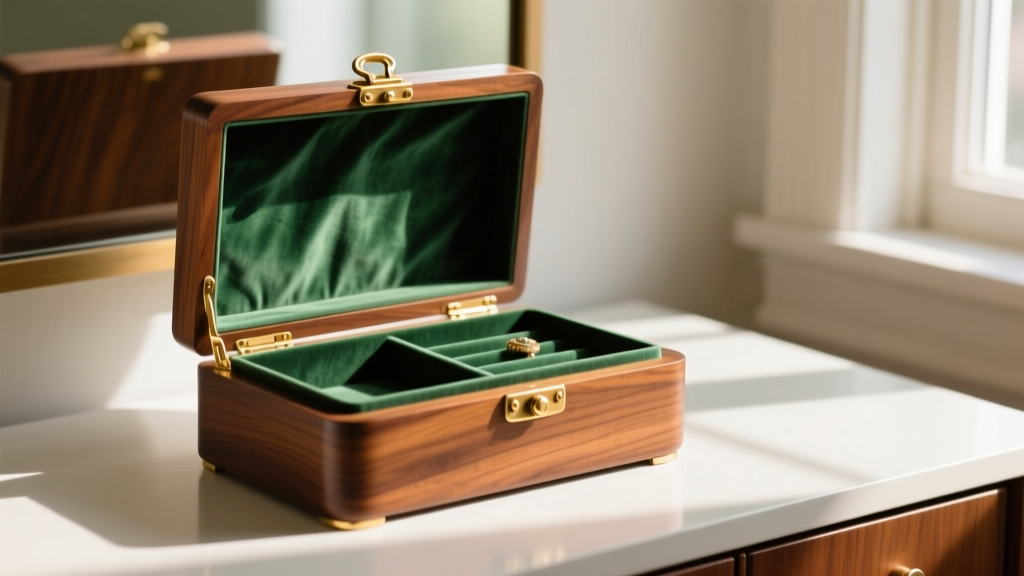
The Allure and Hidden Chemistry of Vintage Storage
The resurgence of mid-century modern and Art Deco aesthetics has made the retro jewelry box a highly sought-after collectible. Enthusiasts are drawn to the rich patina of aged walnut, the geometric click of Bakelite clasps, and the romantic appeal of faded velvet interiors. However, from a conservation perspective, vintage storage presents a minefield of chemical hazards. Materials that were considered cutting-edge or standard in the 1930s through 1970s often emit volatile organic compounds (VOCs), acidic vapors, and sulfur-bearing particles that actively degrade precious metals and delicate gemstones.
Understanding the material properties of retro jewelry boxes is critical for any serious collector. A beautiful exterior can hide an interior environment that accelerates silver sulfide formation (tarnish) or causes irreversible damage to organic gems like pearls and tortoiseshell. In this comprehensive guide, we break down the chemistry of vintage woods, early plastics, and traditional linings, providing actionable retrofitting protocols to make your retro storage safe for modern preservation.
The Chemistry of Mid-Century Woods: Tannins and Acidity
Wood was the foundational material for high-end retro jewelry boxes, with walnut, mahogany, and teak dominating the 1950s and 60s market. While aesthetically stunning, raw or improperly sealed wood is inherently acidic and hygroscopic (moisture-absorbing).
Oak vs. Walnut: The pH Scale of Timber
Not all woods are created equal when it comes to jewelry preservation. Oak (Quercus), frequently used in earlier 1920s and 30s Arts and Crafts boxes, is notoriously acidic, with a pH level ranging from 3.5 to 4.5. In enclosed spaces, oak emits acetic acid vapors that cause severe corrosion on silver, copper, and lead-based alloys. According to the Canadian Conservation Institute, acetic acid off-gassing from oak can cause 'silver mirroring' and irreversible pitting on polished surfaces.
Walnut (Juglans), the darling of mid-century modern design, is significantly safer. With a pH closer to neutral (5.0 to 6.0), it emits far fewer corrosive vapors. However, walnut contains juglone, a natural compound that can stain porous materials if the wood is left unsealed and comes into direct contact with light-colored pearls or ivory.
Teak and Mahogany: Oils and Humidity Traps
Teak (Tectona grandis) is prized for its natural oils (tectoquinone), which repel moisture and prevent warping. While excellent for the structural integrity of a retro jewelry box, these oily residues can transfer to matte-finished gold or unsealed turquoise, leaving a greasy film that attracts dust and alters the stone's optical properties. Mahogany, often used as a veneer over cheaper MDF or particleboard in the 1960s, poses a different risk: the urea-formaldehyde glues used in the composite core can off-gas formaldehyde, which tarnishes silver and degrades protein-based gems like coral.
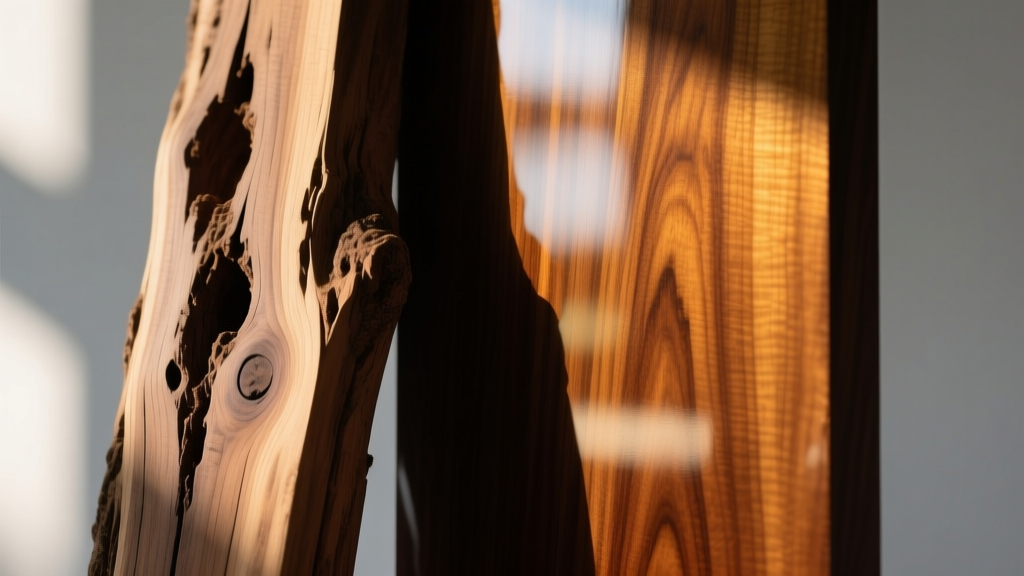
The Plastic Peril: Bakelite, Celluloid, and Lucite
The introduction of synthetic polymers revolutionized jewelry box manufacturing, allowing for vibrant colors and mass production. Unfortunately, early plastics are some of the most dangerous materials in vintage storage.
Celluloid: The Nitric Acid Time Bomb
Popular in the 1920s and 30s, Celluloid (cellulose nitrate plasticized with camphor) was used to mimic tortoiseshell, ivory, and mother-of-pearl inlay on retro jewelry boxes. As Celluloid ages, the camphor sublimates (evaporates), leaving behind brittle cellulose nitrate. When exposed to ambient humidity, this nitrate undergoes hydrolysis, releasing nitric acid. Storing silver or pearls in a box with degrading Celluloid inlays will result in rapid, aggressive corrosion and the complete destruction of pearl nacre.
Bakelite and Lucite: The Safer Alternatives
Bakelite (polyoxybenzylmethylenglycolanhydride), heavily used for clasps, feet, and decorative handles in the 1940s, is chemically stable and does not off-gas harmful acids under normal conditions. However, it is highly susceptible to 'Bakelite disease'—a condition where the wood flour fillers inside the plastic absorb moisture, expand, and cause the surface to crack and crumble. Lucite (PMMA), which gained prominence in the 1950s and 60s, is entirely inert and safe for jewelry storage, making it the most reliable vintage plastic for collectors.
Interior Linings: The Hidden Tarnish Catalysts
The interior lining of a retro jewelry box is the material in direct contact with your collection. Vintage linings are frequently the primary culprits behind mysterious tarnishing and gemstone damage.
| Material | Era | Primary Risk | Chemical Profile | Retrofit Solution |
|---|---|---|---|---|
| Rayon Velvet | 1940s-1960s | Sulfur Dyes | Sulfur-bearing compounds | Replace with Pacific Silvercloth |
| Wool Felt | 1920s-1950s | Moisture & Acidity | pH 4.0 - 5.5, traps humidity | Remove; use unbleached cotton |
| Chamois Leather | 1930s-1970s | Tanning Salts | Residual aluminum/chromium salts | Replace with acid-free suede |
| Silk Satin | 1950s-1980s | Weighting Agents | Tin chloride (causes fabric shattering) | Line with archival polyester |
The Sulfur Problem in Vintage Velvet
Mid-century rayon and acetate velvets were frequently dyed using sulfur-based compounds, particularly for deep blacks, navies, and rich burgundies. In an enclosed retro jewelry box, these dyes slowly release hydrogen sulfide gas. When hydrogen sulfide meets silver, it triggers a rapid chemical reaction forming silver sulfide (Ag2S)—the black crust we know as tarnish. The Getty Conservation Institute has extensively documented how historical textiles and sulfur-bearing dyes accelerate the degradation of metal artifacts in enclosed display cases.
Hardware Degradation: Pot Metal vs. Solid Brass
The hinges, clasps, and feet of a retro jewelry box dictate its longevity. High-end boxes featured solid brass or bronze hardware, which develops a stable, protective patina over time. However, mass-market boxes from the 1940s to the 1970s relied heavily on 'pot metal' (Zamak), an alloy of zinc, aluminum, magnesium, and copper.
Zamak is highly unstable in fluctuating humidity. It suffers from 'white rust' (zinc oxide formation) and a phenomenon known as 'zinc pest,' where the metal literally crumbles into a grey powder due to internal galvanic corrosion. If your retro box features failing pot metal hinges, they must be replaced with solid brass equivalents to prevent structural collapse and avoid zinc oxide dust from settling on your jewelry.

Modern Retrofitting Protocol for Retro Boxes
You do not need to abandon your vintage storage. By applying modern conservation techniques, you can neutralize the inherent risks of a retro jewelry box while preserving its historical aesthetic.
Step 1: Neutralize and Seal the Wood
To halt the off-gassing of acidic woods and formaldehyde glues, seal all interior bare wood surfaces with a microcrystalline wax, such as Renaissance Wax. Originally developed by the British Museum for artifact preservation, this wax creates an inert, moisture-proof barrier. Apply a microscopically thin layer with a lint-free cloth, allow it to cure for 20 minutes, and buff it to a matte finish. Do not use polyurethane or acrylic sprays, as their solvents can damage vintage veneers and original exterior finishes.
Step 2: Upgrade the Linings
Carefully remove the original velvet or felt using a plastic spudger to avoid scratching the wood. Retain the original fabric in an archival box for provenance. Replace it with Pacific Silvercloth, a specialized flannel embedded with microscopic silver particles that sacrificially absorb sulfur and moisture before they reach your jewelry. Alternatively, use unbleached, washed muslin or acid-free Volara polyethylene foam for a safe, neutral surface.
Step 3: Introduce Passive Climate Control
Retro boxes lack modern humidity seals. To protect moisture-sensitive gems like opals and emeralds, place a small, rechargeable silica gel cassette in the largest compartment. For silver-heavy collections, add 3M Anti-Tarnish strips, which utilize copper-based nanoparticles to neutralize airborne sulfides. Replace these strips every six months to maintain a pristine microclimate inside your beautifully restored retro jewelry box.
Conservation Rule of Thumb: Never store organic gems (pearls, coral, tortoiseshell) in the same compartment as metal polishes or vintage celluloid. The chemical vapors will permanently etch their surfaces. Always use separate, breathable cotton pouches within your retro storage.


