Rolex Jewelry Box Trends 2026: Luxury Watch Storage Analysis
Explore 2026 trends in Rolex jewelry box storage, comparing OEM presentation cases with luxury aftermarket vaults for watches and gold.

The Evolution of the Rolex Jewelry Box in Luxury Storage
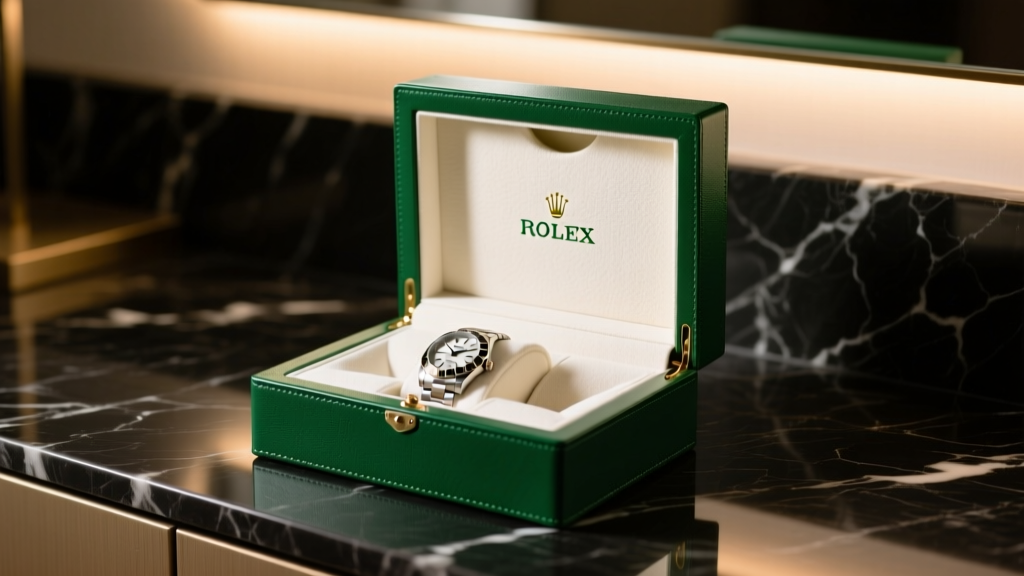
When collectors and enthusiasts discuss the ultimate horological storage, the conversation inevitably turns to the iconic rolex jewelry box. However, in 2026, this term has evolved far beyond the singular, green leatherette presentation case handed over at an authorized dealer. Today, the concept encompasses a sophisticated ecosystem of luxury watch and jewelry storage solutions designed to protect, display, and organize high-value timepieces alongside heavy precious metal jewelry. Whether you are safeguarding a vintage Submariner or a collection of 18k gold Cuban links, understanding the nuances of luxury storage is paramount.
The classic OEM (Original Equipment Manufacturer) Rolex presentation box is a masterclass in minimalist branding. Measuring approximately 11cm by 11cm with a depth of 9cm, the modern green box features a high-resilience polyurethane cushion designed specifically to cradle the Oyster case. Yet, as collections grow, the single-watch box becomes inadequate. This has sparked a massive trend in the secondary market, where empty, authentic OEM boxes sell for $150 to $300, prized by purists who demand brand-accurate storage. But for those requiring comprehensive organization, the modern rolex jewelry box has transformed into multi-tiered, climate-controlled vaults.
OEM vs. Aftermarket: Decoding the 2026 Market
Sourcing an authentic OEM Rolex box requires navigating the secondary market. While these boxes offer unmatched brand prestige, they lack the modularity required for large collections. Conversely, heritage aftermarket brands like Wolf 1834 and Rapport of London have dominated the luxury space by offering multi-watch safes with integrated jewelry drawers. These aftermarket solutions utilize advanced locking mechanisms, tempered glass, and modular cushion systems that the standard OEM presentation box simply cannot provide.
Material Science: What Makes a High-End Watch & Jewelry Box?
The exterior and interior materials of a luxury storage unit dictate both its aesthetic longevity and its protective capabilities. In the realm of high-end rolex jewelry box alternatives, cheap MDF (Medium-Density Fiberboard) wrapped in synthetic PU leather has been entirely replaced by solid hardwoods and aerospace-grade aluminum.
Exterior Shells: Macassar ebony, burled walnut, and piano-lacquered mahogany are the 2026 standards for luxury exteriors. These woods are not merely decorative; their density provides structural rigidity that prevents the micro-warping which can misalign hinges and scratch watch crystals over time.
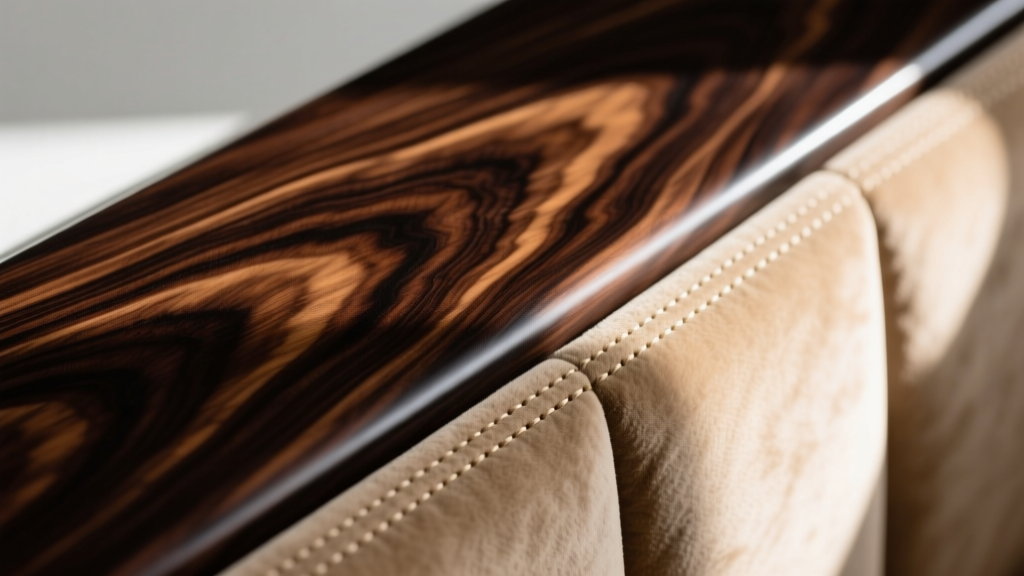
Interior Linings: The interior is where true preservation occurs. Premium manufacturers now utilize Alcantara—a synthetic suede-like material renowned for its durability and resistance to moisture trapping. More importantly, the lining must feature anti-tarnish properties. Brands integrate Pacific Silvercloth or silicone-treated flannel into the drawer linings to absorb hydrogen sulfide and sulfur dioxide from the air, preventing silver and lower-karat gold jewelry from oxidizing.
| Material Component | Standard Grade | Luxury 2026 Grade | Primary Benefit |
|---|---|---|---|
| Exterior Shell | MDF with PU Leather | Solid Macassar Ebony | Prevents hinge warping & structural sagging |
| Interior Lining | Standard Polyester Velvet | Alcantara & Pacific Silvercloth | Moisture resistance & active tarnish prevention |
| Cushion Core | Low-Density Fiberfill | HR Cold-Cured Polyurethane | Maintains elevation, prevents bezel scratching |
| Hardware / Hinges | Zinc Alloy | Solid Brass or Stainless Steel | Corrosion resistance & smooth articulation |
Sizing and Cushion Architecture for Rolex Models
One of the most frequent failure modes in luxury watch storage is bezel and bracelet scratching caused by improper cushion architecture. Rolex Oyster cases, particularly the 41mm Datejust and 42mm Explorer II, feature prominent crown guards and fluted or ceramic bezels that require specific spatial allowances.
Standard jewelry box pillows are often stuffed with low-density polyester fiberfill, which compresses entirely under the weight of a 160-gram stainless steel or gold watch, allowing the metal to grind against the box's hard base. A proper horological cushion utilizes a high-resilience (HR) cold-cured foam core wrapped in a microfiber or Alcantara shell. This ensures the watch remains elevated. Furthermore, the circumference of the cushion must be carefully calibrated; a pillow that is too thick will stretch the Oyster or Jubilee bracelet links, placing undue stress on the C-link pins and accelerating metal fatigue.
Curating the Ultimate Rolex-Inspired Jewelry Vault
Creating the ultimate storage environment requires more than just a beautiful wooden box; it demands active climate management. According to horological conservation guidelines outlined by Rolex's official care recommendations, extreme fluctuations in temperature and humidity can degrade watch lubricants and damage delicate jewelry enamels.
To combat this, experts recommend integrating Boveda 49% relative humidity (RH) packs into the enclosed storage environment. Unlike generic silica gel packets—which can over-desiccate the air and cause leather watch straps to crack or wooden dials to warp—Boveda packs utilize a proprietary saltwater solution to maintain a precise two-way humidity equilibrium. Placing a 60-gram Boveda pack inside your multi-watch rolex jewelry box drawer ensures that organic materials like alligator straps, pearl necklaces, and opal gemstones remain perfectly hydrated.
"The intersection of horology and fine jewelry requires a dual-threat approach to storage. You are simultaneously protecting precision mechanical lubricants from moisture, while protecting precious metal alloys from atmospheric sulfur. A true luxury vault must address both chemical and physical vulnerabilities." — Master Horologist & Conservation Specialist
Critical Storage Mistakes to Avoid
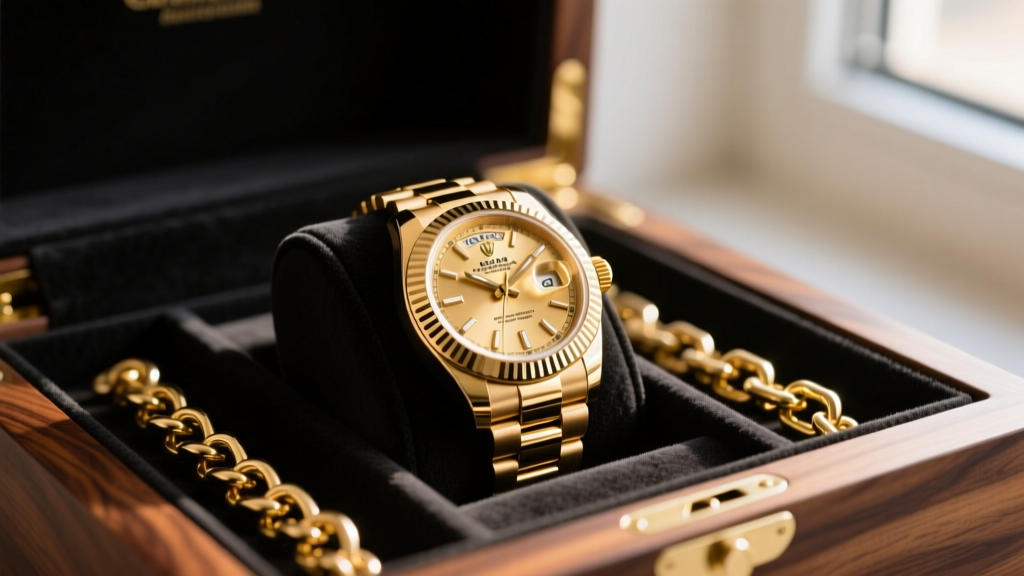
- Stacking Heavy Chains on Crystals: Never store heavy 18k gold Cuban or Figaro chains in the same open compartment as your watches. The density of gold can easily scratch sapphire crystals or dent precious metal cases if the box is moved.
- Over-Desiccation: Avoid tossing loose silica gel packets into your watch drawers. Dropping humidity below 30% will dry out the natural oils in vintage leather straps and cause guilloche dials to flake.
- UV Exposure: Even indirect sunlight filtering through a window can cause Rolex dials (particularly older matte black or tropical dials) to fade and degrade the anti-reflective coating on the sapphire crystal.
Final Verdict: Investing in Heritage Storage
The modern approach to the rolex jewelry box is an exercise in material science, spatial engineering, and aesthetic reverence. Whether you choose to collect authentic OEM green boxes for their pure horological pedigree or invest in a $3,000 macassar ebony hybrid vault from a heritage manufacturer, the goal remains identical: uncompromising protection. By prioritizing high-resilience cushion architecture, anti-tarnish linings, and precise humidity control, collectors in 2026 can ensure their most prized timepieces and gold jewelry remain in pristine, museum-quality condition for generations.


