The Ultimate Beginner's Guide to Choosing a Rose Jewelry Box
Discover how to choose the perfect rose jewelry box. Learn about anti-tarnish velvet, rose gold hardware, and ideal layouts for your collection.

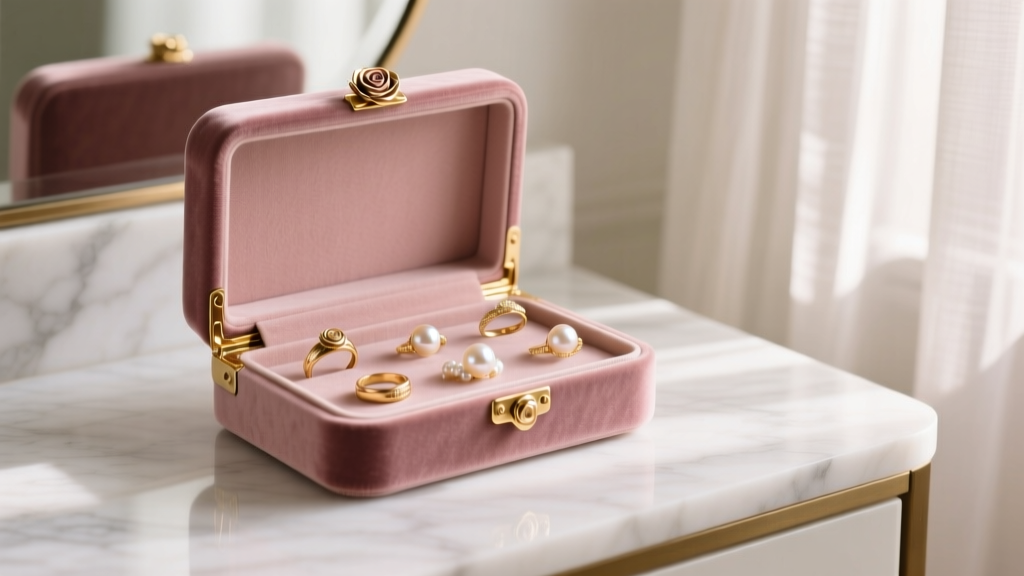
Stepping into the world of jewelry organization can feel overwhelming, especially when faced with endless materials, layouts, and aesthetic choices. Among the most sought-after storage solutions in 2026 is the rose jewelry box. Characterized by its blush pink, dusty rose, or deep magenta velvet interiors and exteriors—often accented with warm rose gold hardware—this style bridges the gap between romantic aesthetics and serious functional storage. But beyond the beautiful exterior, what makes a high-quality rose jewelry box truly effective at protecting your investment?
This beginner-friendly explainer will decode the material science, interior layouts, and anti-tarnish properties you need to know before purchasing your first premium jewelry organizer. Whether you are storing delicate 14k gold chains, chunky silver statement rings, or everyday diamond studs, understanding the anatomy of your storage is the first step toward preserving your collection.
Defining the 'Rose' Aesthetic: More Than Just a Color
When jewelers and organizers refer to a 'rose jewelry box,' they are typically describing a specific palette and material combination rather than a box shaped like a flower. The 'rose' element usually manifests in two ways:
- The Upholstery: Dusty rose, blush, or mauve velvet and suede. These muted, warm tones are preferred over stark whites or deep blacks because they provide a neutral, non-reflective backdrop that makes both yellow gold and white gold/platinum jewelry visually pop.
- The Hardware: Rose gold-toned hinges, clasps, and locks. Rose gold (an alloy of gold and copper) offers a warm, vintage-inspired contrast to the soft pink fabrics.
For beginners, it is crucial to look past the color and examine the actual material grades used to achieve this aesthetic, as cheap dyes and low-quality synthetic fabrics can actively harm your jewelry over time.
Material Science: Velvet Linings and Anti-Tarnish Properties
The interior lining of your jewelry box is the most critical factor in preventing chemical reactions that lead to tarnish. Not all rose-colored velvets are created equal.
Standard Polyester Velvet vs. Treated Cotton Velvet
Entry-level boxes often use synthetic polyester velvet dyed in blush or rose hues. While soft to the touch, polyester can trap ambient moisture and lacks breathability, creating a microclimate that accelerates the oxidation of silver and copper alloys. Premium rose jewelry boxes utilize 100% cotton velvet or flannel that has been treated with anti-tarnish compounds. According to the Gemological Institute of America (GIA), storing jewelry in treated, breathable fabrics significantly slows the formation of silver sulfide, the black compound responsible for tarnished silver.
Pacific Silvercloth Integration
Some high-end rose storage boxes incorporate Pacific Silvercloth or similar zinc-impregnated fabrics beneath the visible rose velvet layer. These materials act as a sacrificial barrier, absorbing hydrogen sulfide gases from the air before they can reach your metals. If you are storing sterling silver, always check the manufacturer's specifications for anti-tarnish lining certifications.
Hardware Durability: PVD Rose Gold vs. Electroplating
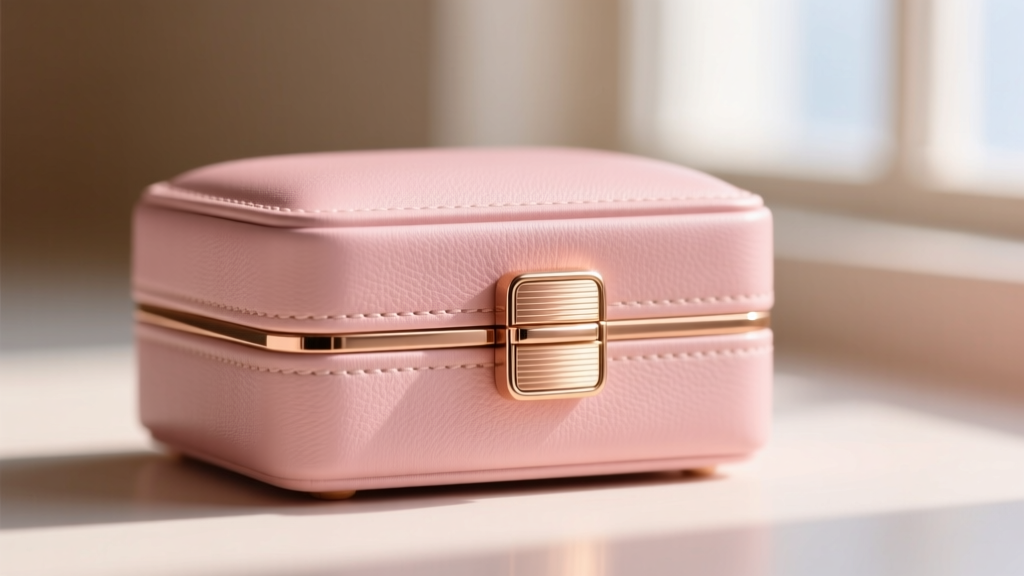
The exterior hardware—hinges, locks, and feet—on a rose jewelry box is usually finished in a rose gold tone. How this finish is applied dictates the lifespan of the box.
The Problem with Flash Plating
Cheap organizers use 'flash plating' (electroplating a microscopic layer of rose gold, often less than 0.1 microns thick). This finish will rub off within months of daily use, exposing the base brass or zinc alloy underneath, which can then oxidize and stain your rose velvet lining.
The PVD Coating Advantage
Mid-tier to luxury boxes utilize PVD (Physical Vapor Deposition) coating for their rose gold hardware. PVD bonds the rose gold vapor to the stainless steel or brass base at a molecular level in a vacuum chamber. The Federal Trade Commission (FTC) Jewelry Guides outline strict standards for gold plating terminology, and PVD consistently outperforms traditional wet electroplating in wear-resistance. When shopping, look for product descriptions that explicitly mention PVD hardware or a minimum plating thickness of 0.5 to 1.0 microns.
Interior Layout: Matching Compartments to Your Collection
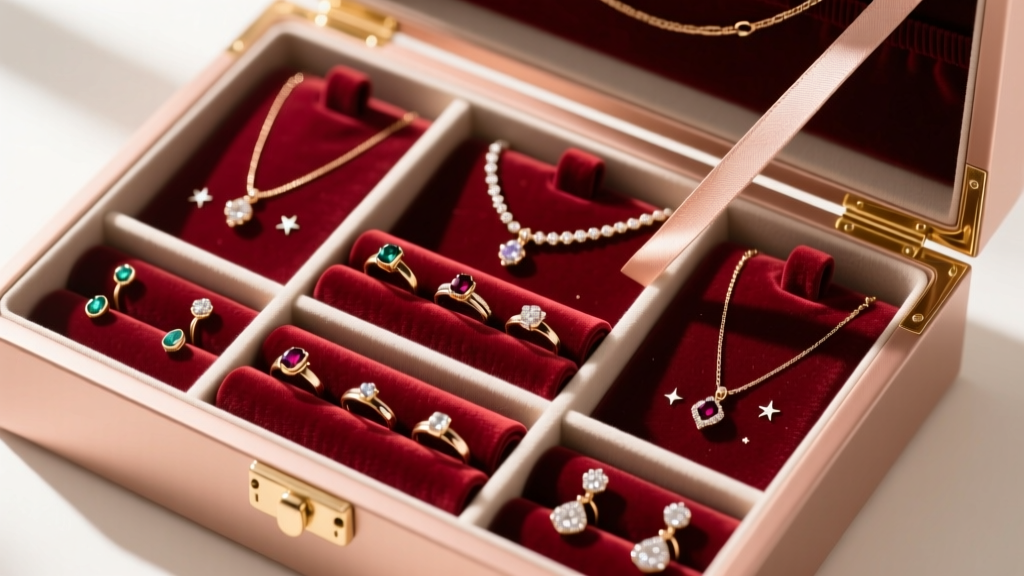
A beautiful dusty rose exterior is useless if the interior layout damages your pieces through friction or tangling. Beginners often buy boxes based on total compartment count rather than compartment dimensions. Below is a structural guide to help you match the box's interior to your specific jewelry gauges and sizes.
| Compartment Type | Ideal Jewelry Profile | Crucial Dimensions & Specs |
|---|---|---|
| Ring Rolls | Standard bands, solitaire rings | Look for 1.5-inch spacing. Wide signet rings require flat trays, as forcing them into tight rolls can bend the shank. |
| Earring Grids | Studs, small hoops, post earrings | Holes must accommodate 16-gauge to 20-gauge posts. Standard 20G is 0.8mm, but many cheap boxes only fit 22G (0.6mm). |
| Necklace Snaps | Delicate chains (14k/18k), pendants | Straps must have a minimum 2-inch drop to prevent the chain from pulling taut and stretching the links. |
| Deep Open Wells | Chunky bracelets, brooches, watches | Minimum depth of 1.5 inches to prevent the lid from crushing raised gemstone settings when closed. |
Proactive Tarnish Prevention in Rose Velvet Boxes
Even with premium cotton velvet, environmental factors like humidity and airborne pollutants can compromise your jewelry. To maximize the protective qualities of your rose jewelry box, implement these beginner-friendly maintenance habits:
- Use 3M Anti-Tarnish Strips: Tuck a small 3M Silver Protector strip into the corners of your box. These strips absorb airborne sulfides and typically last 6 to 12 months before needing replacement.
- Control the Microclimate: Never store your jewelry box in a bathroom. The rapid fluctuations in heat and humidity from showers will penetrate the velvet and accelerate copper oxidation in rose gold and sterling silver pieces.
- Clean Before Storing: Always wipe your jewelry with a clean, lint-free microfiber cloth before placing it in the rose velvet lining. Skin oils, lotions, and perfumes contain acids and salts that will permanently stain light-colored blush fabrics and degrade metal finishes.
Pricing Tiers: What Should You Expect to Spend?
Understanding the market pricing will help you avoid overpaying for poor materials or underestimating the cost of true anti-tarnish protection.
Entry-Level ($25 - $50)
At this price point, expect synthetic polyester velvet, MDF (medium-density fiberboard) wooden frames wrapped in PU leather, and flash-plated hardware. These are suitable for fashion jewelry or costume pieces but are not recommended for fine jewelry or heirloom silver due to poor moisture control.
Mid-Tier ($80 - $180)
The sweet spot for beginners building a fine jewelry collection. Boxes in this range feature solid wood or high-grade acrylic frames, genuine cotton-blend velvet with basic anti-tarnish treatments, and PVD-coated rose gold hardware. Brands in this tier often include dedicated watch pillows and modular, removable dividers.
Luxury & Archival ($250+)
Investment-grade storage featuring full-grain leather exteriors dyed in deep rose or oxblood, lined with pure Pacific Silvercloth or archival-quality suede. Hardware is often solid brass with heavy micron rose gold plating or genuine solid rose gold accents. These boxes are designed to last generations and are often hand-stitched.
Final Thoughts for Beginners
Choosing your first rose jewelry box is an exciting step toward taking your collection seriously. By prioritizing breathable, treated cotton velvets over synthetic alternatives, insisting on PVD-coated hardware, and carefully measuring the interior compartments against your specific jewelry gauges, you will ensure your pieces remain as pristine as the day you bought them. A well-chosen dusty rose organizer is not just a beautiful vanity accessory; it is a functional vault that protects your personal style and financial investment for years to come.


