Snap On Jewelry Box Value: Is the Premium Price Worth It?
Is a premium snap on jewelry box worth the investment? We assess modular stackable organizers, comparing acrylic budgets to anti-tarnish luxury tiers.

The Evolution of the Snap On Jewelry Box in 2026
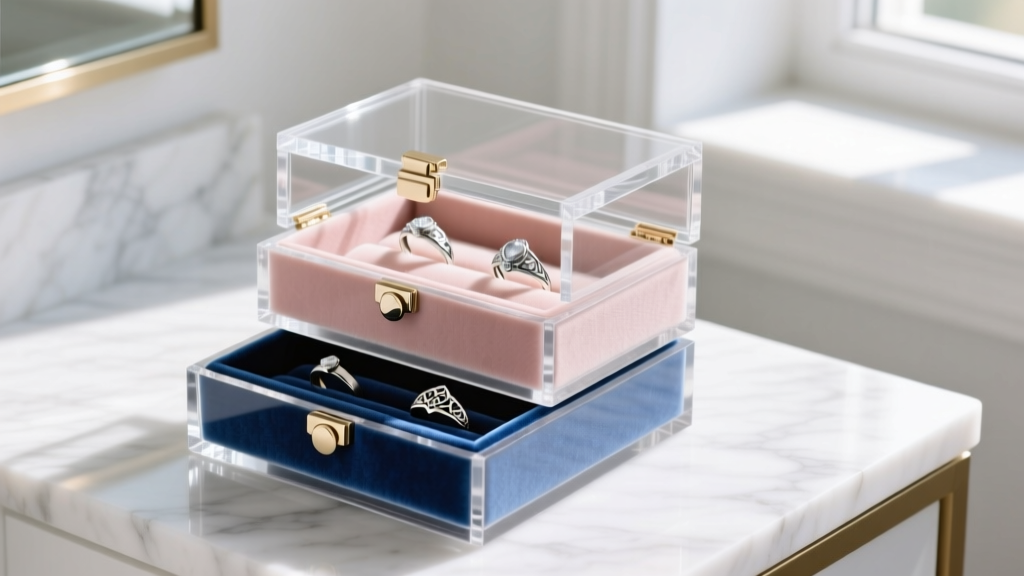
The modern jewelry collector faces a spatial dilemma: as collections grow, traditional monolithic armoires become obsolete. Enter the modular snap on jewelry box. These stackable, interlocking tier systems allow users to customize their storage footprint, adding new trays as their inventory expands. However, the market is currently bifurcated between ultra-cheap generic acrylic tiers (often priced between $12 and $25 per layer) and premium modular systems from heritage brands (ranging from $55 to $95 per tier). When assessing the true budget and value of these organizers, the initial price tag is only a fraction of the equation. To determine if a premium snap-on system justifies its cost, we must evaluate material science, structural failure modes, and the hidden chemical costs of tarnish acceleration.
The Weakest Link: Snap Mechanism Material Science
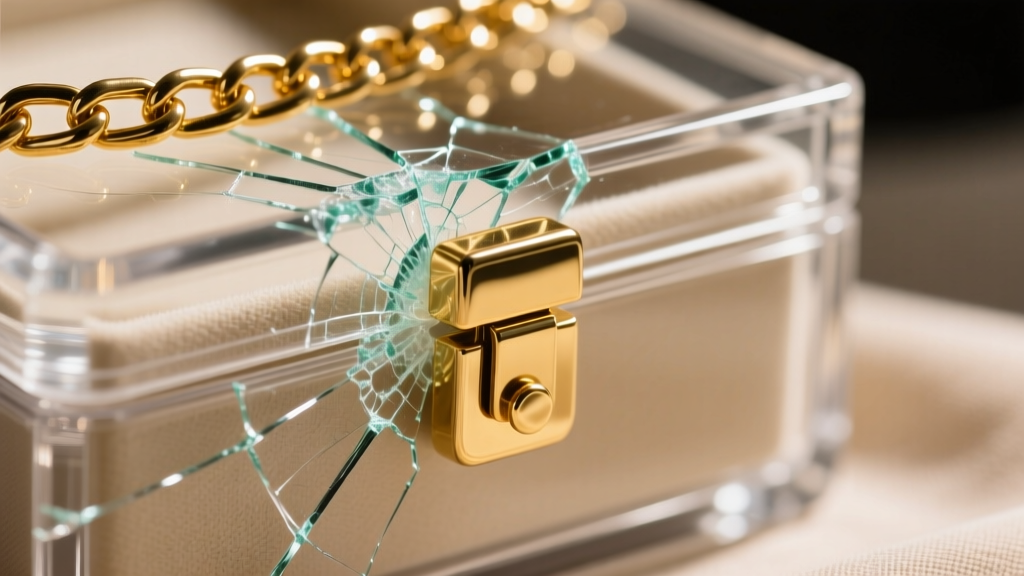
The defining feature of a snap on jewelry box is its interlocking mechanism. This is also the most frequent point of catastrophic failure in budget models. Generic stackable boxes are typically injection-molded from PMMA (polymethyl methacrylate), commonly known as acrylic. While PMMA offers excellent optical clarity, it is inherently brittle and susceptible to stress crazing.
Acrylic Tabs vs. ABS Pegs
In budget snap-on tiers, the interlocking tabs are often a mere 1.2mm to 1.5mm thick. When you lift the top tier of a fully loaded five-tier stack, the sheer weight of the lower tiers—often exceeding 3 pounds of dense metals like sterling silver and gold—places immense shear force on these thin acrylic tabs. Over 12 to 18 months of daily use, micro-fractures develop at the base of the tab, eventually leading to a clean snap. Conversely, premium modular systems utilize reinforced ABS (Acrylonitrile butadiene styrene) plastic pegs or hidden neodymium magnets. ABS is highly impact-resistant and can tolerate repetitive shear stress without crazing, easily supporting 10+ pounds of stacked jewelry over a decade of use.
The Hidden Cost: Adhesive Off-Gassing and Tarnish
Perhaps the most critical factor in our value assessment is how the interior lining interacts with your precious metals. According to the Gemological Institute of America (GIA), silver tarnish is primarily caused by a chemical reaction between silver and sulfur compounds in the environment, forming silver sulfide. Budget snap-on boxes frequently line their trays with low-density EVA foam or cheap synthetic suede, adhering it to the plastic base using industrial spray adhesives.
The Sulfur Problem in Budget Linings
Many of these cheap, unregulated adhesives contain trace sulfur compounds and volatile organic compounds (VOCs). When sealed inside a closed acrylic tier, these gases off-trap and create a micro-environment that actively accelerates tarnishing. A $15 budget snap-on tier might save you money upfront, but if it turns your $200 sterling silver chain black within three months, the value proposition is entirely negated. Premium snap-on boxes mitigate this by using chemically inert, archival-grade polyurethane adhesives and treated anti-tarnish micro-suede (such as Pacific Silvercloth), which actively absorbs ambient hydrogen sulfide before it reaches your jewelry.
Weight Distribution and Drawer Dynamics
When evaluating a snap on jewelry box, one must consider the physics of a stacked tower. If you are storing heavy items like chunky link bracelets, solid gold chains, or gemstone-heavy statement necklaces, the cumulative weight is significant. Budget acrylic tiers lack internal structural ribbing. When a heavy drawer is pulled out, the thin acrylic floor can bow or warp, causing the snap-on lid above it to pop open or misalign. Premium tiers feature hidden internal ribbing and reinforced base plates that maintain rigid dimensional stability, ensuring the snap mechanisms remain perfectly aligned even under heavy, uneven loads.
5-Year Value Assessment Matrix
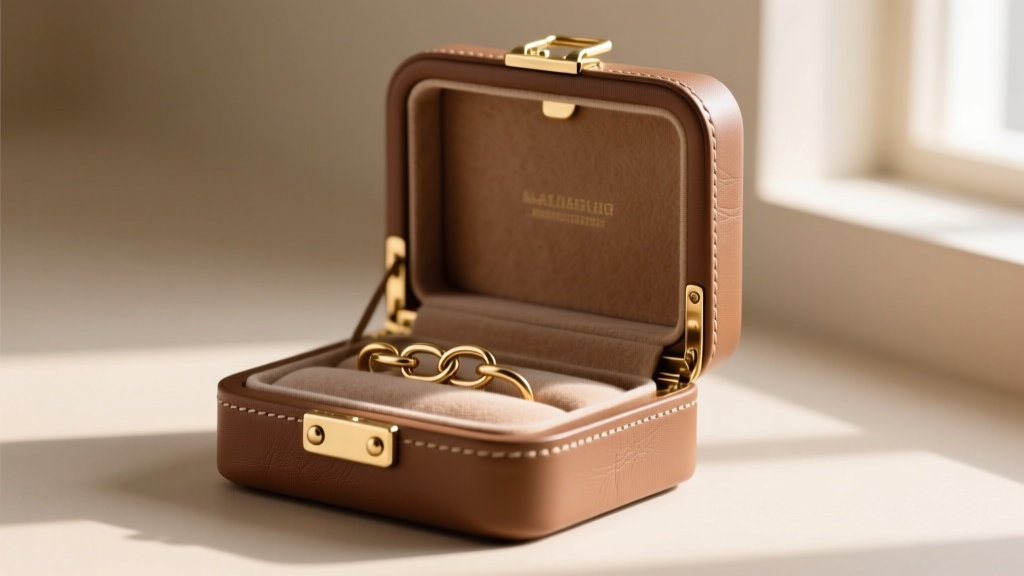
To visualize the long-term return on investment, we have modeled the 5-year cost of ownership for three distinct tiers of snap-on modular jewelry boxes. This matrix factors in initial purchase price, expected lifespan before mechanical failure, and the cost of tarnish mitigation.
| System Tier | Cost Per Tier | Material / Snap Type | Expected Lifespan | Tarnish Protection | 5-Year True Cost |
|---|---|---|---|---|---|
| Generic Acrylic | $18 | PMMA / 1.5mm Friction Tabs | 1.5 - 2 Years | None (Requires 3M Strips) | $90 (Replacing broken tiers + strips) |
| Mid-Tier PU Leather | $35 | MDF Core / Plastic Pegs | 3 - 4 Years | Moderate | $70 (Assuming 1 replacement) |
| Premium Modular | $75 | ABS Reinforced / Magnets | 10+ Years | Active Anti-Tarnish Suede | $75 (One-time purchase) |
How to Retrofit a Budget Snap-On Box
If you have already invested in a generic acrylic snap on jewelry box system and want to maximize its value without upgrading to a premium brand, you must proactively address its inherent flaws. Experts at Town Talk Polish recommend creating an active anti-tarnish barrier. You can achieve this by placing 3M Anti-Tarnish Strips in the corners of every sealed tier; these strips utilize a specialized copper-based polymer that neutralizes airborne sulfur gases. Additionally, avoid lifting multiple stacked tiers by the top handle or lid. Always separate the tiers before moving them to eliminate the shear stress that causes acrylic tabs to snap.
Final Verdict: Which System Justifies the Price?
For the casual wearer with a small collection of fashion jewelry and stainless steel pieces, a generic acrylic snap-on system offers adequate short-term utility. However, for serious collectors storing sterling silver, karat gold, and porous gemstones (like pearls and opals), the premium snap on jewelry box is vastly superior in long-term value. The initial premium pays for ABS structural integrity, chemically inert adhesives, and active tarnish prevention. Ultimately, protecting the metallurgical integrity of your collection is worth far more than the $50 savings on a brittle plastic box.


