Shabby Chic Jewelry Box Materials: Wood, Paint & Lining Guide
Discover how wood substrates, distressed paints, and interior linings in a shabby chic jewelry box impact tarnish prevention and jewelry preservation.

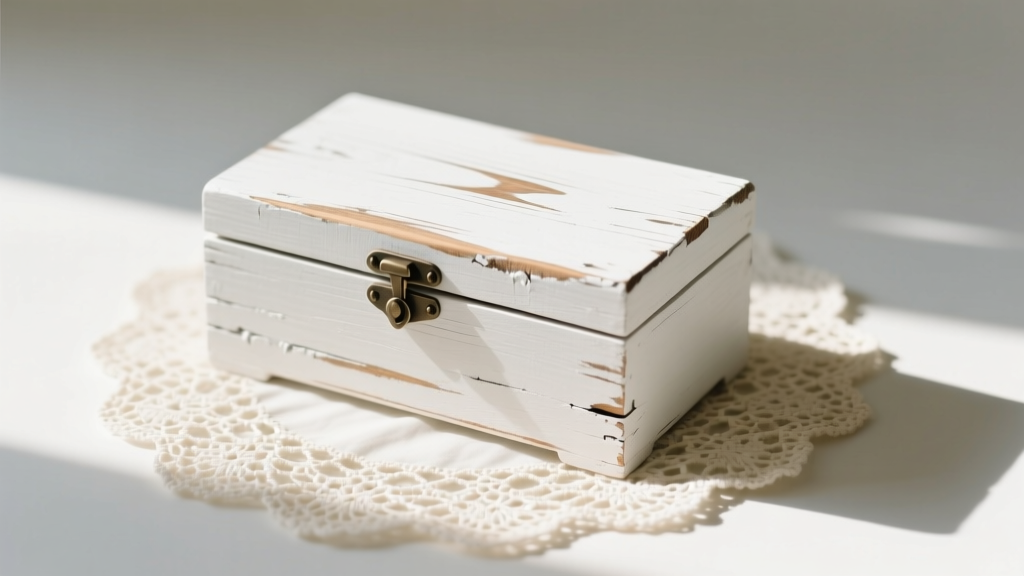
The Anatomy of a True Shabby Chic Jewelry Box
The shabby chic aesthetic is beloved for its romantic, time-worn elegance, characterized by distressed finishes, soft pastel hues, and vintage-inspired silhouettes. However, when it comes to storing precious metals and delicate gemstones, the visual appeal of a shabby chic jewelry box must be balanced against the chemical reality of its materials. Jewelry preservation is fundamentally about controlling the microclimate. The substrates, paints, sealants, and linings used to achieve that perfectly imperfect farmhouse look can either protect your collection or actively accelerate tarnishing, moisture damage, and metal pitting.
In this comprehensive material guide, we deconstruct the anatomy of shabby chic jewelry storage, analyzing the specific properties of woods, finishes, and fabrics to help you make an informed, preservation-minded purchase or DIY build.
Wood Substrates: Reclaimed Pine vs. MDF vs. Paulownia
The structural integrity and chemical stability of your jewelry box begin with the wood substrate. Different woods emit varying levels of volatile organic compounds (VOCs) and organic acids, which can be highly corrosive to silver, copper, and pearls.
| Substrate | Acid Off-Gassing Risk | Moisture Retention | Best Use Case |
|---|---|---|---|
| Reclaimed Pine | Moderate (Acetic Acid) | Medium | Rustic, heavy dressers & armoires |
| MDF (Medium-Density Fiberboard) | High (Formaldehyde/Urea) | High (Swells if wet) | Budget-friendly, painted decorative boxes |
| Paulownia | Low (pH Neutral) | Low (Highly stable) | Travel cases & lightweight organizers |
| Kiln-Dried Oak | Very High (Tannins/Acetic) | Low | Avoid for direct jewelry contact |
According to the Canadian Conservation Institute (CCI), woods like oak and fresh pine release acetic acid as they age or react to ambient humidity. In a sealed shabby chic jewelry box, these acidic vapors become trapped, leading to rapid silver sulfide formation (tarnish) and the degradation of porous gemstones like turquoise and pearls. If you are upcycling a vintage pine box, it is mandatory to seal the raw interior wood with a water-based polyurethane or an acrylic barrier coating before adding any fabric lining.
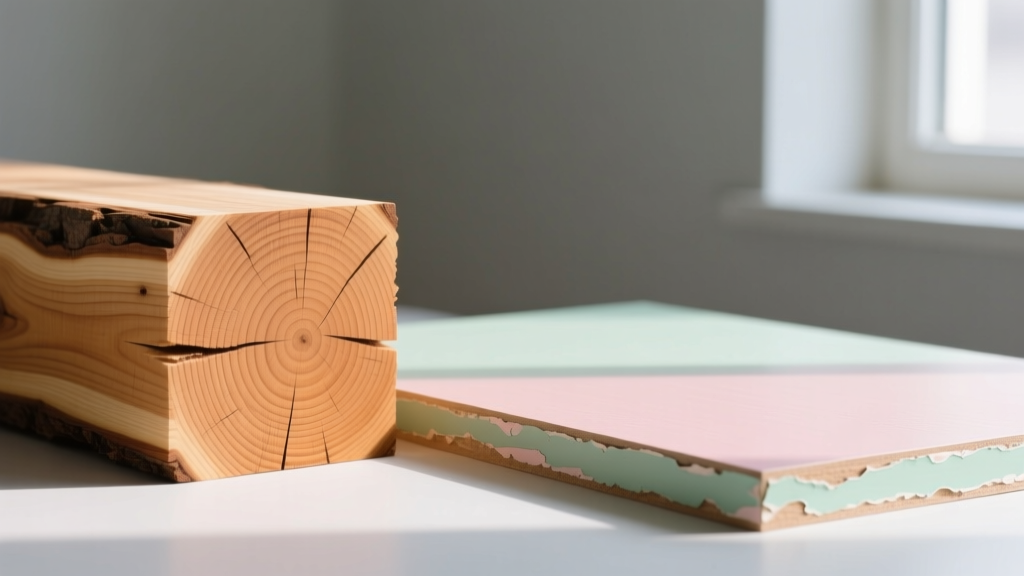
The Chemistry of Distressed Finishes: Chalk, Milk, and Latex Paints
The signature "distressed" look of shabby chic furniture relies on specific paint chemistries. While the exterior paint does not directly touch your jewelry, the off-gassing of solvents and the permeability of the finish dictate how the box interacts with the room's ambient humidity.
Chalk Paint vs. Milk Paint
- Chalk Paint: Composed primarily of calcium carbonate and an acrylic binder. It is highly porous and requires a topcoat of wax or hemp oil. While beautiful, wax topcoats can trap ambient moisture inside the wood grain if applied in high-humidity environments, creating a damp microclimate inside the box.
- Milk Paint: Made from milk protein (casein), lime, and natural earth pigments. It is historically accurate for vintage shabby chic pieces and is naturally breathable. It does not trap moisture, making it a superior choice for the exterior of a jewelry armoire, though it requires a hemp oil sealant to prevent water spotting.
- Acrylic Latex: Often used for modern "farmhouse" reproductions. It forms a plastic-like film that completely seals the wood, halting acid off-gassing from MDF or pine substrates, but it lacks the authentic, chalky texture of traditional shabby chic finishes.
Expert Tip: If you are distressing a jewelry box using sandpaper to reveal under-layers of paint, ensure you do not sand through to bare MDF or raw pine on the interior lid. Exposed raw substrate inside the lid will off-gas directly onto your necklaces and rings every time the box is closed.
Interior Linings: Anti-Tarnish Linens vs. Standard Velvets
The most critical failure point in vintage and shabby chic jewelry boxes is the interior lining. The romantic aesthetic often calls for ruffled lace, crushed velvet, or burlap accents. However, material selection here is a matter of chemical survival for your metals.
Standard commercial velvets and dyed cottons are frequently treated with sulfur-based dyes and formaldehyde-based wrinkle resistors. When confined in a dark box, these chemicals vaporize and react with the copper alloys in sterling silver and rose gold, causing aggressive blackening and verdigris. The Gemological Institute of America (GIA) emphasizes that storing silver in untested, dyed fabrics is a primary cause of irreversible surface pitting.
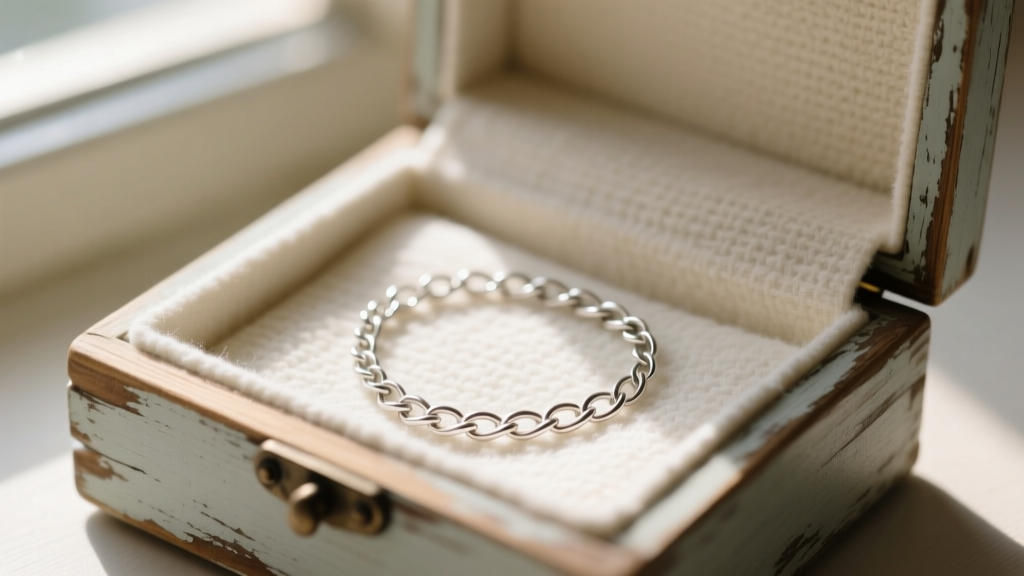
The Preservation-Grade Shabby Chic Solution
To maintain the soft, vintage aesthetic without sacrificing your collection, you must utilize specialized linings:
- Unbleached Cotton Flannel: For a rustic, farmhouse-chic interior, use 100% unbleached, undyed cotton flannel. It provides a soft, matte backdrop that looks intentionally vintage while remaining chemically inert.
- Zinc-Embedded Anti-Tarnish Cloth: Products like Pacific Silvercloth contain microscopic zinc or silver nanoparticles woven directly into the cotton fibers. These particles act as a sacrificial anode, absorbing sulfur and chlorides from the air before they can reach your jewelry. You can easily line a shabby chic box with this dark brown cloth, or use it to create individual drawstring pouches to place inside a lace-lined decorative box.
- Acid-Free Tissue Paper: For compartmentalized boxes, line the bottom of each wooden divot with acid-free, unbuffered tissue paper before adding decorative lace overlays.
Hardware and Hinges: Rust-Prone Iron vs. Solid Brass
Shabby chic design heavily features ornate, blackened, or rust-patinated iron hardware, including vintage-style skeleton key locks and butterfly hinges. From a preservation standpoint, ferrous metals (iron and steel) are a liability in jewelry storage.
Iron hardware is highly susceptible to flash rusting when ambient humidity exceeds 60%. More dangerously, iron oxidation creates microscopic airborne spores of iron oxide. If these spores settle on soft metals like high-karat gold, fine silver, or aluminum, they can cause galvanic corrosion and permanent pitting. Furthermore, cheap iron hinges often lack the precision of brass, causing the lid to drop suddenly and jolt delicate pavé-set gemstones loose from their prongs.
The Fix: Opt for shabby chic boxes that utilize solid brass hardware with an antiqued or oil-rubbed bronze finish. Brass is non-ferrous, will not produce corrosive rust spores, and provides a heavier, more controlled hinge action. If you are restoring a vintage box with original iron hardware, treat the interior-facing metal parts with a microcrystalline wax (such as Renaissance Wax) to create an impermeable barrier against moisture.
Expert Verdict: Building or Buying for Long-Term Preservation
A beautiful shabby chic jewelry box should be a sanctuary for your collection, not a catalyst for its degradation. When shopping or building, prioritize the unseen materials over the surface distressing. Demand pH-neutral substrates like paulownia or properly sealed kiln-dried pine. Insist on breathable, casein-based milk paints or sealed acrylics, and never allow sulfur-dyed velvets to touch your sterling silver or pearls.
By understanding the material science behind the aesthetic, you can curate a storage solution that perfectly captures the romance of the shabby chic style while providing the rigorous, museum-grade environmental control your most cherished heirlooms require. For further reading on the effects of microclimates on precious metals, consult the Smithsonian Museum Conservation Institute guidelines on silver preservation and display materials.


