How to Organize Your Sophie Bille Brahe Jewelry Box Step-by-Step
Learn how to properly organize and maintain your Sophie Bille Brahe jewelry box. Step-by-step guide to protecting pearls, gold, and diamonds.

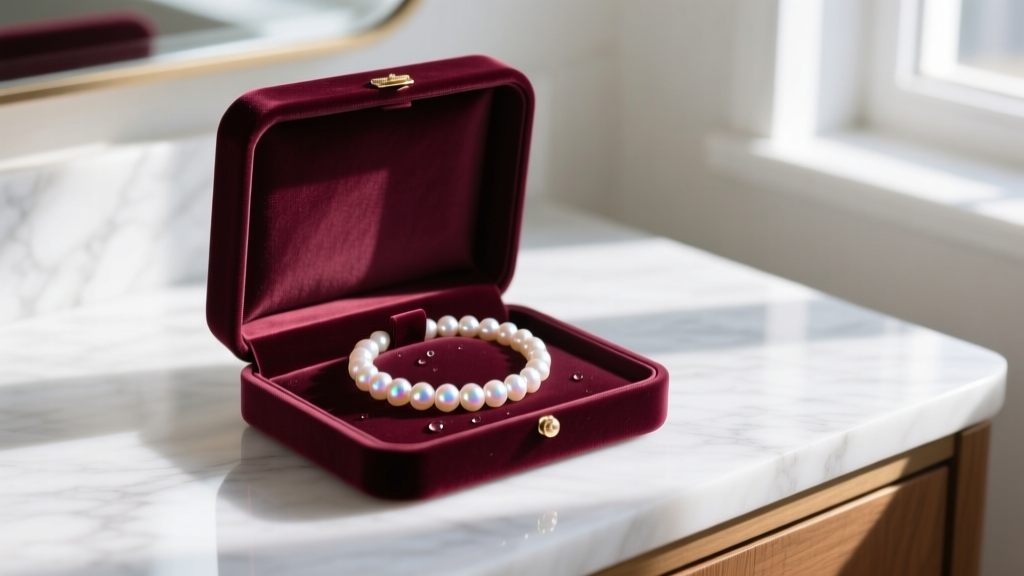
The Art of Preserving Danish Luxury
Owning a piece from Sophie Bille Brahe is an investment in contemporary Danish design, characterized by sculptural silhouettes, exceptional freshwater pearls, and delicate diamond pavé. However, the longevity of these archival and contemporary pieces relies heavily on how they are stored. As we move through 2026, preserving high-end jewelry requires moving beyond simply tossing pieces into a drawer. Your sophie bille brahe jewelry box is not just packaging; it is a micro-environment that must be carefully curated to prevent tarnish, nacre degradation, and micro-scratching. This step-by-step guide will walk you through the exact methodologies used by jewelry conservators to organize and maintain luxury brand packaging and the precious metals and gems housed within.
Understanding the Anatomy of Luxury Packaging
Before reorganizing, it is crucial to understand the materials used in high-end jewelry boxes. Sophie Bille Brahe typically utilizes rigid setup boxes wrapped in textured paper or soft-touch materials, with interiors lined in plush velvet, suede, or silk-satin blends. These materials are chosen for their low abrasion rates, but they are also highly susceptible to trapping ambient humidity, dust, and skin oils. Over time, the crevices of a velvet interior can harbor microscopic debris that acts like sandpaper against 18k gold and soft pearls. Proper organization begins with a meticulous assessment and cleaning of the box's interior architecture.
Step 1: Prepping and Cleaning the Interior
Never use liquid cleaners, alcohol, or commercial fabric sprays on the interior lining of your jewelry box, as these can leave chemical residues that will actively degrade pearl nacre and strip rhodium plating from white gold.
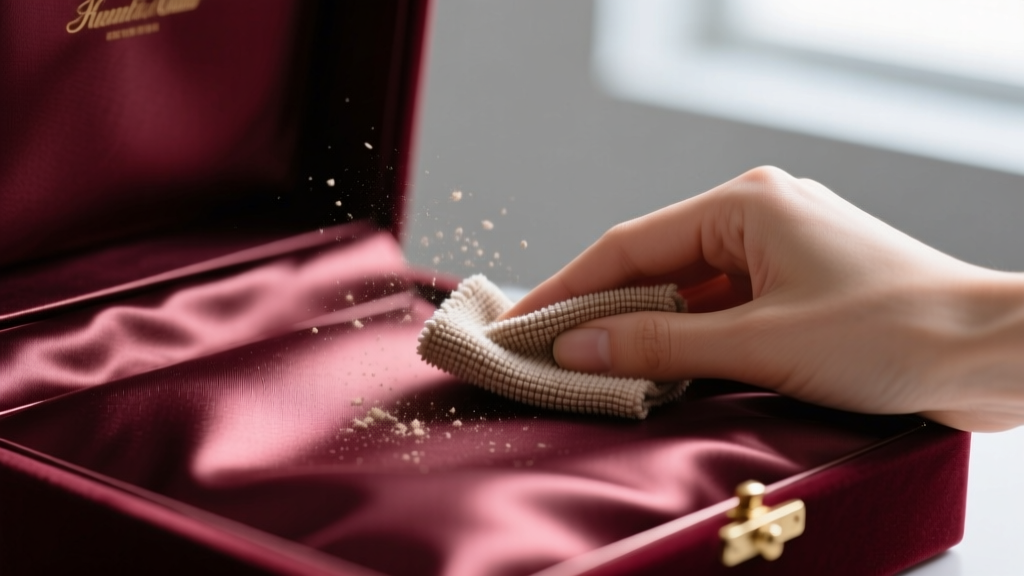
- For Velvet and Suede Linings: Use a clean, dry, ultra-soft makeup brush (like a goat-hair powder brush) to gently sweep the corners and seams. This lifts trapped dust and dead skin cells without crushing the pile of the fabric.
- For Silk and Satin Linings: Use a dry, lint-free microfiber cloth. Wipe in a single direction to avoid snagging the delicate fibers.
- Odor and Moisture Removal: If the box has been stored in a humid environment, leave it open in a climate-controlled room (ideally 40-50% humidity) for 24 hours. Do not place it in direct sunlight, which can fade the exterior wrap and warp the rigid cardboard core.
Step 2: The Pearl and Diamond Segregation Protocol
The most common mistake collectors make is storing all their Sophie Bille Brahe pieces together in the main compartment. SBB is renowned for collections like the Botticelli and Swan pearl necklaces, as well as the Croissant and Margin diamond rings. These materials have vastly different physical properties that dictate how they must be stored.
The Mohs scale of mineral hardness is your primary framework here. Diamonds sit at a 10, meaning they can and will scratch virtually any other material they touch. Freshwater pearls, however, sit at a fragile 2.5 to 4.5. If a diamond tennis bracelet is placed in the same unpartitioned velvet well as a pearl strand, the natural movement of the box will cause the diamonds to gouge the pearl nacre, permanently dulling the luster.
'Pearls are organic gems and require a certain amount of moisture to prevent them from drying out and cracking. Never store them in airtight plastic bags or extremely dry environments.'
— Gemological Institute of America (GIA)
Actionable Step: Dedicate the deepest, most padded compartment of your sophie bille brahe jewelry box exclusively to pearls. Keep diamonds in their original individual soft pouches or separate silk slots before placing them in the box. Gold pieces should be grouped together, but kept away from the diamond compartments.
Step 3: Implementing Climate Control and Anti-Tarnish
Even high-quality 14k and 18k gold alloys contain trace metals like copper and silver, which are prone to oxidation when exposed to sulfur in the air. While the velvet interior provides physical protection, it does not neutralize airborne contaminants.
To upgrade your box's internal climate, integrate anti-tarnish technology without altering the aesthetic or touching the jewelry directly. Cut a 3M Anti-Tarnish Strip into small, one-inch squares. Using a tiny dot of acid-free glue, adhere these squares to the underside of the box lid or the back walls of the interior compartments. This allows the strip to absorb corrosive gases in the enclosed air space without the chemical-treated paper ever making direct contact with your pearls or gold. Replace these strips every six months to maintain optimal efficacy.
Material-Specific Storage Matrix
Use the following matrix to dictate the exact placement of your pieces within the box's compartments.
| Material | Mohs Hardness | Storage Requirement | SBB Collection Example |
|---|---|---|---|
| Freshwater Pearl | 2.5 - 4.5 | Isolated, breathable, away from acids | Botticelli, Swan |
| 14k/18k Gold | 2.5 - 3.0 | Anti-tarnish lined, scratch-free | Croissant, Royale |
| Diamond | 10.0 | Individual soft pouches to prevent scratching | Margin, Tennis |
Step 4: Spatial Arrangement for Delicate Chains
Sophie Bille Brahe’s diamond tennis necklaces and delicate gold chain pieces are masterclasses in minimalist engineering, but their fine gauge wires (often under 1mm) are highly susceptible to micro-kinking and tangling. Tangled chains stored in a box often lead to broken links when the wearer attempts to pull them apart.
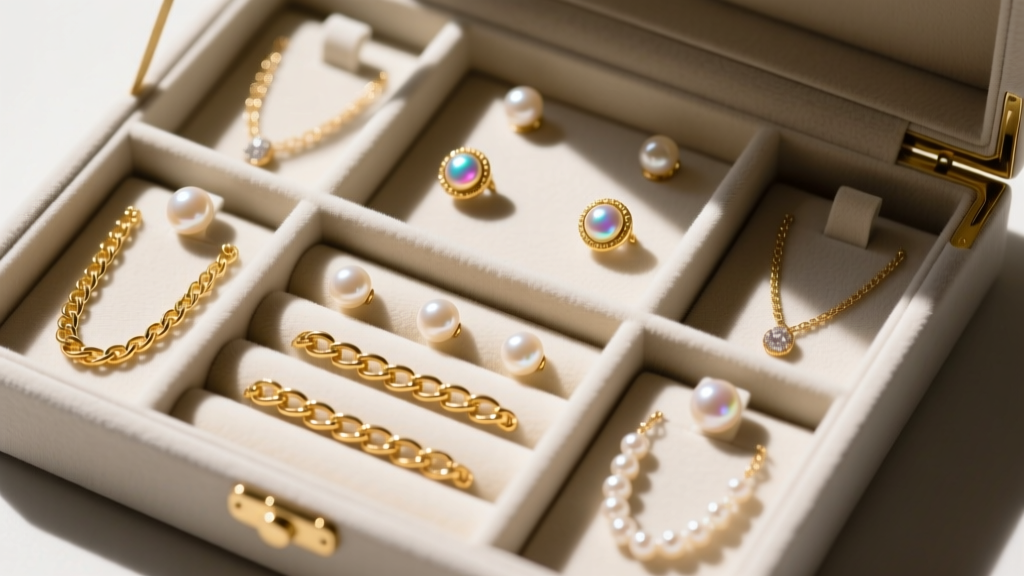
According to conservation guidelines from Jewelers of America, chains should never be stored in a coiled or bunched state. Instead, lay necklaces completely flat across the longest horizontal compartment of the box. If the box features elastic loops or silk straps, thread the clasp through the loop but leave the body of the chain resting flat on the velvet. For pieces with heavy pendants, such as the sculptural diamond drops, position the pendant in the center of the compartment to distribute the weight evenly and prevent the chain from pulling taut against the box's edges.
Step 5: Managing Earrings and Studs
Earrings require specific spatial awareness. Drop earrings, like the popular pearl and diamond cluster designs, should be stored with the posts facing upward or laid completely flat. Never store drop earrings with the heavy decorative element resting on top of the delicate post, as the sustained pressure can bend the gold wire over time. If your sophie bille brahe jewelry box includes a dedicated ring roll or small divided tray, repurpose these small squares for earring pairs to ensure the left and right pieces do not become separated or scratch one another.
Long-Term Maintenance and Rotation
Organizing your jewelry box is not a one-time event; it is an ongoing conservation practice. Every three months, remove all pieces from the box. Inspect the velvet lining for any signs of wear, pilling, or embedded debris. Wipe down your gold and diamond pieces with a clean, untreated jeweler's cloth before returning them to their designated zones. This removes the invisible layer of lotion, perfume, and skin oils that accumulate during wear, ensuring that the interior of your luxury box remains a pristine, protective sanctuary for your most treasured investments.


