Fixing a Dart Board Jewelry Holder: Earring Storage Troubleshooting
Is your dart board jewelry holder ruining earring posts? Learn how to troubleshoot sagging, material damage, and organization issues in this guide.

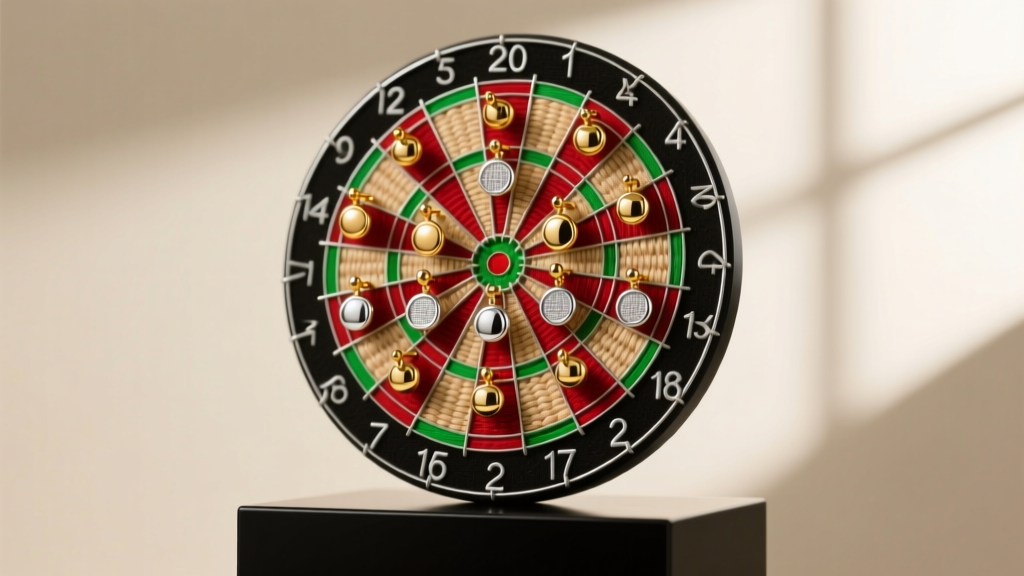
The Appeal and the Agony of Dart Board Earring Storage
The dart board jewelry holder has surged in popularity as a quirky, space-saving, and highly visual way to display earring collections. Mounted on a bedroom wall or propped on a vanity, these miniature targets offer a satisfying, tactile way to store studs and hoops. However, beneath the novelty lies a host of material and structural issues that can actively damage fine jewelry. As a jewelry organization specialist, I frequently see collectors ruin delicate gold posts, accelerate tarnishing, and degrade their storage mediums simply by misunderstanding the physical interaction between metal alloys and dart board fibers. This troubleshooting guide addresses the most common failures associated with dart board earring organizers and provides actionable, metallurgically sound solutions to protect your investment.
Troubleshooting Common Dart Board Holder Failures
Issue 1: Earring Posts Bending and Snapping
The most frequent complaint regarding a dart board jewelry holder is the bending of earring posts. Standard earring posts are typically manufactured in 20-gauge (0.81mm) or 18-gauge (1.02mm) wire. While these gauges are perfectly suited for piercing the human ear, they lack the structural rigidity to withstand the high insertion resistance of dense sisal fibers (Agave sisalana) or compressed cork. When you force a soft metal post—such as 24k gold (Mohs hardness 2.5-3) or fine silver—into a dry, unyielding dart board, the kinetic energy transfers directly into the thinnest point of the post, causing immediate buckling.
The Fix: Never force a post directly into a virgin sisal or cork board. Keep a hardened steel sewing needle (which is significantly thicker and harder than jewelry wire) nearby. Before inserting a delicate 20-gauge gold stud, pre-poke the target hole with the needle to part the fibers. Alternatively, if you own a commercial dart board holder, consider overlaying the surface with a 3mm sheet of high-density EVA foam, which offers zero insertion resistance while maintaining a firm grip on the earring back.
Issue 2: Heavy Statement Earrings Sagging
Gravity is the enemy of horizontal or angled storage. When you hang heavy statement earrings—such as large resin hoops or chandelier designs weighing over 15 grams—from the outer edges of a dart board, the concentrated weight slowly tears through the board's matrix. Over time, the holes enlarge, the earrings droop downward, and the posts eventually slip out entirely, leading to lost jewelry.
The Fix: Reserve the outer, lower-density rings of the dart board for lightweight studs (under 3 grams). For heavier pieces, utilize the bullseye and the inner ring. In traditional dart board manufacturing, the center core is often compressed more tightly or reinforced with a metal staple matrix to withstand high-impact steel-tip strikes. This inherent density provides superior shear strength to hold heavier jewelry without degrading the surrounding material.
Issue 3: Material Degradation and Tarnish Transfer
Not all dart boards are created equal, and the chemical composition of the board can wreak havoc on your jewelry. Cheap, composite cork boards often contain binding glues and natural tannins from the Quercus suber bark. When sterling silver (925) or copper-alloyed rose gold comes into prolonged contact with these tannins, especially in humid environments, it accelerates localized oxidation and dark tarnishing. Furthermore, the abrasive nature of dry sisal acts like fine-grit sandpaper, slowly wearing away the microscopic layer of rhodium plating on white gold or the gold vermeil layer on silver pieces.
According to the Gemological Institute of America (GIA), porous materials and harsh chemicals are primary culprits in jewelry degradation. To mitigate this, the Jewelers of America recommends storing precious metals in chemically inert environments. If you must use a natural fiber dart board, place 3M anti-tarnish strips in the immediate vicinity of the board to absorb ambient sulfur compounds, and limit the storage time of gold-plated pieces to prevent friction wear.
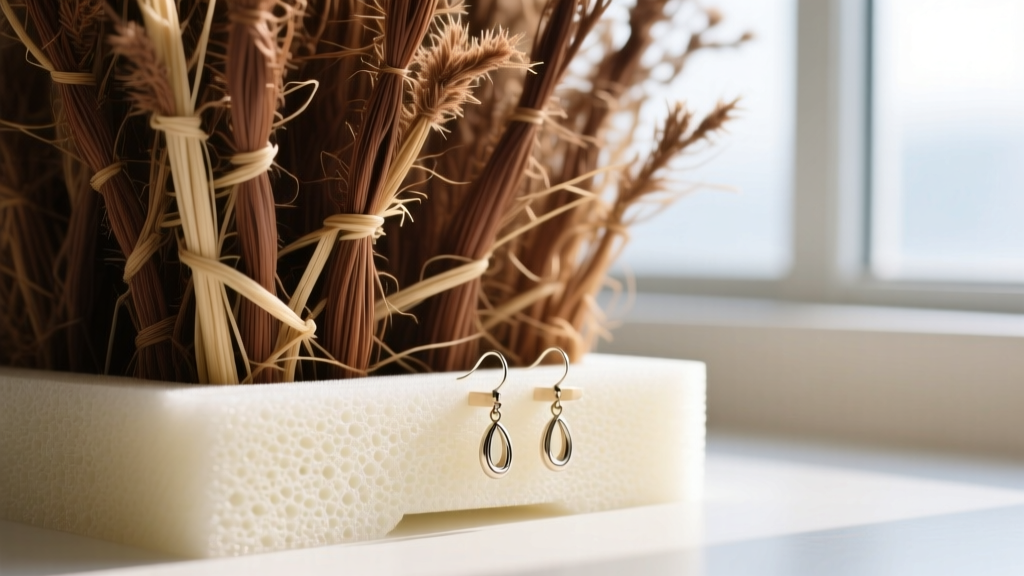
Material Breakdown: Sisal vs. Cork vs. EVA Foam
Choosing the right dart board jewelry holder requires understanding the physical properties of the target surface. Below is a comparative analysis of the three most common materials used in these organizers.
| Material | Density & Grip | Abrasiveness | Best Jewelry Type | Estimated Lifespan |
|---|---|---|---|---|
| Bristle / Sisal | High / Excellent | High (Scratches soft plating) | Titanium, Surgical Steel, Solid 14k Gold | 2-4 Years |
| Compressed Cork | Medium / Good | Medium (Can cause tarnish) | Stainless Steel, Platinum, Hoops | 1-2 Years |
| EVA Foam (Faux) | Low / Moderate | None (Chemically inert) | Fine Silver, 24k Gold, Delicate Plating | 5+ Years |
For collectors of high-end, easily scratched metals like high-karat gold or fine silver, an EVA foam dart board replica is vastly superior to traditional sisal, despite lacking the authentic 'dart board' texture. Foam provides a chemically stable, non-abrasive grip that will not bend 22-gauge or 20-gauge wires.
Step-by-Step Restoration and Reinforcement Guide
If your current dart board jewelry holder is already riddled with enlarged holes and frayed fibers, you do not necessarily need to throw it away. You can restore its structural integrity using a few jewelry-safe materials.
- Clean the Surface: Use a soft-bristled brush (like a clean makeup brush) to sweep away dust, skin cells, and loose fibers from the board's surface. Do not use water or liquid cleaners, as moisture will cause cork to warp and sisal to rot.
- Trim Frayed Fibers: Take a pair of sharp, flush-cutting jewelry snips and carefully trim any sisal fibers that are sticking up around heavily used holes. This prevents the fibers from catching on earring backs and pulling them loose.
- Fill Enlarged Holes: For holes that have lost their grip, mix a small batch of clear, non-yellowing, two-part epoxy (such as Loctite Clear Epoxy). Using a toothpick, carefully dab the epoxy into the enlarged hole. Allow it to cure for 24 hours. Once hardened, the epoxy creates a dense, synthetic plug that you can pierce anew with a needle, providing a permanent, high-friction anchor for your earring posts.
- Reinforce the Backing: If the board is bowing under the weight of heavy jewelry, remove it from the wall and apply a thin sheet of 1/8-inch acrylic or plywood to the back using strong adhesive strips. This distributes the shear weight across a rigid plane.
Alternative Configurations for Problematic Pieces
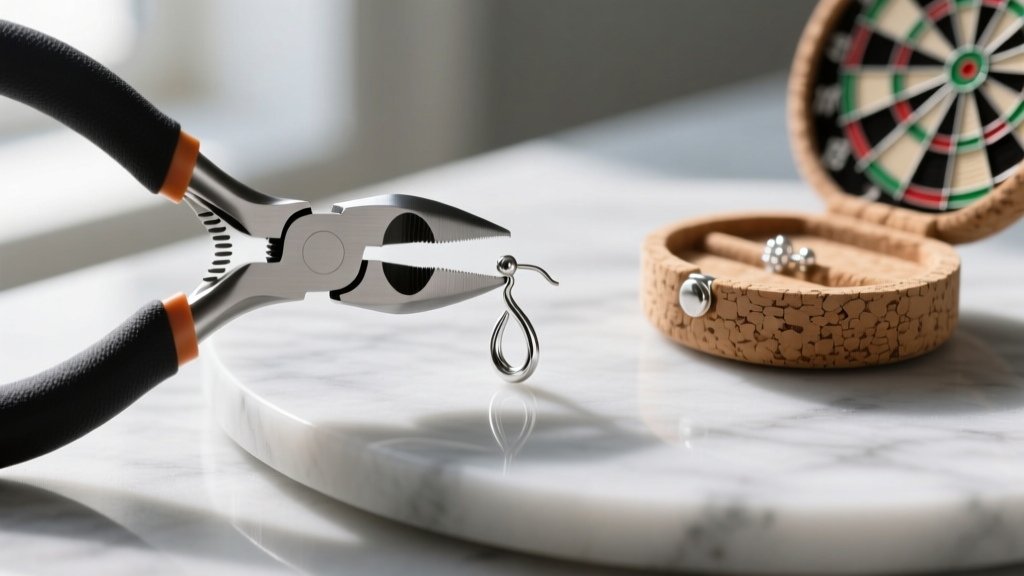
A dart board jewelry holder does not have to be used exclusively for piercing the surface. If you have earrings with highly ornate backs, screw-backs, or unusually thick 14-gauge posts that simply will not fit into the board without causing damage, utilize the board's peripheral hardware. Many miniature dart boards come with a metal surround ring or a hanging wire. You can use small, clear acrylic S-hooks to hang hoop earrings and drop earrings from the metal ring, reserving the actual board surface strictly for standard friction-back studs. This hybrid approach maximizes your storage capacity while eliminating the mechanical stress on both the jewelry and the board.
Final Verdict on Dart Board Storage
The dart board jewelry holder is a fantastic, space-efficient display piece, but it requires a mindful approach to material compatibility. By understanding the gauge thickness of your earring posts, recognizing the abrasive and chemical risks of natural sisal and cork, and employing simple pre-poking and restoration techniques, you can enjoy the aesthetic of a dart board organizer without sacrificing the integrity of your fine jewelry. Always match the storage medium to the metallurgical reality of your collection, and your pieces will remain pristine and ready to wear.


