Stained Glass Jewelry Box Buying Guide: What to Look For
Discover how to choose a high-quality stained glass jewelry box. Learn about copper foil construction, glass types, and anti-tarnish linings.

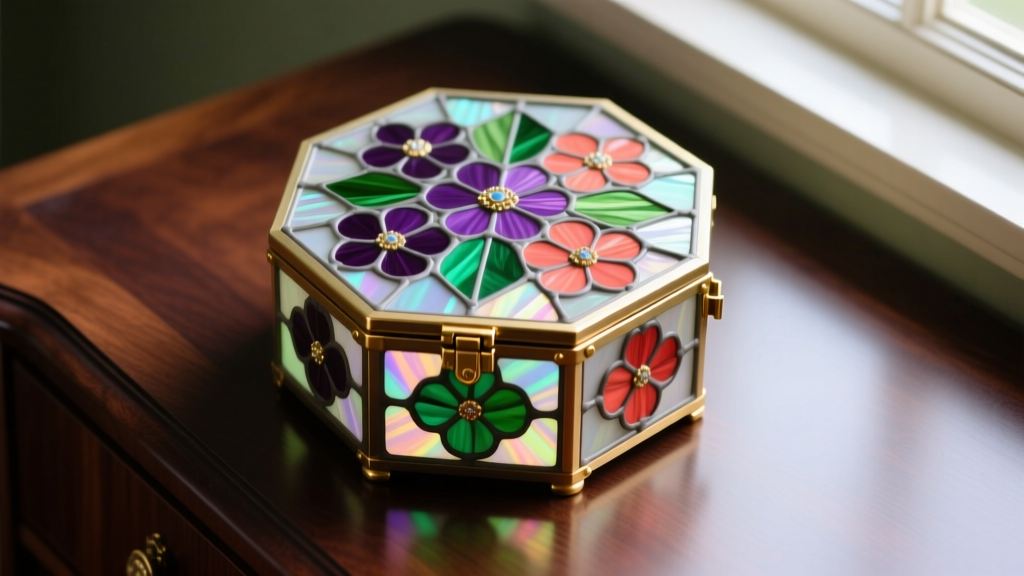
The Allure and Utility of Stained Glass Storage
A stained glass jewelry box is more than just a decorative accent; it is a functional, heirloom-quality storage solution that bridges the gap between fine art and everyday organization. Unlike lightweight acrylic or hollow wooden boxes, the inherent density of glass and solder provides a low center of gravity. This weight prevents the box from tipping or sliding across your vanity when you are untangling a stubborn necklace chain or pulling off a tight bracelet.
However, the market is flooded with mass-produced imitations that prioritize aesthetics over structural integrity and jewelry safety. As of 2026, strict consumer safety regulations have largely phased out traditional lead-based solders in mass-market decorative items, shifting the industry toward lead-free alloys and advanced patinas. Whether you are hunting for a vintage Tiffany-style piece or a modern artisan creation, understanding the anatomy of these boxes is crucial for making a sound investment.
Construction Methods: Copper Foil vs. Lead Came
The longevity of your jewelry box depends entirely on how the glass pieces are bound together. There are two primary techniques used in stained glass craftsmanship, but only one is suitable for small, three-dimensional objects like jewelry boxes.
The Copper Foil Technique (Tiffany Method)
Popularized by Louis Comfort Tiffany in the late 19th century, the copper foil technique involves wrapping the edges of each cut glass piece with a thin, adhesive-backed copper tape. The pieces are then fitted together and soldered. This method allows for intricate, curved, and three-dimensional designs, making it the gold standard for high-quality jewelry boxes. When inspecting a box, look for smooth, rounded solder beads (often called "beading") that completely encapsulate the copper foil without any sharp, jagged edges that could snag delicate silk threads or lace.
Lead Came Construction
Lead came uses H-shaped strips of lead to hold glass pieces together. While excellent for large, flat architectural windows, lead came is too bulky and rigid for the tight angles and small panels required in jewelry box construction. If you see a box advertised as "lead came," it is likely a mislabeled product or a poorly constructed novelty item that will easily rack and twist out of square over time.

Understanding Glass Types and Light Interaction
The glass used in these boxes dictates both their visual impact and their ability to protect light-sensitive gemstones. According to experts at Delphi Glass, stained glass generally falls into three categories, each with distinct properties for jewelry storage:
- Cathedral Glass: Transparent and vibrant, this glass allows maximum light transmission. While beautiful, it offers zero UV protection. If you store amethyst, kunzite, or dyed pearls in a cathedral glass box, keep it out of direct sunlight to prevent fading.
- Opalescent Glass: This glass contains milky, opaque elements that scatter light. It provides excellent UV blockage, making it the superior choice for storing light-sensitive organic gems and antique textiles.
- Dichroic and Art Glass: Often used as accent panels in premium artisan boxes, these glasses feature micro-layers of metal oxides that shift color depending on the viewing angle. They are highly durable but significantly drive up the price point.
Interior Linings: The Anti-Tarnish Imperative
The exterior of the box may be a work of art, but the interior is where your jewelry actually lives. The Gemological Institute of America (GIA) emphasizes that airborne pollutants and humidity are the primary culprits behind silver tarnish and copper oxidation. Unfortunately, many imported stained glass boxes are lined with cheap, synthetic felt that traps moisture and accelerates tarnishing.
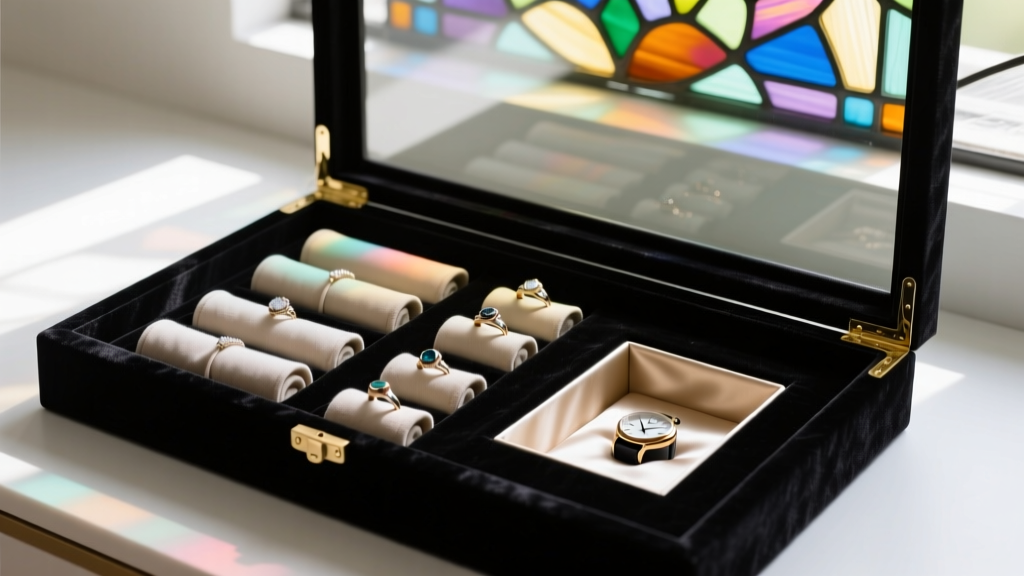
When evaluating a purchase, check the lining material. Premium boxes will feature 100% cotton velvet or specialized anti-tarnish fabrics (like Pacific Silvercloth) that absorb corrosive gases. If the box you love has a subpar lining, factor in the cost of purchasing anti-tarnish tabs or replacing the fabric yourself using acid-free jewelry box lining adhesive.
Pricing Tiers and Quality Expectations
To help you budget and set realistic expectations, here is a breakdown of the current market tiers for stained glass jewelry boxes:
| Tier | Price Range | Construction & Materials | Best For |
|---|---|---|---|
| Mass-Market Novelty | $30 - $60 | Thin glass, glue-assisted foil, synthetic felt, zinc alloy hinges. | Costume jewelry, decorative vanity accents. |
| Artisan / Studio Crafted | $120 - $350 | Thick opalescent glass, lead-free solder beading, velvet lining, solid brass hinges. | Fine jewelry, daily wear pieces, heirloom storage. |
| Vintage / Antique Tiffany | $800 - $3,000+ | Historic 60/40 solder, original patina, bronze or brass hardware, museum-quality glass. | Collectors, investment pieces, museum display. |
Hardware and Hinge Inspection
Because stained glass is heavy, the hardware bears a tremendous amount of stress every time you open the lid. Cheap pot-metal hinges will warp, causing the lid to sit crookedly and eventually cracking the glass panels near the stress points. Always look for solid brass or stainless steel piano hinges and butt hinges. The screws should be flush-mounted and securely anchored into the solder matrix or a reinforced wooden base frame. If the box features a clasp, ensure it is a mechanical magnetic catch or a solid brass latch, rather than a flimsy hook-and-eye closure that can easily bend.
Red Flags to Avoid When Shopping
Protect your investment and your jewelry by walking away from any piece that exhibits the following warning signs:
- Exposed Adhesive: If you see cloudy glue seeping out from under the copper foil or along the glass seams, the structural integrity is compromised. Solder should do 100% of the bonding work.
- Chalky White Oxidation: While a dark patina is intentional, a chalky white residue indicates that the box was not properly neutralized after the flux was applied during soldering. This residual acid will eventually eat through the solder and tarnish your jewelry.
- Plastic "Glass": Tap the panels lightly with your fingernail. Acrylic or resin panels will emit a dull thud and scratch easily, whereas real glass will produce a sharp, high-pitched click.
- Wobbly Base: The box must sit perfectly flat. A warped base will cause the entire structure to rack, leading to micro-fractures in the glass over time.
Care and Maintenance for Longevity
Maintaining a stained glass jewelry box requires a different approach than cleaning standard glassware. Never use ammonia-based window cleaners, as ammonia will aggressively strip the chemical patina (the black or copper finish applied to the solder lines) and leave you with dull, silver-colored seams. Instead, use a damp microfiber cloth with a mild, pH-neutral dish soap to gently wipe the glass panels. Dry immediately with a lint-free towel to prevent water spots. Once a year, apply a thin coat of carnauba wax or a specialized stained glass polishing compound to the solder lines to seal them against humidity and restore their luster.


