How to Store Your Jewelry: A Guide to Storage Materials & Tarnish
Learn how to store your jewelry safely by comparing storage materials. Discover which fabrics, woods, and plastics prevent tarnish and protect gems.

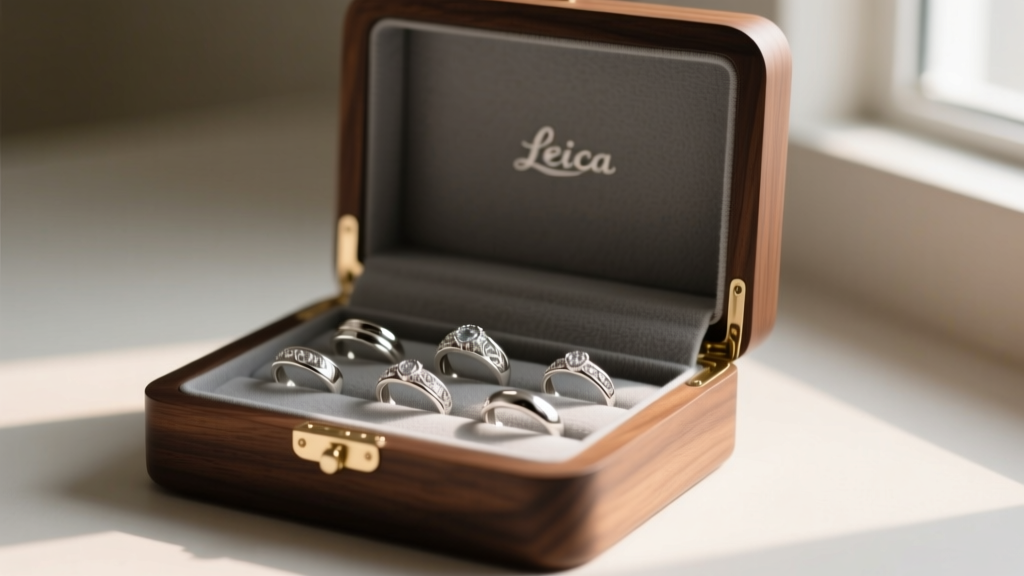
Learning how to store your jewelry properly requires looking far beyond simple organization and untangling chains. True jewelry preservation is an exercise in managing micro-climates, mitigating chemical off-gassing, and understanding the material science of the storage containers themselves. The very box or pouch you use to protect your precious metals and gemstones could be the primary catalyst for their degradation. In 2026, with the rise of mixed-material artisan jewelry and lab-grown gems featuring unique structural vulnerabilities, understanding the chemical properties of storage materials is a non-negotiable aspect of collection maintenance.
The Chemistry of Tarnish: Why Storage Materials Matter
When evaluating how to store your jewelry, we must first address the primary enemy of precious metals: atmospheric sulfur. Tarnish on sterling silver (which is 92.5% silver and 7.5% copper) is primarily silver sulfide (Ag2S). This reaction is triggered by hydrogen sulfide (H2S) and carbonyl sulfide (COS) present in ambient air, household paints, and even certain building materials. According to the Canadian Conservation Institute, the rate of tarnishing accelerates exponentially when relative humidity (RH) exceeds 50%. Therefore, your storage vessel must either act as an impermeable barrier to sulfur-laden moisture or actively neutralize the gases before they reach the metal surface.
Fabric Linings: Pacific Cloth vs. Standard Flannel
The interior lining of your jewelry box is the most critical point of contact. Standard cotton flannel or untreated felt is highly breathable, which sounds beneficial but actually offers zero chemical protection. Worse, if these fabrics are washed with sulfur-based detergents, optical brighteners, or fabric softeners, they can actively accelerate tarnishing through direct chemical transfer.
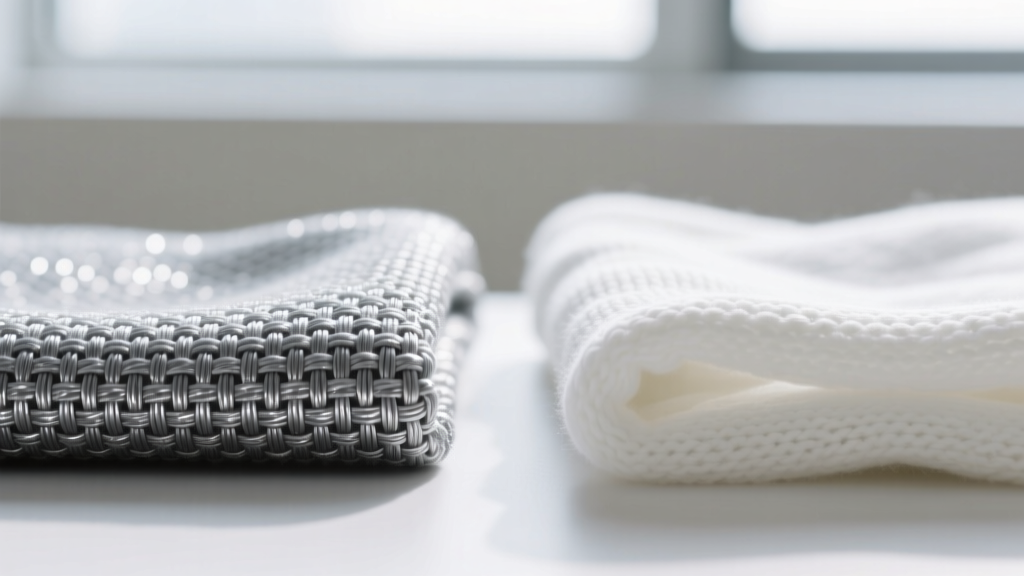
For serious collectors, anti-tarnish fabrics like Pacific Silvercloth are the industry standard. These specialized textiles are impregnated with microscopic silver particles or zinc/copper compounds. They function via a process called 'sacrificial tarnishing.' The embedded metals react with ambient sulfur gases preferentially, effectively neutralizing the corrosive elements before they can reach your actual jewelry. When utilizing these fabrics, it is vital to ensure the box is relatively airtight; if the box is left open in a high-sulfur environment (like a kitchen or near a fireplace), the sacrificial particles in the cloth will be exhausted in a matter of weeks rather than years.
Wood Types to Avoid (and Embrace) in Jewelry Boxes
Wood is a classic choice for jewelry armoires, but raw or improperly sealed wood is a hidden hazard. Many vintage or mass-produced wooden boxes are constructed from oak, cedar, or plywood. Oak naturally emits acetic acid vapors as it ages. Cedar emits volatile organic compounds (VOCs) and aromatic oils. Plywood and MDF off-gas formaldehyde from their adhesive binders. These acidic vapors can cause 'bronze disease' on copper alloys, etch soft porous stones like malachite, turquoise, and lapis lazuli, and degrade the structural integrity of organic gems.
Safe wood alternatives include mahogany, walnut, and maple, but only if they are properly sealed. To safely store jewelry in wooden boxes, the interior wood must be sealed with a water-based polyurethane, acrylic lacquer, or specialized museum-grade barrier foil to trap natural wood acids. Museums utilize the 'Oddy test' to evaluate storage materials, placing silver, copper, and lead coupons in sealed jars with the test material to check for corrosive off-gassing over 28 days. While you cannot perform an Oddy test at home, buying from manufacturers who explicitly state their wood finishes are acid-free and fully cured is essential.
Plastics and Polymers: The Hidden Dangers of PVC
Clear plastic organizers are incredibly popular for their visibility and stackability, but the specific polymer grade dictates whether they will preserve or destroy your collection. Polyvinyl Chloride (PVC) is notoriously unstable. Over time, PVC releases hydrogen chloride gas and plasticizers (phthalates) that create a sticky, highly corrosive film on silver and gold. This film is incredibly difficult to remove without aggressive polishing, which strips microscopic layers of precious metal.
| Material | Chemical Stability | Off-Gassing Risks | Verdict |
|---|---|---|---|
| PVC (Polyvinyl Chloride) | Poor | Hydrogen chloride, phthalates | Avoid Completely |
| PET (Polyethylene Terephthalate) | Excellent | None under normal conditions | Highly Recommended |
| PP (Polypropylene) | Very Good | Minimal VOCs when new | Safe / Recommended |
| PS (Polystyrene) | Fair | Styrene monomers over time | Use with Caution |
When purchasing clear acrylic or plastic organizers, look specifically for PET, Polypropylene (PP), or high-grade cast acrylic (PMMA). These polymers are chemically inert and will not react with precious metals or gemstones.
Leather and Suede: pH Levels and Acid Migration
Leather travel rolls and suede pouches exude luxury, but they pose significant chemical risks. Leather is inherently acidic. The tanning process dictates its chemical footprint. Chrome-tanned leather, which accounts for the vast majority of commercial leather goods, contains residual sulfur compounds, heavy metals, and high acidity. If jewelry rests directly against chrome-tanned leather, acid migration occurs, leading to localized pitting on gold alloys and rapid tarnishing of silver.
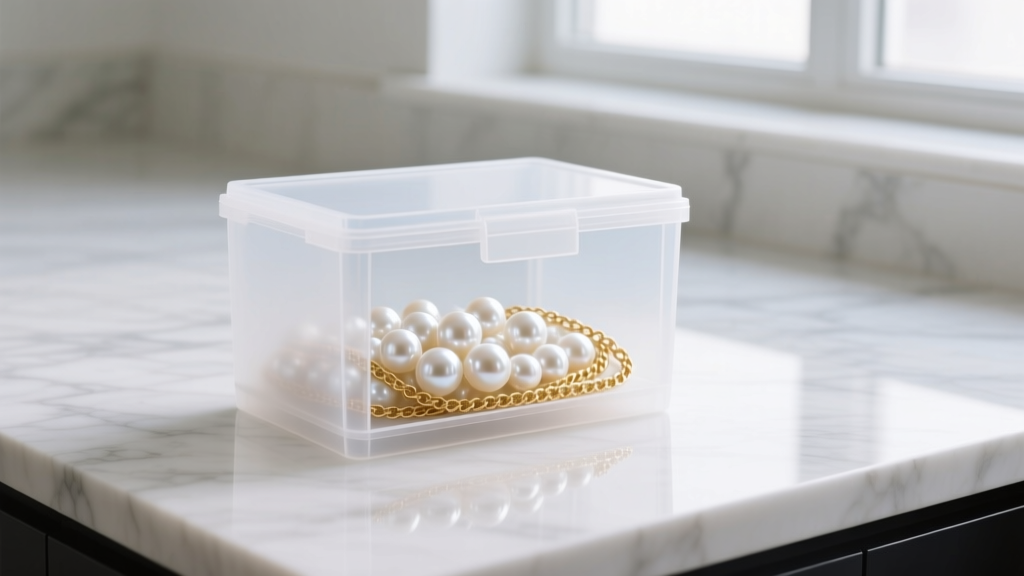
Vegetable-tanned leather is slightly safer but still acidic. If you must use leather travel cases, ensure the interior is lined with an inert barrier like acid-free tissue paper, unbleached cotton, or a PET film. According to the Gemological Institute of America (GIA), organic gems like pearls and coral are exceptionally sensitive to acids; even the mild acidity of human sweat can damage nacre, making direct contact with acidic leather pouches a guaranteed way to ruin a pearl strand's luster.
Actionable Framework: Matching Storage to Metal and Gem Type
To master how to store your jewelry effectively, apply this material-matching framework based on the specific vulnerabilities of your pieces:
- Sterling Silver & Copper Alloys: Require an airtight environment combined with sacrificial anti-tarnish cloth (Pacific cloth) and silica gel packets to maintain an RH below 40%. Never store in oak or PVC.
- Gold & Platinum: Chemically stable but physically soft. Store in acid-free, lint-free cotton or PET plastic compartments. Keep separate from diamonds, which rank a 10 on the Mohs hardness scale and will easily scratch gold (Mohs 2.5-3) and platinum (Mohs 4-4.5).
- Pearls, Opals, & Amber: These organics require moisture. Airtight plastic containers will cause pearls to craze and opals to crack due to dehydration. Store them in breathable, unbleached cotton pouches in a room with stable humidity (45-55% RH), completely isolated from metal polishes or acidic leathers.
- High-End Gemstones (Emeralds, Rubies, Sapphires): Emeralds are often fracture-filled with oils or resins. Store them in soft, individual flannel slots away from heat sources and direct sunlight, which can dry out the fillers and cause internal fracturing.
By treating your storage containers as active participants in the preservation process rather than passive receptacles, you ensure your collection remains pristine. For further reading on museum-grade preservation techniques, the Smithsonian Institution offers extensive guidelines on the long-term care of silver and mixed-metal artifacts, reinforcing that the right storage environment is the ultimate insurance policy for your jewelry.


