Rose Bear Jewelry Box Buying Guide: What to Look For
Discover what to look for in a rose bear jewelry box. Compare PE foam vs soap roses, base materials, and anti-tarnish linings in our expert guide.

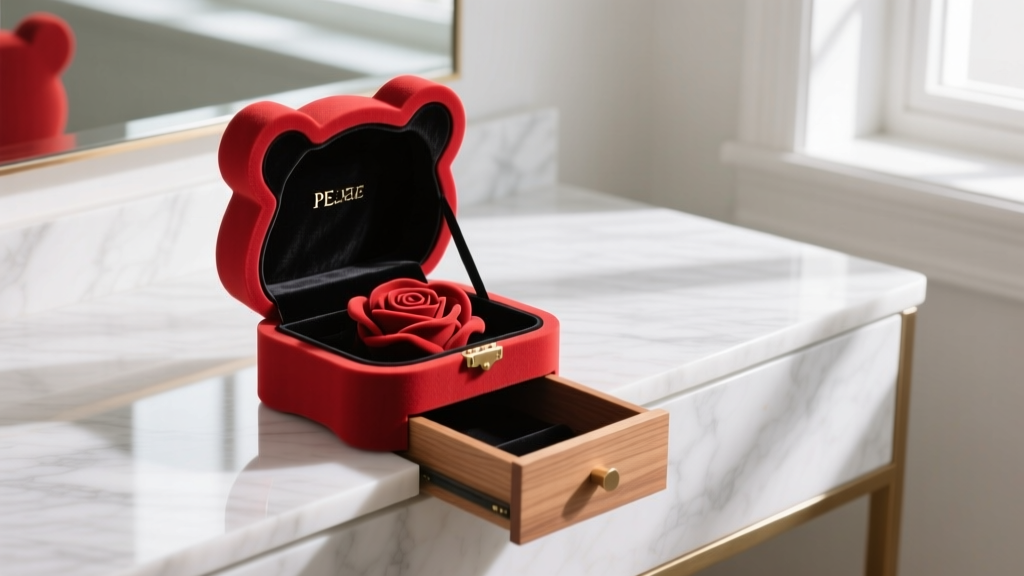
The Evolution of the Rose Bear: From Novelty to Functional Storage
The "rose bear jewelry box" has evolved from a fleeting social media novelty into a staple of romantic gifting and desktop jewelry organization. As we navigate the 2026 market, the disparity in manufacturing quality has never been wider. Walk into a boutique or browse online, and you will find bears ranging from $15 to $150. To the untrained eye, they look identical. To a jewelry preservationist, the differences in material science, structural integrity, and interior microclimates are staggering. A poorly constructed bear can actually accelerate the tarnishing of your precious metals, while a well-engineered one provides a secure, anti-tarnish haven. This comprehensive buying guide dissects exactly what to look for, ensuring your investment protects your collection rather than damaging it.
Material Science: The Roses Themselves
The most critical differentiator in any rose bear is the material used for the artificial flora. The market is currently dominated by two distinct materials: High-Density PE (Polyethylene) Foam and Soap/Glycerin-based Polyurethane (PU). Understanding the difference is vital for longevity and dust prevention.
High-Density PE Foam (The Premium Standard)
Top-tier rose bears utilize cross-linked PE foam. This material is engineered to resist UV degradation, meaning the vibrant reds, pinks, or blues will not fade when placed on a sunlit vanity. More importantly, PE foam is non-porous and dust-resistant. When you perform the "squeeze and release" test on a PE foam rose, it should immediately bounce back to its original shape without creasing. These roses are typically attached using water-based acrylic adhesives, which cure clear and do not off-gas harmful sulfur compounds that could tarnish the jewelry stored inside the base.
Soap and Glycerin-Based PU (The Budget Trap)
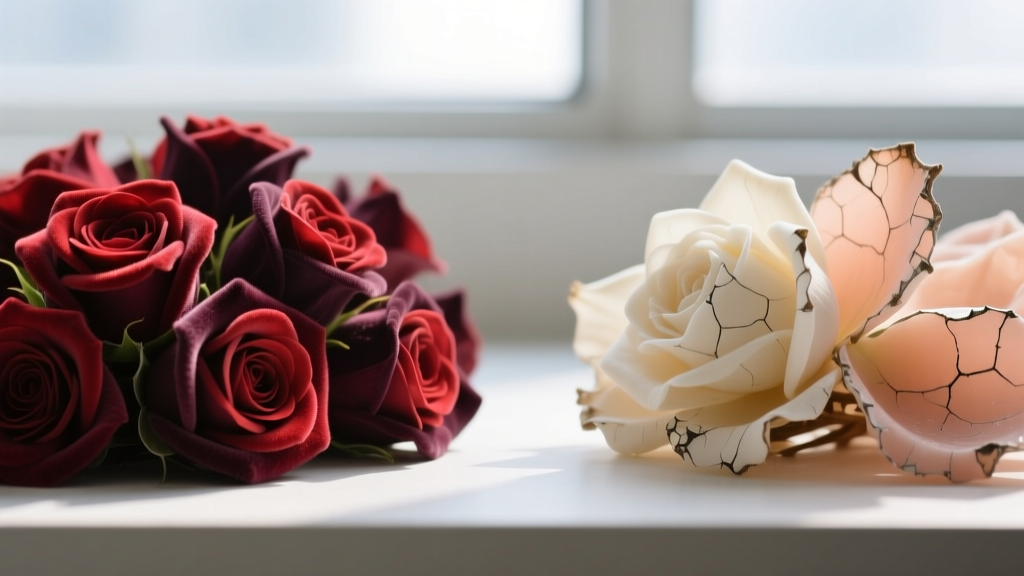
Cheaper alternatives often use soap or glycerin-infused PU. While they may look glossy and realistic in product photos, they suffer from a chemical breakdown process known as efflorescence. Over time, the glycerin leaches out, leaving a white, powdery residue that sheds directly into the jewelry drawer. Furthermore, these materials are highly hygroscopic—they absorb ambient humidity, creating a damp microclimate around the hidden compartment that is disastrous for oxidizable metals.
Structural Integrity: What Lies Beneath the Roses?
A rose bear is only as functional as its core. The sheer volume of synthetic roses adds significant weight (often between 1.5 to 3.5 lbs for a standard 12-inch bear). The internal armature and the base drawer must support this weight without warping. Below is a comparison of the three primary core materials used in 2026.
| Core Material | Weight Capacity | Humidity Resistance | Common Failure Mode | Price Tier |
|---|---|---|---|---|
| Corrugated Cardboard | Low (Bears sag over time) | Poor (Absorbs moisture) | Drawer jamming due to warped tracks | Budget ($15 - $30) |
| MDF (Medium-Density Fiberboard) | High (Excellent stability) | Moderate (Swells if soaked) | Veneer peeling at the drawer seams | Mid-Range ($35 - $65) |
| Solid Pine / Basswood | Very High (Heirloom quality) | High (Naturally resilient) | Wood grain expansion in extreme heat | Premium ($70 - $120+) |
For any jewelry box intended to hold heavy items like silver chain necklaces or gemstone cocktail rings, MDF or solid wood is mandatory. Cardboard cores simply cannot maintain the precise tolerances required for a smooth-gliding drawer over multiple years of use.
Interior Microclimates and Anti-Tarnish Linings
This is where the vast majority of novelty jewelry boxes fail. The interior lining is not just about aesthetics; it is a chemical barrier. Silver, copper, and brass react with hydrogen sulfide in the air to form silver sulfide (tarnish). According to The Silver Institute, storing silver in untreated, acidic, or moisture-trapping environments accelerates this reaction exponentially.
Expert Insight: Never store sterling silver in a box lined with standard, untreated polyester velvet or raw cardboard. These materials trap ambient moisture and often contain trace sulfur from the manufacturing dyes. Always look for anti-tarnish treated flannel or microsuede linings.
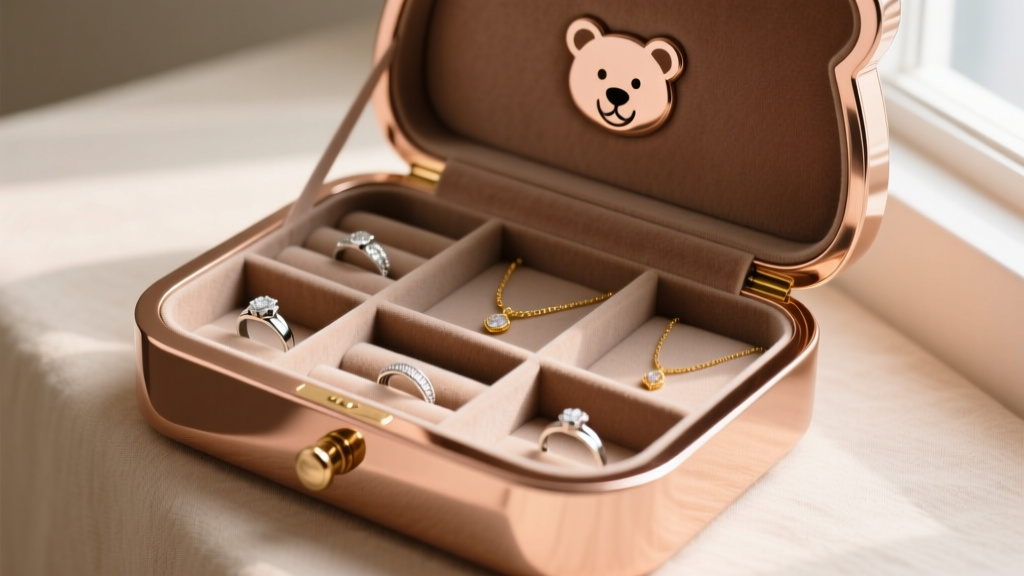
Premium rose bear jewelry boxes utilize Pacific Silvercloth equivalents or zinc-impregnated microsuede. These linings actively absorb and neutralize corrosive gases before they can reach your jewelry. Additionally, the Gemological Institute of America (GIA) recommends storing gemstone jewelry in soft, individual compartments to prevent harder stones (like diamonds or sapphires) from scratching softer metals and pearls. A high-quality rose bear drawer will feature modular, flocked dividers rather than a single, open cavern.
Drawer Mechanics and Hardware
The drawer mechanism dictates the daily user experience. Budget models rely on a "wood-on-wood" or "cardboard-on-cardboard" friction slide. These quickly degrade, resulting in a drawer that sticks, squeaks, or completely derails when pulled past its center of gravity.
When evaluating a rose bear jewelry box, look for the following hardware specifications:
- Side-Mounted Glides: Even basic plastic or wooden dowel glides significantly improve tracking and prevent the drawer from tipping forward when fully extended.
- Felt-Padded Drawer Stops: A small piece of felt at the back of the drawer cavity ensures a soft, silent close, preventing the jarring impact that can tangle delicate chains inside the compartment.
- Recessed Pulls vs. Ribbon Pulls: While ribbon pulls look romantic, they often fray and collect hand oils. Recessed finger scoops carved into the MDF or wood base offer a cleaner, more durable opening mechanism.
Sizing and Compartment Configuration
Rose bears generally come in two standard sizes, each serving a different organizational purpose:
The 10-Inch Desktop Bear
Ideal for daily wearables. The base drawer typically measures 4 x 4 x 2 inches. This is sufficient for 3-4 rings, a pair of stud earrings, and a single delicate chain. It is designed to sit on a nightstand or vanity without dominating the space.
The 16-Inch Statement Bear
Designed for serious collectors or as a grand romantic gesture. The base is substantially wider, often featuring a two-tier drawer system or a deep, single drawer with adjustable dividers. A 16-inch bear can comfortably house 20+ pieces of jewelry, including bulky bangles and long opera-length necklaces. However, ensure your vanity has the vertical clearance to accommodate the bear's height plus the space needed to pull the drawer open.
2026 Pricing Tiers and Value Matrix
To ensure you are getting a fair deal, use this pricing matrix as a benchmark when shopping. If a seller is charging premium prices for cardboard construction, walk away.
- $15 - $30 (The Impulse Buy): Expect soap-based roses, a corrugated cardboard core, and untreated polyester velvet lining. Suitable only for fashion jewelry or short-term novelty gifting. Do not store fine silver or gold here.
- $35 - $65 (The Sweet Spot): You should receive high-density PE foam roses, an MDF wood base with basic wooden glides, and a lightly treated flannel interior. This is the best value for everyday jewelry storage.
- $70 - $120+ (The Heirloom Tier): Features artisan-arranged PE roses, a solid pine or bamboo base with metal drawer glides, premium anti-tarnish microsuede, and modular compartment dividers. Often includes a locking mechanism for the drawer.
Final Verdict and Care Instructions
A rose bear jewelry box is a brilliant fusion of sentimentality and utility, provided you look past the superficial floral exterior and scrutinize the engineering beneath. Prioritize PE foam roses, an MDF or solid wood core, and an anti-tarnish interior lining. To maintain your bear, dust it monthly using a hair dryer on the "cool" setting to blow debris out from between the petals, and keep it out of direct, prolonged sunlight to maximize the lifespan of the synthetic dyes. By choosing quality materials, your rose bear will remain a beautiful, functional guardian of your most cherished accessories for years to come.


