How to Clean and Maintain Your Jewelry Box Wall Mount
Learn expert care, cleaning, and maintenance tips for your jewelry box wall mount. Protect hardware, prevent tarnish, and clean acrylic or wood frames.

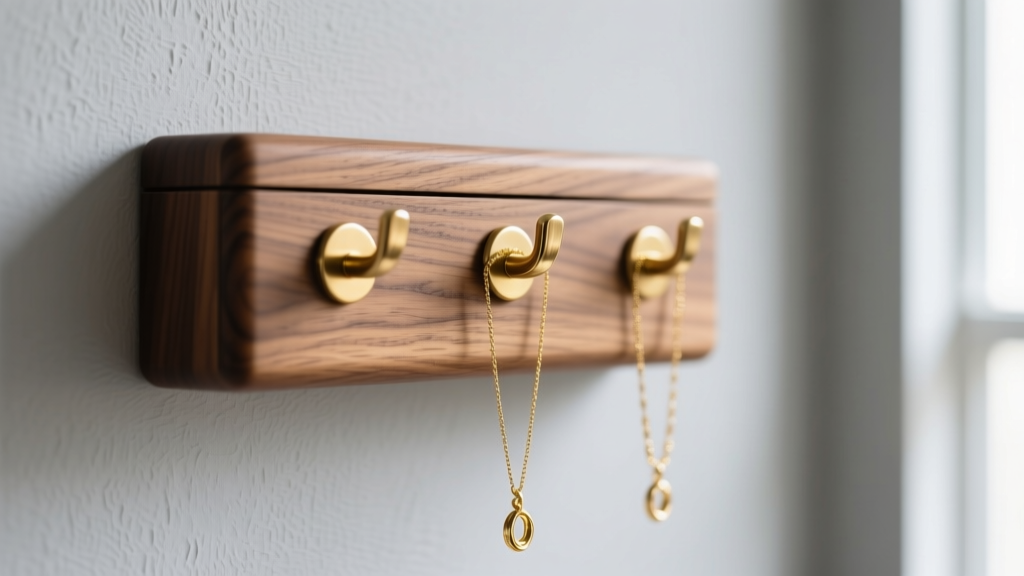
Wall-mounted jewelry organizers are a space-saving revelation, transforming blank wall space into a functional, gallery-like display. However, suspending your collection introduces unique maintenance challenges that traditional tabletop valets or drawer organizers simply do not face. Gravity, vertical dust accumulation, and structural stress on drywall anchors require a specialized care regimen. If neglected, a wall mount can suffer from material degradation, hardware fatigue, and ultimately, catastrophic failure that risks your valuable pieces.
This comprehensive guide details the exact protocols for cleaning, maintaining, and troubleshooting your jewelry box wall mount, ensuring it remains a secure and pristine environment for your collection.
The Physics of Vertical Storage and Hidden Risks
Unlike a jewelry box resting on a dresser, a wall-mounted unit is subject to dynamic loading. Every time you open a door, pull a drawer, or unhook a heavy statement necklace, you apply kinetic force to the mounting brackets and drywall anchors. Over time, this micro-movement can widen the anchor holes in your wall. Furthermore, vertical surfaces interact differently with ambient room conditions. Dust settles on horizontal shelves, but static electricity on acrylic and glass doors attracts airborne particulates, requiring specific cleaning techniques to avoid micro-scratches.
Pro Tip: Never hang a wall-mounted jewelry organizer on a wall that receives direct, prolonged sunlight. UV exposure will rapidly fade velvet linings and cause structural warping in MDF (Medium-Density Fiberboard) frames.
Material-Specific Cleaning Protocols
The exterior and interior materials of your wall mount dictate your cleaning approach. Using the wrong chemical can cause irreversible damage, such as clouding acrylic or stripping wood finishes.
Solid Wood and MDF Frames
Wood frames require nourishment to prevent drying and cracking, especially in climate-controlled rooms with low humidity. Avoid silicone-based sprays like Pledge, which create a temporary shine but build up a sticky residue that attracts dust and degrades the finish over time.
- Cleaning: Use a slightly damp microfiber cloth to remove surface dust. For grime, use a pH-neutral wood soap.
- Conditioning: Apply a carnauba-based wax, such as Howard Feed-N-Wax, every six months. This seals the wood grain and protects against ambient moisture.
Acrylic and Glass Enclosures
Many modern wall mounts feature cast acrylic doors for a sleek, contemporary look. Acrylic is highly susceptible to crazing (micro-fractures) and clouding when exposed to ammonia or alcohol.
- The Golden Rule: Never use Windex or standard glass cleaners on acrylic.
- Proper Technique: Use a dedicated plastic cleaner like Novus 1 Clean & Shine paired with a premium lint-free microfiber towel. Spray the cleaner onto the cloth, not the acrylic, to prevent liquid from seeping into the hinges.
Velvet and Felt Linings
Velvet linings protect your jewelry from scratches, but their dense pile traps dead skin cells, perfume oils, and dust. When these organic materials accumulate, they accelerate the tarnishing of silver and gold alloys.
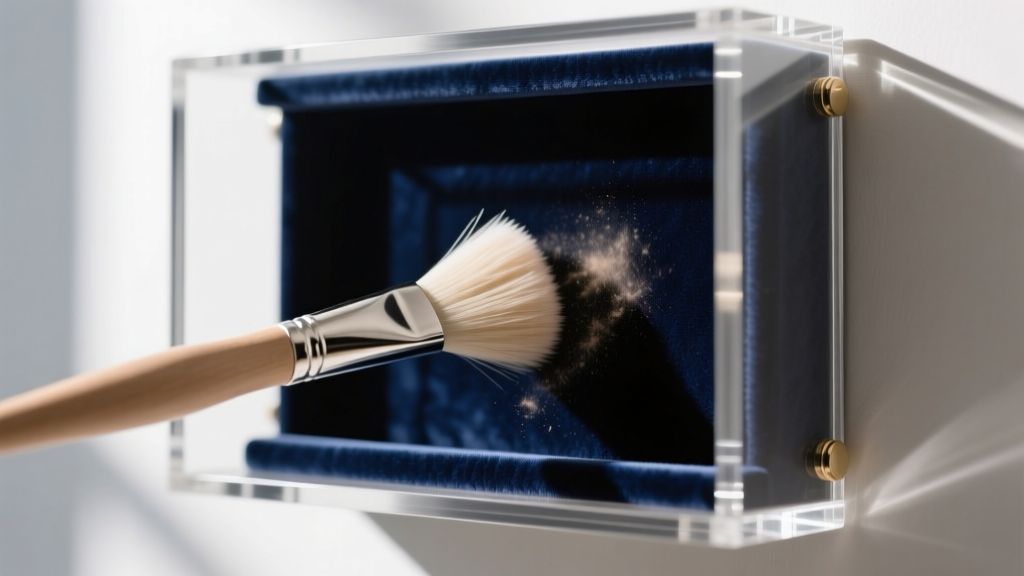
- Dusting: Use a soft-bristled makeup brush or a micro-vacuum attachment to gently lift dust from the pile. Never use a stiff lint roller, which can crush the velvet fibers and leave adhesive residue.
- Spot Cleaning: For oil stains, apply a small amount of cornstarch, let it sit for 12 hours to absorb the oil, and gently brush it away.
Hardware and Anchor Maintenance Checklist
The most critical maintenance task for a jewelry box wall mount is inspecting the structural hardware. A fully loaded organizer can easily weigh between 15 and 30 pounds. According to home improvement experts at Bob Vila, choosing and maintaining the correct drywall anchor is essential for preventing wall tear-out.
| Anchor Type | Weight Capacity | Maintenance & Inspection Tips |
|---|---|---|
| Plastic Expansion Anchors | 10 - 25 lbs | Check quarterly for pulling. Replace immediately if the screw head is no longer flush with the bracket. |
| Threaded Drywall Anchors | 20 - 50 lbs | Inspect the drywall around the threads for crumbling. Avoid over-tightening, which strips the gypsum. |
| Toggle Bolts (Snaptoggles) | 50 - 100+ lbs | The gold standard for heavy mounts. Ensure the metal channel remains flat against the back of the drywall. |
Dynamic Stress Test: Every three months, place your hands on the bottom corners of the mounted box and apply gentle downward and outward pressure. If you hear cracking from the drywall or notice the brackets shifting, remove the jewelry immediately and re-mount using toggle bolts into the wall studs.
Tarnish Prevention in Vertical Storage
Airflow patterns around wall-mounted units differ from enclosed drawers. Vertical displays often expose pieces to greater air circulation, which can accelerate oxidation if your home's humidity fluctuates. The Gemological Institute of America (GIA) notes that environmental factors are the primary catalyst for gemstone and metal degradation.
To combat this in a wall-mounted environment:
- Anti-Tarnish Strips: Adhere 3M Anti-Tarnish strips to the upper inside corners of the cabinet. These strips absorb sulfur gases in the air, which are the primary cause of silver sulfide (tarnish). Replace them every six months.
- Silica Gel Packets: If your wall mount is in a bathroom or high-humidity area, hide small silica gel desiccant packets behind the velvet lining or in the bottom storage tray to control localized moisture.
- Pacific Silvercloth: For open-concept wall mounts without doors, line the back panel with Pacific Silvercloth. This specialized fabric is embedded with microscopic silver particles that tarnish in place of your actual jewelry, effectively acting as a sacrificial shield.
The Ultimate Maintenance Schedule
To keep your jewelry box wall mount in peak condition, adopt this structured care routine. Consistency prevents minor issues from becoming catastrophic failures.
Weekly Tasks
- Wipe down the exterior acrylic or glass with a dry microfiber cloth to remove static-clung dust.
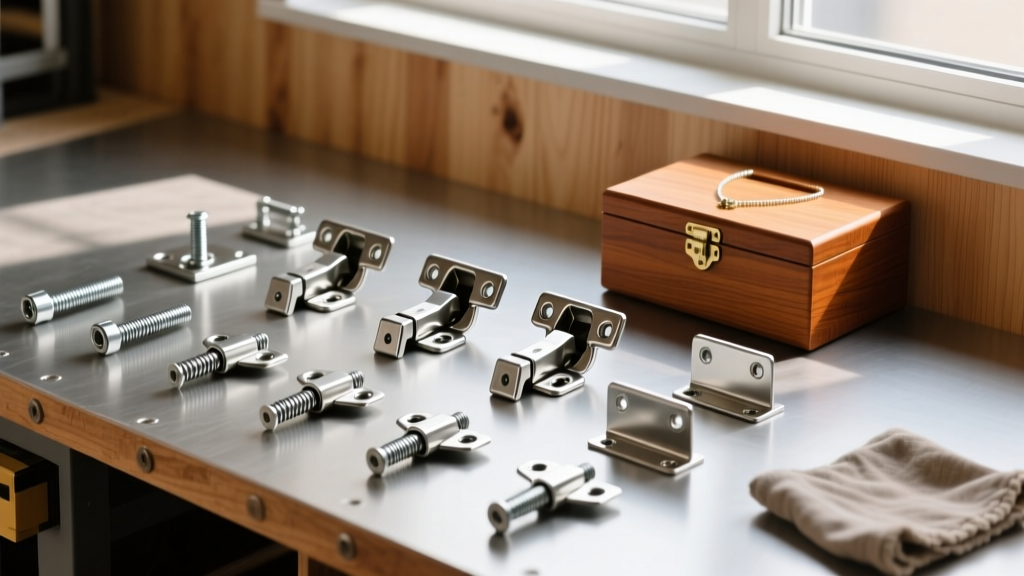
- Inspect the hinges and door pulls for looseness; tighten set screws with a precision jeweler's screwdriver if necessary.
Monthly Tasks
- Gently brush the velvet interior linings to remove trapped skin cells and dust.
- Rotate the placement of your most-worn pieces to prevent uneven fading of the velvet backing from ambient light exposure.
- Check the wall anchors for any visible gaps between the mounting bracket and the drywall.
Bi-Annual Tasks
- Condition wood frames with carnauba wax.
- Replace 3M anti-tarnish strips and silica gel desiccants.
- Perform the dynamic stress test on the wall anchors.
- Deep clean the jewelry pieces themselves before returning them to the freshly maintained organizer, following guidelines from Architectural Digest to ensure you aren't transferring oils back onto the clean velvet.
Troubleshooting Common Wall Mount Failures
Even with meticulous care, issues can arise. Here is how to address the most common wall mount problems:
Problem: The door hinges are sagging, causing the acrylic door to scrape the bottom frame.
Solution: This is usually caused by the weight of heavy necklaces hung on the door's interior hooks. Redistribute the weight by moving heavier statement pieces to the main back-panel hooks. Tighten the hinge screws; if the screw holes are stripped, fill them with a wooden toothpick and wood glue, let it dry, and re-drive the screw.
Problem: The velvet lining is peeling away from the backing board.
Solution: This occurs when the original factory adhesive dries out due to temperature fluctuations. Do not use superglue, which will bleed through and stain the fabric. Instead, carefully lift the velvet and apply a thin, even layer of fabric-specific adhesive or double-sided fabric tape designed for upholstery.
By treating your jewelry box wall mount not just as a piece of furniture, but as a structural suspension system and a micro-climate for your valuables, you ensure that both the organizer and your collection remain flawless for years to come.


