Things Remembered Jewelry Box: 2026 Trend Analysis
Explore 2026 style trends for the classic Things Remembered jewelry box, from sustainable engraving materials to modern anti-tarnish interiors.

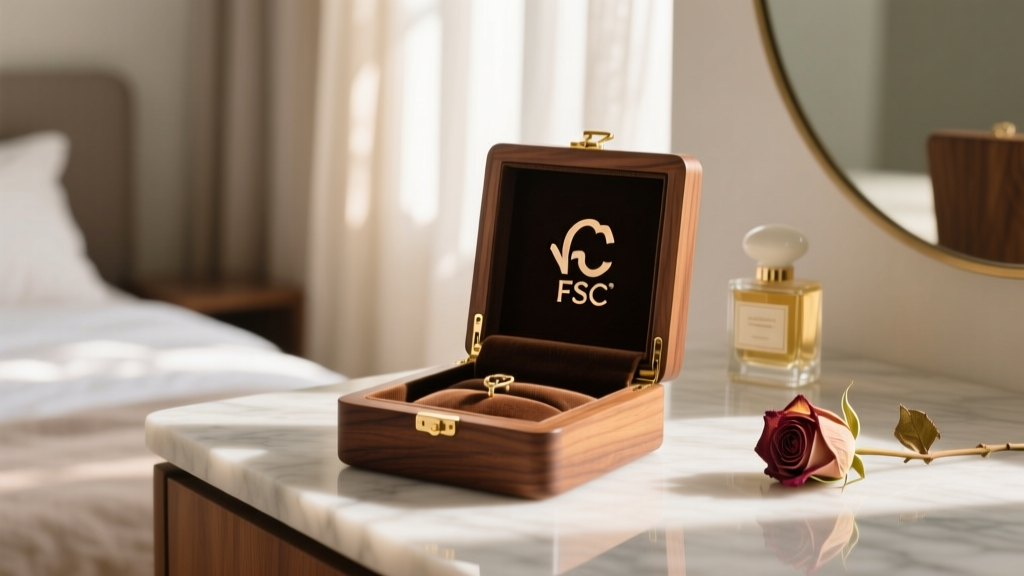
The Legacy and Evolution of the Personalized Keepsake
The cultural footprint of the classic Things Remembered jewelry box is undeniable in the world of gifting and personal organization. For decades, these personalized keepsakes have served as the quintessential milestone gift, marking graduations, weddings, and anniversaries with custom-engraved monograms and heartfelt messages. However, as we move through 2026, the intersection of sentimental value and functional jewelry preservation has drastically shifted. Modern collectors and everyday wearers alike are no longer satisfied with a beautiful exterior that fails to protect the contents within. The latest style and trend analysis reveals a massive pivot toward sustainable material sourcing, advanced anti-tarnish chemistry, and modular interiors that accommodate contemporary jewelry gauges and styles.
According to recent consumer gifting reports from the National Retail Federation, personalization remains a top driver for keepsake purchases, but buyers are increasingly scrutinizing the functional lifespan of the product. A beautifully engraved box is now expected to perform as a micro-climate vault, protecting sterling silver, gold vermeil, and delicate gemstones from environmental degradation. This has forced manufacturers to completely rethink the anatomy of the traditional keepsake box.
2026 Material Shifts: Beyond Traditional MDF and Velvet
Historically, many mass-market personalized boxes were constructed from Medium-Density Fiberboard (MDF) wrapped in a thin wood veneer. While cost-effective, MDF presents a critical failure mode in varying climates. In environments where relative humidity consistently exceeds 65%, the exposed wood fibers at the hinge joints absorb ambient moisture and swell. This swelling causes the veneer to bubble and the hinges to misalign by 1-2mm, ultimately preventing the lid from closing flush and exposing the interior to dust and airborne pollutants.
In 2026, premium personalized boxes have largely abandoned MDF in favor of FSC-certified solid walnut, bamboo, and high-grade polyurethane vegan leathers. Solid walnut offers natural dimensional stability and a rich grain that responds beautifully to laser engraving. Furthermore, hardware has seen a significant upgrade. Instead of easily corroded brass or plated zinc hinges, top-tier personalized boxes now utilize 316L stainless steel or solid brass piano hinges, ensuring that the mechanical joints outlast the jewelry they protect.
The Chemistry of Anti-Tarnish Linings
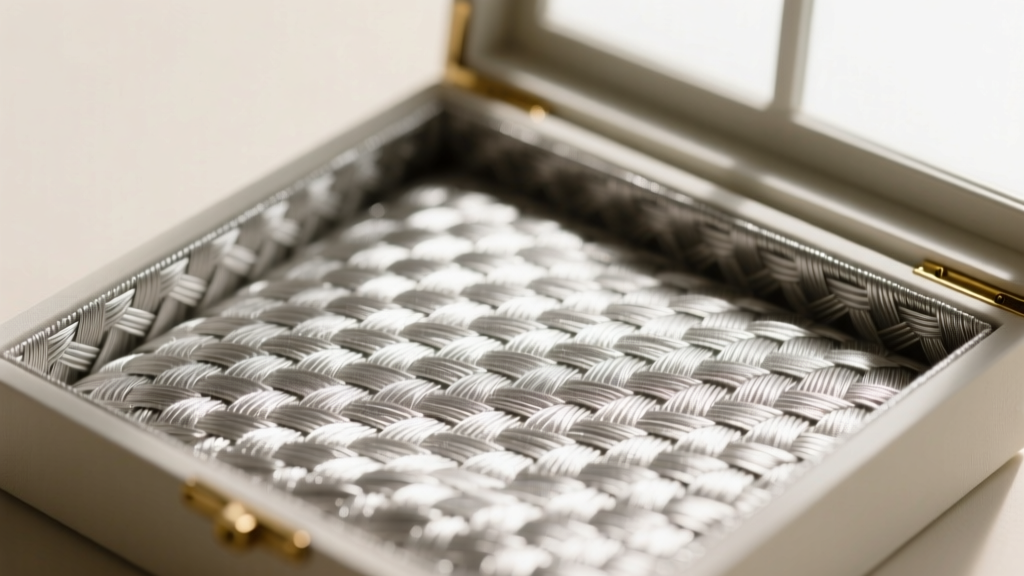
The most significant interior upgrade in the modern Things Remembered jewelry box archetype is the elimination of standard synthetic velvet. Traditional velvet is often dyed using sulfur-based compounds. Over time, these dyes off-gas hydrogen sulfide, which reacts with the copper alloyed in sterling silver (92.5% Ag, 7.5% Cu) to form silver sulfide—the black tarnish that plagues jewelry collectors. As highlighted by preservation standards from Jewelers of America, proper storage requires inert or sacrificial materials.
To combat this, 2026's premium keepsake boxes are lined with Pacific Silvercloth or activated bamboo charcoal-infused suedes. Pacific Silvercloth is a 100% cotton flannel embedded with microscopic particles of pure silver and zinc. These embedded metals act as a sacrificial anode, reacting with airborne hydrogen sulfide and moisture before those pollutants can reach your sterling silver jewelry. This chemical intervention effectively halts tarnish formation for up to a decade without the need for toxic polishing compounds.
Engraving Techniques: Laser vs. Rotary in 2026
The method of personalization has evolved from mechanical rotary cutting to precision photonics. The depth, contrast, and permanence of the engraving dictate the box's aesthetic longevity. Below is a comparison of the dominant engraving technologies used on personalized keepsake boxes today.
| Engraving Method | Wavelength / Mechanism | Best Material Application | 2026 Trend Status |
|---|---|---|---|
| CO2 Laser | 10.6 μm (Infrared) | Wood, Bamboo, Vegan Leather | Industry Standard for high-contrast burns |
| Fiber Laser | 1.06 μm (Near Infrared) | Metallic Inlays, Steel Hinges | Rising trend for mixed-media boxes |
| Rotary Diamond Drag | Mechanical Carbide Bit | Acrylics, Soft Metals | Declining; limited to vintage aesthetics |
CO2 lasers remain the gold standard for wooden keepsake boxes. By precisely controlling the pulse width and focal depth, artisans can achieve a deep, dark burn on walnut without fracturing the surrounding wood grain, ensuring the monogram remains legible and smooth to the touch for generations.
Functional Design vs. Sentimental Display
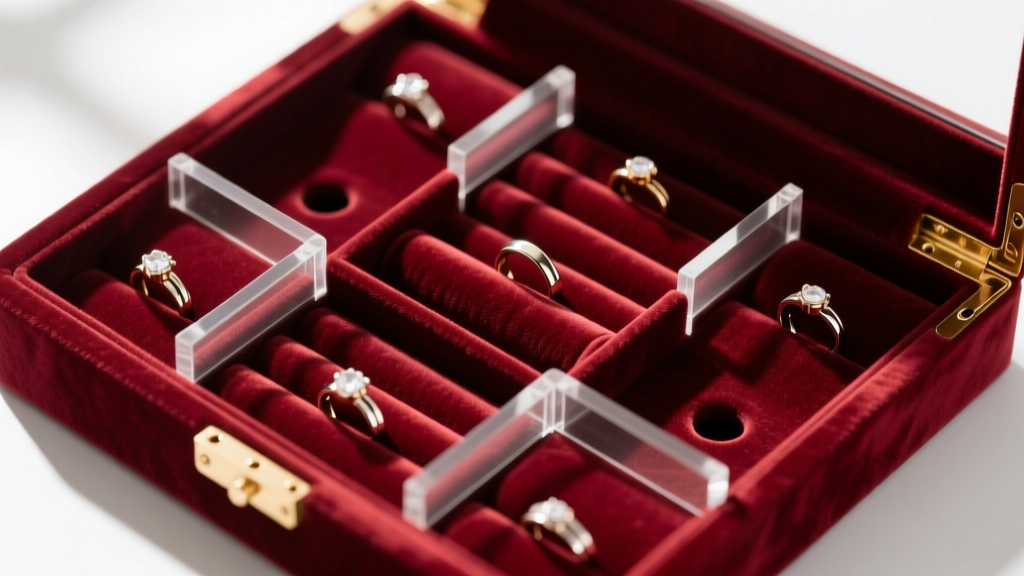
A historical criticism of sentimental keepsake boxes was the "black hole" effect—a single, open cavity where necklaces tangled, earring posts were lost, and rings were scratched against one another. The 2026 design philosophy emphasizes modularity. The modern Things Remembered jewelry box style now incorporates adjustable, removable interior trays that cater to specific jewelry profiles.
Accommodating Modern Jewelry Gauges and Weights
Standard jewelry boxes were designed for delicate 20-gauge ear posts and lightweight chains. Today's collectors often own heavier, diverse pieces that require specialized storage accommodations:
- Body Jewelry & Thicker Gauges: Standard post holes (usually 1.2mm wide) cannot accommodate 14G (1.6mm) or 12G (2.0mm) body jewelry, septum clickers, or heavy ear weights. Modern inserts feature widened, reinforced silicone-grommeted holes to prevent tearing when inserting thicker posts.
- Heavy Chain Links: Thick Cuban links and heavy gold chains require deep, wide troughs rather than shallow elastic loops, which can stretch and snap under the weight of 50+ gram chains.
- Watch & Cuff Zones: Dedicated, plush-lined depressions designed to hold rigid cuffs and automatic watches without putting pressure on the crystal or clasp mechanisms.
Pricing & Value Retention Analysis
The investment required for a high-quality, personalized, anti-tarnish keepsake box in 2026 generally falls into three distinct tiers. Entry-level boxes ($45–$75) typically utilize bamboo exteriors with standard velvet linings and CO2 laser engraving. Mid-tier options ($80–$140) introduce solid walnut construction, upgraded stainless steel hardware, and basic anti-tarnish strip integration. The premium tier ($150–$250+) features full Pacific Silvercloth linings, hand-finished FSC-certified hardwoods, and fully modular, adjustable interior acrylic and suede inserts. When factoring in the cost of replacing tarnished or scratched jewelry, the ROI on a premium, chemically inert storage solution becomes immediately apparent.
Final Verdict: The Modern Keepsake
The Things Remembered jewelry box archetype has successfully transitioned from a purely symbolic gesture to a highly engineered preservation tool. By marrying the emotional resonance of custom laser engraving with the material science of anti-tarnish linings and solid wood stability, these boxes now offer genuine protection for your most cherished pieces.
"A personalized jewelry box should not just be a beautiful shell; it must act as an active guardian against the chemical realities of our environment. The shift toward sacrificial metal linings and sustainable hardwoods in 2026 represents a maturation in how we value our collections." — Archival Jewelry Preservation Society
Whether you are gifting a milestone keepsake or upgrading your own vanity organization, prioritizing material integrity and interior chemistry ensures that both the box and the memories it holds will endure the test of time.


