How to Store Jewelry for Travel: Anti-Tarnish & Care Guide
Learn how to store jewelry for travel without damage. Expert anti-tarnish tips, material-specific packing guides, and transit cleaning routines.

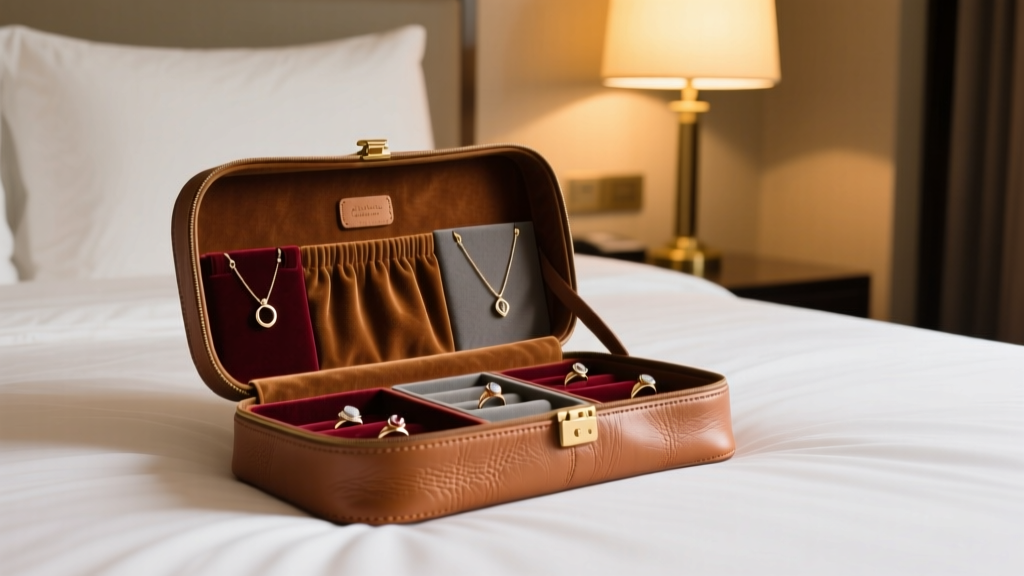
Packing for a trip involves countless decisions, but deciding how to store jewelry for travel is often an afterthought—until you arrive at your destination to find a tangled mess of chains, scratched gold, or heavily tarnished silver. Transit exposes your most delicate accessories to extreme environmental shifts, friction, and pressure changes. As a jewelry care specialist, I see the aftermath of poorly packed collections daily: bent prongs, abraded gemstones, and irreversible chemical damage to organic gems.
This comprehensive guide moves beyond generic advice. We will explore the exact material science behind transit damage, establish rigorous pre-trip cleaning protocols, and detail the precise storage environments required to keep your collection pristine from takeoff to touchdown.
The Hidden Dangers of Transit: Why Travel Damages Jewelry
Airplane cabins and luggage compartments are hostile environments for fine jewelry. Commercial aircraft cabins are typically pressurized to an equivalent of 6,000 to 8,000 feet, with humidity levels dropping as low as 10% to 20%. This extreme aridity can cause microscopic fractures in moisture-dependent gems like opals and emeralds. Conversely, when you step off the plane into a tropical or coastal destination, the sudden spike in ambient humidity and salt air accelerates the oxidation of base metals and sterling silver.
Furthermore, checked luggage experiences severe kinetic shocks and temperature fluctuations. Even in a carry-on, the constant micro-vibrations of transit cause jewelry pieces to shift. If a diamond ring (Mohs hardness of 10) rests against a 14k gold band (Mohs hardness of 3.5 to 4) inside a standard compartmentalized box, the diamond will act like sandpaper, permanently scratching the gold.
Pre-Trip Prep: Cleaning and Drying Protocols
Never pack dirty jewelry. The oils from your skin, combined with residual lotions, create a breeding ground for bacteria and accelerate tarnishing when sealed in a travel case. More importantly, modern sunscreens contain zinc oxide and titanium dioxide. These physical UV blockers leave a stubborn, chalky film that lodges deep into pavé settings and under gemstone girdles.
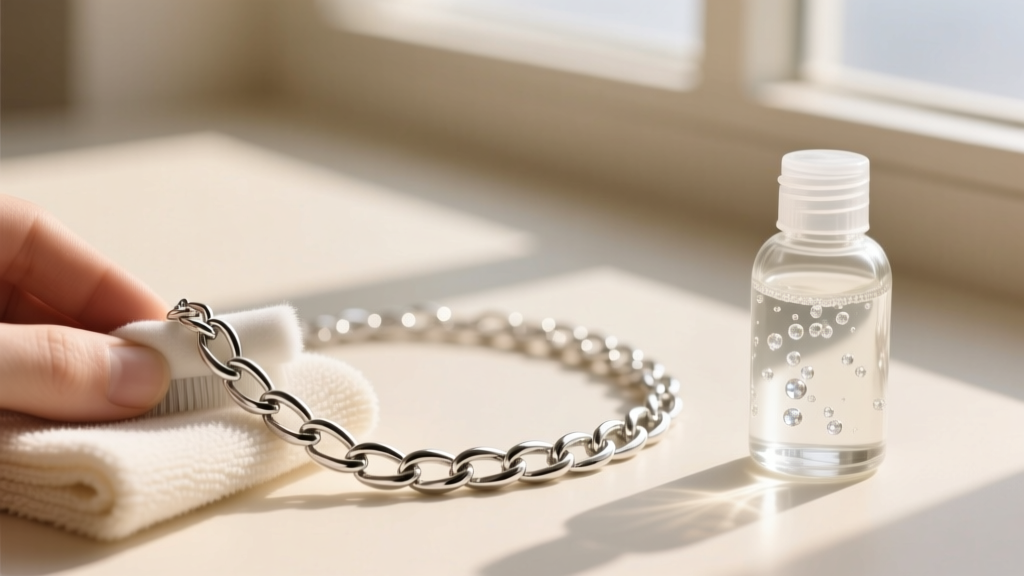
The Expert Cleaning Method
- Soak: Mix a few drops of mild, phosphate-free dish soap (like Dawn) into a bowl of lukewarm distilled water. Avoid hot water, which can shock temperature-sensitive stones like tanzanite or opal.
- Agitate: Submerge your gold, platinum, and diamond pieces for 15 minutes. Use an extra-soft baby toothbrush to gently sweep the underside of the settings where grease accumulates.
- Rinse & Dry: Rinse under a gentle stream of distilled water. Pat dry with a lint-free microfiber cloth, then use a hairdryer on the cool setting to ensure no moisture remains in the crevices. Trapped water is the primary catalyst for rust in lower-karat gold alloys and spring mechanisms in clasps.
How to Store Jewelry for Travel: Material-Specific Strategies
Understanding the metallurgical and gemological properties of your pieces is the key to mastering how to store jewelry for travel. One universal storage method does not work for all materials.
Sterling Silver (925) and Anti-Tarnish Tech
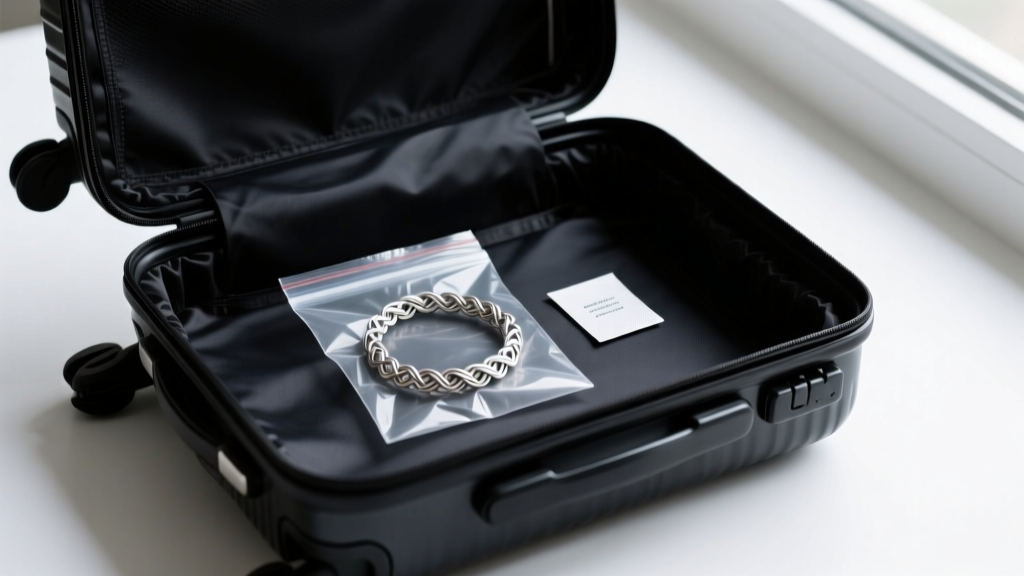
Sterling silver tarnishes when the copper alloyed within it reacts with hydrogen sulfide and moisture in the air. To halt this chemical reaction during travel, you must control the microclimate. Wrap silver pieces in Jewelers of America-approved Pacific Silvercloth, which contains embedded silver particles that intercept and absorb tarnish-causing gases before they reach your jewelry. For added protection, place a 3M anti-tarnish strip inside the sealed ziplock bag containing the cloth pouch.
Gold, Platinum, and Mohs Hardness Rules
Gold and platinum are relatively soft metals. The golden rule of travel storage is total isolation. According to the Gemological Institute of America (GIA), gems and metals must be stored according to their Mohs hardness scale rating. Keep diamond and sapphire pieces in individual soft velvet pouches, completely separated from softer gold chains and pearl necklaces. Platinum, while denser, scratches easily and develops a patina; store it in a dedicated suede-lined compartment.
Organic Gems: Pearls, Opals, and Amber
Organic materials require a delicate balance. Pearls and amber are soft (Mohs 2.5) and easily scratched, but they also contain trace amounts of water. Sealing them in airtight plastic bags for long flights can cause them to dry out, craze, or crack. Store pearls in a breathable, untreated silk pouch. Opals are particularly volatile; wrap them in a slightly damp (not wet) soft cloth inside a silk bag to maintain their hydration levels during low-humidity flights.
The Ultimate Travel Storage Comparison Matrix
Use this quick-reference table to audit your travel jewelry kit before your next trip.
| Material / Gem | Primary Transit Threat | Ideal Storage Medium | Critical "Do Not" Rule |
|---|---|---|---|
| Sterling Silver | Sulfur & Humidity (Tarnish) | Pacific Silvercloth + Airtight Bag | Do not use rubber bands (causes black sulfide spots) |
| Diamonds & Sapphires | Scratching softer metals | Individual Velvet Pouches | Do not store loose in a shared compartment |
| Pearls & Coral | Dehydration & Acidic Oils | Breathable Silk Pouches | Do not seal in plastic or expose to perfume |
| Gold Chains | Knotting & Tangling | Clasp threaded through a straw | Do not pack without securing the clasp |
| Opals & Emeralds | Thermal Shock & Crazing | Silk wrap with slight moisture | Do not expose to direct cabin heat or dry air |
In-Transit & Post-Trip Maintenance Routines
How you handle your jewelry at your destination is just as critical as how you pack it. Hotel safes are typically constructed of bare, unlined steel. Placing jewelry directly onto these metal shelves can cause micro-abrasions and introduce iron oxidation to your pieces. Always leave your items inside their travel pouches when placing them in a safe.
"The most common mistake travelers make is taking their jewelry off in a hotel bathroom and placing it on the sink counter. The fluctuating heat and high humidity from showers, combined with aerosolized hairsprays and cosmetics, will rapidly degrade the finish of porous gems and accelerate silver tarnish." — Master Bench Jeweler
Upon returning home, do not immediately put your travel jewelry back into your main safe. Wipe down each piece with a clean microfiber cloth to remove the oils, sweat, and environmental pollutants accumulated during your trip. This resets the chemical baseline and prevents long-term degradation.
Expert Troubleshooting: Fixing Transit Damage
Even with meticulous planning, transit accidents happen. Here is how to handle the most common travel-related jewelry emergencies:
- The Hopelessly Tangled Chain: Do not pull or yank. Lay the chain flat on a hard surface. Sprinkle a generous amount of talcum baby powder over the knot. The powder acts as a dry lubricant, reducing friction between the metal links. Use two sewing needles to gently tease the knot apart from the center outward.
- Bent Ring Shanks or Prongs: If your luggage is crushed and a ring bends, do not attempt to bend it back into shape with pliers. Work-hardened metals like platinum or white gold will snap or fracture if manipulated without proper annealing by a professional jeweler. Place it in a soft pouch and wait for a bench jeweler.
- Sudden Silver Blackening: If your silver turns black after a trip to a geothermal area or hot spring (due to high sulfur content in the air), standard polishing cloths won't suffice. Use a specialized silver dip (thiourea-based solution) for exactly 10 seconds, then neutralize immediately with a baking soda and water bath to halt the chemical reaction.
By treating your jewelry with the same logistical care as your passport and electronics, you ensure that your most cherished pieces remain as vibrant and structurally sound at the end of your journey as they were at the beginning.


