Budget vs Luxury: Is a Velvet Lined Jewelry Box Worth It?
We assess the true value of a velvet lined jewelry box across budget, mid-tier, and luxury price points to help you protect your gems.

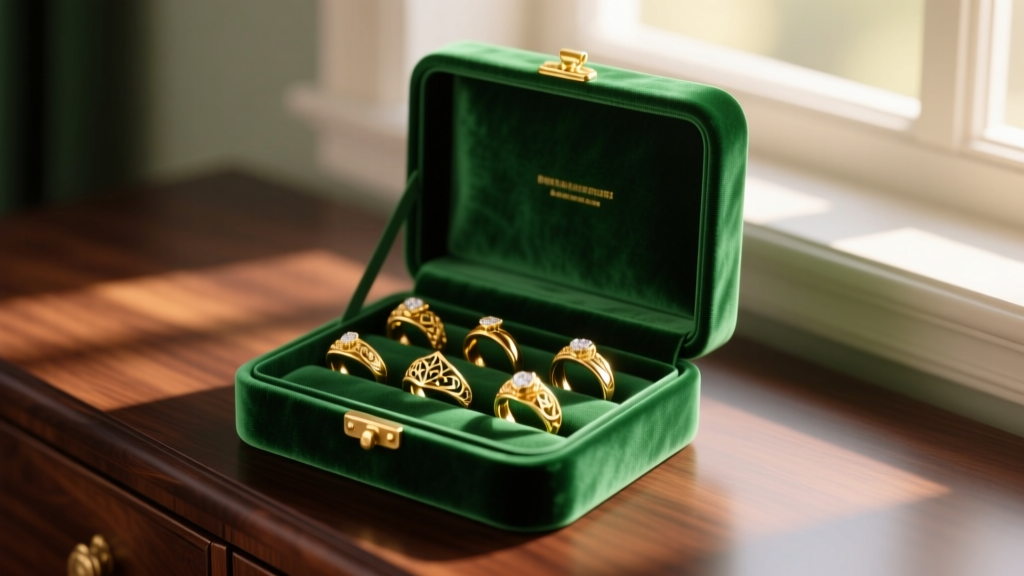
The allure of a velvet lined jewelry box is undeniable. The soft, plush interior evokes a sense of luxury and provides a seemingly safe haven for your most prized possessions. However, as jewelry collectors and everyday wearers alike navigate the 2026 market, a critical question emerges: does the premium price tag of a luxury velvet box actually translate to better protection, or are you merely paying for aesthetics? In this comprehensive budget and value assessment, we dissect the anatomy, material science, and long-term viability of velvet jewelry storage to help you determine exactly where your money is best spent.
The Anatomy of the Lining: Not All Velvet is Created Equal
When consumers read the term "velvet," they often envision a single, uniform fabric. In reality, the textile industry uses this term to describe a weave structure, not a specific fiber. The material composition of the lining is the single most critical factor in determining whether a box will protect or destroy your jewelry over time.
Synthetic Polyester Velour (The Budget Standard)
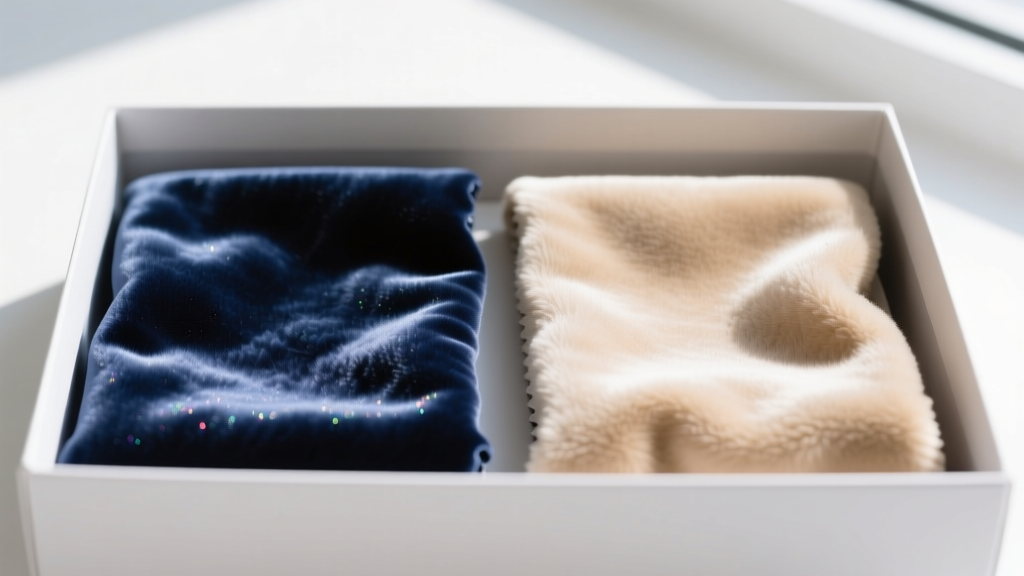
Boxes in the $15 to $35 range almost exclusively use polyester velour. While it mimics the look of traditional velvet, polyester is essentially a plastic derivative. It is non-breathable and highly prone to generating static electricity. This static can attract microscopic dust particles that act as abrasives against soft metals like high-karat gold and polished silver. Furthermore, synthetic fibers trap ambient moisture against the metal surface, creating a microclimate that accelerates oxidation.
Cotton and Silk Velvet (The Luxury Standard)
True luxury boxes utilize 100% cotton velvet or silk velvet. Cotton velvet is highly breathable, allowing moisture to dissipate rather than trapping it against your jewelry. According to the Gemological Institute of America (GIA), proper airflow and moisture control are paramount for preserving the luster of porous gemstones like pearls and opals, which can crack or craze if subjected to fluctuating humidity trapped by synthetic linings.
The Tarnish Trap: Adhesives and Off-Gassing
The hidden danger of a budget velvet lined jewelry box rarely lies in the fabric itself, but rather in what is used to attach it. To keep costs low, mass-market manufacturers often use cheap hot-melt glues or cyanoacrylate-based adhesives to bind the velvet to the MDF (medium-density fiberboard) or cardboard shell.
"Many commercial adhesives emit volatile organic compounds (VOCs) and trace sulfur gases as they cure and degrade over time. In an enclosed, unventilated space like a jewelry box, these gases react with the copper alloys in sterling silver, rapidly forming black silver sulfide."
In contrast, luxury manufacturers utilize archival-grade, acid-free PVA (polyvinyl acetate) adhesives. These glues are chemically neutral and do not off-gas. If you own a significant collection of sterling silver, investing in a box with chemically neutral construction is not a luxury; it is a strict requirement. The Silver Institute explicitly warns against storing silver in environments where sulfur-bearing materials or acidic off-gassing compounds are present.
Price Tiers and Value Assessment Matrix
To help you evaluate the market, we have broken down the current 2026 pricing landscape into three distinct tiers, analyzing what you actually get for your investment.
| Feature | Budget Tier ($15 - $35) | Mid-Tier ($45 - $90) | Luxury Tier ($120 - $350+) |
|---|---|---|---|
| Shell Material | Pressed cardboard or thin MDF | Thick MDF with wood veneer | Solid hardwood (Walnut, Mahogany) |
| Lining Material | 100% Polyester Velour | Poly-blend or basic Cotton | Archival Cotton Velvet or Silk |
| Adhesives | Hot-melt / Industrial (High VOC) | Standard PVA (Low VOC) | Archival Acid-Free PVA |
| Hardware | Zinc alloy, steel staples | Plated brass, steel pins | Solid brass, mortised hinges |
| Anti-Tarnish | None | Pacific Silvercloth inserts (rare) | Integrated tarnish-inhibiting weave |
| Expected Lifespan | 1 - 3 Years | 4 - 7 Years | Generational (20+ Years) |
Hardware and Failure Modes: Where Budget Boxes Break
A velvet lined jewelry box is only as good as its structural integrity. The most common point of failure in budget and lower-mid-tier boxes is the hinge mechanism and the locking clasp.
The Hinge Metallurgy Problem
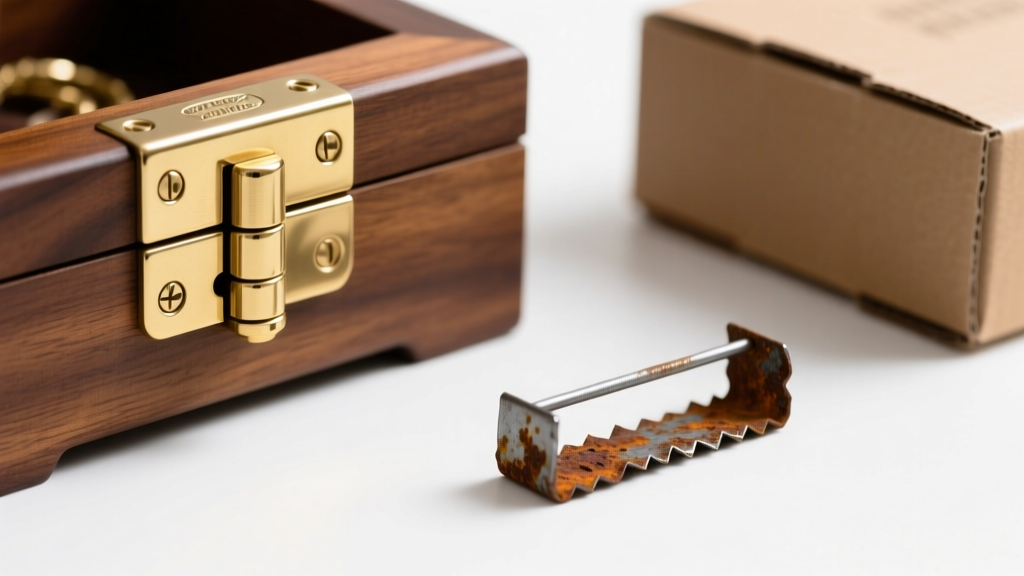
Budget boxes rely on surface-mounted zinc alloy hinges secured with tiny steel staples or short screws. Zinc is brittle and prone to snapping under the repetitive torque of opening a heavy lid. Worse, the steel staples used to secure the velvet and hinges are highly susceptible to rust. Once rust forms, it can easily transfer to your jewelry if the velvet shifts or wears thin.
Luxury boxes utilize mortised brass piano hinges or solid brass butt hinges. Brass is an alloy of copper and zinc that is highly malleable, resistant to corrosion, and capable of supporting significant weight. Because these hinges are mortised (recessed into the wood), the mechanical stress is distributed across the solid wood grain rather than relying solely on the sheer strength of a tiny screw.
The Cost-Per-Wear Framework: Calculating True Value
When assessing whether a velvet lined jewelry box is "worth it," we must apply a cost-per-wear framework to your collection. If you are storing $50 worth of fashion jewelry, a $250 solid walnut box with silk velvet is a poor financial decision. The cost of the storage vastly outweighs the replacement cost of the items inside.
However, if you are storing heirloom pieces, engagement rings, or high-karat gold and natural pearls, the value proposition shifts dramatically. Re-polishing a vintage silver piece to remove deep tarnish caused by cheap adhesive off-gassing can cost between $40 and $85 at a professional jeweler, and every polish removes a microscopic layer of metal. Over a decade, the cost of professional restoration due to poor storage will easily eclipse the initial premium paid for a luxury, archival-grade box.
How to Test Your Existing Velvet Lining at Home
Unsure if your current velvet lined jewelry box is harming your silver? Perform the "Coin Test":
- Place a brand new, highly polished copper or silver coin in an empty compartment of your box.
- Seal the box and leave it in a room with standard humidity (around 40-50%) for exactly 14 days.
- Remove the coin and inspect it under bright, direct LED light.
- If you see a yellowish or blackish film (early-stage tarnish), your box is off-gassing VOCs or trapping excessive moisture. It is time to upgrade or line the box with an independent anti-tarnish barrier like Pacific Silvercloth.
Final Verdict: Which Tier Should You Buy?
The value of a velvet lined jewelry box is entirely dependent on the composition of your collection and your environmental conditions. For everyday fashion jewelry and stainless steel pieces, a budget polyester-lined box is perfectly adequate and offers high aesthetic value for a low price. However, for serious collectors, investors, and those living in high-humidity coastal environments, the mid-tier and luxury boxes offer undeniable, measurable value. By investing in breathable cotton velvet, solid brass hardware, and archival adhesives, you are not just buying a beautiful box; you are purchasing an insurance policy against the silent, destructive forces of oxidation and mechanical failure.
For further reading on preserving delicate gemstones and metals, consult the Tiffany & Co. Jewelry Care Guidelines, which emphasize the importance of proper, non-abrasive, and chemically neutral storage environments for maintaining lifetime brilliance.


