How to Clean and Maintain a Wooden Jewelry Box for Women
Learn how to clean, condition, and protect your wooden jewelry box for women. Expert tips on wood finishes, velvet linings, and preventing jewelry tarnish.

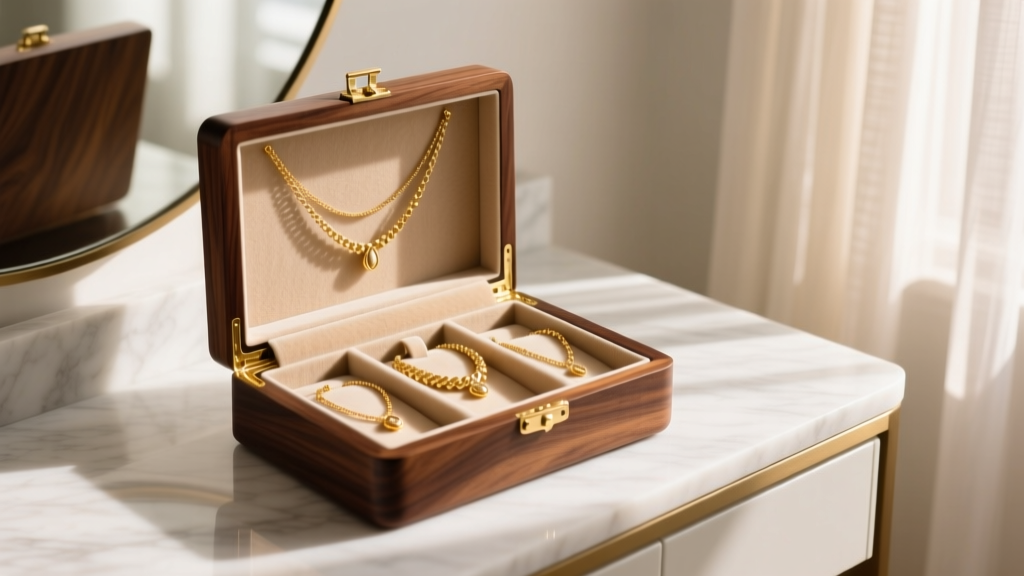
The Intersection of Wood Care and Jewelry Preservation
A premium wooden jewelry box for women is more than just a storage vessel; it is a functional heirloom that protects your most valuable accessories. However, improper maintenance of the wood exterior and interior linings can lead to catastrophic consequences for your jewelry. Unsealed woods can off-gas acidic tannins that tarnish silver and degrade pearls, while neglected velvet linings trap moisture and skin oils, accelerating gemstone dulling. As we move through 2026, the shift toward sustainable, heirloom-quality storage means more collectors are investing in solid hardwoods rather than MDF veneers. This comprehensive guide provides exact, actionable protocols for cleaning, conditioning, and climate-controlling your wooden storage to ensure both the box and its contents remain pristine.
Understanding Your Box: Wood Types and Finishes
Before applying any cleaning agent, you must identify the wood species and its protective finish. Using the wrong solvent on a penetrating oil finish will strip it bare, while applying wax over a polyurethane topcoat will result in a sticky, dust-attracting mess. According to Bob Vila's guide on wood furniture care, identifying the finish is the critical first step in preservation.
| Wood Type | Common Finish | Cleaning Agent | Conditioner / Polish | Jewelry Risk Factor |
|---|---|---|---|---|
| Solid Walnut | Penetrating Oil / Tung | Damp Microfiber | Beeswax Paste | Low (if sealed) |
| Mahogany | Nitrocellulose Lacquer | Mild Soap Solution | Carnauba Liquid Wax | Low |
| Bamboo | Polyurethane | All-Purpose Glass Cleaner | None Required | None |
| Oak / Cedar | Varnish / Unsealed | Dry Dusting Only | Howard Feed-N-Wax | High (Tannin bleed) |
Expert Warning: Woods like oak, walnut, and cedar contain high levels of tannins and natural acids. If the interior of your box is unsealed, these acids can off-gas and cause rapid yellowing in porous gems like turquoise, pearls, and coral. Always ensure the interior is lined with an acid-free barrier or sealed with a water-based polyurethane.
Step-by-Step Exterior Wood Cleaning and Conditioning
Dusting and Surface Cleaning
Never use feather dusters, as the quills can micro-scratch high-gloss lacquer finishes. Instead, use a 300 GSM plush microfiber cloth. For sticky spots or fingerprints, mix one drop of pH-neutral dish soap (like Dawn) into a cup of distilled water. Dampen the cloth—never spray the wood directly—and wipe in the direction of the grain. Immediately dry the surface with a second, bone-dry microfiber cloth to prevent water spots from penetrating the finish.
Deep Conditioning: Oils vs. Waxes
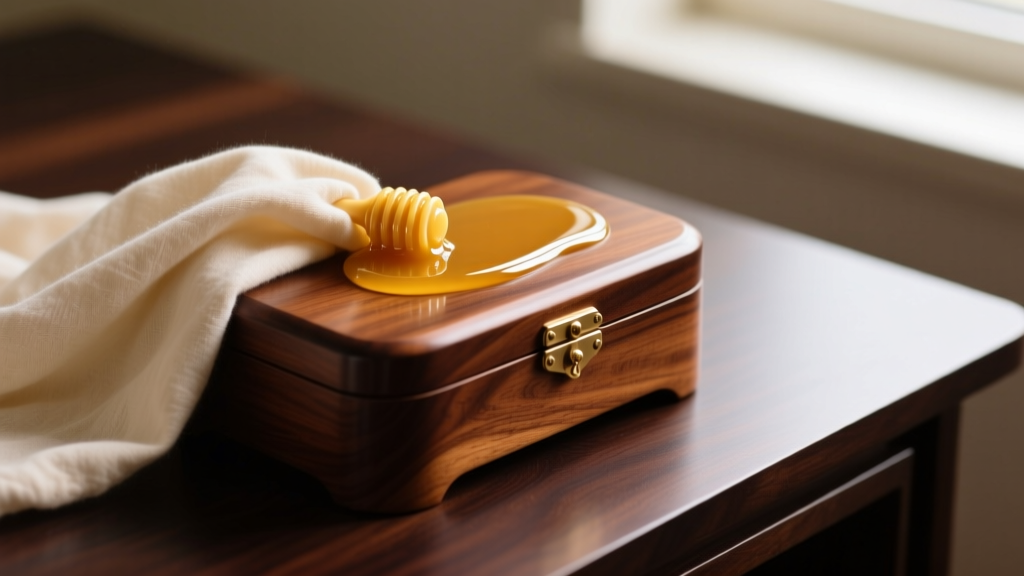
If your wooden jewelry box for women features a hand-rubbed oil finish (common in artisan and mid-century pieces), it requires periodic rehydration to prevent the wood from cracking. Avoid aerosol polishes containing silicone (such as standard Pledge). Silicone penetrates micro-cracks in the wood and creates a cloudy, irremovable haze known as "silicone bloom," which ruins the finish and requires professional chemical stripping.
- For Oil Finishes: Apply a thin layer of Howard Feed-N-Wax or pure beeswax paste using a lint-free cotton rag. Let it sit for 20 minutes, then buff vigorously to a satin sheen.
- For Lacquer/Polyurethane: These finishes do not need conditioning. Simply use a micro-crystalline wax like Renaissance Wax once a year to protect against UV damage and fingerprints.
Interior Lining Maintenance: Protecting the Velvet and Felt
The interior lining of a jewelry box does the heavy lifting of preventing micro-scratches on gold and silver. Over time, velvet and felt absorb ambient humidity, dead skin cells, and lotion residue, which transfer back onto your jewelry.
Vacuuming and Lint Removal
Use a handheld vacuum with a soft brush attachment on the lowest suction setting. For deep crevices and ring rolls, wrap a piece of painter's tape (sticky side out) around two fingers and gently dab the fabric to lift embedded dust and pet hair without pulling the delicate velvet fibers.
Spot Cleaning Stains
If makeup or lotion stains the interior fabric, do not use water, which will cause the underlying cardboard or wood backing to warp and separate from the glue. Instead, use a dry upholstery foam cleaner. Spray the foam onto a cotton swab, dab the stain, and let the foam lift the oils before brushing it away with a soft-bristled makeup brush.
Environmental Controls: Preventing Warping and Tarnish
Wood is a hygroscopic material, meaning it absorbs and releases moisture from the air. Extreme fluctuations will cause the box's drawers to swell shut or the mitre joints to crack. Furthermore, the Gemological Institute of America (GIA) notes that improper environmental storage is a leading cause of accelerated gemstone degradation and metal tarnish.
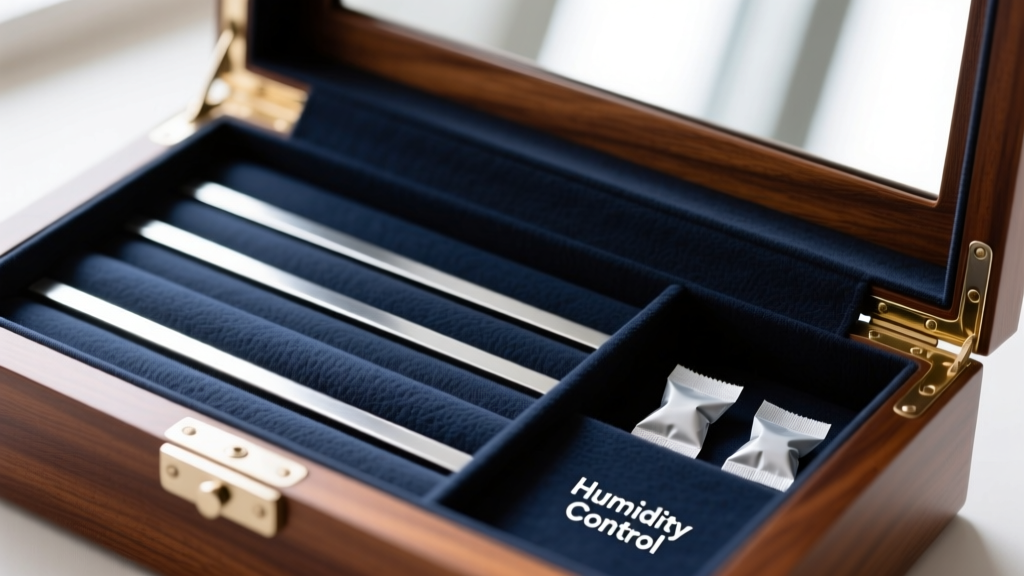
- Humidity Control: Maintain your bedroom or dressing room at a relative humidity (RH) of 45% to 55%. Place a small, reusable silica gel desiccant packet inside the main compartment of the box to trap excess moisture. Recharge the silica beads in the oven at 200°F (93°C) every three months.
- UV Protection: Keep your wooden jewelry box out of direct sunlight. UV rays will not only bleach and dry out the wood exterior but will also fade light-sensitive gemstones like amethyst, kunzite, and topaz.
- Anti-Tarnish Integration: Line the bottom of silver compartments with 3M Pacific Silvercloth or place 3M Anti-Tarnish strips inside the drawers. These strips absorb sulfur compounds in the air that cause silver sulfide (black tarnish) to form. Replace the strips every six months.
Troubleshooting Common Wooden Box Issues
Sticky Drawers and Swollen Runners
If a wooden drawer sticks, do not force it, as this will snap the delicate internal wooden runners. The swelling is caused by high humidity. Remove the drawer and use a hairdryer on a low, warm setting to gently dry the wooden runners for about two minutes. Once dry, rub a plain paraffin wax candle or a block of micro-crystalline wax along the runners to lubricate them. Never use liquid lubricants like WD-40, as they will stain the raw wood and emit fumes that can damage porous pearls.
Musty Odors and Verdigris on Hinges
A musty smell indicates trapped moisture and potential mold spores in the fabric lining. Empty the box and place it in a dry, well-ventilated room with a bowl of activated charcoal or baking soda for 48 hours to absorb the odor. If the brass hinges have developed a green crust (verdigris), clean it carefully with a cotton swab dipped in white vinegar. Critical step: You must immediately neutralize the acid by wiping the hinge with a swab dipped in a baking soda and water paste, then dry it thoroughly. If left unneutralized, the vinegar acid will eat through the wood's lacquer finish surrounding the hinge.
Conclusion
Maintaining a wooden jewelry box for women requires a dual approach: respecting the organic nature of the wood while safeguarding the delicate metals and gems stored within. By identifying your wood's finish, avoiding silicone-based polishes, managing interior humidity with silica and anti-tarnish strips, and properly lubricating wooden runners with wax, you ensure your storage piece remains a beautiful, functional sanctuary for your collection for decades to come.


