Expert Jewelry Gift Ideas: Metal Grades & Gem Durability Guide
Discover expert jewelry gift ideas based on metallurgy and gemology. Learn which metal grades and Mohs-rated stones ensure your gift survives daily wear.

The Hidden Cost of Aesthetic-Only Gifting
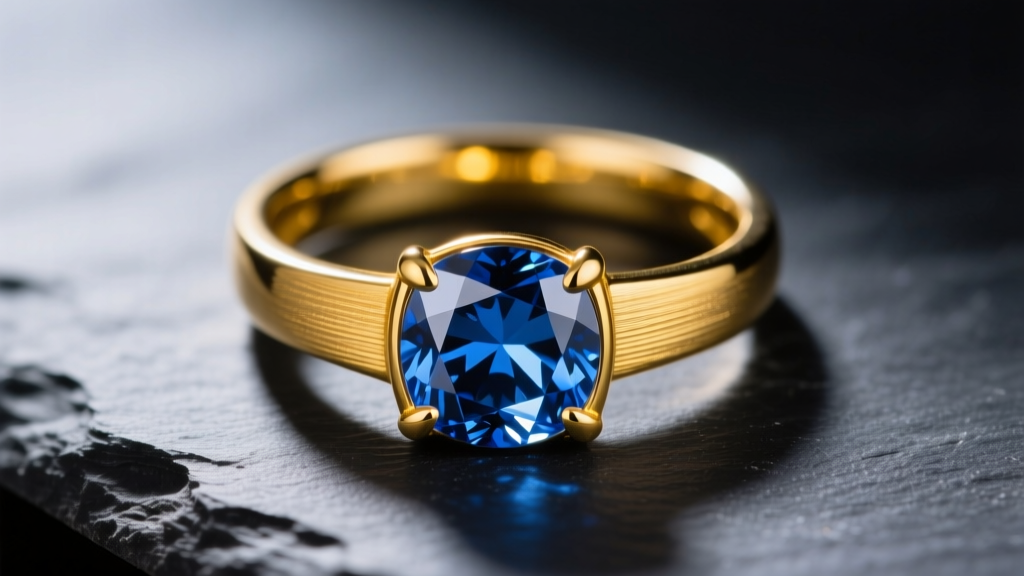
When searching for jewelry gift ideas, most buyers focus almost exclusively on aesthetics: the sparkle of a gemstone, the intricacy of a design, or the immediate visual impact of the piece. However, as a gemologist and metallurgical consultant, I frequently see beautiful gifts fail within months because the underlying materials cannot withstand the physics of daily wear. A ring worn every day endures thousands of micro-impacts, chemical exposures, and tensile stresses. To select a truly enduring gift, you must look past the display case lighting and evaluate the structural integrity of the metals and the crystallographic stability of the stones. This technical guide will reframe how you approach jewelry gift ideas by prioritizing material science and mechanical durability.
Metallurgy 101: Selecting Alloys for Lifelong Wear
Pure gold (24k) is far too malleable for functional jewelry; it will bend and deform under minimal pressure. Therefore, gold must be alloyed with other metals to increase its tensile strength and hardness. Understanding these alloy ratios is critical when evaluating fine jewelry gifts.
The Karat Conundrum: 14k vs. 18k Gold
While 18k gold (75% pure gold) is often marketed as superior due to its higher purity and richer color, 14k gold (58.5% pure gold) is mechanically superior for high-impact items like rings and bracelets. On the Vickers hardness scale (HV), a standard 14k yellow gold alloy typically registers between 130 and 160 HV, depending on the specific copper and zinc ratios used by the caster. In contrast, 18k yellow gold usually sits around 120 to 140 HV. For a recipient with an active lifestyle, 14k gold will resist scratching, denting, and prong deformation significantly better than its higher-karat counterpart.
The White Gold Maintenance Trap
White gold is not naturally white; it is a yellow gold alloy mixed with whitening agents like nickel, palladium, or manganese. To achieve the bright, silvery finish consumers expect, the piece is electroplated with rhodium. This plating is incredibly thin—typically between 0.75 and 1.5 microns. With daily wear, the rhodium will wear away within 12 to 36 months, revealing the warm, grayish-yellow alloy beneath. If you are considering white gold jewelry gift ideas, be prepared to educate the recipient about the ongoing maintenance (re-plating) required, or pivot to a naturally white metal.
Platinum and Titanium: The Heavyweights
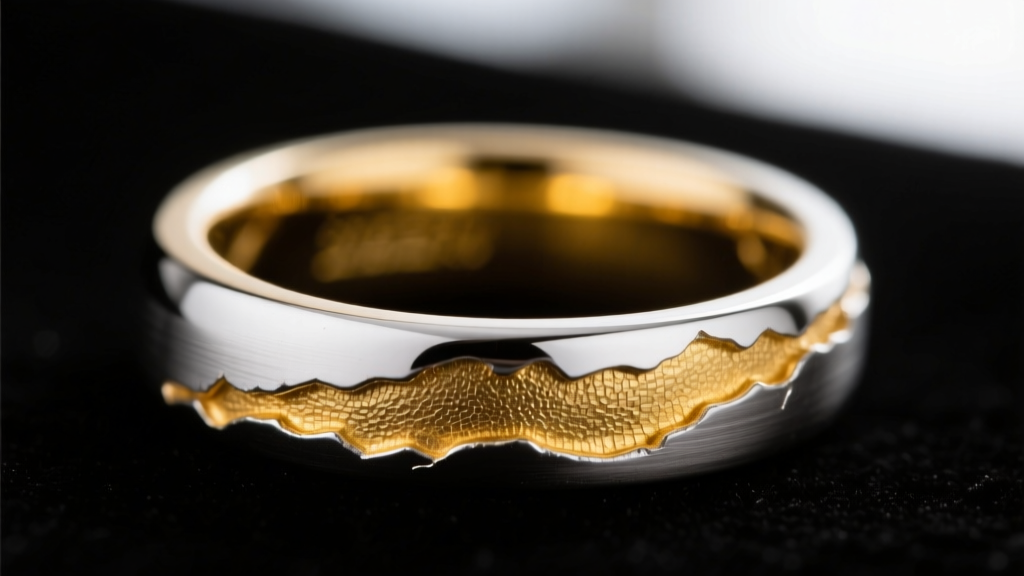
For a premium, low-maintenance alternative, Platinum 950 (95% platinum, usually alloyed with 5% ruthenium or iridium) is exceptional. Unlike gold, which loses microscopic particles of metal when scratched, platinum merely displaces. This work-hardening characteristic means a scratched platinum ring actually becomes denser and more durable over time, developing a patina rather than degrading. According to Platinum Guild International, this density also makes it the most secure metal for holding high-value gemstones. For men's bands or alternative industrial aesthetics, Grade 5 Titanium (Ti-6Al-4V) offers an incredible strength-to-weight ratio and is entirely hypoallergenic, though it cannot be easily resized due to its extreme hardness.
Gemological Durability: Mohs Scale and Cleavage Planes
The most common mistake in gemstone gifting is relying solely on the Mohs scale of mineral hardness. The Mohs scale is ordinal and logarithmic, not linear. A diamond (10) is not just 'one point' harder than a sapphire (9); it is roughly four times harder. However, hardness only measures resistance to scratching. It does not measure toughness (resistance to chipping or breaking).
Why Hardness Does Not Equal Toughness
Toughness is dictated by a gemstone's internal crystal structure and its cleavage planes—directions of atomic weakness where the stone can split cleanly. Diamonds possess perfect octahedral cleavage. A sharp, precise blow to a diamond's girdle can split the stone in half. Topaz (Mohs 8) has perfect basal cleavage, making it notoriously prone to chipping if dropped on a hard tile floor. When evaluating gemstone jewelry gift ideas for daily wear, you must cross-reference Mohs hardness with cleavage data available through mineralogical databases like Mindat.org.
The Safest Stones for Daily Impact
For rings and bracelets that will endure accidental knocks, Corundum (Ruby and Sapphire, Mohs 9) is the ultimate choice. Corundum has no true cleavage planes, meaning it lacks the structural weak points that cause diamonds and topaz to split. It is exceptionally tough. Spinel (Mohs 8) is another highly underrated, technically sound choice; it also lacks cleavage and offers brilliant optical properties without the structural vulnerabilities of softer stones. Avoid gifting Opal, Pearl, Moonstone, or Tanzanite for everyday rings, as their low hardness and poor toughness guarantee surface degradation and chipping over time.
Structural Engineering: Settings and Chain Links
The most durable metal and the toughest gemstone will fail if the mechanical engineering of the setting or chain is inadequate. The physical architecture of the jewelry must match the recipient's lifestyle.
Setting Security vs. Light Performance
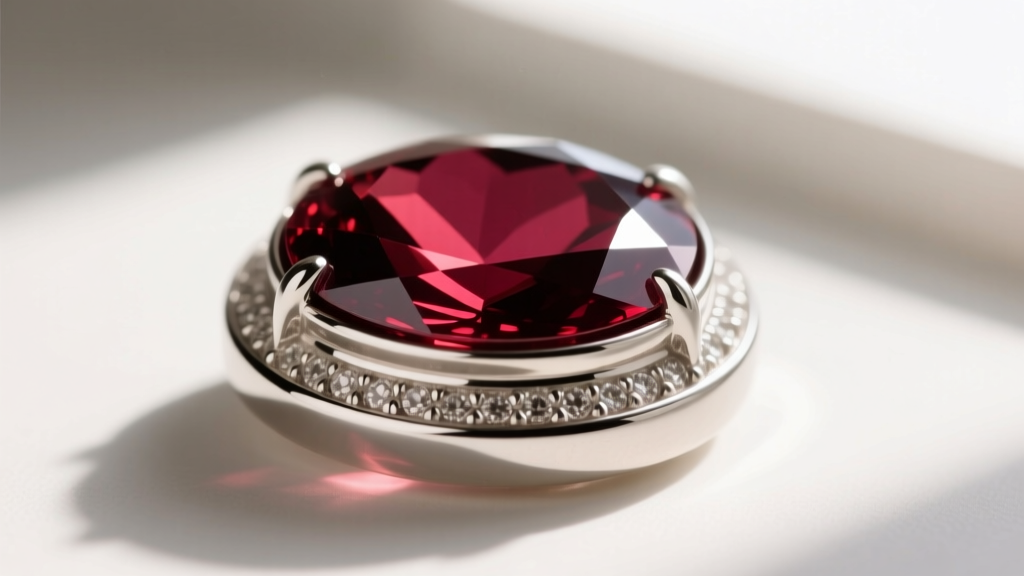
Prong settings maximize light entry and brilliance but leave the gemstone's girdle exposed to impacts. Bezel settings, where a continuous rim of metal surrounds the stone, offer maximum protection. The table below breaks down the technical trade-offs of common setting styles for active wearers.
| Setting Type | Security Level | Light Performance | Best Use Case |
|---|---|---|---|
| Full Bezel | Maximum | Reduced (blocks side light) | Active lifestyles, low-profile rings |
| Six-Prong | High | Excellent | Standard engagement rings (requires 0.9mm+ prongs) |
| Four-Prong | Moderate | Maximum | Stud earrings, occasional-wear pendants |
| Pavé / Micro-Pavé | Low | High (surface sparkle) | Accent stones only; avoid on ring shanks |
Chain Link Tensile Strength
When selecting necklaces, the chain link architecture dictates its lifespan. Herringbone and snake chains are notoriously fragile; once bent, their internal structure is permanently compromised, leading to kinking and eventual snapping. For a durable gift, opt for Curb, Cable, or Figaro chains. Crucially, check the manufacturing method. High-quality chains feature laser-welded links. A laser-welded cable chain can withstand significant tensile stress without the links pulling apart, whereas cheap, machine-crimped links will easily stretch and fail under the weight of a heavy pendant.
The Technical Gifting Checklist
Before finalizing any of your jewelry gift ideas, run the piece through this technical checklist:
- Metal Verification: Is it solid 14k/18k gold or 950 platinum? Avoid gold-plated brass or sterling silver for daily-wear rings (silver is too soft, registering only 2.5 on the Mohs scale).
- Gemstone Toughness: Does the stone lack cleavage planes? (Sapphire/Ruby/Spinel = Yes; Topaz/Diamond = Requires protective settings).
- Setting Architecture: Are the prongs at least 0.9mm thick? Is the stone's girdle protected by a bezel or halo if the recipient is active?
- Link Integrity: Are the chain links laser-welded and structurally resistant to kinking?
By applying metallurgical and gemological principles to your purchasing decisions, you elevate the act of gifting from a simple transaction to an investment in enduring craftsmanship. For further reading on gemstone stability and wearability, the GIA Gem Encyclopedia remains the definitive technical resource. Choose materials that respect the physics of daily life, and your gift will truly stand the test of time.


