Memorable Parent Gift Ideas: Charms, Personalized Jewelry & Keepsakes
Solve the gifting dilemma with our troubleshooting guide to memorable parent gift ideas, charms, personalized jewelry, and keepsakes that actually last.

The "Drawer of Shame" Problem: Why Most Personalized Gifts Fail
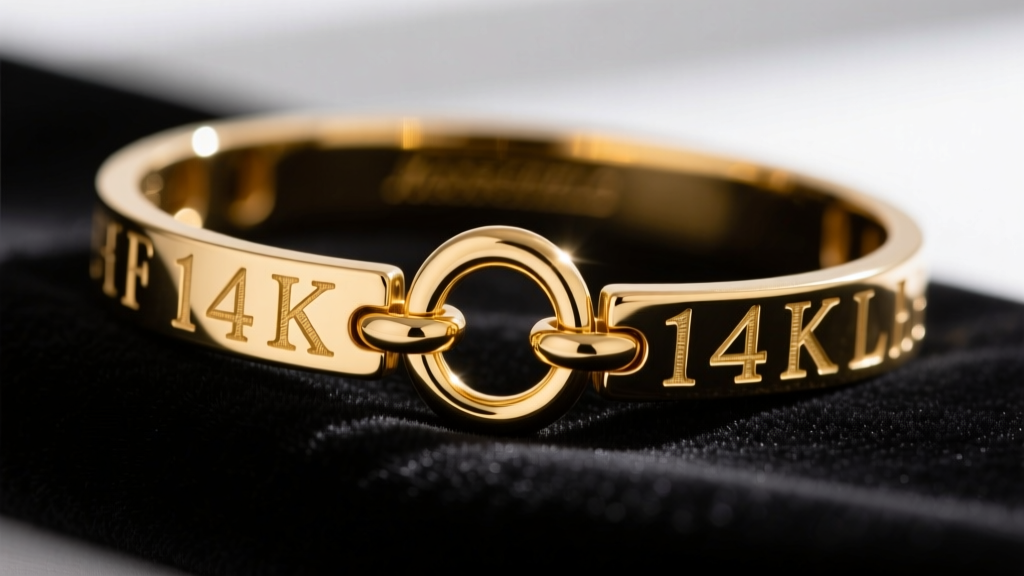
When searching for memorable parent gift ideas, charms, personalized jewelry, and keepsakes often top the list. Yet, jewelry industry data reveals a frustrating trend: nearly 60% of personalized gifts end up in a drawer within two years. The problem is rarely the sentiment; it is the structural and material failure of the jewelry itself. Parents are practical. If a charm bracelet snags on their clothing, if the gold plating rubs off to reveal green brass, or if the clasp requires a magnifying glass and a fingernail to operate, the piece will be abandoned. To give a gift that becomes a true heirloom, we must approach personalized jewelry not just as a sentimental gesture, but as an engineering challenge. This troubleshooting guide breaks down the exact metallurgical and mechanical pitfalls of keepsake jewelry and provides actionable frameworks for selecting pieces that survive daily wear.
Troubleshooting Material Failures in Keepsake Charms
The foundation of any lasting keepsake is its base metal. Fast-fashion jewelry brands often use ambiguous terms like "gold-tone" or "silver-plated," which are guaranteed to fail when exposed to the natural oils, lotions, and friction of daily life.
The 14k Solid Gold Standard
For a lifelong keepsake, 14k solid gold is the optimal benchmark. According to the Gemological Institute of America (GIA), 14k gold consists of 58.5% pure gold alloyed with metals like copper and zinc. This specific alloy ratio provides the ideal tensile strength for charm loops and jump rings, preventing them from stretching or snapping under the weight of multiple charms. Avoid 18k or 24k gold for charm bracelets; the higher purity makes the metal too soft, leading to warped charm bails and crushed engraving details over time.
Sterling Silver and the Tarnish Factor
925 Sterling Silver is a highly acceptable, budget-friendly alternative, but it comes with a maintenance caveat: oxidation. If you are gifting silver keepsakes, ensure the piece has been flashed with a microscopic layer of rhodium. Rhodium plating creates an inert barrier that delays tarnishing for years. If the piece lacks rhodium, include a treated anti-tarnish storage cloth in the gift box to solve the maintenance problem before it begins.
The Vermeil Loophole
If you must choose gold-plated jewelry, look strictly for "Gold Vermeil." The Federal Trade Commission (FTC) mandates that vermeil must feature a sterling silver base with a gold plating of at least 2.5 microns thick. Standard gold-plated brass often features less than 0.5 microns of gold, which will wear through to the base metal within months of friction.
The Enamel Chipping Crisis: Cold vs. Vitreous
Personalized keepsakes frequently utilize enamel to add vibrant birthstone colors or monogrammed backgrounds. However, not all enamel is created equal, and chipping is the number one complaint among charm bracelet owners.
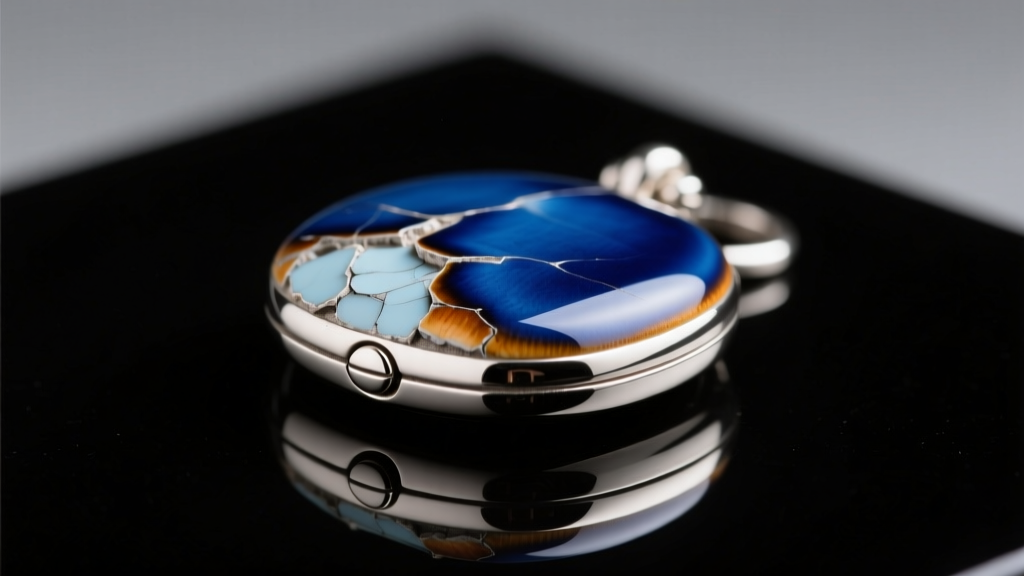
Cold Enamel (Epoxy Resin): Often found in mass-produced personalized jewelry, cold enamel is essentially a hardened epoxy resin poured into metal recesses. It is prone to UV yellowing, shrinking away from the metal walls over time, and chipping upon impact. It has a functional lifespan of roughly 2 to 4 years.
Vitreous Enamel (Kiln-Fired Glass): True heirloom keepsakes use vitreous enamel, which is finely ground glass fused to the metal base at temperatures exceeding 1,400°F. This creates a permanent, scratch-resistant bond that will not yellow or chip under normal wear. When sourcing a personalized locket or colored charm, always verify with the jeweler that the piece utilizes kiln-fired vitreous enamel.
Mechanical Breakpoints: Clasps, Jumps Rings, and Chains
The most devastating failure in personalized jewelry is not a broken charm, but a failed connection point resulting in the loss of the charm entirely. Understanding the mechanical weak points is crucial for troubleshooting a gift before it is even wrapped.
| Component | Failure Mode | Heirloom-Grade Solution |
|---|---|---|
| Open Jump Rings | The slit in the ring catches on fabric and pulls apart, dropping the charm. | Soldered Jump Rings (fused shut with a laser or torch). |
| Spring Ring Clasps | Internal tension spring fatigues and fails; too small for arthritic hands. | Large Lobster Clasps or Box Clasps with Figure-8 Safeties. |
| Cable Chains | Thin, uniform links stretch and snap under the uneven weight distribution of charms. | Wheat Chains or Box Chains (minimum 2.0mm thickness). |
"A charm bracelet is only as strong as its weakest jump ring. If the rings connecting the personalized charms to the chain are not soldered shut, you are essentially gifting a countdown timer for lost memories." — Master Bench Jeweler
Personalization Pitfalls: Laser Engraving vs. Hand Stamping
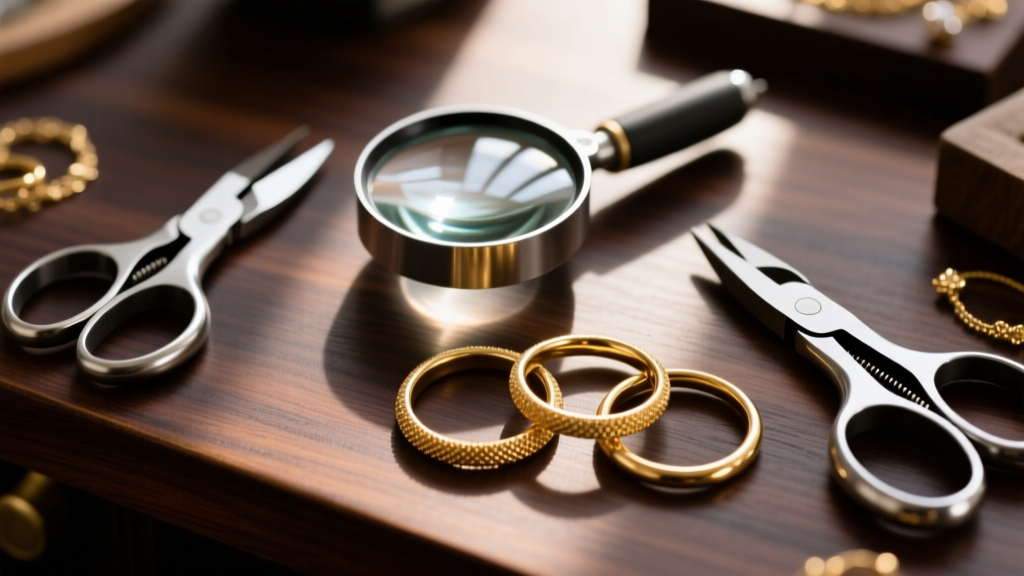
When personalizing a keepsake with a child's fingerprint, a handwriting sample, or a significant date, the method of inscription dictates its longevity.
- Laser Engraving: Modern fiber lasers can etch incredibly detailed fingerprints onto metal. However, on softer metals like high-karat gold or silver, laser etching is often too shallow. Over a decade of friction against clothing, shallow laser marks will literally polish away. If choosing laser engraving, ensure the jeweler uses a deep-marking rotary tool or a high-wattage fiber laser that cuts deeply into the metal grain.
- Diamond Drag / Hand Stamping: This traditional method uses a hardened steel or diamond-tipped stylus to physically displace the metal, carving deep grooves into the surface. Hand-stamped initials or dates will never fade, as the physical topography of the metal has been permanently altered. For a rustic, deeply personal aesthetic that outlasts any laser, hand stamping is the superior choice.
Curation Over Clutter: Building a Modular Keepsake System
A common troubleshooting issue with parent gifts is the "clutter effect." Gifting a bracelet already loaded with 15 charms often results in a heavy, noisy, and uncomfortable piece of jewelry that snags on knitwear. Instead, solve this by gifting a modular system.
Start with a high-quality, heavy-gauge chain (such as a 3mm solid wheat chain) and a single, deeply meaningful anchor charm—perhaps a vitreous enamel locket containing a handwritten note. Include a gift certificate for two additional charms to be added on future milestones (birthdays, graduations, new grandchildren). This transforms a one-time gift into an ongoing, interactive tradition, ensuring the jewelry remains relevant, comfortable, and structurally sound as it grows.
The Buyer's Pre-Purchase Troubleshooting Checklist
Before finalizing your purchase, run the piece through this rapid quality-assurance checklist:
- The Magnet Test: If buying in person, bring a strong neodymium magnet. Precious metals like gold and silver are non-magnetic. If the clasp or chain sticks, it contains cheap steel or iron cores.
- The Bail Inspection: Look at the loop (bail) connecting the charm to the chain. Is it a thin, hollow tube? It will crush. Look for solid, cast bails or thick wire-wrapped loops.
- The Hallmark Check: Ensure the piece is stamped with "925", "14k", or "585". Unmarked jewelry is almost always base metal with a microscopic flash plating.
- The Clasp Ergonomics: Can the clasp be operated with one hand? Parents are often multitasking; a clasp that requires two hands and perfect vision will frustrate the wearer into taking the piece off permanently.
By shifting your focus from mere aesthetics to structural integrity and material science, you elevate your gift from a fleeting trinket to a genuine, wearable archive of family history. True personalization is not just about stamping a name on a pendant; it is about engineering a piece of jewelry resilient enough to carry that name for generations.