Ultimate Care Guide: Cleaning Copper for Jewelry & Patina Control
Discover expert tips on cleaning copper for jewelry, managing patina, and preventing skin discoloration to keep artisan pieces shining.

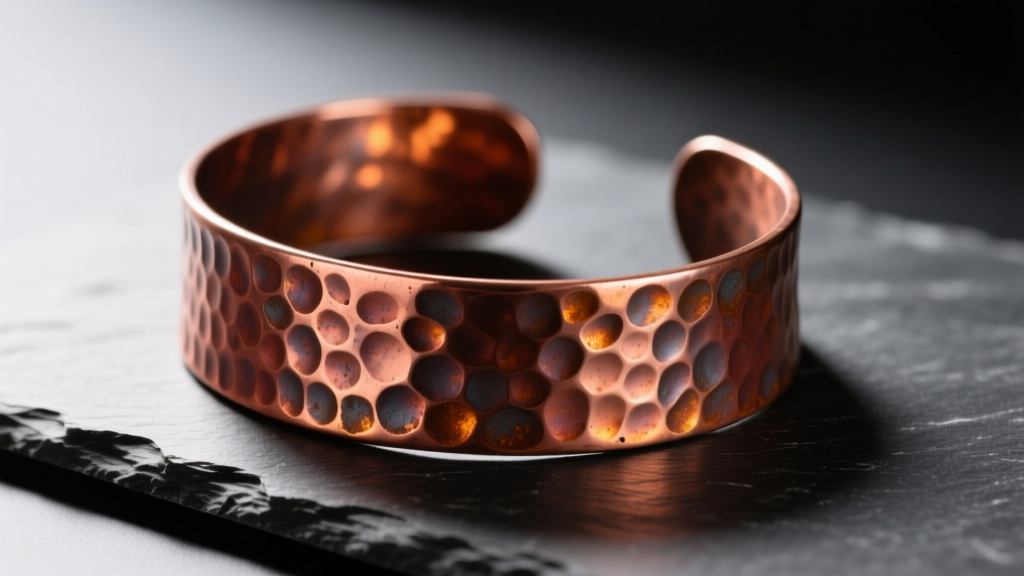
The Allure and Chemistry of Copper Alloys
When selecting copper for jewelry, collectors and artisans are drawn to its warm, earthy tones, historical significance, and unique antimicrobial properties. However, unlike noble metals such as gold or platinum, copper is a highly reactive transition metal. As we navigate the artisan jewelry landscape in 2026, understanding the metallurgical behavior of copper is essential for proper maintenance. Copper registers at just 2.5 to 3 on the Mohs hardness scale and possesses a Vickers hardness (HV) of roughly 50-70, making it significantly softer and more prone to micro-scratches than brass or bronze.
Tarnish on copper is not a single chemical event but a progressive oxidation sequence. Initially, copper reacts with atmospheric oxygen to form cuprite (Cu2O), which presents as a dull, reddish-brown layer. With prolonged exposure to moisture, carbon dioxide, and environmental pollutants, this layer converts into copper carbonate (malachite and azurite), resulting in the iconic green or blue-green verdigris. While this patina is highly prized in architectural elements and antique sculptures, it is often undesirable in wearable jewelry, particularly on high-friction areas like ring bands and bracelet clasps.
The Green Skin Phenomenon: Myth vs. Reality
One of the most common deterrents for wearing copper for jewelry is the infamous "green skin" effect. This is not an allergic reaction or a sign of toxic heavy metals; it is a simple acid-base chemical reaction. Human sweat contains water, salts (sodium chloride), and lactic acid. When these compounds mix with the copper oxide layer on the jewelry, they form copper chloride and copper chelates, which are easily absorbed into the outermost layer of the epidermis, leaving a harmless green stain.
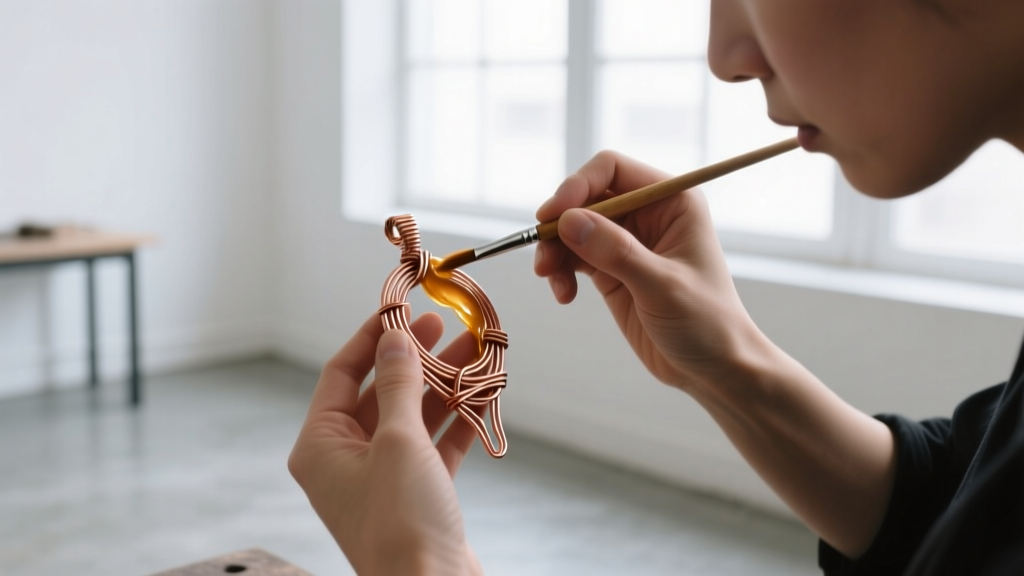
To mitigate this, jewelers employ specialized barrier coatings. The outdated advice of painting the inside of a copper ring with clear nail polish is highly discouraged, as standard nitrocellulose lacquers yellow, crack, and peel rapidly against skin oils. Instead, professionals rely on two industry-standard sealants:
- Everbrite ProtectaClear: A polyurethane-based, self-leveling coating that provides a durable, invisible barrier. It is highly resistant to skin acids and can withstand months of daily wear before requiring reapplication.
- Renaissance Wax: A microcrystalline wax originally developed by the British Museum. While it offers a beautiful, soft luster and excellent short-term protection, it requires reapplication every few weeks for items worn directly against the skin.
Deep Cleaning Methods: From Gentle to Aggressive
When your copper pieces have lost their luster and require a reset, the cleaning method must be matched to the piece's gauge thickness and structural integrity. Thin, 24-gauge copper sheet components can easily warp or dent if subjected to vigorous mechanical polishing. Below are three proven methods for stripping tarnish, categorized by their chemical aggressiveness.
Method 1: The Citric Acid and Salt Bath (Mild)
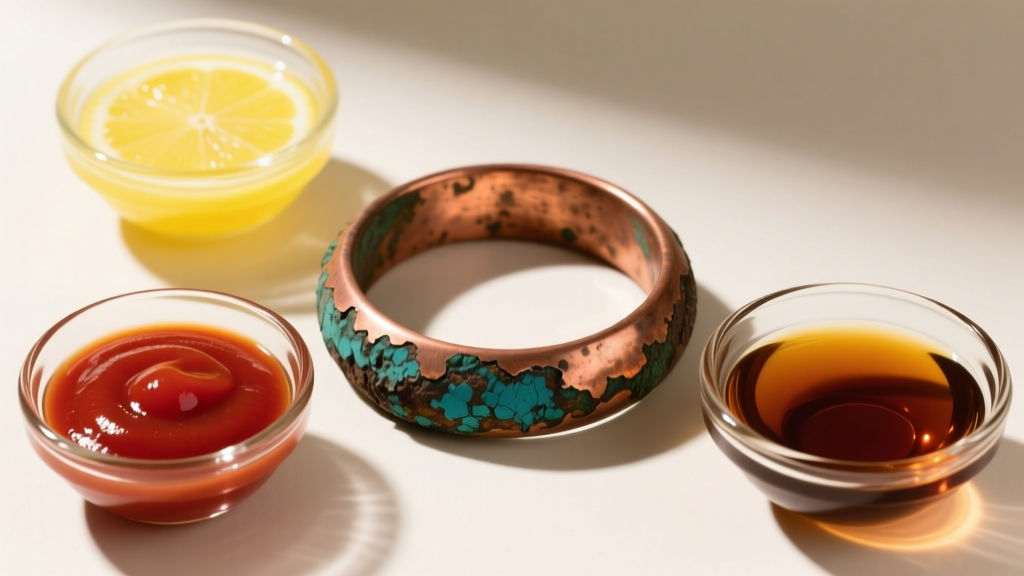
This method leverages the natural chelating properties of citric acid combined with the mild abrasiveness of sodium chloride. Squeeze the juice of one lemon into a non-reactive glass bowl and stir in a tablespoon of non-iodized salt. Submerge the copper jewelry for 5 to 10 minutes. The acid dissolves the copper carbonate layer, while the salt acts as a gentle catalyst. Rinse thoroughly with distilled water and immediately dry with a microfiber cloth to prevent water spots.
Method 2: The Acetic Acid Paste (Moderate)
For localized, stubborn tarnish on heavy-gauge copper cuffs or solid cast pieces, a paste made from ketchup or white vinegar and baking soda is highly effective. The acetic acid in the condiment breaks down heavy oxidation. Apply the paste with a soft-bristled toothbrush, working in small circular motions. This method is particularly useful for cleaning the intricate textures of hammered or stamped copper designs where liquid baths cannot reach.
Method 3: Commercial Copper Cleaners (Aggressive)
Products like Wright's Copper Cream or Bar Keepers Friend contain oxalic acid and fine pumice abrasives. These should be reserved for heavily neglected pieces with thick, black tenorite (CuO) layers. According to guidelines published by the Canadian Conservation Institute, abrasive commercial polishes should be used sparingly, as they remove a microscopic layer of the base metal with every application, potentially softening crisp engraving lines over time.
Cleaning Method Comparison Matrix
| Cleaning Method | Active Agent | Time Required | Abrasiveness | Best Application |
|---|---|---|---|---|
| Lemon & Salt Bath | Citric Acid | 5-10 Minutes | Very Low | Delicate chains, wire-wrapped pendants |
| Ketchup / Vinegar Paste | Acetic Acid | 10-15 Minutes | Low-Medium | Textured cuffs, stamped rings |
| Commercial Cream Polish | Oxalic Acid + Pumice | 3-5 Minutes | High | Heavy cast pieces, severe black oxidation |
| Sunshine Polishing Cloth | Jeweler's Rouge | 1-2 Minutes | Medium | Maintenance polishing, high-spot shining |
Embracing the Patina: When NOT to Clean
In many contemporary and artisan contexts, the dark, oxidized recesses of copper jewelry are intentionally designed to provide contrast and depth. This is often achieved artificially using Liver of Sulfur (potassium polysulfide) to force a rapid, controlled blackening of the metal. If your copper for jewelry features an antiqued finish, submerging it in acidic baths will strip the dark patina from the crevices, leaving the piece looking flat and unnaturally bright.
"The beauty of copper lies in its living finish. An artisan piece should be polished only on the high-contact areas, allowing the natural oils of the skin to maintain the bright ridges while the recesses remain dark and mysterious." — Master Metalsmith Guild Guidelines, 2025.
For antiqued pieces, avoid liquid cleaners entirely. Instead, use a treated jeweler's polishing cloth (such as a Sunshine cloth) to gently buff only the raised, textured high points. This preserves the dark background while restoring the warm copper glow to the surface details.
The Danger of Ultrasonic Cleaners
A common mistake in modern jewelry care is the assumption that ultrasonic cleaners are safe for all metals. While ultrasonic waves are excellent for dislodging dirt from diamond settings, they can be disastrous for copper jewelry. The high-frequency cavitation bubbles can literally shake loose the delicate wire-wrapping often used in artisan copper designs. Furthermore, if the copper piece features glued-in cabochons (such as turquoise or lapis lazuli, which are frequently paired with copper), the ultrasonic vibrations and heated cleaning solutions will degrade the epoxy adhesives, causing the stones to pop out. Always stick to manual, chemical, or gentle mechanical cleaning for copper alloys.
Strategic Storage Protocols
Prevention is always more efficient than restoration. To slow the oxidation process, copper jewelry must be stored in an environment that limits exposure to atmospheric moisture and sulfur compounds. The Gemological Institute of America (GIA) recommends storing reactive metals in airtight environments. Place your copper pieces in individual zip-lock bags made of polyethylene (avoid PVC, which can off-gas corrosive chemicals). Include a small silica gel desiccant packet to keep the relative humidity (RH) inside the bag below 40%, and add a 3M anti-tarnish strip to absorb airborne sulfur and ozone. By controlling the micro-climate of your storage, you can keep your copper jewelry pristine for months between wears, ensuring its warm, radiant beauty endures for a lifetime.