How to Restore a Pewter Jewelry Box and Protect Stored Metals
Learn how to safely clean, restore, and line a vintage pewter jewelry box to protect your copper, brass, and bronze pieces from tarnish.

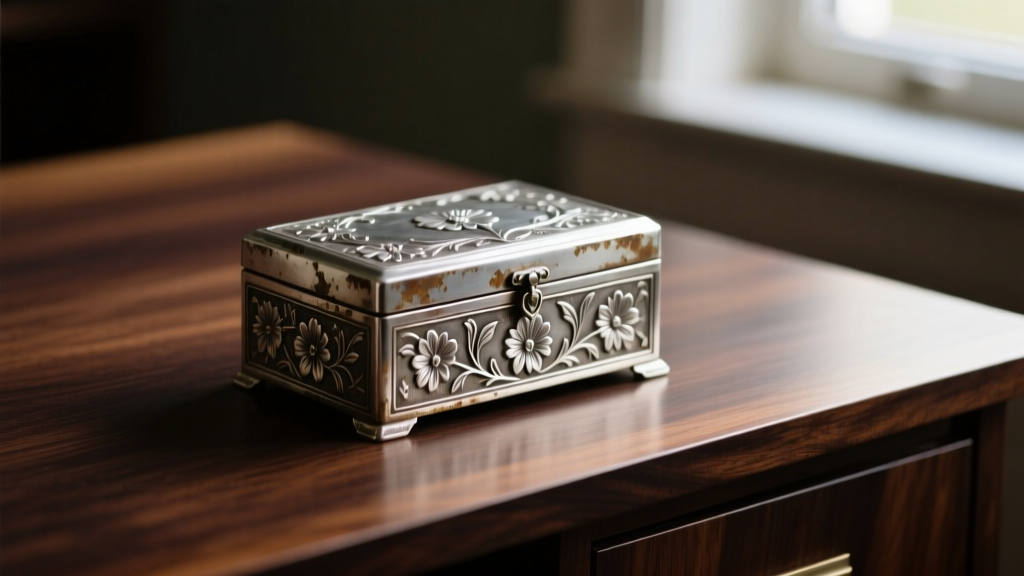
Pewter jewelry boxes are cherished heirloom pieces, often passed down through generations or discovered in antique markets. However, restoring a vintage pewter jewelry box requires a nuanced understanding of metallurgy, especially if you plan to use it to store reactive base metals like copper, brass, and bronze. Unlike silver or gold, pewter is a soft, low-melting-point alloy that demands specific cleaning protocols to avoid irreversible surface damage. Furthermore, storing raw copper or brass directly against bare pewter can trigger destructive chemical reactions. This comprehensive guide will walk you through the exact steps to clean, restore, and properly line your pewter storage vessel, ensuring your jewelry collection remains pristine.
Understanding Your Pewter Jewelry Box: Alloys and Antiquity
Before applying any polish or water, you must identify the era and composition of your box. Modern pewter (post-1970s) is primarily composed of tin (90-99%), alloyed with antimony (1-8%) and copper (0.5-8%) to add hardness and a warm, silvery luster. Antique pewter, however, often contains significant amounts of lead to improve castability.
From a conservation standpoint, pewter ranks very low on the Mohs hardness scale—typically between 1.5 and 2.0. This means it is softer than a copper penny and can be easily scratched by abrasive baking soda pastes or stiff-bristled brushes. Additionally, tin is highly susceptible to acidic corrosion. Using common DIY jewelry cleaners like lemon juice or vinegar will rapidly etch the surface of a pewter jewelry box, leaving permanent dull spots and microscopic pitting.
Step 1: Assessment and Safe Preparation
Begin by emptying the box completely. Remove any old, degrading felt or velvet liners, as the adhesives used in mid-century linings often contain sulfur compounds that accelerate tarnishing. If you suspect the box is an antique, purchase a simple lead test swab from a hardware store to test the interior and unpolished crevices. If lead is present, you must seal the metal with a clear, conservation-grade microcrystalline wax (such as Renaissance Wax) rather than leaving it bare, and you should handle it with nitrile gloves during the cleaning process.
Essential Tools for the Job:
- pH-neutral dish soap (e.g., Dawn Free & Clear)
- Distilled water (tap water contains chlorine and minerals that spot tin)
- Non-abrasive pewter polish (e.g., Hagerty Pewter Polish)
- 100% cotton flannel or microfiber cloths
- Soft-bristled detailing brushes (like clean makeup brushes)
- Archival-quality anti-tarnish flannel or Pacific Silvercloth
Step 2: The Deep Clean (Without Stripping the Patina)
The goal of cleaning a pewter jewelry box is to remove surface grime, oxidized oils, and environmental pollutants without stripping the soft, mellow patina that gives antique pewter its character.
Phase A: The Gentle Wash
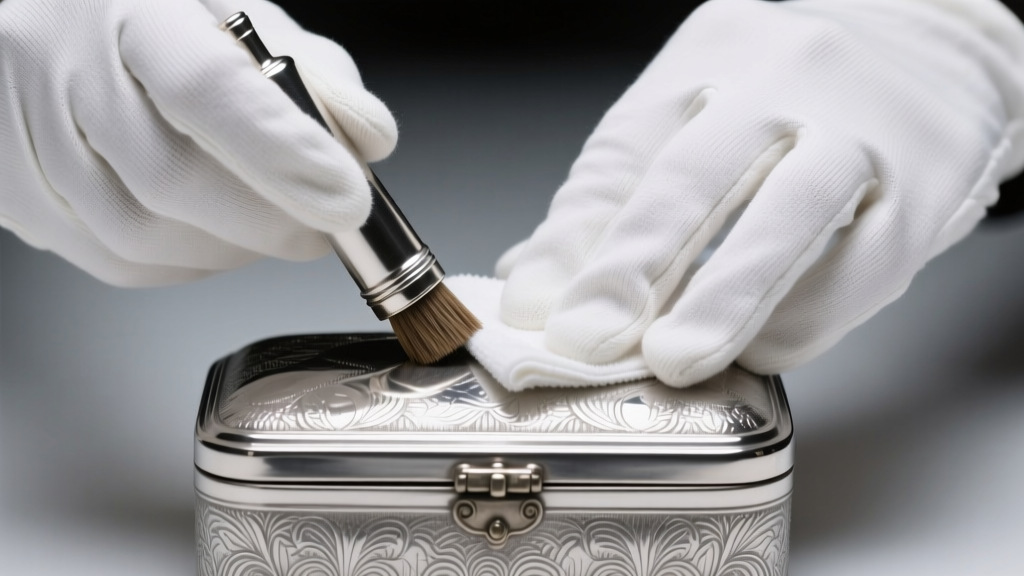
Mix a few drops of pH-neutral soap into a bowl of lukewarm distilled water. Dampen a cotton cloth—do not soak it—and gently wipe down the exterior. For intricate engravings or repoussé work, dip a soft detailing brush into the solution, gently agitate the dirt, and immediately dab it dry with a clean towel. Never submerge a pewter box, especially if it has a wooden base or hinged joints, as trapped moisture will cause structural rot or internal rusting of the steel hinge pins.
Phase B: Targeted Polishing
Once the box is completely dry, apply a dime-sized amount of specialized pewter polish to a cotton cloth. Work in small, circular sections. According to conservation guidelines outlined by the American Institute for Conservation, mechanical action should always be kept to a minimum on soft alloys. Rub gently until the cloth turns gray or black, indicating the removal of surface oxidation. Buff immediately with a clean side of the cloth to reveal the satin finish.
Step 3: Prepping the Interior for Reactive Metals
This is the most critical step for enthusiasts of copper, brass, and bronze jewelry. If you place bare copper or brass items directly against a bare pewter interior in an environment with high humidity, you risk galvanic corrosion.
In the galvanic series of metals, tin (the primary component of pewter) is more anodic (active) than copper and brass. When moisture acts as an electrolyte between the two dissimilar metals, the tin will sacrificially corrode to protect the copper. Over a few months, you will notice white, powdery oxidation (tin oxide) forming on the interior of your box, while your copper jewelry remains surprisingly bright. To prevent the destruction of your heirloom box, a physical and chemical barrier is mandatory.
Material Compatibility and Tarnish Prevention Chart
| Lining Material | Effect on Pewter | Effect on Copper/Brass | Verdict |
|---|---|---|---|
| Standard Craft Felt | Traps moisture, promotes tin oxidation | Contains sulfur, turns copper black | Avoid Completely |
| Acid-Free Tissue Paper | Safe, but offers no friction protection | Neutral, but does not stop airborne tarnish | Use as temporary wrap only |
| Pacific Silvercloth | Safe, blocks airborne pollutants | Actively absorbs H2S gas, prevents tarnish | Highly Recommended |
| Anti-Tarnish Strips (3M) | Inert, protects surrounding environment | Intercepts corrosive gases in enclosed space | Essential Add-on |
Step 4: Archival Lining and Anti-Tarnish Integration
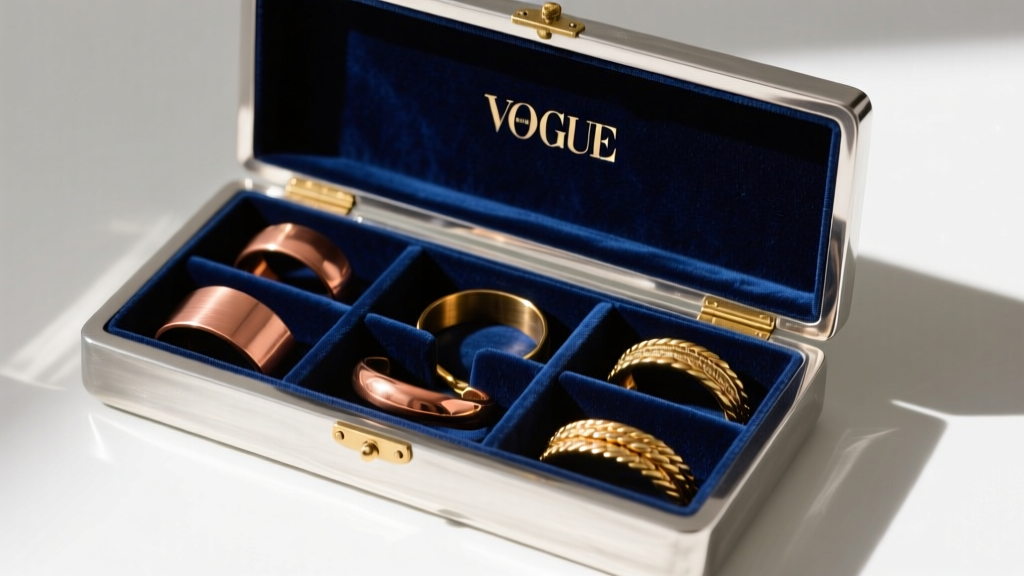
To properly line your restored pewter jewelry box, you must use materials that are chemically inert and actively hostile to tarnish-causing gases like hydrogen sulfide. Brands like Rio Grande offer specialized anti-tarnish fabrics and tabs designed specifically for base metals.
- Template Creation: Place the box on a piece of heavy cardstock and trace the interior dimensions of the base and the lid. Cut the cardstock to create a perfect template, ensuring you account for the rounded corners and hinge clearances.
- Cutting the Fabric: Pin your template to a yard of Pacific Silvercloth or treated anti-tarnish flannel. Cut the fabric, leaving a 1/4-inch margin for folding.
- Adhesion: Do not use standard super glues or hot glue, which off-gas acidic vapors as they cure. Instead, use a pH-neutral, archival-quality PVA adhesive or double-sided archival tape. Apply the adhesive to the back of the fabric or the interior walls of the pewter box, pressing firmly to ensure a wrinkle-free fit.
- Adding Interceptors: Cut 3M anti-tarnish strips into 1-inch squares. Tuck these discreetly into the corners of the newly lined box, underneath the fabric folds if possible. These strips will absorb corrosive gases for up to two years before needing replacement.
Ongoing Maintenance for Pewter and Base Metal Storage
'The secret to preserving both the storage vessel and the jewelry within is controlling the microclimate. A sealed, lined environment with active sulfur absorbers will keep brass and copper gleaming for months without the need for chemical dips or abrasive polishing.' — Conservation Best Practices for Private Collectors
To maintain your newly restored pewter jewelry box, keep it out of direct sunlight and away from humid environments like bathrooms. Dust the exterior monthly with a dry, soft cotton cloth. Once a year, apply a micro-thin layer of Renaissance Wax to the exterior to seal the tin alloy from ambient humidity and fingerprint oils.
By understanding the unique metallurgical properties of pewter and the chemical needs of copper, brass, and bronze, you transform a simple antique container into a highly functional, museum-grade preservation environment. Your heirloom box will not only look stunning on your vanity but will actively work to protect the beautiful, reactive metals stored inside.


