Copper Wire Jewelry Buying Guide: Gauge, Purity & Care
Discover what to look for when buying copper wire jewelry. Learn about wire gauges, purity grades, patina care, and sealing methods in our expert guide.

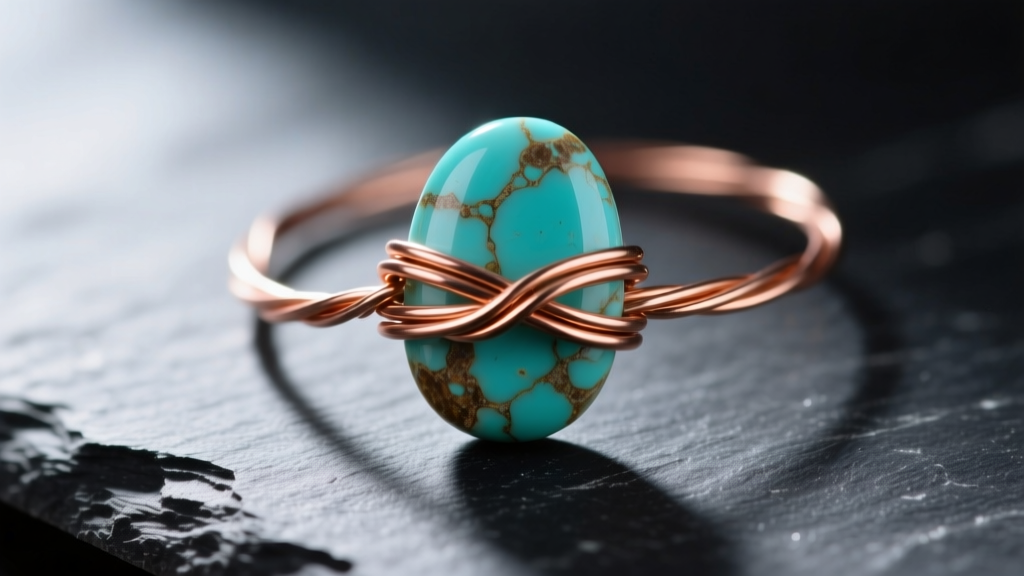
Copper wire jewelry has evolved far beyond simple craft projects, emerging as a highly respected medium in contemporary artisan jewelry design. As we navigate the 2026 jewelry market, buyers are increasingly drawn to the warm, earthy tones and intricate woven textures that only copper can provide. However, not all copper pieces are created equal. The difference between a fragile, mass-produced trinket and a durable, heirloom-quality artisan piece lies in the metallurgical details, wire gauges, and finishing techniques used by the maker. Whether you are investing in a statement bangle or a delicate wire-wrapped pendant, this comprehensive buying guide will equip you with the technical knowledge needed to evaluate copper wire jewelry like a seasoned expert.
Understanding Copper Purity and Alloys
The first critical factor in evaluating copper wire jewelry is the purity of the metal. In the jewelry industry, the most common standard is C110 Electrolytic Tough Pitch (ETP) copper, which boasts a 99.9% purity level. This grade offers the ideal balance of malleability for intricate weaving and structural integrity for daily wear. According to Rio Grande, a premier authority in jewelry metallurgy, C110 copper is the benchmark for precious metal alternatives due to its predictable work-hardening rates and excellent response to chemical patinas.
Some high-end artisans may use C102 Oxygen-Free copper. While slightly more expensive, oxygen-free copper resists hydrogen embrittlement and takes a mirror-like polish that rivals silver. Conversely, be wary of unlabeled "craft wire" from big-box stores, which is often aluminum with a thin copper-colored anodized coating. This material lacks the thermal conductivity, weight, and authentic patina potential of genuine solid copper.
Enameled vs. Bare Copper
When browsing wire-wrapped pieces, you will frequently encounter enameled copper wire (often referred to as magnet wire). This wire features a microscopic polyurethane or polyester coating that prevents oxidation and comes in vibrant colors. While excellent for adding pops of color to a weave, bare, uncoated copper is required if you desire the natural antimicrobial properties and the ability to develop a rich, dark patina over time.
Decoding Wire Gauges: What Thickness Do You Need?
Wire thickness is measured using the American Wire Gauge (AWG) system, where a higher number indicates a thinner wire. Understanding gauge sizes is crucial for assessing the durability and intended use of a piece. A pendant woven entirely from 28-gauge wire will be highly delicate, whereas a bangle forged from 14-gauge wire will withstand significant impact.
| Wire Gauge (AWG) | Diameter (mm) | Best Jewelry Application | Recommended Temper |
|---|---|---|---|
| 28 - 30 Gauge | 0.32 - 0.25mm | Intricate micro-weaving, coiling, securing cabochons | Dead Soft |
| 24 - 26 Gauge | 0.51 - 0.40mm | Standard wire wrapping, chainmaille jumps, weaving | Dead Soft / Half-Hard |
| 20 - 22 Gauge | 0.81 - 0.64mm | Ear wires, jump rings, structural wraps, small clasps | Half-Hard |
| 16 - 18 Gauge | 1.29 - 1.02mm | Bangles, heavy rings, necklace collars, prongs | Half-Hard / Full-Hard |
Temper and Work Hardening: The Hidden Durability Factor
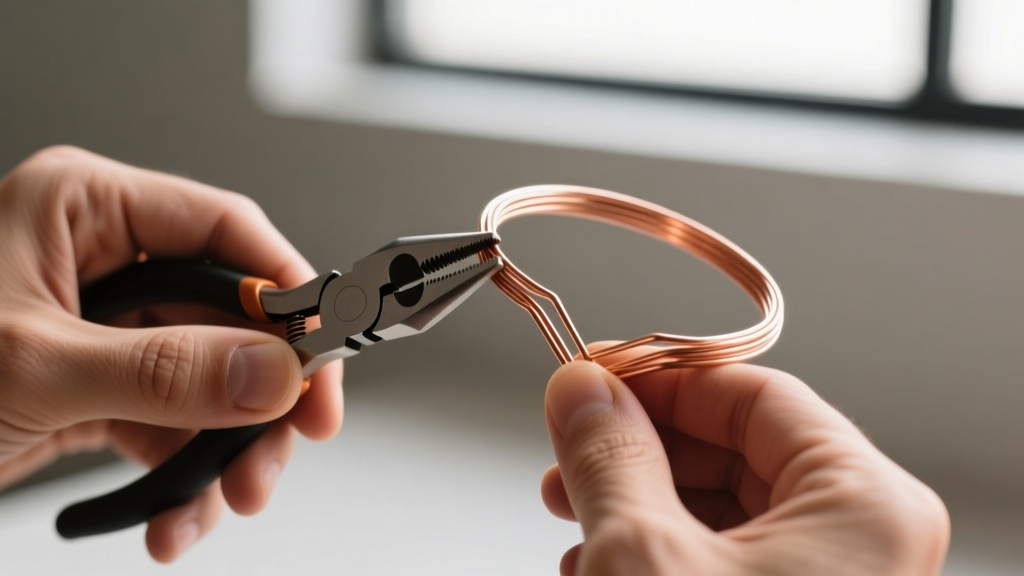
Copper wire is sold in different "tempers" or hardness levels: dead soft, half-hard, and full-hard (spring). Dead soft copper bends effortlessly and is essential for complex weaves like the Byzantine or Celtic knot patterns. However, it lacks structural memory. Half-hard copper has been partially work-hardened, offering a springy resistance that makes it ideal for ear wires and clasps that need to snap back into shape.
As an artisan manipulates dead soft copper, the crystal lattice of the metal deforms, causing it to become brittle—a process known as work hardening. If you are buying a heavily woven piece, inquire whether the artisan annealed the wire during the process. Annealing involves heating the copper to a dull cherry red and quenching it, which resets the crystalline structure and prevents the wire from snapping under tension. Resources like Wire-Sculpture emphasize that proper annealing and work-hardening management are the hallmarks of a master wire weaver.
The Patina Process and Skin Reactions
One of the most debated aspects of copper jewelry is its interaction with human skin. Copper naturally reacts with the chlorides, lactic acid, and oxygen present in human sweat to form copper chelates, which can leave a harmless green or black stain on the skin. This is not an allergic reaction; rather, it is a well-documented chemical process that actually indicates the metal is pure and unalloyed.
Chemical Patinas vs. Natural Oxidation
Artisans often accelerate oxidation using Liver of Sulfur (LOS) to create deep browns, iridescent purples, or matte blacks (cupric sulfide). When buying, look for pieces where the patina has been hand-polished with fine steel wool or polishing pads to leave the high points bright while the recesses remain dark. This high-contrast antiquing highlights the intricate geometry of the wire weave and provides a sealed, stable surface that is less likely to turn your skin green than raw, bright copper.
To Seal or Not to Seal? Finishing Techniques
If the green skin effect is a dealbreaker for you or your customers, you must seek out sealed copper wire jewelry. However, not all sealants are created equal, and the wrong choice will result in a peeling, unsightly mess within weeks.
- Everbrite ProtectaClear: A polyurethane-based, flexible coating specifically designed for jewelry. It moves with the metal as it flexes, preventing the micro-cracking seen in cheaper lacquers. This is the gold standard for sealing copper rings and bracelets.
- Renaissance Wax: A microcrystalline wax developed by the British Museum. It provides a beautiful, soft, natural sheen and resists moisture. However, it requires reapplication every few months on high-friction areas like ring bands.
- Acrylic Lacquers: Generally discouraged for wire-wrapped jewelry. Because wire weaves have hundreds of tiny crevices, rigid lacquers tend to pool, dry white, and eventually flake off in highly visible chips.
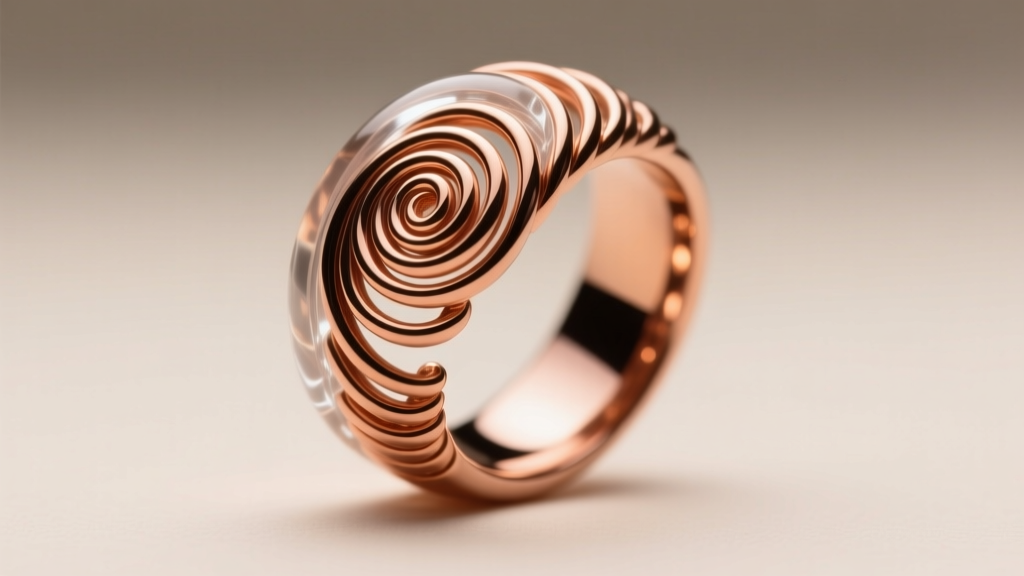
Quality Checklist: Inspecting Artisan Craftsmanship
When evaluating a piece of copper wire jewelry in person or via high-resolution photos, use this checklist to verify the artisan's technical proficiency:
- Flush Cuts: Inspect the ends of the wires. They should be filed completely flush or tucked seamlessly into the weave. Sharp, protruding wire ends are a sign of rushed mass-production and will snag on clothing.
- Tool Marks: While minor marring can occur, high-end pieces should show minimal gouging from steel pliers. Master weavers use nylon-jaw pliers or tape their steel tools to protect the copper's surface.
- Tension Consistency: In woven pieces, the loops should be uniform. Sloppy, uneven tension indicates that the maker did not properly manage the wire's work-hardening process.
- Stone Security: If the copper wire is wrapping a cabochon, the wire should sit flush against the stone's girdle without gaps, utilizing the metal's spring tension rather than relying on excessive glue.
"True mastery in wire weaving isn't just about complex patterns; it's about understanding the metallurgical limits of the copper and guiding it into a permanent, structural form without inducing metal fatigue." — Master Artisan Jewelers Guild, 2025 Symposium.
Final Thoughts on Investing in Copper
Copper wire jewelry offers an unparalleled blend of affordability, artistic expression, and historical resonance. By paying close attention to AWG gauges, purity grades like C110, and the specific sealing methods employed by the artist, you can confidently curate a collection of durable, breathtaking pieces. Whether you prefer the raw, living finish of unsealed copper that evolves with your body chemistry, or the pristine, protected shine of a lacquered bangle, understanding the science behind the wire ensures your jewelry will stand the test of time.
Related stories
By Material
How To Start Copper Brass: A Practical, Field-Tested Guide for Beginners and Small-Scale Fabricators

By Material
Master Soldering Copper Jewelry: Troubleshooting Pitting and Balling

By Material