Does Copper Jewelry Turn Your Skin Green? The Science & Care Guide
Discover why copper jewelry turns skin green, the science behind the reaction, and expert care tips to prevent staining while wearing raw copper.

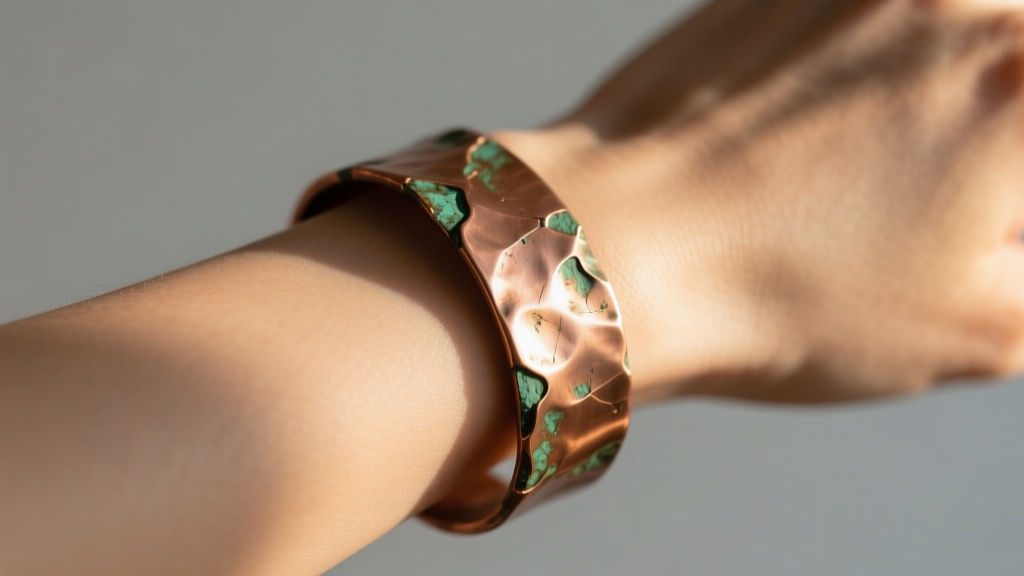
If you have ever slipped on a vintage copper bracelet or a handcrafted brass ring, you are likely familiar with the infamous green stain left behind on your skin. The question does copper jewelry turn your skin green is one of the most common inquiries we receive at Jewel Style Radar. The short answer is an unequivocal yes, but the reasons behind it—and the methods to prevent it—are rooted in fascinating chemistry and personal biology. Far from being a sign of cheap materials or an allergic reaction, this green tint is a natural chemical process that can be easily managed with the right care routine.
The Short Answer: Is the Green Stain Harmful?
Before diving into the chemistry, it is crucial to address a common misconception. The green stain left by copper is not an indicator of a metal allergy or toxicity. According to Healthline, copper is an essential trace mineral, and the transdermal absorption of microscopic copper salts is generally harmless. The discoloration is simply a surface-level reaction that washes off with soap and water. If you experience itching, redness, or swelling, you are likely reacting to a secondary metal in the alloy, such as nickel, rather than the copper itself.
The Chemistry of the Green Stain (Oxidation & pH)
To understand why this happens, we have to look at the interaction between raw copper and the human body's micro-environment. Human sweat is not just water; it is a complex mixture of water, sodium chloride (salt), amino acids, and lactic acid. The natural pH of human skin typically ranges between 4.5 and 5.5, making it mildly acidic.
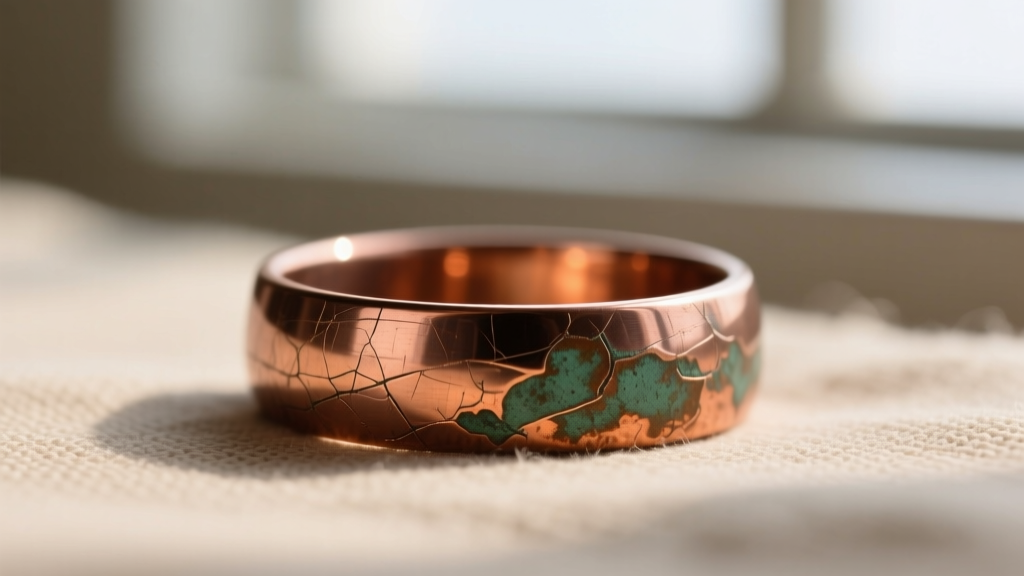
When copper is exposed to this acidic, salty moisture, it undergoes a rapid oxidation process. The copper atoms lose electrons and bind with the chlorides and carbonates present on your skin and in the air. This creates copper salts—specifically copper chloride and copper carbonate (also known as verdigris). As noted by Scientific American, these copper salts are distinctly green or blue-green. Because these salts are water-soluble and microscopic, they easily transfer from the surface of the jewelry into the microscopic crevices of your epidermis, resulting in the notorious green ring or wrist stain.
Factors That Accelerate Copper Oxidation on Skin
Not everyone who wears copper jewelry will experience the green skin effect. The severity and speed of the reaction depend on several highly specific variables:
- Skin pH and Diet: Individuals with a more acidic skin pH (closer to 4.5) will break down copper faster. Diets high in acidic foods, or high sodium intake which increases salt concentration in sweat, can accelerate the reaction.
- Skincare Products: Lotions containing alpha-hydroxy acids (AHAs), retinol, or salicylic acid lower the skin's pH and act as mild chemical exfoliants. These compounds will aggressively strip electrons from copper, causing rapid tarnishing and staining.
- Environmental Humidity: High moisture levels in the air, combined with heat, create a greenhouse effect under tight-fitting jewelry like bangles or wide rings, trapping sweat against the metal.
- Chlorine Exposure: Swimming in chlorinated pools or using household cleaning products introduces harsh chlorides that will instantly react with raw copper, often leaving a dark, almost black smudge alongside the green.
Copper Alloys: Do Brass and Bronze React the Same Way?
While pure copper is the primary culprit, its common alloys—brass and bronze—also cause staining, though the visual results can differ slightly. Brass is an alloy of copper and zinc. When brass reacts with skin acids, the copper creates the familiar green stain, but the zinc can oxidize into zinc oxide, which is white or clear, sometimes giving the smudge a darker, muddier appearance. Bronze, an alloy of copper and tin, is generally more stable and resistant to corrosion than pure copper. However, because bronze still contains a high percentage of copper (typically 80-90%), it will still turn your skin green under the right conditions, albeit at a slower rate.
Proven Methods to Prevent the Green Skin Effect
If you love the aesthetic of raw copper but despise the stain, you must create a physical barrier between the metal and your skin. Here is a professional breakdown of the most effective sealing methods, ranked by longevity and safety for your jewelry.
1. Professional Jewelry Sealants (The Gold Standard)
Products like Everbrite ProtectaClear or Nikolas 2100 Clear Lacquer are specifically formulated for metals. ProtectaClear is a two-part, cross-linking copolymer that cures into a hard, invisible, and skin-safe shell. To apply, you must first strip the copper of all oils and existing oxidation using a solvent like acetone or a specialized metal prep pad. Once dry, apply a micro-thin coat with a high-density foam brush. Allow it to cure for 24 to 48 hours. This method can protect the inner band of a ring for several months of daily wear before requiring reapplication.
2. Microcrystalline Wax (The Conservator's Choice)
Renaissance Wax is a microcrystalline wax developed by the British Museum for preserving metals and antiquities. It is entirely acid-free and will not yellow over time. While it provides a beautiful, soft luster to the exterior of a copper cuff, it is not highly durable on the interior of rings or bracelets where friction and sweat are constant. Expect to reapply Renaissance Wax every 1 to 2 weeks for pieces worn directly against the skin.
3. Clear Nail Polish (The DIY Quick Fix)
While frequently recommended on craft blogs, clear nail polish is the least ideal long-term solution. Most standard polishes contain toluene and formaldehyde, which can degrade porous gemstones often set in artisan copper jewelry, such as turquoise, opal, or malachite. Furthermore, nail polish lacks the flexibility of metal-specific polymers, meaning it will micro-crack and peel within a few days of wear, leading to patchy oxidation and an uneven green stain.
How to Safely Remove Green Stains from Your Skin
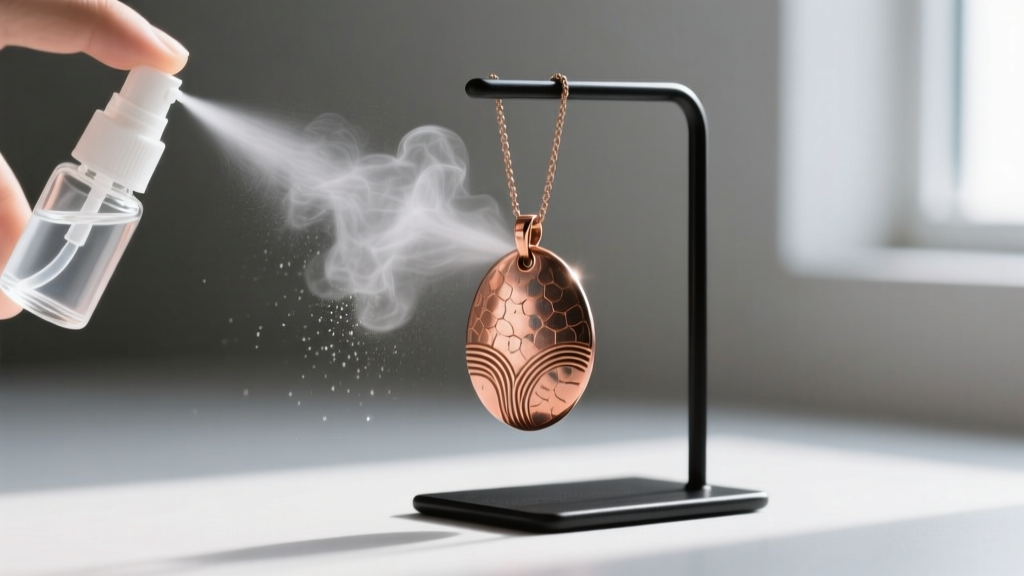
When the stain does occur, avoid harsh scrubbing, which can irritate the epidermis. Copper salts are easily broken down by mild acids and oil-based solvents. Follow this protocol for safe removal:
- Oil-Based Cleansing: Apply a few drops of micellar water, baby oil, or an oil-based makeup remover to a cotton pad. The oils help lift the metallic salts from the skin's texture.
- Mild Acidic Wipe: If the stain is stubborn, dab a cotton swab in diluted white vinegar or lemon juice and gently wipe the area. The mild acid neutralizes the copper carbonate.
- Soap and Water: Follow up with a gentle, pH-balanced hand soap and warm water to remove any residual oil or acid.
- Moisturize: Apply a gentle, fragrance-free lotion to restore the skin's natural moisture barrier.
Cleaning and Maintaining Uncoated Copper Jewelry
For those who prefer to leave their copper unsealed to enjoy the natural, evolving patina, regular cleaning is necessary to remove built-up verdigris and skin oils. The Gemological Institute of America (GIA) recommends avoiding ultrasonic cleaners and harsh commercial dips for copper, as they can strip the metal's natural character and damage any attached patinas or stones.
Below is a comparison of the most effective, jewelry-safe cleaning methods for raw copper:
| Cleaning Agent | Chemical Action | Best Use Case | Precautions |
|---|---|---|---|
| Lemon Juice & Sea Salt | Citric acid dissolves oxidation; salt acts as a mild abrasive. | Heavy tarnish on solid, untextured copper bangles. | Do not use on hammered or textured copper; salt can scratch. |
| White Vinegar & Baking Soda | Acetic acid breaks down salts; effervescence lifts dirt from crevices. | Complex copper chainmail or deeply textured cast pieces. | Rinse immediately; prolonged acid exposure can pit the metal. |
| Ketchup or Tomato Paste | Acetic and citric acids combined with mild natural sugars. | Quick spot-cleaning for small copper rings or ear wires. | Ensure no added spices or oils that could stain porous stones. |
| Wright's Copper Cream | Proprietary blend of mild abrasives and surfactants. | Restoring a high-mirror shine to flat copper surfaces. | Will completely strip intentional liver-of-sulfur antiquing. |
When to Embrace the Patina
Not all oxidation is the enemy. In the world of artisan metalwork, the natural darkening of copper is highly prized. Many jewelers use Liver of Sulfur (LOS) to intentionally force a dark, moody patina onto copper, highlighting the high points of a hammered texture while leaving the recesses dark. This intentional patina is much more stable than the random green verdigris caused by sweat. To maintain an intentional LOS patina without the green skin transfer, apply a light coat of carnauba wax to the interior of the piece, leaving the exterior raw to continue evolving with exposure to the air and light.
"The beauty of copper lies in its reactivity. It is a living metal that records the environment, the wearer, and the passage of time. The green stain is not a flaw; it is a chemical signature of the bond between the metal and the human body."
Frequently Asked Questions
Will 99.9% pure copper turn my skin green faster than recycled copper?
No. The purity of the copper does not significantly change the rate of oxidation. Both 99.9% pure copper (like C11000 grade) and recycled artisan copper will react identically to skin acids and chlorides.
Can I wear copper jewelry in the shower?
It is highly discouraged. Shower water contains chlorine, chloramines, and dissolved minerals that will rapidly accelerate oxidation, leading to a dull, muddy brown finish and severe skin staining. Always remove raw copper before bathing.
Does the green stain mean my jewelry is fake?
Absolutely not. In fact, the green stain is one of the most reliable indicators that your jewelry is made of genuine copper or a high-copper alloy like brass or bronze. Plated metals or stainless steel will not produce this specific chemical reaction.