Is Copper Jewelry Safe? The Truth About Green Skin & Allergies
Wondering if copper jewelry is safe? We break down the science of green skin, metal allergies, toxicity myths, and safe care routines.

If you have ever browsed artisan markets or online jewelry boutiques, you have likely admired the warm, earthy tones of copper, brass, and bronze. Yet, a common hesitation stops many beginners from making a purchase: the fear of turning their skin green or triggering an allergic reaction. When asking the question, is copper jewelry safe, the answer requires looking past internet myths and understanding the actual chemistry of how these metals interact with the human body.
In this beginner-friendly explainer, we will decode the science behind copper oxidation, clarify the difference between a harmless patina and a true metal allergy, and provide actionable frameworks for wearing copper safely and comfortably.
The 'Green Skin' Phenomenon: Oxidation vs. Allergy
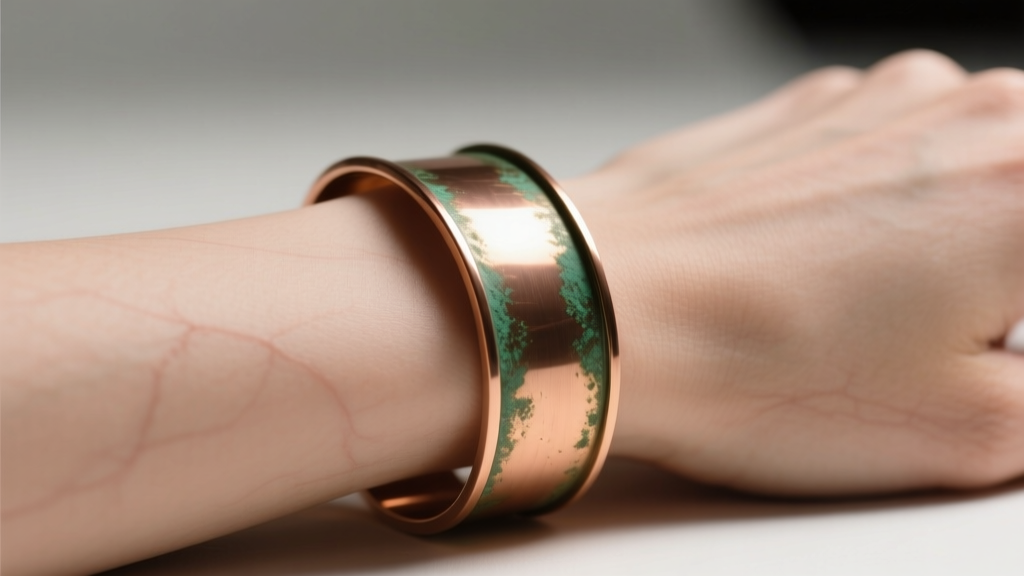
The most notorious side effect of wearing copper is the greenish-black smudge it can leave on your skin. Many beginners mistake this for an allergic reaction or a sign of cheap, toxic metal. In reality, this is a simple, harmless chemical reaction known as oxidation.
Copper is a highly reactive transition metal. When it comes into contact with the moisture, oxygen, and acids naturally present in human sweat, it forms copper salts—specifically copper chloride and copper carbonate. These salts are green and easily transfer to the skin. The intensity of this reaction depends heavily on your individual body chemistry. People with more acidic sweat (lower pH) or those who live in humid climates will experience faster and more pronounced oxidation.
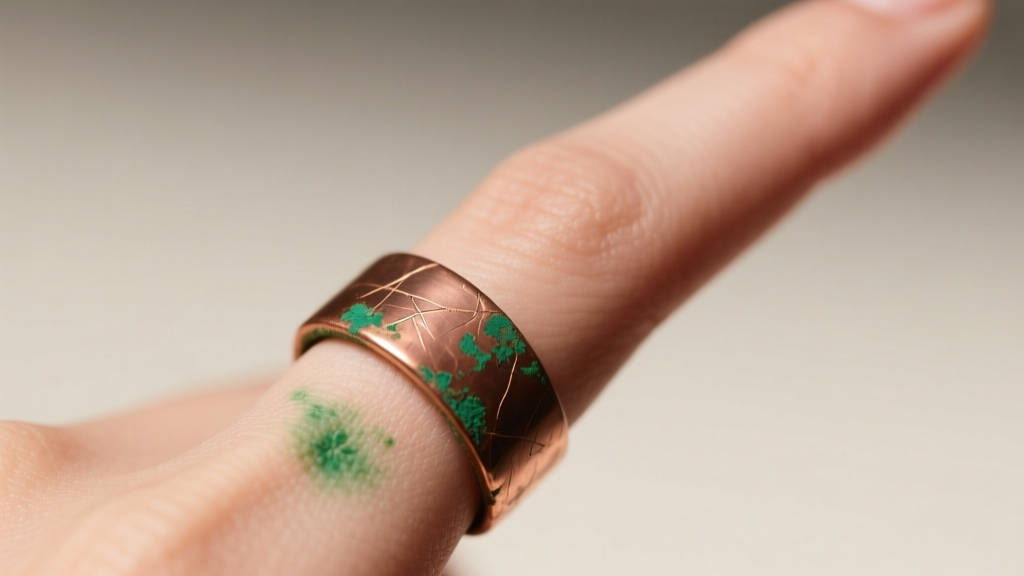
Dermatologist Insight: A green stain from copper is not an allergy. It is simply a topical transfer of oxidized metal salts. It washes off easily with soap and water and poses zero threat to your health or skin barrier.
A true metal allergy, on the other hand, is an immune system response (contact dermatitis). Symptoms include redness, itching, swelling, and blistering. Pure copper is actually highly hypoallergenic. If you experience a true allergic reaction to a 'copper' piece of jewelry, you are almost certainly reacting to a hidden alloy mixed into the metal, most commonly nickel or lead.
Is Copper Jewelry Safe for Sensitive Skin and Piercings?
While pure copper (often designated as C11000 electrolytic tough pitch copper) is generally safe for sensitive skin on the surface, the rules change drastically when it comes to body piercings.
Surface Jewelry (Rings, Bracelets, Necklaces)
For external wear, pure copper is exceptionally safe. It lacks the nickel content that triggers contact dermatitis in roughly 10% to 20% of the population. However, you must verify that the piece is pure copper or a safe alloy like high-quality bronze (copper and tin), rather than cheap brass that may contain nickel or lead as fillers.
Body Piercings (Ears, Nose, Navel)
Never use copper, brass, or bronze in a fresh or unhealed piercing. The fistula (the tunnel of healed skin inside a piercing) is highly susceptible to irritation and infection. Copper is a relatively porous metal at a microscopic level, meaning it can harbor bacteria. Furthermore, the reactive nature of copper can cause severe irritation bumps and delay healing.
- Fresh Piercings (0-6 months): Only wear ASTM F136 implant-grade titanium, niobium, or solid 14k/18k gold.
- Healed Piercings (6+ months): Copper, brass, and bronze are generally safe for healed lobes or cartilage in standard gauges (18G, 16G, or 14G). However, if you notice any itching or localized swelling, remove the jewelry immediately and switch back to titanium.
Copper Toxicity: Separating Myth from Medical Fact
A frequent concern among beginners is whether wearing copper jewelry can lead to heavy metal poisoning or copper toxicity. To put it simply: transdermal absorption of copper from jewelry is negligible and cannot cause toxicity.
Copper is an essential trace mineral that the human body needs for cardiovascular health, bone density, and immune function. According to the National Institutes of Health (NIH), the recommended daily allowance for adults is about 900 micrograms, which we easily obtain through a normal diet (nuts, seeds, shellfish, and leafy greens). The amount of copper that could potentially be absorbed through the skin from a bracelet is infinitesimally small and easily regulated by the liver and kidneys. Toxicity only occurs through massive ingestion or specific genetic disorders like Wilson's disease.
Material Breakdown: Pure Copper vs. Common Alloys
Because pure copper is quite soft (rating just 2.5 to 3 on the Mohs hardness scale), jewelers frequently alloy it with other metals to increase durability. Understanding these alloys is crucial for determining safety.
| Material | Composition | Allergy Risk | Best Use Case |
|---|---|---|---|
| Pure Copper | 99.9% Copper | Extremely Low | Cuff bracelets, statement rings, wire-wrapped pendants. |
| Brass | Copper + Zinc (usually 60-70% Cu) | Low to Moderate | Casual fashion jewelry. Avoid if you have a known zinc or nickel sensitivity. |
| Bronze | Copper + Tin (usually 88% Cu, 12% Sn) | Very Low | Cast pendants, heavy chains, and durable rings. Excellent patina potential. |
| Nickel Silver | Copper + Nickel + Zinc (No actual silver) | Extremely High | Avoid entirely. High risk of severe contact dermatitis due to nickel content. |
Proactive Care: How to Wear Copper Without the Green
If you love the aesthetic of copper but despise the green stains, you can easily manage the oxidation process with a few proactive care routines. The American Academy of Dermatology often recommends barrier methods for metal sensitivities, and these same methods work perfectly for preventing copper oxidation.
1. The Barrier Method (For Rings and Cuffs)
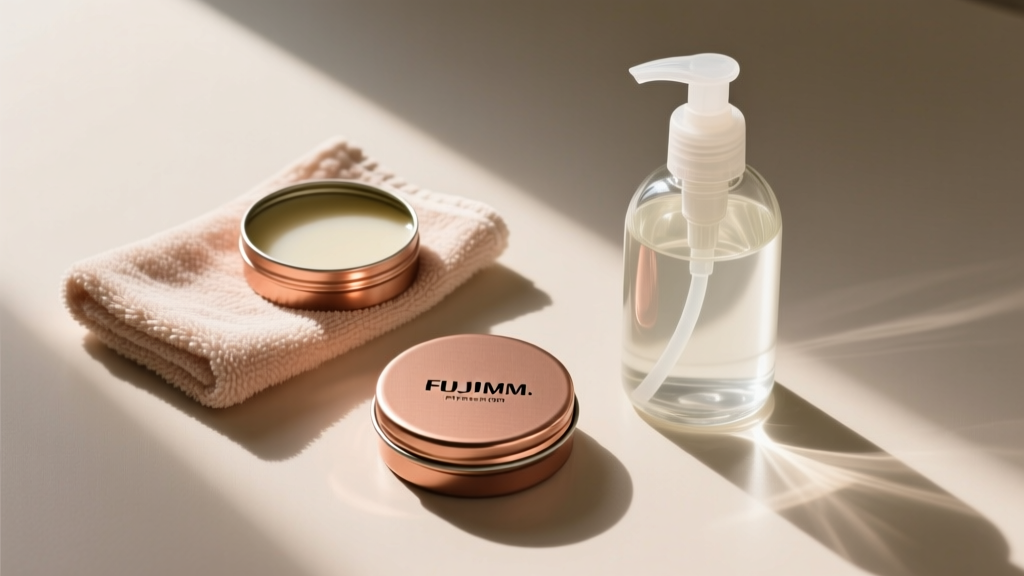
Apply a thin coat of clear nail polish or a specialized jewelry sealant to the inside of the band or cuff—the part that touches your skin. This creates a physical barrier preventing sweat from reaching the metal. Note that this is a temporary fix; the polish will wear off after a few weeks and will need to be reapplied.
2. The Wax Seal (For Long-Term Protection)
For a more professional and longer-lasting solution, use a microcrystalline wax like Renaissance Wax. Buff a thin layer onto the clean, dry jewelry. This museum-grade wax protects the metal from moisture and oxygen, preserving its bright, polished finish and preventing green skin for months.
3. Environmental Management
- Remove before swimming: Chlorine in pools and salt in the ocean will aggressively accelerate copper oxidation and can cause permanent pitting.
- Remove before workouts: Heavy sweating introduces high levels of chlorides and lactic acid to the metal.
- Keep it dry: Always remove copper rings before washing dishes or applying heavily chemical lotions and perfumes.
Final Verdict: Who Should Wear Copper Jewelry?
So, is copper jewelry safe? The definitive answer is yes, with minor caveats. Pure copper and high-quality bronze are incredibly safe, hypoallergenic, and biocompatible for surface wear. The green stains are a harmless chemical quirk, not a medical hazard.
However, beginners should strictly avoid copper in fresh piercings and should always verify the exact alloy composition to ensure no hidden nickel is present. By understanding your body chemistry and employing simple barrier methods or wax seals, you can confidently enjoy the rich, historical beauty of copper jewelry without any unwanted side effects.