Lead Free Pewter Jewelry: A Budget & Value Assessment Guide
Is lead free pewter jewelry worth it? We analyze pricing, metallurgical durability, skin safety, and long-term value versus brass and bronze alloys.

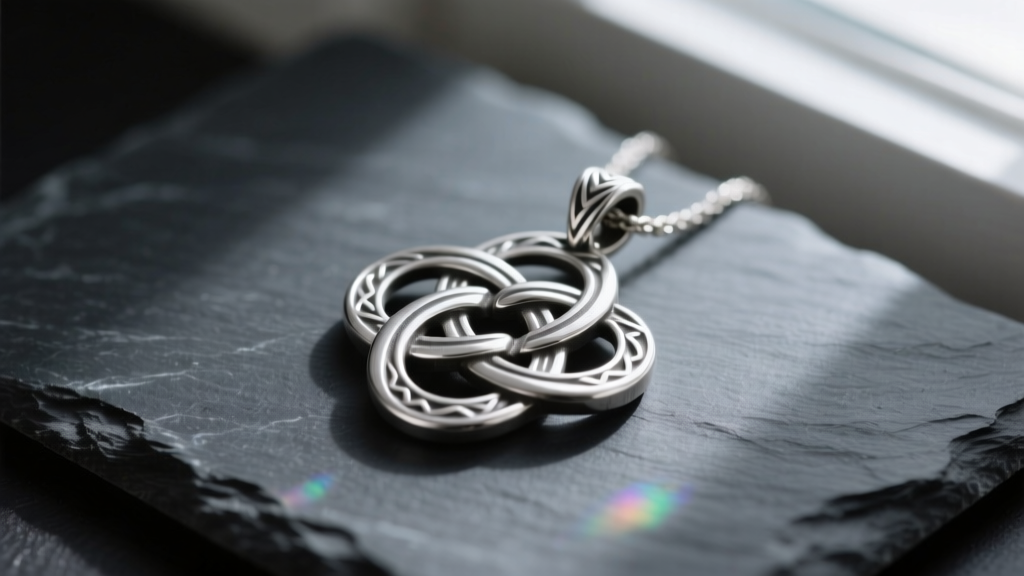
The Metallurgical Reality: What is Modern Lead Free Pewter?
When evaluating base metal jewelry, the term "pewter" often carries historical baggage. Centuries ago, pewter was an alloy heavily laced with lead, posing severe toxicity risks. Today, the market is strictly regulated, and genuine lead free pewter jewelry is the only standard. But what are you actually buying when you purchase modern pewter, and does it offer genuine value for your budget?
Modern fine pewter, often referred to as Britannia metal when spun or stamped, is primarily a tin alloy. According to metallurgical standards, high-quality lead free pewter consists of approximately 92% tin, 7.5% antimony, and 0.5% copper. Antimony acts as a hardener, while the trace copper adds structural integrity. Because it contains virtually no lead, it easily passes stringent safety regulations, including the Consumer Product Safety Improvement Act (CPSIA) limits for total lead content in jewelry.
From a value perspective, the raw material cost of tin is significantly lower than silver or gold, but higher than raw copper or zinc. This places lead free pewter in a unique middle-ground: it offers a premium, heavy, silver-like aesthetic at a fraction of the cost of precious metals, while remaining slightly more expensive than mass-produced brass.
Price vs. Quality: Assessing the True Cost
The price of lead free pewter jewelry varies wildly, from $12 fast-fashion pendants to $200 artisan-cast pieces. To assess value, you must understand the manufacturing method, which directly dictates the price point and the longevity of the piece.
Most commercial pewter jewelry is created via spin casting using vulcanized rubber molds. Liquid metal is poured into the center of a spinning mold, forcing the alloy into the cavities. While cost-effective, rubber molds degrade after 100 to 200 casts. Budget manufacturers often use degraded molds, resulting in soft, undefined details. Artisan jewelers, conversely, use CNC-milled steel molds or hand-carved master molds that preserve microscopic detail over thousands of casts.
| Market Tier | Price Range | Manufacturing Method | Value Assessment |
|---|---|---|---|
| Budget / Fast Fashion | $10 - $25 | Mass spin-cast, degraded molds, minimal hand-finishing | Low value. High risk of porosity, soft details, and structural weakness at jump rings. |
| Mid-Range Commercial | $30 - $75 | Centrifugal cast, fresh molds, tumbled and hand-polished | High value. Excellent for everyday wear, cosplay, and detailed thematic jewelry. |
| Artisan / Studio | $80 - $200+ | Hand-carved masters, oxidized finishes, custom stone setting | Premium value. Heirloom quality, unique designs, superior structural integrity. |
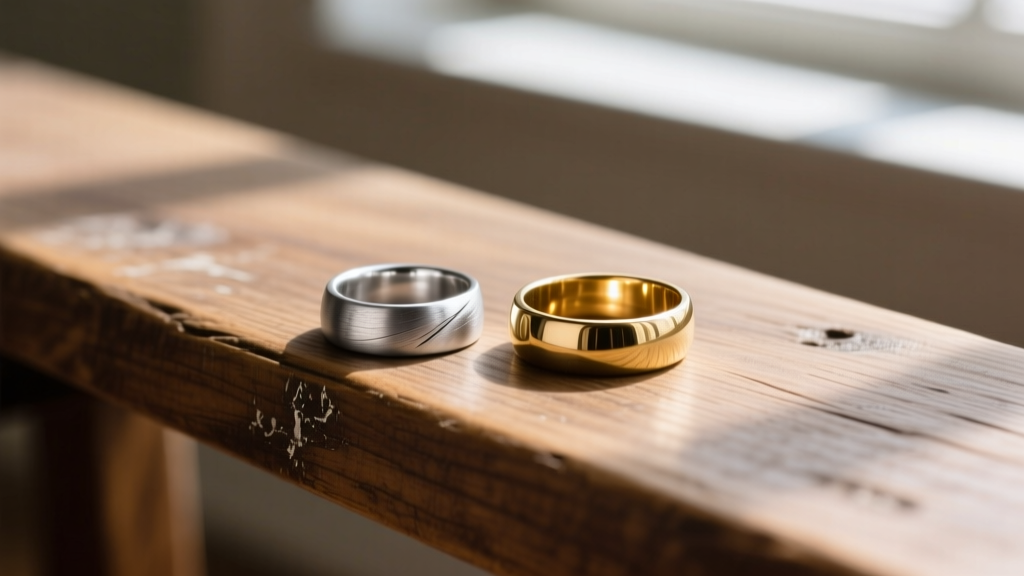
Durability & Longevity: The Hidden Value Factors
When calculating the cost-per-wear of any jewelry piece, durability is the ultimate metric. This is where lead free pewter presents a complex value proposition. On the Mohs scale of mineral hardness, pure tin ranks at a mere 1.5. Even with antimony hardeners, modern pewter maxes out around 2.0 to 2.5. For context, sterling silver is 2.5 to 3.0, while brass and bronze sit between 3.0 and 4.0.
What does this mean for your budget? Pewter is highly malleable. A thin pewter ring will easily bend out of shape if gripped tightly or caught on heavy fabric. However, this same malleability means it is incredibly resistant to shattering or cracking upon impact. Furthermore, according to Rio Grande's Metal Properties Chart, pewter has a very low melting point (around 230°C or 446°F). This means it cannot be traditionally soldered with standard silver or gold solders; repairs require specialized low-temperature laser welding or mechanical cold-joining, which can increase long-term maintenance costs.
The Skin Reaction Advantage
Where lead free pewter dramatically outperforms brass and bronze in value is in skin biocompatibility. Brass (an alloy of copper and zinc) and bronze (copper and tin) are notorious for reacting with the acidic salts in human sweat, producing copper chloride—a green compound that stains the skin. Because modern lead free pewter contains only trace amounts of copper (usually less than 1%), it will not turn your skin green. For buyers who want the look of oxidized silver without the skin staining associated with copper-heavy base metals, pewter offers unmatched functional value.
Tarnish, Patina, and Maintenance Costs
Unlike iron, pewter does not rust. Unlike brass, it does not develop a aggressive, flaky verdigris. Instead, lead free pewter oxidizes slowly, developing a soft, mottled gray patina that many collectors actively seek out. This natural aging process is highly stable and does not degrade the structural integrity of the metal.
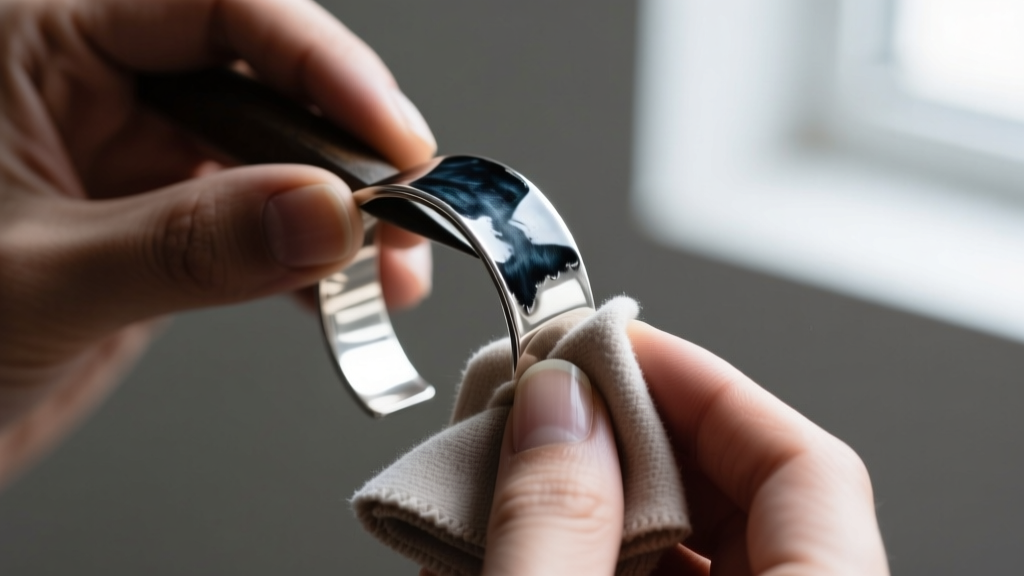
If you prefer a high-polish mirror finish, maintenance is required, but it is remarkably cheap. You do not need expensive ultrasonic cleaners or harsh chemical dips. In fact, according to guidelines supported by the CDC's historical safety data on heavy metals and modern metallurgical best practices, you should avoid harsh alkaline or acidic cleaners, as tin is amphoteric and can pit or discolor when exposed to extreme pH levels. A simple paste of baking soda and water, or a specialized tin polish like Simichrome, applied with a microfiber cloth will restore the bright, silver-like luster in seconds.
Lead Free Pewter vs. Brass and Bronze: A Value Comparison
To finalize the budget assessment, we must compare pewter directly against its closest base-metal competitors in the copper/brass/bronze family.
- Weight and Drape: Pewter is denser than brass but lighter than bronze. It offers a satisfying, premium "heft" that makes a $40 pewter pendant feel like a $150 silver piece, whereas lightweight hollow brass can feel cheap and tinny.
- Casting Detail: Pewter has a lower melting point and higher fluidity than brass or bronze. This allows it to capture incredibly fine details in casting—down to 0.1mm textures. If you are buying intricate gothic, Celtic, or nature-inspired designs, pewter offers superior visual value per dollar.
- Plating and Finishing: Brass is often plated with silver or gold to prevent tarnish, but this plating eventually wears off, requiring costly re-plating. Pewter is almost never plated; its natural color is the finish. This makes it a "buy it for life" proposition regarding surface wear.
The Verdict: When to Buy and When to Pass
Lead free pewter jewelry is not a monolithic category; its value depends entirely on your specific use case and the manufacturing quality of the piece.
Buy Lead Free Pewter When:
- You want intricate, highly detailed cast pendants or earrings without paying sterling silver prices.
- You have sensitive skin that reacts to the high copper content in brass and bronze, but you cannot afford platinum or titanium.
- You appreciate the historical, antiqued look of oxidized silver and want a metal that naturally develops a beautiful, stable patina.
Pass on Lead Free Pewter When:
- You are buying thin, structural rings meant for heavy manual labor (the metal will bend).
- The piece is priced over $100 but shows signs of mold degradation (soft edges, porous pits on the surface).
- You require a metal that can be easily resized or traditionally soldered by any local bench jeweler.
Ultimately, when sourced from reputable makers who utilize fresh molds and high-grade Britannia alloys, lead free pewter jewelry represents one of the most cost-effective, visually stunning, and skin-safe investments in the base metal jewelry market.


