Bliss Diamond Jewelry Reviews: Is the Budget Sparkle Worth It?
Read our honest Bliss Diamond jewelry reviews. We analyze promotional diamond grades, metal quality, and true value for budget buyers.

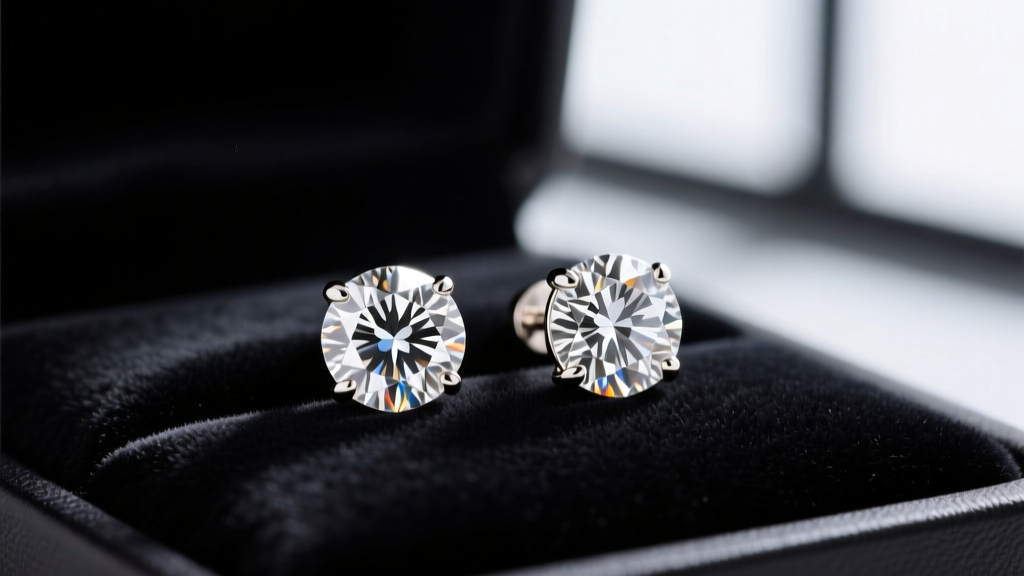
When browsing online for affordable fine jewelry, you have likely encountered aggressive pricing on diamond studs, pendants, and promise rings. Bliss Diamond has carved out a massive niche in the budget jewelry market, offering pieces that sound too good to be true—like 1-carat total weight (CTW) diamond earrings for well under $300. But in the gemological world, price is inextricably linked to physics and geology. If you are searching for honest Bliss Diamond jewelry reviews to determine if these pieces are a brilliant budget hack or a disappointing compromise, you are in the right place.
In this comprehensive 2026 value assessment, we bypass the marketing fluff and examine the exact metallurgical and gemological realities of promotional-grade diamonds. We will break down the 4Cs as they apply to budget lots, analyze the durability of entry-level gold alloys, and provide a strict framework to help you decide if Bliss Diamond aligns with your expectations.
Decoding the 'Promotional' Diamond Grades
To understand how Bliss Diamond achieves its price points, you must understand the concept of 'promotional' or 'commercial' grade diamonds. These are genuine, earth-mined diamonds, but they sit at the absolute bottom of the gemological bell curve. Here is what you are actually receiving when you buy budget diamond jewelry.
Clarity: The I1 to I3 Spectrum
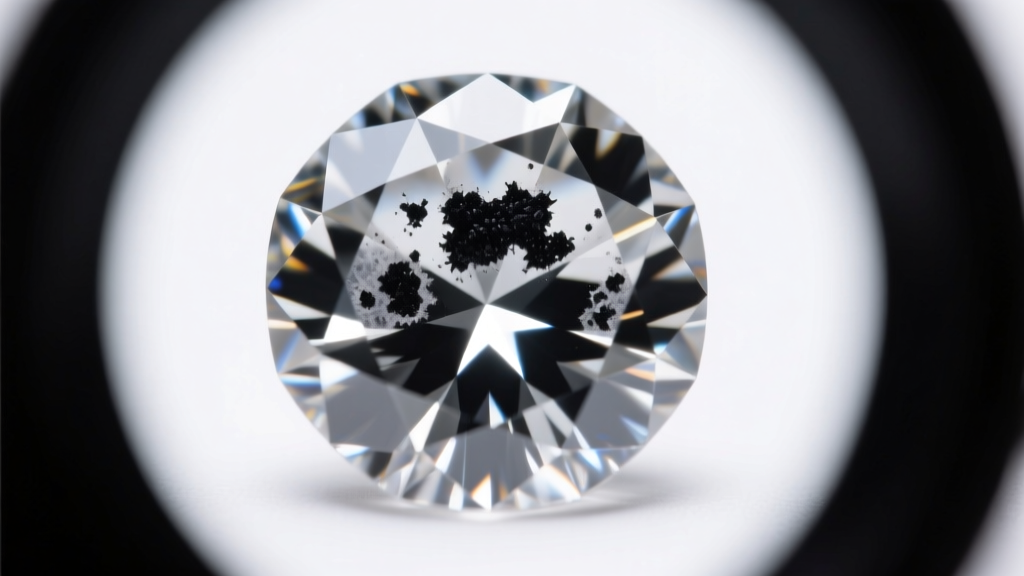
Most budget jewelry brands, including Bliss, utilize diamonds in the I1, I2, and I3 (Included) clarity grades. According to the GIA's clarity grading scale, included diamonds have flaws that are obvious under 10x magnification and often visible to the naked eye.
- I1 Clarity: Inclusions are visible but usually do not threaten the stone's structural integrity. You may see small black carbon spots or white feathering near the edges.
- I2 to I3 Clarity: These stones are heavily included. The transparency is often compromised, giving the diamond a cloudy, milky, or grayish appearance. More critically, I3 diamonds often feature deep 'feathers' (cracks) that reach the girdle. A hard knock against a steering wheel or countertop can cause an I3 diamond to cleave or shatter entirely.
Color and Cut Compromises
Budget diamonds typically fall into the J, K, L, or M color grades. While J and K show only faint yellow tints, L and M exhibit noticeable yellow or brown hues that are highly visible when set in white gold or platinum. To mask this, budget brands often use yellow gold settings or heavily rhodium-plated white gold.
The most significant sacrifice, however, is the cut. Premium cutters sacrifice rough carat weight to achieve optimal optical symmetry. Budget cutters do the opposite: they cut the diamond shallow or deep to retain as much carat weight as possible. This results in the 'fish-eye' effect, where light leaks out the bottom of the stone rather than reflecting back to the eye, leaving the diamond looking dull and lifeless even in direct sunlight.
Metal Alloys and Setting Durability
The gemstone is only half the equation; the metal holding it is equally vital for long-term value and wearability. Bliss Diamond frequently utilizes 10k gold and sterling silver to keep retail prices low.
The 10k Gold Reality: 10k gold contains only 41.7% pure gold, with the remaining 58.3% made up of alloy metals like copper, zinc, and silver. While this makes the metal harder and more scratch-resistant than 14k or 18k gold, it drastically increases the risk of oxidation, tarnishing, and even skin discoloration (the dreaded 'green finger' effect) for those with acidic skin chemistry or metal allergies.
Furthermore, budget settings often feature thinner prongs (typically 0.6mm to 0.8mm compared to the 1.1mm+ found in fine jewelry). Over time, friction from clothing and daily wear will thin these prongs down, significantly increasing the risk of losing your diamond. If you purchase budget jewelry, having a local jeweler inspect and potentially re-tip the prongs annually is a mandatory maintenance step.
Value Comparison: Bliss vs. Lab-Grown vs. Moissanite
The jewelry landscape in 2026 offers incredible alternatives to low-grade earth-mined diamonds. Below is a direct value comparison between a typical Bliss Diamond 1.00 CTW stud earring set, a reputable Lab-Grown diamond alternative, and a premium Moissanite option.
| Feature | Bliss Diamond (1 CTW Earth-Mined) | Reputable Lab-Grown (1 CTW) | Premium Moissanite (1 CTW) |
|---|---|---|---|
| Average Price | $250 - $350 | $400 - $600 | $150 - $250 |
| Clarity | I1 - I3 (Included/Cloudy) | VS1 - VVS2 (Eye Clean) | N/A (Lab-created, flawless) |
| Color | J - M (Faint to Light Yellow) | E - G (Colorless to Near-Colorless) | D - E (Colorless) |
| Cut Quality | Fair / Commercial (Light Leakage) | Excellent / Ideal (Maximum Brilliance) | Excellent (Crushed Ice or Brilliant) |
| Durability (Mohs) | 10 (but prone to cleaving if I3) | 10 (Structurally sound) | 9.25 (Highly durable) |
| Visual Impact | Dull, visible inclusions | Fiery, completely transparent | Extremely fiery, double refraction |
As the data illustrates, spending slightly more on a lab-grown diamond yields a stone that is optically and structurally superior in every measurable metric. If the 'earth-mined' origin is not a strict requirement for you, lab-grown diamonds offer vastly superior value.
FTC Guidelines and the 'Appraisal' Myth
Many budget diamond purchases come with a certificate of authenticity or an 'appraisal' document that claims a high replacement value (e.g., 'Appraised at $2,500'). It is vital to understand that these documents are largely marketing tools, not scientific grading reports.
The Federal Trade Commission (FTC) Jewelry Guides strictly regulate how diamonds can be marketed. Brands must accurately represent the 4Cs. However, an insurance appraisal is simply an estimate of what it might cost to replace the item at a specific retail markup; it does not verify the gemological quality of the stone. A genuine grading report from a top-tier lab like the GIA or AGS will cost upwards of $150 just for the document—meaning it is economically impossible for a brand to include one on a $200 pair of earrings. You are buying the diamond 'blind,' relying entirely on the brand's internal grading, which is notoriously lenient.
How to Inspect Budget Diamonds Upon Arrival
If you have already purchased Bliss Diamond jewelry or plan to, follow this strict inspection protocol the moment it arrives:
- The Paper Test: Place the diamond face-down on a piece of stark white printer paper. If you can easily read the text through the stone, the cut is too shallow, and light is leaking out the bottom.
- The Prong Check: Use a magnifying glass to ensure all four (or six) prongs are tightly flush against the crown of the diamond. Run a piece of silk fabric over the setting; if it snags, the prongs are poorly finished and will catch on your clothing.
- The Cloudiness Check: Look at the stone in natural, indirect window light (not harsh LED spotlights). If the stone looks more like a piece of frosted glass than a transparent gem, it is an I2 or I3 clarity grade with heavy internal graining.
The Final Verdict: Who is Bliss Diamond Actually For?
Our comprehensive review concludes that Bliss Diamond jewelry serves a very specific, narrow demographic. It is not recommended for engagement rings, milestone anniversary gifts, or heirloom pieces meant to be passed down through generations. The structural risks of I3 diamonds and the tarnishing potential of 10k gold make them unsuitable for daily, lifelong wear.
However, Bliss Diamond is a viable option if:
- You are buying a secondary pair of small stud earrings for a teenager or young adult.
- You have a strict, unyielding budget of under $300 and the recipient specifically demands an 'earth-mined' diamond over lab-grown or moissanite alternatives.
- You are purchasing a pendant or pair of earrings for occasional, lightweight wear rather than daily abuse.
Ultimately, the value of Bliss Diamond jewelry depends entirely on your expectations. If you expect the blinding brilliance of a GIA-certified Excellent cut, you will be disappointed. If you accept the inherent compromises of promotional-grade stones in exchange for accessible pricing, Bliss Diamond delivers exactly what it promises: real diamonds, at the absolute floor of the market's pricing structure.


