Diamond Crush Jewelry Inc Care Guide: Cleaning Cluster Diamonds
Master the care of melee and cluster settings with our Diamond Crush Jewelry Inc maintenance guide. Learn safe cleaning methods for crushed diamond pieces.

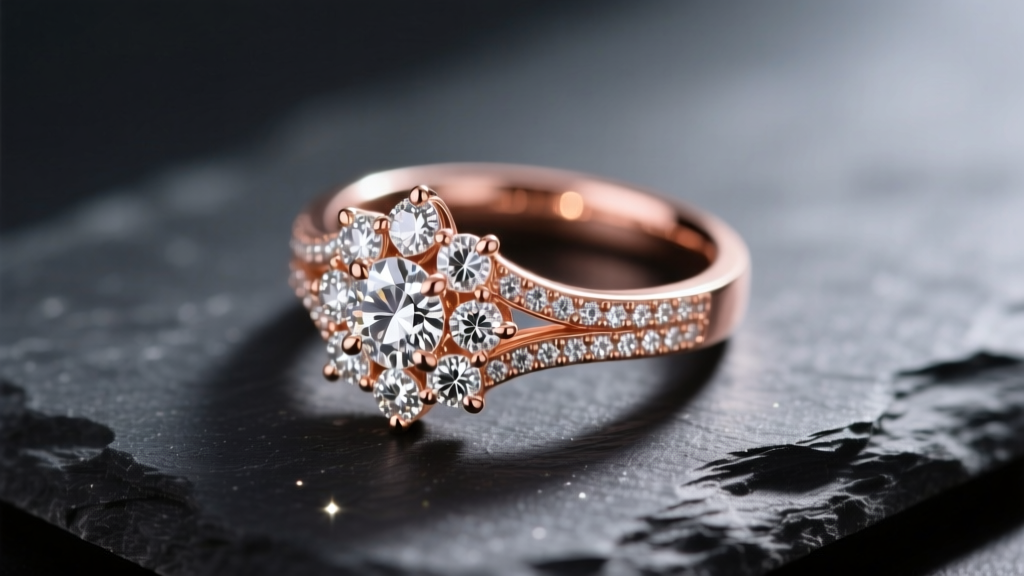
The Unique Challenge of Crushed Diamond & Cluster Settings
Cluster, micro-pave, and "crushed diamond" designs have dominated jewelry trends leading into 2026. Brands like Diamond Crush Jewelry Inc have popularized these intricate arrangements, utilizing dozens of tiny melee diamonds (typically ranging from 0.005 to 0.15 carats each) to create a massive, continuous surface of brilliance. However, this specific architectural style introduces severe maintenance challenges that standard solitaire rings simply do not face.
The primary issue is surface area and crevice volume. A single 1-carat solitaire has a relatively smooth pavilion that is easy to wipe clean. A 1-carat total weight (CTW) cluster ring, a signature of Diamond Crush Jewelry Inc collections, may feature over 40 individual stones. This creates dozens of micro-gaps between shared prongs, beads, and the gallery wire beneath the stones. These gaps act as magnets for sebum (skin oils), lotions, dead skin cells, and household grease. When this debris accumulates, it creates an opaque film on the pavilion (bottom) of the melee diamonds, instantly killing their light return and making the piece look cloudy or gray.
Furthermore, the structural integrity of cluster settings relies on micro-prongs or bead-setting techniques. These tiny metal droplets are highly susceptible to catching on textiles or being worn down by friction. Cleaning these pieces requires a delicate balance: you must use chemistry and fluid dynamics to dissolve grease without relying on aggressive mechanical force that could dislodge a stone.
Step-by-Step Cleaning Protocol for Micro-Pave & Clusters
To maintain the optical performance of crushed diamond jewelry, you must abandon the habit of simply wiping the top of the stones with a cloth. True brilliance requires cleaning the pavilion. According to gemological standards outlined by the Gemological Institute of America (GIA), diamonds are highly lipophilic, meaning they naturally attract and hold onto grease. Water alone will not remove this film.
The Safe Soak Method (Surfactant Chemistry)
The safest and most effective way to clean Diamond Crush Jewelry Inc cluster pieces at home relies on mild anionic surfactants. You do not need expensive, branded jewelry cleaning liquids; in fact, many commercial dips contain harsh ammonium hydroxide which, while safe for the diamond, can degrade the alloys in lower-karat gold or damage porous accent stones if your cluster piece features secondary gems.
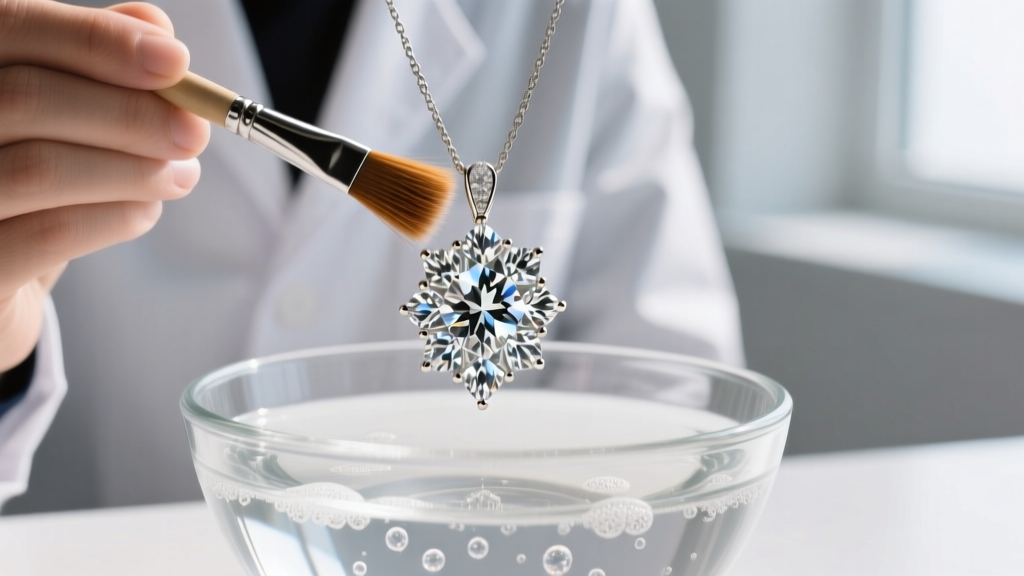
- Prepare the Solution: Mix 1/2 teaspoon of mild, lotion-free liquid dish soap (a basic degreasing formula without added moisturizers or citrus extracts) into one cup of warm water (approximately 100°F or 38°C). The warm water lowers the surface tension, allowing the solution to penetrate the micro-gaps beneath the melee diamonds.
- The Soak: Submerge the jewelry completely. Allow it to soak for exactly 15 to 20 minutes. Do not exceed 30 minutes, as prolonged exposure to water can weaken the silk or nylon threads used in some flexible cluster bracelets or necklaces.
- Targeted Agitation: Remove the piece and use a dedicated, ultra-soft baby toothbrush or a professional horsehair jewelry brush. Brush only from the sides and the back (the pavilion). Avoid aggressive scrubbing directly over the top of the micro-prongs.
- The Rinse: Rinse under a gentle stream of lukewarm water. Crucial: Always place a rubber stopper in the sink drain or use a specialized mesh jewelry strainer before rinsing. If a micro-prong has failed, the water pressure can dislodge a 0.01-carat melee diamond, which will instantly vanish down the drain.
Drying and Polishing
Never use a standard cotton towel or tissue paper to dry cluster jewelry. Cotton fibers easily snag on the tiny shared prongs of a crushed diamond setting, potentially bending them and loosening the stones. Instead, use a lint-free microfiber optical cloth or a piece of untreated chamois leather. To dry the intricate gallery work beneath the stones, use a can of compressed air (held at least six inches away) or a specialized jewelry blow-dryer on a cool setting to force water droplets out of the micro-crevices without leaving water spots.
What to Avoid: The Ultrasonic & Steam Trap
One of the most common mistakes owners of cluster jewelry make is utilizing ultrasonic cleaners or high-pressure steamers. While a Federal Trade Commission (FTC) guideline on jewelry care notes that diamonds are incredibly durable, the settings holding them are not immune to physics.
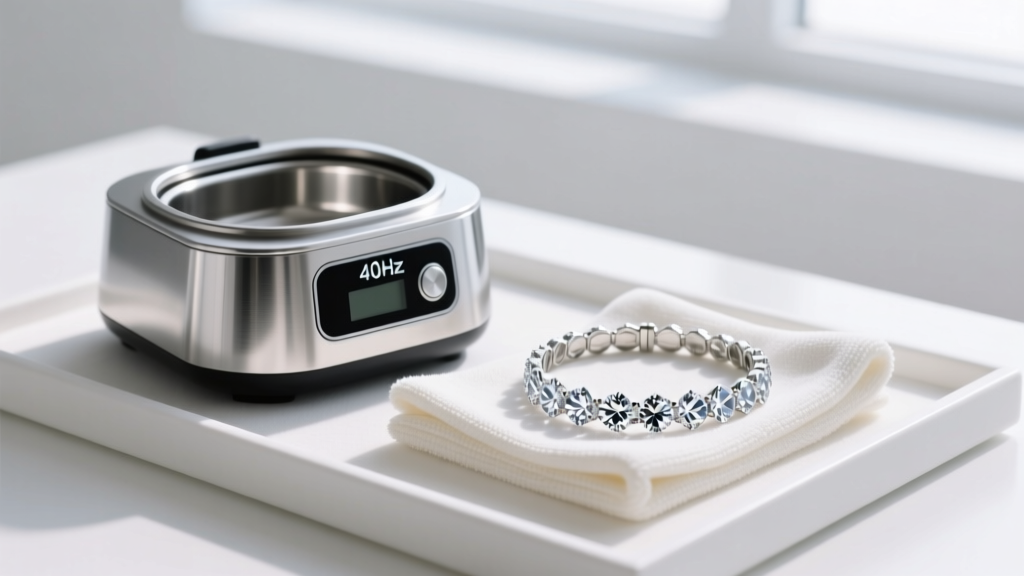
Ultrasonic cleaners work via cavitation—creating microscopic vacuum bubbles that implode, generating intense localized heat and shockwaves. In a solitaire ring with four thick, sturdy prongs, this is generally safe. In a Diamond Crush Jewelry Inc micro-pave or crushed diamond cluster piece, these shockwaves can easily vibrate the tiny, delicate beads of metal right off the girdle of the diamond. Furthermore, if any of the melee diamonds in the cluster have been fracture-filled (a common treatment for lower-clarity melee to make them appear eye-clean), the ultrasonic vibrations and the acid used in some cleaning solutions can completely destroy the filling, leaving the stone looking fractured and opaque.
Cleaning Method Risk Matrix for Cluster Diamonds
| Cleaning Method | Effectiveness on Grease | Risk to Micro-Prongs | Risk to Fracture-Filled Melee | Verdict for Cluster Jewelry |
|---|---|---|---|---|
| Mild Soap & Soft Brush | High (with 15m soak) | Very Low | None | Highly Recommended |
| Commercial Ammonia Dips | Very High | Low (but risks accent stones) | Moderate | Use with Extreme Caution |
| Ultrasonic Cleaners (40kHz) | Extreme | High (vibration loosens beads) | Severe (shatters filling) | Avoid Completely |
| High-Pressure Steam | Very High | Moderate (pressure bends prongs) | Moderate (thermal shock) | Professional Use Only |
| Toothpaste & Baking Soda | Low | High (abrasive scratches gold) | Low | Never Use |
Long-Term Maintenance & Prong Integrity
Cleaning is only half the battle; structural maintenance is what keeps a crushed diamond piece intact over decades. The shared-prong and bead-setting techniques used by Diamond Crush Jewelry Inc require metal to be pushed over the girdle of adjacent stones simultaneously. This means that if one micro-prong wears down, it compromises the security of two or even three diamonds.
The Bi-Annual Prong Audit
You should inspect your cluster jewelry every six months. Use a 10x jeweler's loupe to examine the metal beads holding the melee diamonds. Look for the following failure modes:
- Flattened Beads: The round droplet of metal has worn flat and is no longer wrapping over the edge of the diamond.
- Pulled Prongs: The metal has been snagged on a sweater or towel and is visibly lifted away from the stone's table.
- Gallery Grime Buildup: A hardened, dark crust of soap scum and dead skin that the soft brush could not remove. This requires professional ultrasonic cleaning by a jeweler who can first verify that no stones are loose.
Rhodium Plating and White Gold Clusters
If your Diamond Crush Jewelry Inc piece is crafted in white gold, it is likely plated with rhodium to achieve a bright, silvery-white finish. Because cluster rings have complex topographies, the rhodium plating tends to wear off the high points (the top of the micro-prongs and the shank) much faster than on a simple band. You should budget for a professional "dip" (re-plating) every 12 to 18 months. Attempting to aggressively polish a white gold cluster ring at home with abrasive pastes will strip the rhodium prematurely, exposing the slightly yellowish underlying gold alloy and creating a dull, mismatched appearance across the cluster.
Storage & Daily Wear Best Practices
Diamonds are the hardest natural material on earth, rating a 10 on the Mohs scale. However, this hardness means they are highly capable of scratching other materials—including each other and the precious metals holding them.
In a crushed diamond cluster, the stones are set tightly together. If the piece is subjected to hard impacts (like clapping your hands forcefully or dropping a heavy object on the ring), the diamonds can chip each other at the girdle. Furthermore, storing a diamond cluster ring loose in a drawer with other jewelry is a recipe for disaster. The melee diamonds will act like sandpaper against the gold or platinum of your other necklaces and bracelets.
The Golden Rule of Storage: Every Diamond Crush Jewelry Inc piece must be stored individually in a soft, fabric-lined compartment or a dedicated microfiber pouch. Keep the environment dry; excessive humidity can accelerate the tarnishing of the alloy metals (like copper and silver) mixed into the gold, which can create a dark tarnish that is incredibly difficult to clean out from beneath dozens of tiny stones without professional equipment.
By adhering to these specific, chemistry-based cleaning protocols and respecting the physical vulnerabilities of micro-pave settings, your crushed diamond jewelry will maintain its maximum light performance and structural integrity for a lifetime.