How to Make Diamond Look Bigger: Tips for Jewelry Settings
Discover expert material hacks and setting techniques to maximize visual spread. Learn how to make diamond look bigger with smart jewelry tips.

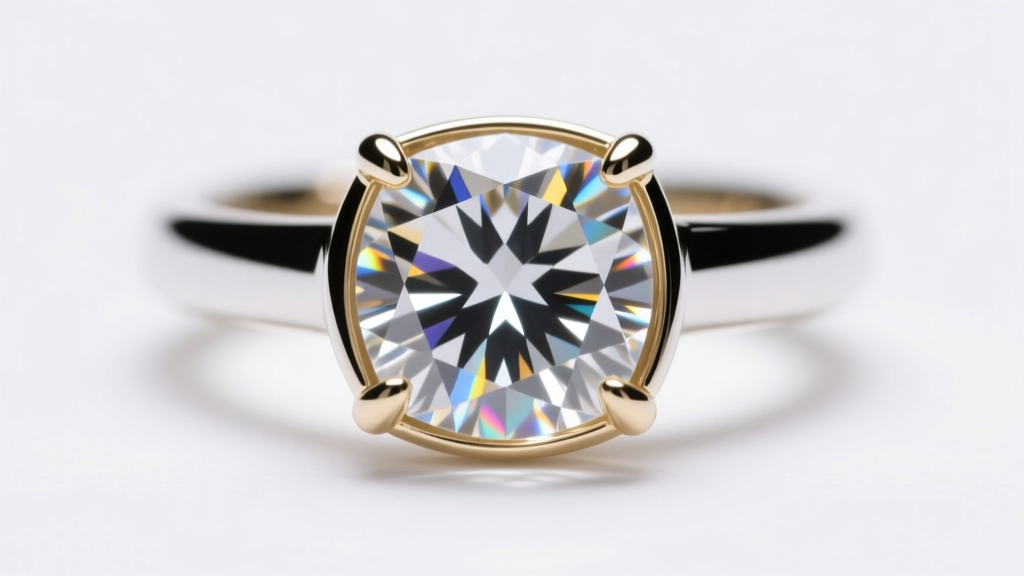
When shopping for an engagement ring or a statement piece, carat weight is often the primary metric buyers focus on. However, carat is a measure of weight, not physical dimensions. A poorly cut 1.00-carat diamond can face up smaller than an ideally cut 0.90-carat stone. For buyers asking how to make diamond look bigger tips jewelry experts rely on a combination of optical physics, material science, and precise metalworking. By manipulating the materials surrounding the center stone, you can dramatically increase its perceived visual spread without paying the exponential premium for higher carat weights.
The Physics of Visual Spread: Metal Reflectivity and Light Return
The human eye perceives the size of a diamond based on its "face-up" spread and the total area of light return. According to the Gemological Institute of America (GIA), a diamond's cut quality dictates how light enters and exits the stone. However, the metal setting acts as a secondary reflector.
White metals—specifically rhodium-plated white gold and polished platinum—act as mirrors. When light misses the critical angles of the diamond's pavilion, it strikes the metal setting and bounces back into the stone. This creates an optical bleed, where the boundaries of the diamond blur into the surrounding metal, tricking the eye into perceiving a larger overall diameter.
Expert Insight: Avoid yellow or rose gold bezel settings if your primary goal is maximum visual spread. The color contrast creates a hard visual boundary, immediately defining the exact edge of the diamond and making it look smaller compared to the same stone set in a seamless white metal illusion setting.
Halo Material Hacks: Lab-Grown and Moissanite Accents
A halo setting is the most effective way to increase the overall diameter of a ring. However, using natural diamond melee (stones under 0.20 carats) to build a wide halo is prohibitively expensive. This is where alternative materials offer a massive advantage in visual engineering.
By utilizing lab-grown diamonds or moissanite for the halo, you can afford a double or triple halo, significantly expanding the ring's footprint. Moissanite, in particular, has a higher refractive index than diamond, meaning it throws more fire and brilliance, which further blurs the outer edges of the setting.
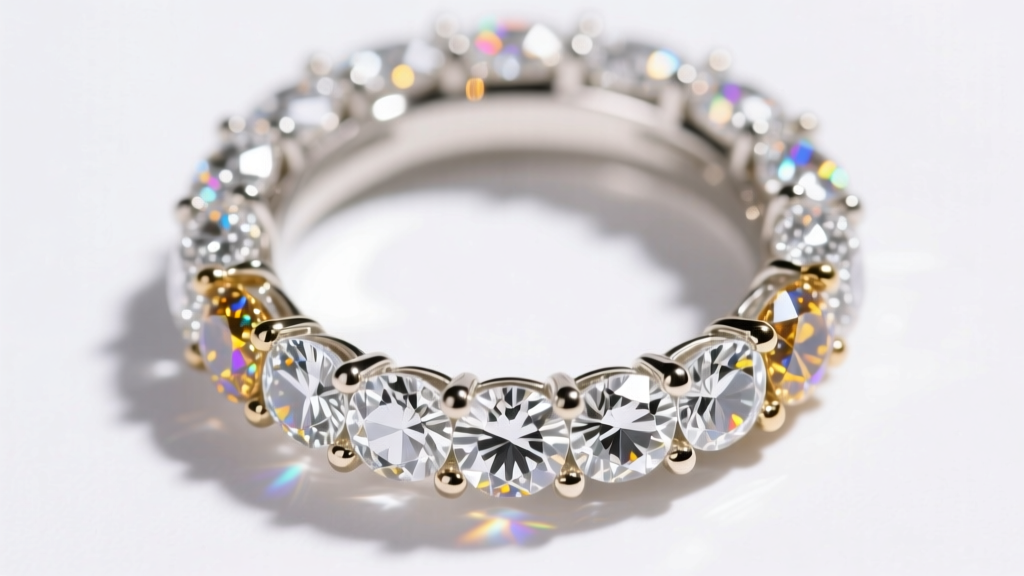
Material Comparison for Maximum Halo Spread
| Material | Refractive Index | Avg. Cost per Carat (Melee) | Visual Impact & Spread |
|---|---|---|---|
| Natural Diamond (GH/VS) | 2.42 | $800 - $1,200 | High brilliance, but limits halo width due to budget constraints. |
| Lab-Grown Diamond | 2.42 | $150 - $300 | Identical optical properties to natural; allows for wider, denser halos. |
| Moissanite (DEF Color) | 2.65 | $50 - $150 | Higher dispersion (fire); creates a glowing edge that maximizes perceived size. |
| Cubic Zirconia (CZ) | 2.15 | $10 - $30 | Lower brilliance; can look glassy and dead over time, reducing visual spread. |
As noted by the American Gem Society, the optical properties of the surrounding stones must complement the center stone. Pairing a natural diamond center with a moissanite halo is a common 2026 strategy for budget-conscious buyers who want a 2.5-carat look on a 0.75-carat budget.
Illusion Settings and Metal Stamping Techniques
If you are setting a smaller diamond (0.25 to 0.50 carats), an illusion setting is your best material hack. An illusion setting features a metal head that is stamped and polished with geometric patterns designed to mimic the facets of a brilliant-cut diamond.
When the center stone is set, the mirrored metal cones surround the girdle, reflecting light in the exact same pattern as the diamond itself. The eye cannot easily distinguish where the diamond ends and the metal begins.
Choosing the Right Metal for Illusion Settings
- 14k or 18k White Gold: The optimal choice. White gold is hard enough to hold sharp, stamped facet lines for decades without them wearing smooth.
- Platinum: While highly durable, platinum is malleable. Over years of daily wear, the sharp stamped edges of a platinum illusion head will polish down and lose their faceted illusion.
- Yellow Gold: Rarely used for illusion settings because the color contrast immediately gives away the boundary between the metal and the diamond.
Shank Proportions and Prong Architecture
The physical dimensions of the ring's band (the shank) directly dictate how large the center stone appears by contrast. A thick, heavy band will dwarf a modest center stone, while a delicate band forces the eye to focus entirely on the diamond.
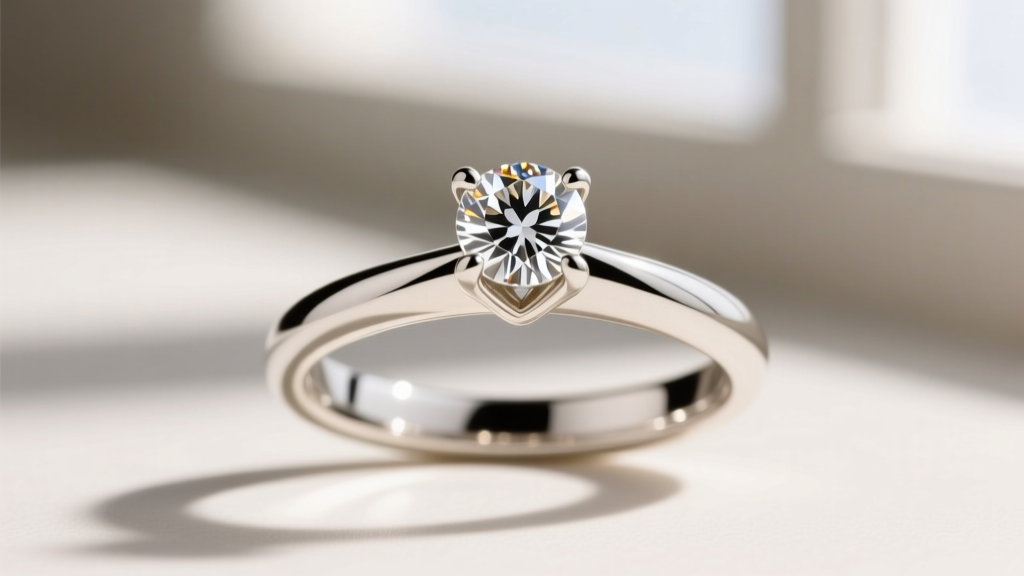
The 1.5mm Rule for Shank Width
For diamonds under 1.00 carats, the ideal shank width is between 1.5mm and 1.8mm. Going thinner than 1.4mm compromises the structural integrity of the ring, leading to warping and bent shanks. Going thicker than 2.0mm creates a visual anchor that makes the center stone look disproportionately small.
Claw Prongs vs. Round Prongs
Prong style is a critical, often overlooked factor in visual spread.
- Round Prongs: Require more metal to form the spherical tip that wraps over the diamond's crown. This metal covers more surface area of the diamond, hiding up to 5% of the stone's diameter.
- Claw (Tab) Prongs: Taper to a fine point, minimizing the metal footprint on the diamond's table and crown. Claw prongs expose more of the diamond's edges, increasing the visible surface area and making the stone appear wider.
According to manufacturing standards outlined by Jewelers of America, precision setting with claw prongs requires highly skilled bench jewelers, but the visual payoff in maximizing the diamond's footprint is undeniable.
Summary Checklist for Maximum Visual Spread
To achieve the largest possible look without upgrading your carat weight, ensure your jewelry specifications meet the following criteria:
- Metal Color: Rhodium-plated white gold or polished platinum to create optical bleed.
- Setting Style: Illusion head (for stones under 0.50ct) or a lab-grown/moissanite double halo (for stones 0.50ct - 1.00ct).
- Shank Width: Strictly between 1.5mm and 1.8mm to maintain delicate contrast.
- Prong Architecture: Four claw prongs (or six for stones over 1.00ct) to minimize metal coverage on the crown.
- Cut Quality: Prioritize a "Spread" cut (e.g., a slightly shallower pavilion with a 59-61% table) to maximize physical diameter, provided it doesn't sacrifice the GIA cut grade below "Very Good".
Understanding how to make diamond look bigger tips jewelry professionals use every day comes down to mastering the interplay of light, metal, and proportion. By selecting the right alternative materials for accents and engineering the setting for maximum exposure, you can achieve a breathtaking, massive look that defies the actual carat weight on the grading report.