VVS Diamond Jewelry Explained: Is the Clarity Premium Worth It?
Discover if VVS diamond jewelry is worth the premium. Our beginner-friendly guide breaks down VVS1 vs VVS2 clarity, pricing, and smart buying tips.

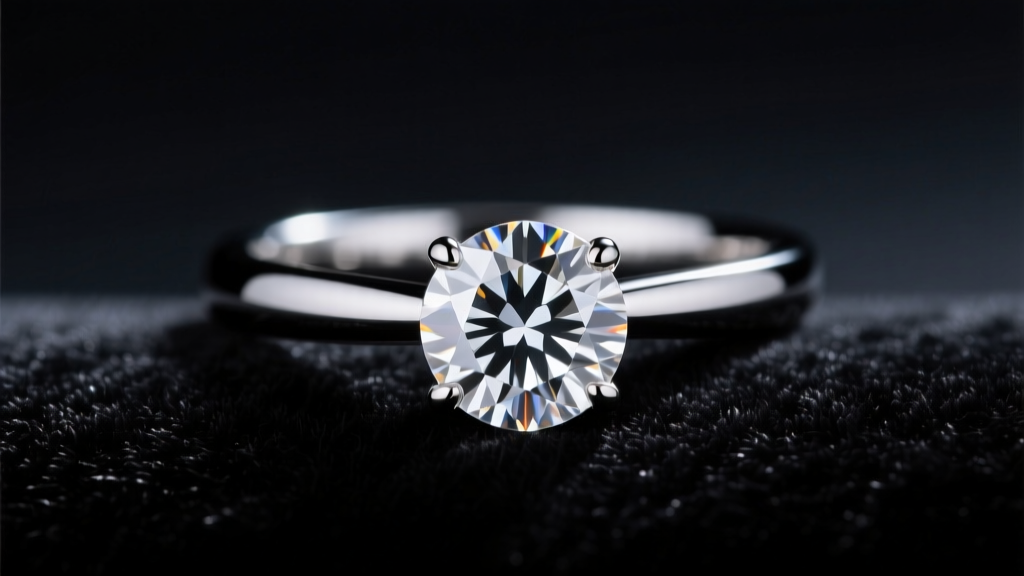
What Exactly is VVS Clarity? (The 10x Loupe Test)
When you begin shopping for high-end engagement rings or luxury pendants, you will inevitably encounter the term VVS. Standing for 'Very, Very Slightly Included,' this clarity grade sits near the very top of the Gemological Institute of America (GIA) grading scale. But what does that actually mean for your jewelry, and more importantly, your wallet?
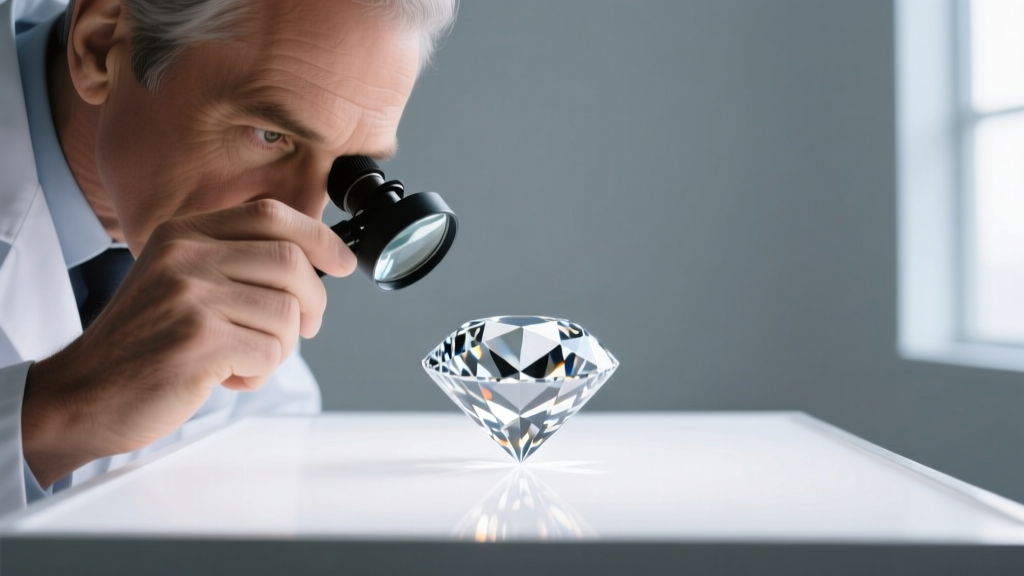
To understand VVS diamond jewelry, you have to look through a gemologist's 10x magnification loupe. At this magnification, a VVS stone will contain minute inclusions—such as tiny pinpoints, faint internal graining, or microscopic needles—that are exceptionally difficult for even a trained professional to locate. According to the GIA Diamond Clarity Scale, VVS is split into two sub-categories:
- VVS1: Inclusions are typically located on the pavilion (the bottom half of the diamond) and are virtually impossible to see from the crown (top) at 10x magnification.
- VVS2: Inclusions might be located on the crown or table, but they remain incredibly minute and challenging to spot even under ideal lighting conditions.
To the naked eye, a VVS diamond looks identical to a Flawless (FL) or Internally Flawless (IF) diamond. The differences only exist under magnification, which leads many buyers to question whether paying for microscopic perfection is a smart financial move.
The Clarity Showdown: VVS vs. VS vs. Flawless
To put the VVS grade into perspective, it helps to see how it stacks up against neighboring grades in terms of visibility, inclusion types, and market positioning. Here is a breakdown of how the top-tier clarity grades compare in the real world.
| Clarity Grade | Inclusion Visibility (10x) | Common Inclusion Types | Naked Eye Appearance | Market Position |
|---|---|---|---|---|
| Flawless (FL) | None visible | N/A | Perfect | Ultra-Rare / Collector |
| Internally Flawless (IF) | Minute surface blemishes only | Polish marks, nicks | Perfect | Premium / Luxury |
| VVS1 | Extremely difficult to see | Pinpoints, internal graining | Eye-Clean | High-End / Prestige |
| VVS2 | Very difficult to see | Needles, tiny feathers | Eye-Clean | Premium / Luxury |
| VS1 | Difficult to see | Crystals, clouds, feathers | Eye-Clean | Smart Luxury / Value |
| VS2 | Somewhat easy to see | Larger crystals, knots | Usually Eye-Clean | Best Value / Popular |
As the table illustrates, the jump from VS1 to VVS2 is a jump in magnified perfection, not necessarily visible beauty. This distinction is the foundation of smart diamond buying.
When Does VVS Diamond Jewelry Actually Make Sense?
While many jewelry experts advocate for VS1 or VS2 to maximize your budget, there are specific scenarios where investing in VVS diamond jewelry is not just justified, but highly recommended.
1. Step-Cut Diamonds (Emerald and Asscher)
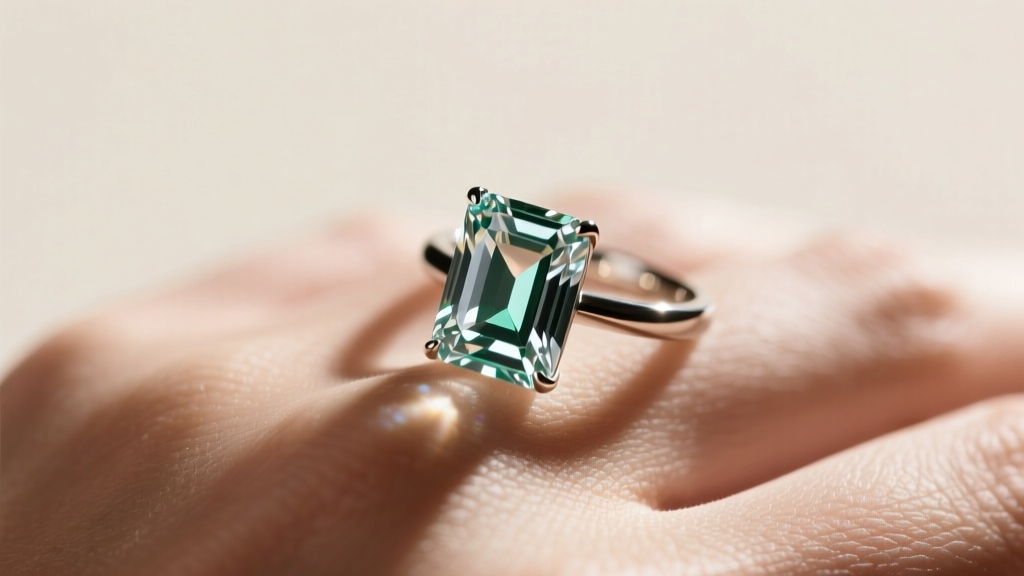
Unlike round brilliant diamonds, which feature dozens of small, complex facets that scatter light and hide inclusions, step-cut diamonds feature long, open, parallel facets. The large 'table' (top surface) of an emerald cut acts like a glass window directly into the stone's interior. An SI1 or even a VS2 inclusion can be easily spotted with the naked eye in a 2-carat emerald cut. For step cuts, VVS clarity ensures the 'hall of mirrors' effect remains uninterrupted by dark crystals or clouds.
2. Large Carat Weights (2.5ct and Above)
As a diamond's physical size increases, so does the size of its inclusions. A pinpoint inclusion in a 0.50-carat diamond is microscopic; that same inclusion in a 3.00-carat diamond might span a millimeter and become visible to the naked eye. When purchasing large-carat statement pieces, VVS clarity acts as an insurance policy against visible flaws.
3. Fancy Colored Diamonds
In the world of natural fancy color diamonds (like yellows, pinks, and blues), inclusions can interfere with the way light travels through the crystal lattice, potentially muting the color saturation. High clarity ensures maximum light return and color vibrancy.
Pricing Realities: The 'VVS Tax' in the Modern Market
Let us talk numbers. The price difference between adjacent clarity grades is rarely linear; it is exponential. To understand the 'VVS Tax,' consider the approximate pricing for a natural, 1.00-carat, G-color, Excellent Cut round brilliant diamond in the current market:
- VS1 Clarity: ~$5,800
- VVS2 Clarity: ~$7,400 (A 27% premium over VS1)
- VVS1 Clarity: ~$8,900 (A 53% premium over VS1)
Expert Insight: If you are buying a standard round brilliant solitaire under 2.0 carats, paying a 50% premium for VVS1 over VS1 yields zero visual difference to the naked eye. You are paying strictly for the rarity of the stone on paper, not for enhanced visual beauty.
However, if you are exploring lab-grown diamonds, the pricing dynamics shift dramatically. Because lab environments can easily produce high-clarity stones, the premium for VVS lab-grown diamonds over VS lab-grown diamonds is often negligible (sometimes less than 5%). If you desire the prestige and peace of mind of a VVS grade, lab-grown VVS jewelry offers an incredible loophole to get top-tier clarity without the natural diamond markup.
3 Beginner Mistakes to Avoid When Buying VVS
If you have decided that VVS is the right choice for your specific jewelry piece, avoid these common pitfalls that trap inexperienced buyers.
Mistake #1: Sacrificing Cut Quality for Clarity
Cut is the single most important factor in a diamond's beauty. It dictates the sparkle, fire, and scintillation. A poorly cut VVS diamond will look dull and lifeless, while an ideally cut VS2 diamond will blind you with brilliance. Never drop below an 'Excellent' or 'Ideal' cut grade just to afford VVS clarity.
Mistake #2: Ignoring the Certification
Never buy VVS diamond jewelry without a grading report from a top-tier, independent laboratory. For natural diamonds, insist on the GIA (Gemological Institute of America). For lab-grown diamonds, GIA or IGI (International Gemological Institute) are the gold standards. Lesser-known labs frequently inflate clarity grades, meaning you might pay VVS prices for what is actually a VS2 stone.
Mistake #3: Demanding VVS for Pave or Side Stones
If you are buying a ring with a VVS center stone, do not waste money ensuring the tiny pave side stones are also VVS. Melee diamonds (stones under 0.15 carats) are too small for inclusions to be visible, and reputable jewelers will use standard VS or SI melee that perfectly matches the visual brilliance of the center stone.
Final Verdict: How to Shop Smart
VVS diamond jewelry represents the pinnacle of microscopic perfection. It is a phenomenal choice for step-cut diamonds, large carat weights, and buyers who value absolute peace of mind and rarity. However, for standard round brilliants under 2 carats, a well-chosen VS1 or VS2 stone will offer identical naked-eye beauty at a fraction of the cost. By understanding how diamond shape, size, and origin impact clarity, you can allocate your budget exactly where it matters most: creating a breathtaking piece of jewelry that will last a lifetime.


