Amber Scholl Jewelry: A Beginner's Guide to Crystal Designs
Discover the magic of Amber Scholl jewelry. This beginner's guide covers her raw crystal wire-wrapping techniques, materials, pricing, and care tips.

The Signature Aesthetic: Raw Crystals and Wire Wrapping
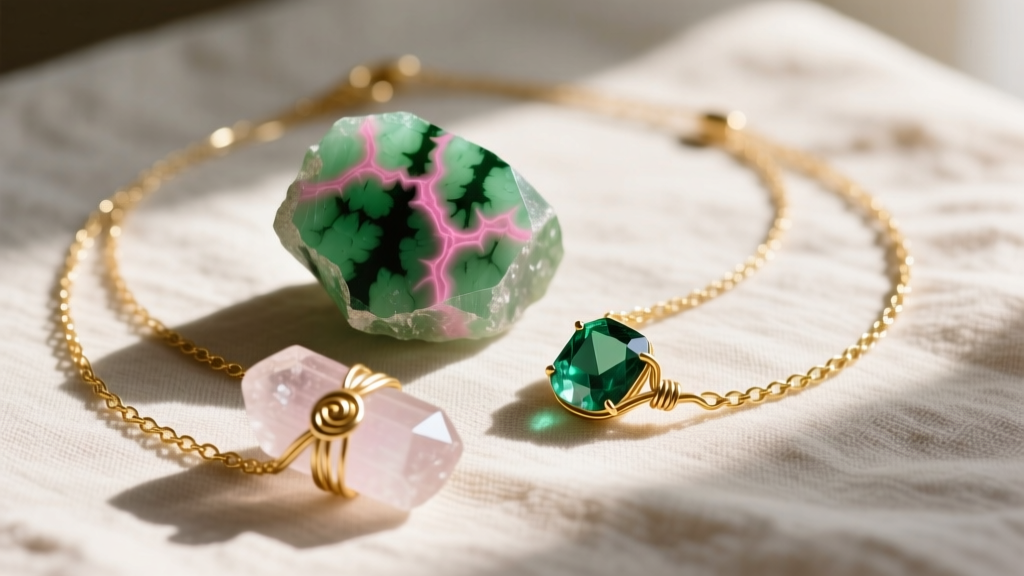
When exploring the intersection of metaphysical meaning and wearable art, Amber Scholl jewelry stands out as a benchmark for raw, uncut gemstone design. As the founder of The Crystal Council, Scholl pioneered a distinct niche by moving away from traditional faceted stones and prong settings. Instead, her work highlights the natural, unpolished geometry of raw crystals, secured through intricate, hand-forged wire wrapping.
For beginners, understanding this aesthetic is crucial. Unlike tumbled or faceted stones that are cut to maximize light refraction, raw crystals retain their natural growth patterns, inclusions, and crystalline lattice structures. As we navigate the jewelry trends of 2026, the shift toward 'imperfect' and organic materials has made Scholl's wire-wrapped pendants and rings highly sought after. The wire wrapping technique—often utilizing 20-gauge or 22-gauge dead-soft wire—acts as a protective cage that secures the stone without the need for heat or harsh adhesives, preserving the stone's natural integrity.
Material Science: What You Are Actually Buying
A common point of confusion for newcomers to artisan crystal jewelry is the terminology used for metals. Amber Scholl jewelry predominantly features 14k Gold-Filled (GF) wire and components, alongside 925 Sterling Silver. Understanding the difference between gold-filled, gold-plated, and solid gold is essential for evaluating quality and longevity.
According to the Fire Mountain Gems Jewelry Encyclopedia, gold-filled wire is created by mechanically bonding a layer of 14k gold alloy to a base metal core (usually jeweler's brass) using heat and pressure. By law, the gold layer must constitute at least 5% (or 1/20th) of the total weight of the metal. This makes it exponentially more durable than electroplated jewelry, which only features a microscopic layer of gold that can rub off in weeks.
| Metal Type | Composition | Tarnish Resistance | Typical Price Impact |
|---|---|---|---|
| 14k Gold-Filled (GF) | 5% 14k gold alloy mechanically bonded to brass core | High (Lasts years with care) | Mid-Tier ($60 - $150) |
| Gold-Plated | Microscopic layer of gold electroplated over brass/copper | Low (Wears off in months) | Budget ($20 - $50) |
| Solid 14k Gold | 58.5% pure gold alloyed with silver, copper, or zinc | Very High (Lifetime) | Premium ($300+) |
| 925 Sterling Silver | 92.5% pure silver, 7.5% copper | Moderate (Requires polishing) | Mid-Tier ($50 - $120) |
Navigating the Gemstone Selection
The core appeal of Amber Scholl jewelry lies in the stones themselves. Scholl frequently sources high-vibration, ethically mined crystals. However, raw stones require a different level of care and understanding than their faceted counterparts. Let's break down three staple gemstones frequently featured in her collections, referencing data from the GIA Gem Encyclopedia.
1. Raw Watermelon Tourmaline
Recognizable by its striking pink core and green rind, watermelon tourmaline is a favorite in Scholl's pendant designs. On the Mohs scale of hardness, it sits at 7 to 7.5. However, tourmaline has distinct cleavage planes, meaning a hard knock against a table edge can cause a raw piece to fracture. The wire-wrapping technique used in Amber Scholl jewelry is specifically designed to cradle these fragile edges, distributing pressure evenly across the stone's surface.
2. Raw Colombian Emeralds
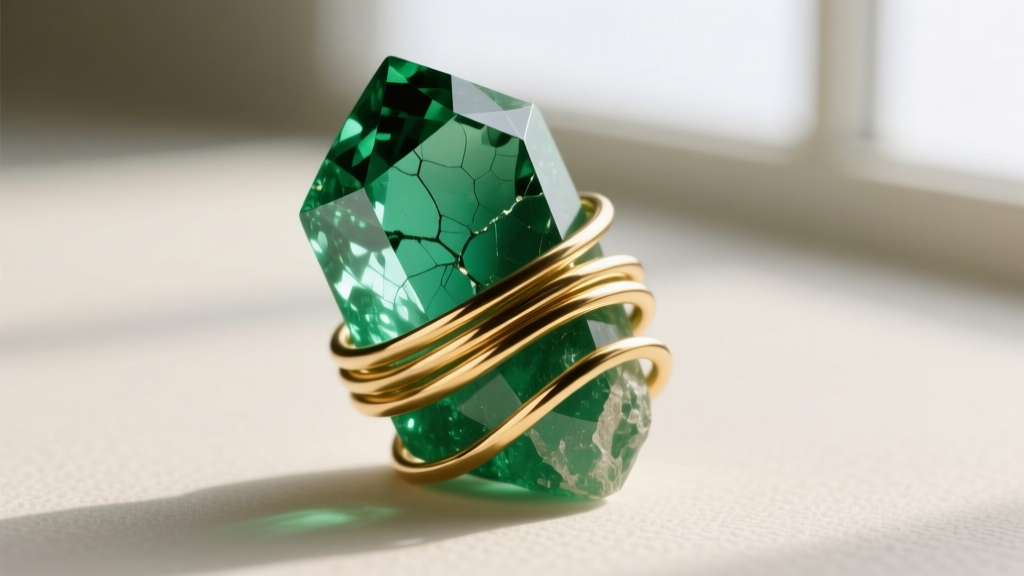
Unlike the flawless, deeply saturated emeralds seen in high-end auction houses, raw emeralds are celebrated for their 'jardin'—the French word for garden, referring to the mossy, natural inclusions inside the stone. With a Mohs hardness of 7.5 to 8, they are relatively hard but inherently brittle due to these inclusions. When purchasing a raw emerald piece, expect variations in opacity and color zoning; these are markers of authenticity, not flaws.
3. Rainbow Moonstone
Prized for its adularescence—the billowy blue or rainbow light that seems to float just below the surface—raw rainbow moonstone is cut into freeform cabochons or left as rugged chunks. Sitting at a 6 to 6.5 on the Mohs scale, it is softer than quartz and highly susceptible to scratching. It is a stone that demands gentle wear and mindful storage.
Pricing Tiers and Investment Value
Because raw crystals cannot be uniformly manufactured, pricing in the artisan gemstone market fluctuates based on the rarity, size, and color saturation of the specific stone used. When shopping for Amber Scholl jewelry, you will generally encounter three pricing tiers:
- Entry-Level ($45 - $85): Smaller, tumbled, or lightly polished stones like clear quartz, amethyst, or rose quartz, wrapped in sterling silver or 14k gold-filled wire. These pieces are excellent for daily wear and beginners exploring crystal energy.
- Mid-Tier ($85 - $160): Larger, high-quality raw specimens such as watermelon tourmaline, raw emeralds, or rare moldavite. These pieces often feature more complex wire-weaving techniques, incorporating smaller accent beads into the wire cage.
- Statement and Custom ($160 - $300+): Museum-grade raw specimens, large geode slices, or custom-commissioned pieces featuring heavy wire-sculpting, multiple gemstone layers, and intricate bail designs.
For those looking to invest, pieces featuring rare inclusions or large, unbroken raw emerald clusters tend to hold their value best within the secondary market.
Care and Maintenance for Wire-Wrapped Raw Stones
The most common mistake beginners make with artisan crystal jewelry is treating it like mass-produced commercial jewelry. Raw stones and gold-filled wire require a specific maintenance routine to prevent irreversible damage.
What to Avoid
Never place wire-wrapped raw crystal jewelry in an ultrasonic cleaner. The high-frequency vibrations can easily shatter raw stones, especially those with internal inclusions like emeralds or tourmaline. Furthermore, avoid chemical jewelry dips, bleach, and chlorine, which will instantly strip the gold layer from gold-filled wire and cause sterling silver to blacken.
The Proper Cleaning Method
- Dry Dusting: Use a clean, ultra-soft makeup brush to gently sweep dust out of the crevices of the raw crystal and the tight coils of the wire wrap.
- Spot Cleaning: If the stone is soiled, dampen a microfiber cloth with distilled water and a drop of mild, phosphate-free dish soap. Gently wipe the stone, avoiding aggressive scrubbing.
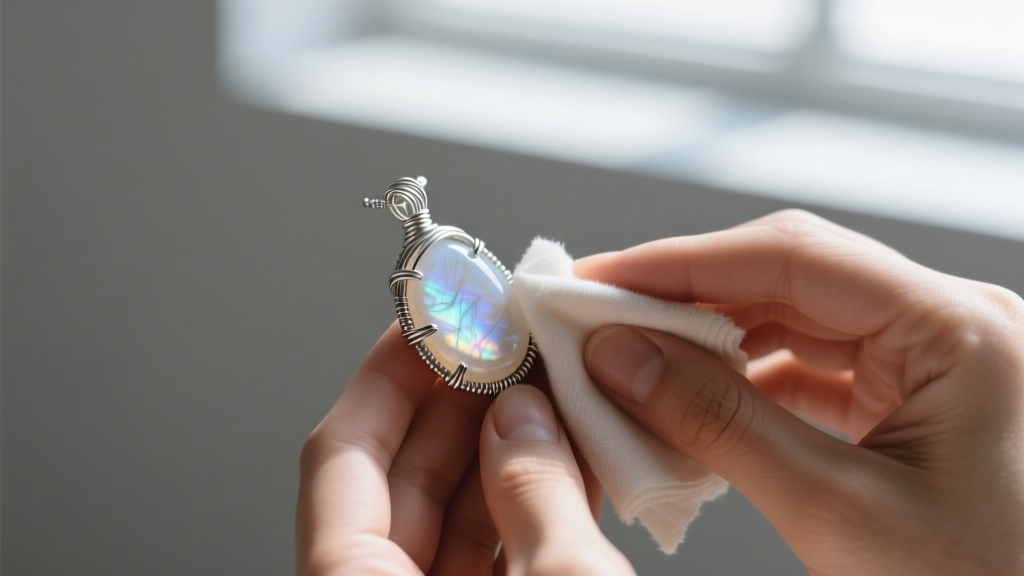
- Polishing the Wire: Use a dedicated jewelry polishing cloth (treated with mild anti-tarnish compounds) to gently buff the 14k gold-filled or sterling silver wire. Do not pull the cloth through tight wire weaves, as it can snag and distort the wire's shape.
By understanding the material science, the geological uniqueness of raw stones, and the proper care techniques, you can confidently build a collection of Amber Scholl jewelry that remains vibrant and structurally sound for years to come. For more information on the brand's specific sourcing practices, you can visit The Crystal Council's official site.


