Choosing a Blue Topaz Jewelry Set: Grades, Metals & Properties
Discover how to choose the perfect blue topaz jewelry set. Compare Swiss, London, and Sky topaz grades, metal pairings, and durability properties.

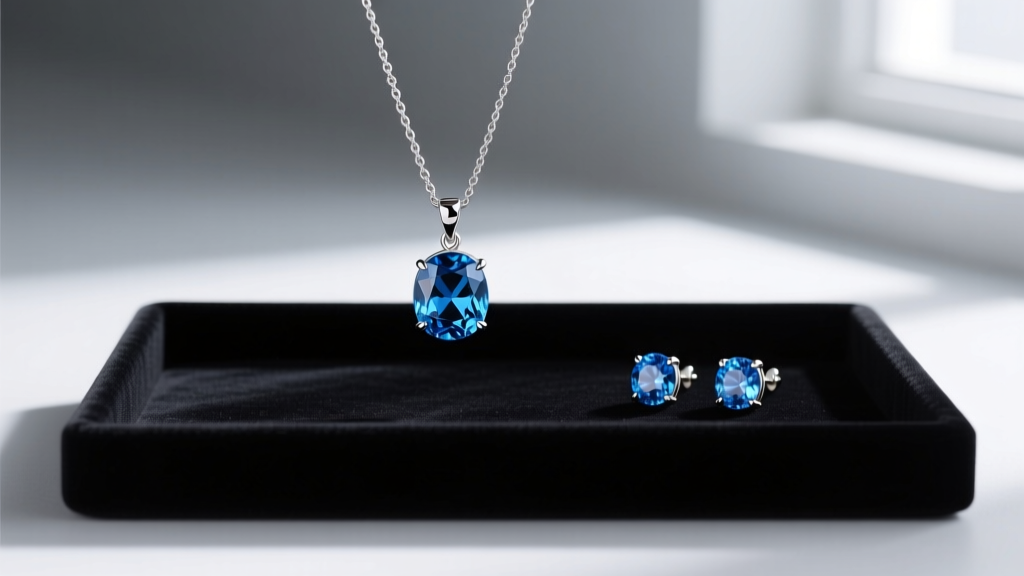
When investing in a coordinated gemstone collection, a blue topaz jewelry set offers an exceptional balance of striking color, brilliant clarity, and accessible luxury. Unlike single-stone purchases, matched sets demand a rigorous evaluation of color consistency, metal durability, and structural integrity across multiple pieces. As of 2026, advancements in gemstone cutting and metallurgical alloys have expanded the options available to consumers, making it crucial to understand the material properties that dictate a set's longevity and visual impact.
This guide deconstructs the material science behind blue topaz, comparing its physical properties against alternative blue gemstones and providing a definitive framework for selecting the optimal metal pairings and setting styles for your jewelry set.
The Three Commercial Grades of Blue Topaz
Naturally occurring blue topaz is exceptionally rare and typically pale. The vibrant stones found in modern jewelry are the result of treating colorless topaz through controlled irradiation and subsequent heat treatment. According to the Gemological Institute of America (GIA), this process is permanent, stable, and completely safe for wear. The market categorizes these treated stones into three distinct grades, which heavily influence the price and aesthetic of your jewelry set.
Sky Blue Topaz
The lightest of the three, Sky Blue topaz features a pale, airy hue reminiscent of a clear winter sky. It requires the lowest dose of irradiation (often using gamma rays from Cobalt-60). Because the treatment time is shorter and the rough material is more abundant, Sky Blue sets are the most budget-friendly, though they lack the visual saturation preferred by high-end collectors.
Swiss Blue Topaz
Swiss Blue is the industry standard for vibrant, electric blue jewelry. It is characterized by a bright, medium-toned blue with high saturation. Achieving this color typically requires electron beam irradiation followed by precise heat treatment. Swiss Blue topaz jewelry sets are highly sought after for their versatility, as the vivid color pops beautifully against both white and yellow metals.
London Blue Topaz
London Blue represents the pinnacle of treated topaz. It exhibits a deep, inky blue with subtle gray or green undertones, giving it a sophisticated, almost velvety appearance. The irradiation process for London Blue is more intensive, often requiring a combination of neutron bombardment and extended cooling periods to ensure the stone is safe for the market. This extended processing time makes London blue topaz jewelry sets the most expensive and highly prized among the three grades.
Material Comparison: Blue Topaz vs. Alternative Blue Gemstones
When curating a blue jewelry set, buyers often cross-shop topaz with other blue stones. Understanding the exact mineralogical differences is vital for long-term wearability. Below is a technical comparison of blue topaz against its most common market alternatives.
| Property | Blue Topaz (London/Swiss) | Aquamarine (Beryl) | Blue Sapphire (Corundum) | Tanzanite (Zoisite) |
|---|---|---|---|---|
| Mohs Hardness | 8.0 | 7.5 - 8.0 | 9.0 | 6.5 - 7.0 |
| Cleavage | Perfect Basal (High Risk) | Indistinct | None | Perfect (High Risk) |
| Refractive Index | 1.610 - 1.620 | 1.577 - 1.583 | 1.762 - 1.770 | 1.691 - 1.700 |
| Specific Gravity | 3.53 | 2.72 | 4.00 | 3.35 |
| Avg. Price per Carat (Fine) | $20 - $45 | $150 - $400 | $1,500 - $5,000+ | $300 - $800 |
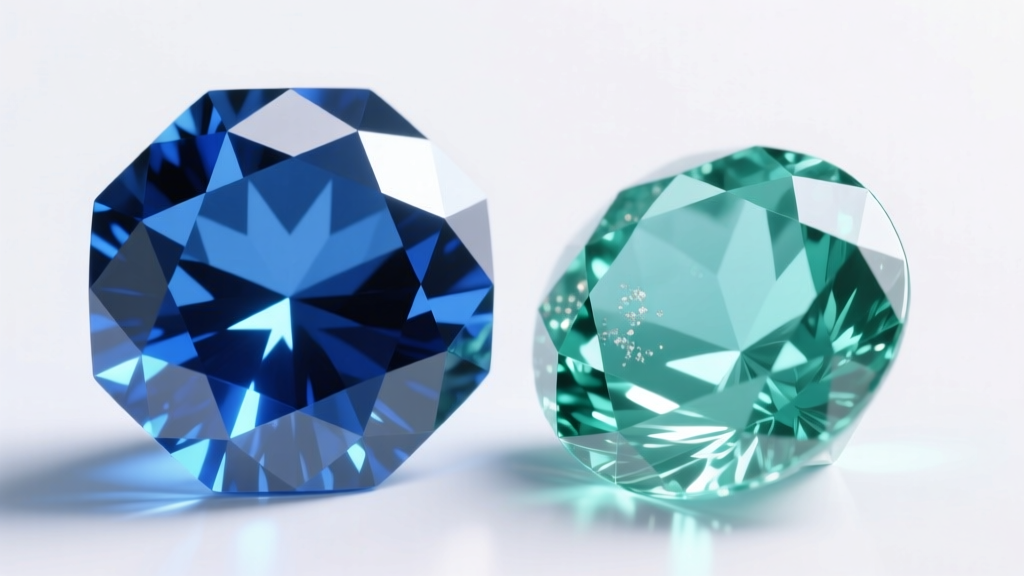
While blue sapphire offers superior scratch resistance (Mohs 9) and lacks cleavage planes, its exorbitant price point makes large, matched parure sets prohibitively expensive for most buyers. Aquamarine offers a similar price-to-size ratio as topaz but lacks the high refractive brilliance and deep color saturation of London Blue topaz. Tanzanite, while breathtaking, is far too soft (Mohs 6.5) for everyday rings or bracelets, making topaz the superior choice for comprehensive, multi-piece sets that include high-impact items like rings.
Selecting the Optimal Metal for Your Set
The metalwork in a blue topaz jewelry set is just as critical as the gemstones. The cool, vitreous luster of blue topaz interacts differently with various metal alloys, and the structural integrity of the prongs must account for the stone's specific vulnerabilities.
14k and 18k White Gold
White gold is the undisputed champion for London and Swiss blue topaz. The rhodium plating on white gold reflects cool light back into the stone, amplifying its icy blue hues. For rings and bracelets within the set, 14k white gold is highly recommended over 18k. The higher copper and zinc content in 14k alloys provides superior tensile strength, ensuring that the prongs gripping the topaz remain rigid against accidental impacts.
925 Sterling Silver with Rhodium Flash
For entry-level to mid-tier blue topaz jewelry sets, 925 sterling silver is the standard. However, bare silver tarnishes and can leave dark residues on the skin. Always ensure the silver features a rhodium or platinum flash plating. This not only prevents tarnishing but also provides a scratch-resistant barrier that mimics the look of high-end white gold.
18k Yellow Gold
Pairing blue topaz with yellow gold creates a striking, high-contrast vintage aesthetic. However, 18k yellow gold is a relatively soft alloy. If your set includes a cocktail ring or a heavy bangle, ensure the setting utilizes a bezel or a reinforced halo design rather than delicate high-prong settings, which can bend and release the stone upon impact.
The Hidden Risk: Basal Cleavage and Setting Architecture
The most misunderstood property of topaz is its durability. While a Mohs hardness of 8.0 means it is highly resistant to scratching from everyday dust and debris, topaz possesses perfect basal cleavage. This means the crystal lattice has a distinct structural plane where, if struck at the correct angle with sufficient force, the stone will split cleanly in two.
When evaluating a blue topaz jewelry set, inspect the setting architecture closely:
- Avoid High-Profile Prongs: Elevated solitaire prong settings leave the girdle (the widest edge of the stone) exposed to lateral impacts against doorframes or steering wheels.
- Opt for Bezel or Half-Bezel Settings: A metal rim surrounding the girdle absorbs shock and protects the cleavage plane. This is especially critical for the ring and bracelet components of your set.
- V-Prongs for Pear and Marquise Cuts: If your set features elongated cuts, ensure the pointed tips are protected by specialized V-prongs, as the points are the most vulnerable to chipping.
Proper Care and Maintenance Protocols
Maintaining the brilliance of a blue topaz jewelry set requires specific cleaning protocols that respect the stone's physical limitations. The GIA Care and Cleaning Guide explicitly warns against certain common jewelry cleaning methods for topaz.
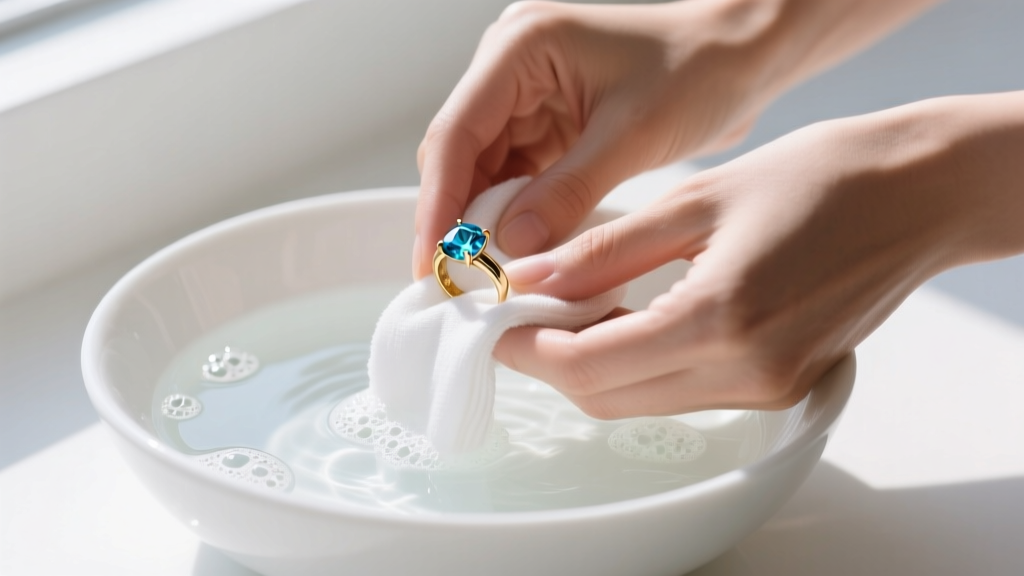
Critical Warning: Never place blue topaz in an ultrasonic cleaner. The high-frequency acoustic cavitation bubbles can exploit microscopic fissures along the stone's cleavage planes, leading to catastrophic internal fracturing. Similarly, steam cleaners can cause thermal shock if the stone has been fracture-filled or heavily included.
The Approved Cleaning Method:
- Mix a few drops of pH-neutral dish soap into a bowl of lukewarm (not hot) distilled water.
- Submerge the jewelry set for 5 to 10 minutes to loosen sebum and cosmetic buildup.
- Gently agitate the water; do not scrub the stones with a hard-bristled brush. A baby-soft toothbrush can be used on the metal pavé or under the gallery, but avoid brushing the topaz girdle.
- Rinse under a gentle stream of room-temperature water and pat dry with a lint-free microfiber cloth.
2026 Market Pricing and Authenticity Verification
When shopping for a blue topaz jewelry set, pricing should align with the metal weight, stone grade, and brand craftsmanship. Be wary of sets priced suspiciously low, as they may feature blue spinel, dyed quartz, or cobalt-blue glass masquerading as topaz.
- Sterling Silver Sets (Necklace + Earrings): Expect to pay between $120 and $350 for Swiss Blue, and $200 to $500 for London Blue.
- 10k/14k Gold Sets (Necklace + Earrings + Ring): High-quality commercial sets range from $800 to $1,800, heavily dependent on the total carat weight and the presence of diamond melee accents.
- Designer / Platinum Sets: Custom or luxury designer parures featuring precision-cut London Blue topaz and VVS diamonds typically start at $3,500 and can exceed $8,000.
To verify authenticity, look for the high specific gravity of topaz (it should feel noticeably heavier than a similarly sized glass or quartz imitation) and its distinct double refraction under a jeweler's loupe, which causes a slight doubling of the facet edges when viewed through the table of the stone. By prioritizing material properties, structural setting design, and appropriate metal pairings, your blue topaz jewelry set will remain a flawless, heirloom-quality collection for decades.


