How to Clean, Polish, and Maintain an Onyx Jewelry Box
Learn expert techniques to clean, polish, and maintain your onyx jewelry box. Protect the stone, hardware, and velvet lining with our detailed guide.

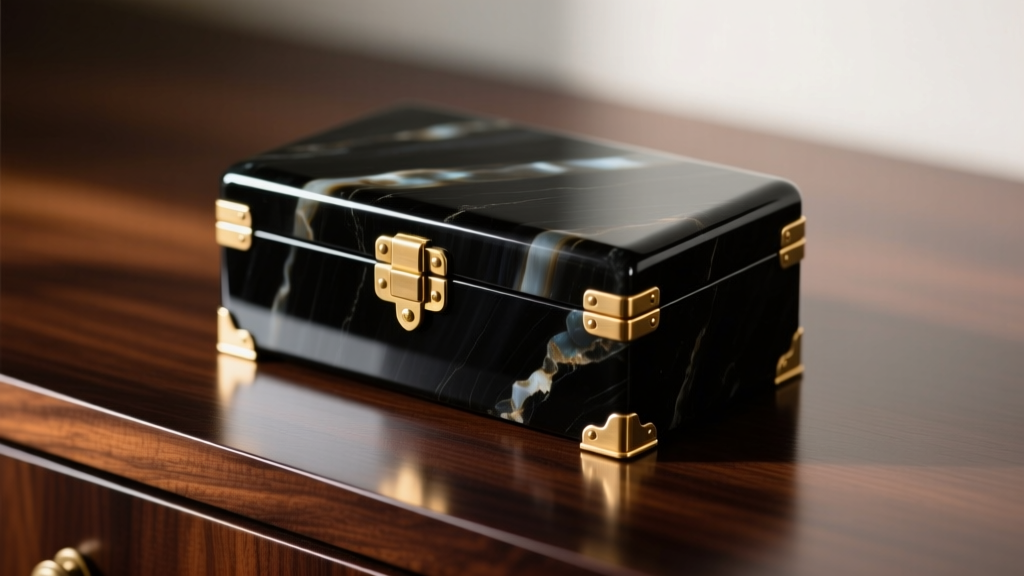
Understanding the Mineralogy of Your Onyx Box
Before applying any cloth or cleaner to your onyx jewelry box, it is critical to understand the material you are working with. True onyx is a banded variety of chalcedony, a cryptocrystalline quartz with a Mohs hardness of 6.5 to 7. While it is relatively scratch-resistant compared to softer gemstones like turquoise or malachite, its crystalline structure contains microscopic pores. Furthermore, the vast majority of commercial black onyx jewelry boxes on the market are actually dyed agate. The dyeing process involves soaking the porous stone in a sugar solution followed by sulfuric acid, which carbonizes the sugar and turns the stone a deep, uniform black. This chemical treatment makes dyed onyx highly sensitive to alkaline cleaners, harsh solvents, and prolonged UV exposure, which can cause the black dye to leach or fade to a dull gray.
According to the Gemological Institute of America (GIA), chalcedony requires gentle, non-abrasive care to maintain its structural integrity and polished luster. Treating your onyx box like a standard piece of glass or ceramic will quickly lead to irreversible damage to the stone's finish and the delicate interior lining.
Step-by-Step Cleaning Routine for the Stone Exterior
The pH-Neutral Wipe Down
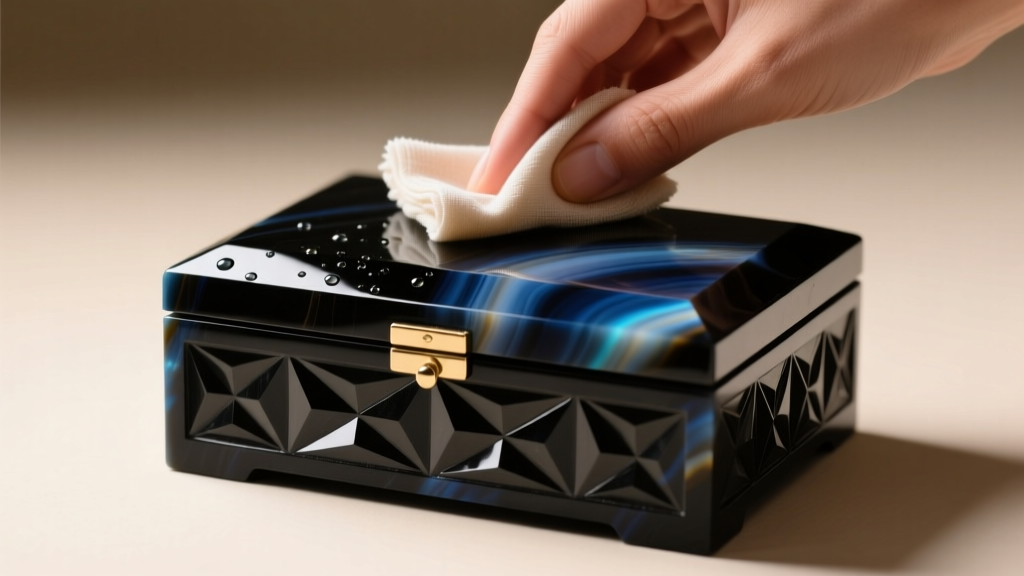
Routine dusting should be performed weekly using a clean, dry, lint-free microfiber cloth. For deeper cleaning to remove fingerprint oils and environmental grime, you must use a strictly pH-neutral solution. Mix one cup of distilled water (never tap water, as the dissolved minerals will leave microscopic scratches and hard water spots) with a single drop of pH-neutral dish soap, such as original Dawn. Dampen a microfiber cloth in the solution, wring it out until it is only slightly moist, and gently wipe the exterior of the box. Follow up immediately with a dry microfiber cloth to buff the stone and prevent water from seeping into the unpolished felt pads or hinge joints at the base.
What to Avoid: The Acid and Alkali Test
Never use vinegar, lemon juice, baking soda, or commercial glass cleaners (like Windex) on an onyx jewelry box. Acids will etch the surface polish of the chalcedony, leaving a permanent cloudy haze, while alkaline substances can break down the carbon bonds of the black dye, causing irreversible fading. Additionally, avoid ultrasonic cleaners if you ever detach any decorative stone inlays, as the high-frequency vibrations can shatter the adhesive bonds.
Polishing and Sealing the Onyx
Over time, the factory polish on an onyx box can dull due to microscopic abrasions from dust. To restore the mirror-like finish, use a high-quality, pure carnauba wax or a specialized lapidary polish. Apply a pea-sized amount of carnauba wax to a soft cotton cloth and work it into the stone using small, circular motions. Allow the wax to haze for about five minutes, then buff it vigorously with a clean, dry microfiber cloth. Carnauba wax provides a hard, protective barrier that repels fingerprints and seals the microscopic pores of the dyed stone, locking in the black color. Avoid silicone-based polishes, as they can build up over time, creating a greasy film that attracts dust and degrades the velvet interior if transferred.
Maintaining Metal Hardware and Hinges
The hardware on an onyx jewelry box—typically brass, silver-plated, or gold-toned hinges and clasps—requires a different approach than the stone. Metal hardware is prone to oxidation and tarnishing, especially in humid environments like bathrooms or coastal areas.
- Removing Tarnish: For brass or silver hinges, use a dry, untreated jewelry polishing cloth impregnated with micro-abrasives. Do not use liquid silver dips or brass pastes, as these can easily splash onto the onyx and stain the porous stone or ruin the interior velvet.
- Lubricating Squeaky Hinges: If the heavy stone lid causes the hinges to squeak or bind, do not use WD-40 or standard household oils. These wet lubricants attract dust, turn into a gritty paste, and can seep into the velvet lining. Instead, use a PTFE (Teflon) dry lubricant. Apply a microscopic drop to the hinge pin using the tip of a wooden toothpick, cycle the lid open and closed a few times, and wipe away any excess.
Caring for the Interior Velvet Lining
The interior of a premium onyx box is usually lined with cotton velvet or velour, which acts as a cushion for your gemstones but is a magnet for dust, dead skin cells, and cosmetic oils. The Victoria and Albert Museum's conservation guidelines emphasize that antique and delicate textiles should never be subjected to harsh wet cleaning.
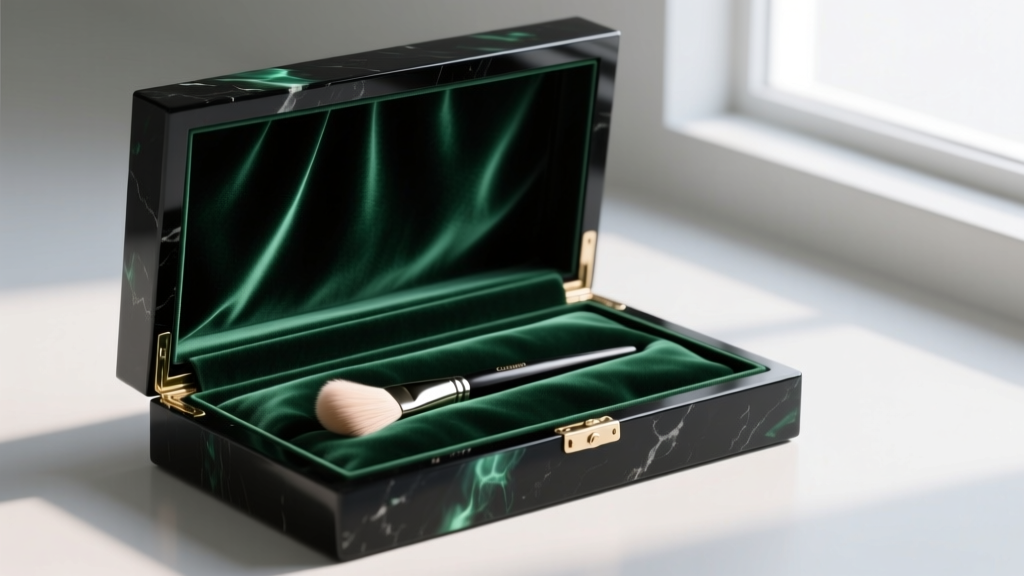
To maintain the velvet, use a clean, dry, soft-bristled makeup brush (like a large powder brush) to gently sweep the interior crevices weekly. If the velvet becomes matted or crushed from the weight of heavy jewelry, you can gently lift the fibers using a specialized velvet pumice stone or by lightly steaming the fabric from a distance of six inches using a garment steamer—being incredibly careful not to let any condensation drip onto the onyx or metal hardware. For oil stains on the velvet, create a dry poultice by covering the stain with a thick layer of cornstarch. Leave it for 24 hours to absorb the oils, then gently brush it away with your makeup brush.
Troubleshooting Common Onyx Box Issues
Even with meticulous care, functional items can develop issues. Use the following diagnostic table to address the most common problems associated with carved stone jewelry boxes.
| Issue | Root Cause | Expert Solution |
|---|---|---|
| White Haze or Chalky Spots | Hard water mineral deposits or alkaline cleaner residue. | Wipe with distilled water and a drop of pH-neutral dish soap. Buff dry immediately with a microfiber cloth. |
| Fading or 'Gray' Black Onyx | UV exposure or chemical leaching of the carbon dye used in commercial onyx. | Keep out of direct sunlight. Apply a thin layer of carnauba wax to restore depth and seal the stone. |
| Squeaky or Stiff Brass Hinges | Friction from microscopic dust accumulation or oxidized metal. | Apply a microscopic drop of PTFE dry lubricant using a toothpick. Avoid WD-40, which attracts grime. |
| Crushed or Matted Velvet Lining | Prolonged pressure from heavy jewelry pieces or natural oil transfer from fingers. | Gently brush with a clean, dry makeup brush or use a specialized velvet pumice stone to lift the fibers. |
| Wobbly or Misaligned Lid | Loose hinge screws due to the heavy weight of the stone lid. | Carefully tighten the screws with a precision jeweler's screwdriver. If stripped, fill the hole with a toothpick and wood glue, then re-screw. |
Best Practices for Storing Jewelry Inside
An onyx jewelry box is not just a display piece; it is a functional storage environment. Because stone boxes are airtight when closed, they can trap humidity, which accelerates the tarnishing of silver jewelry. To counteract this, place a few 3M anti-tarnish strips inside the compartments, replacing them every six months. Additionally, always ensure that your jewelry is clean and free of lotions or perfumes before placing it inside, as these chemicals can transfer to the velvet lining and eventually off-gas, affecting other pieces in the box. Finally, because onyx is exceptionally heavy, ensure the box is placed on a sturdy, level surface, and apply self-adhesive felt pads to the bottom corners to prevent the stone base from scratching your wooden dressers or vanities.
Conclusion
Maintaining an onyx jewelry box requires a balance of geological awareness and textile care. By respecting the porous, dyed nature of the chalcedony, utilizing pH-neutral cleaning agents, and employing dry lubrication for the hardware, you can ensure that your storage piece remains as pristine as the fine jewelry it holds. Consistent, gentle maintenance is the key to preserving both the functional integrity and the heirloom beauty of your carved stone box for decades to come.


