The Ultimate Guide to Cleaning Peridot Stone Jewelry
Learn how to safely clean peridot stone jewelry. Discover expert tips on avoiding ultrasonics, proper storage, and maintaining its vibrant green hue.

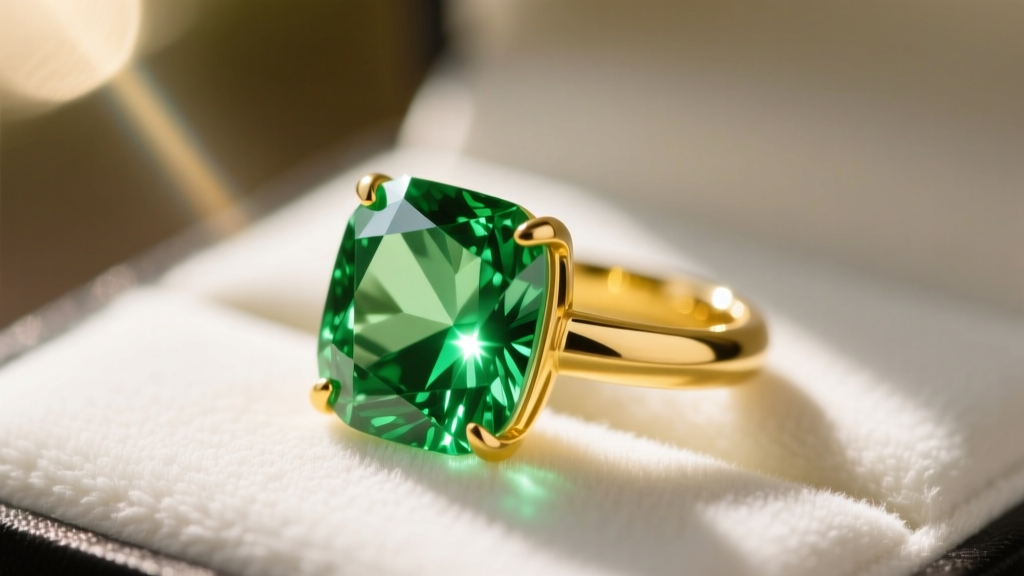
Peridot, with its signature lime-to-olive green hue, is one of the few gemstones that exists in only one color. Born deep within the Earth's mantle and brought to the surface by volcanic activity (and sometimes arriving via meteorites), peridot stone jewelry is a stunning addition to any collection. However, its unique gemological profile demands a highly specific approach to care, maintenance, and cleaning. Unlike diamonds or sapphires, peridot is sensitive to sudden temperature changes, acidic environments, and mechanical stress. In this comprehensive guide, we will explore the exact protocols required to keep your peridot jewelry looking pristine for generations.
Understanding the Gemological Vulnerabilities of Peridot
Before applying any soap or water to your jewelry, it is crucial to understand the physical properties of the stone. According to mineralogical data from Mindat.org, peridot is the gem-quality variety of the mineral olivine. It registers between 6.5 and 7 on the Mohs scale of hardness. While this makes it harder than glass, it is significantly softer than quartz (which makes up the dust in your home) and topaz. This means that everyday dust can actually cause micro-scratches on the surface of your peridot stone jewelry over time, dulling its polish.
More importantly, peridot is known for specific internal characteristics called "lily pad" inclusions. These are stress fractures that radiate around negative crystals inside the stone. While they are a hallmark of natural, untreated peridot and add to its character, they also represent structural weak points. If subjected to thermal shock or high-frequency vibrations, these inclusions can expand, causing the stone to fracture or shatter entirely.
The Step-by-Step Safe Cleaning Routine
To safely remove oils, lotions, and environmental grime from your peridot stone jewelry, follow this gentle, non-invasive cleaning protocol. This method is recommended for both modern and vintage settings.
1. Preparation and Soaking
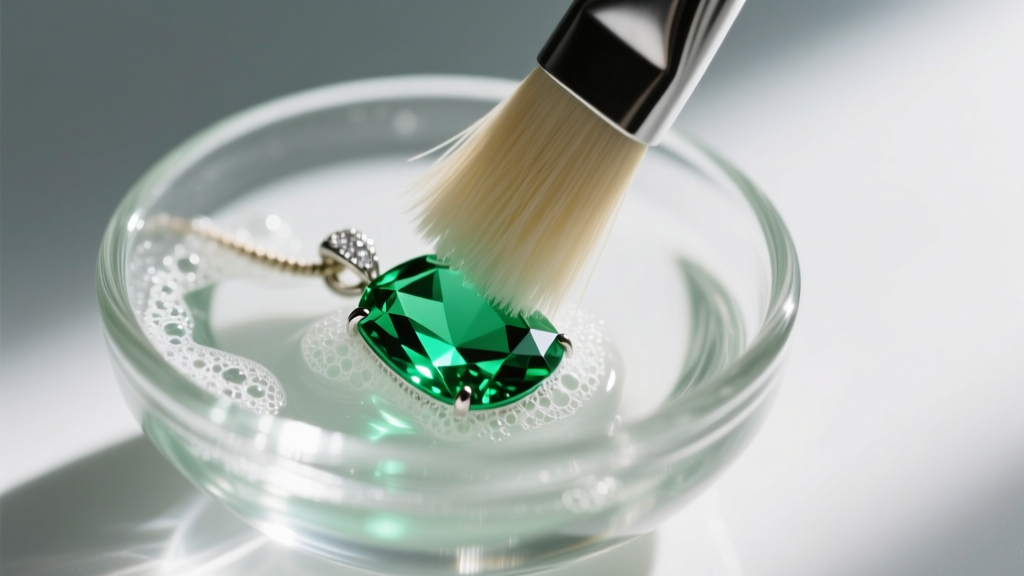
Always plug your sink drain before handling jewelry over a basin. Fill a small glass or ceramic bowl with lukewarm water—never hot or cold. Add a few drops of a mild, phosphate-free dish soap (such as original Dawn). Submerge your peridot jewelry and let it soak for exactly three to five minutes. This brief soak is enough to loosen surface debris without allowing water to penetrate any microscopic fissures in the setting.
2. Gentle Agitation
Using a brand-new, ultra-soft baby toothbrush or a dedicated makeup brush, gently sweep the bristles over the stone and the metal setting. Focus on the pavilion (the underside of the stone) where skin oils and dead skin cells accumulate, blocking light return and making the peridot look cloudy. Do not apply heavy pressure; let the bristles and the soap do the work.
3. The Distilled Water Rinse
Rinse the jewelry under a gentle stream of lukewarm water. For the best results, use distilled water for the final rinse. Tap water contains dissolved minerals like calcium and magnesium, which can leave hard water spots on the surface of the peridot, mimicking the appearance of a cloudy or etched stone.
4. Drying and Polishing
Pat the piece dry with a clean, lint-free microfiber cloth. Avoid using paper towels or tissues, as the wood pulp fibers can cause microscopic abrasions on the stone's surface. Use a clean, dry corner of the microfiber cloth to gently buff the metal setting to a high shine.
The Peridot Danger Zone: What to Strictly Avoid
The most common way peridot stone jewelry is ruined is through the use of automated cleaning systems or harsh chemicals. The Gemological Institute of America (GIA) explicitly warns against using certain modern cleaning technologies on olivine-family gems. Below is a breakdown of environmental and chemical hazards you must avoid.
| Hazard / Cleaning Method | Effect on Peridot | Risk Level |
|---|---|---|
| Ultrasonic Cleaners | High-frequency cavitation bubbles collapse against the stone, shattering "lily pad" inclusions and causing catastrophic fracturing. | Critical |
| Steam Cleaners | Sudden, extreme thermal shock causes internal stress fractures to expand, often splitting the stone in half. | Critical |
| Hydrochloric / Sulfuric Acid | Peridot is highly susceptible to acid etching. Even mild acidic cleaners will permanently frost the surface polish. | Severe |
| Chlorine (Pools/Hot Tubs) | Degraded metal settings (especially white gold alloys) and potential surface pitting on the gemstone over prolonged exposure. | Moderate |
| Acidic Sweat / Perfumes | Gradual dulling of the polish and degradation of porous metal settings if not wiped down after wear. | Low-Moderate |
Gemologist's Note: "Never wear peridot stone jewelry while applying cosmetics, hairspray, or acidic skincare products like Vitamin C serums or AHA/BHA exfoliants. The acidic nature of these skincare routines can slowly etch the surface of the peridot, resulting in a permanent loss of luster that can only be fixed by professional re-polishing."
Strategic Storage and Setting Considerations
Because peridot sits at a 6.5 to 7 on the Mohs scale, it is highly vulnerable to contact damage from harder gems. Storing your jewelry correctly is just as important as cleaning it.
Isolation is Key
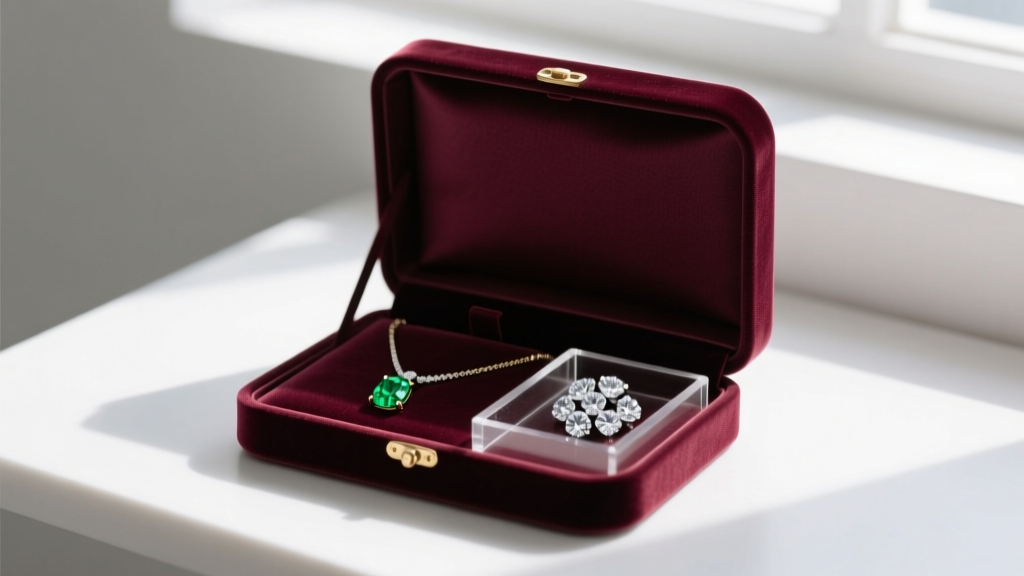
Never toss peridot jewelry into a communal jewelry box alongside diamonds, rubies, or sapphires. These harder stones will easily scratch the peridot's surface. Store each piece of peridot stone jewelry in its own soft flannel pouch or a dedicated, fabric-lined compartment. If you are traveling, use a roll-up jewelry organizer with individual, snap-closure slots to prevent pieces from shifting and colliding.
Evaluating Your Jewelry Settings
The way your peridot is set dictates how much maintenance it will require. High-prong settings (like a classic Tiffany solitaire) leave the girdle and crown of the stone exposed to impacts. Because peridot has distinct cleavage planes, a hard knock against a doorframe or countertop can chip the stone. If you are purchasing a peridot ring for daily wear, opt for a bezel setting, a halo setting, or a flush mount. These settings wrap metal around the vulnerable edges of the gem, absorbing impact and protecting the stone from accidental abrasion.
Caring for Vintage and Antique Peridot Jewelry
Peridot has been used in jewelry for thousands of years, dating back to ancient Egypt, and saw massive revivals during the Victorian and Edwardian eras. If you own antique peridot stone jewelry, the cleaning rules become even stricter. Older stones were often cut with different proportions, such as rose cuts or early step cuts, and may have been polished with historical compounds that modern soaps can strip away.
Furthermore, antique settings—particularly those made of high-karat yellow gold or early platinum alloys—can be brittle. The prongs holding a 100-year-old peridot may be worn down to a fraction of a millimeter. Before attempting to clean an antique piece, gently run a wooden toothpick around the prongs. If you see any movement or light passing between the metal and the stone, do not submerge it in water. Take it to a certified bench jeweler for a prong-tipping and professional cleaning.
When to Seek Professional Maintenance
While your at-home cleaning routine will handle daily oils and dust, it cannot reverse deep scratches or heavy metal tarnish. If your peridot stone jewelry has lost its brilliance despite a thorough washing, the stone may have accumulated micro-abrasions on its table facet. A professional lapidary can re-polish the stone, restoring its optical clarity and vitreous luster. However, be aware that re-polishing removes a microscopic layer of the stone, which can slightly reduce its carat weight and alter the symmetry of the cut if not done by an expert.
Additionally, have your peridot rings and bracelets inspected by a jeweler every 12 to 18 months. They will use a microscope to check the integrity of the prongs and the stability of the stone within the setting, ensuring that your vibrant green gem remains secure for a lifetime of wear.


