Turtle Shell Jewelry: The 2026 Ethical Gift Guide
Discover the ultimate 2026 guide to gifting turtle shell jewelry. Explore ethical alternatives, vintage sourcing, and care tips.

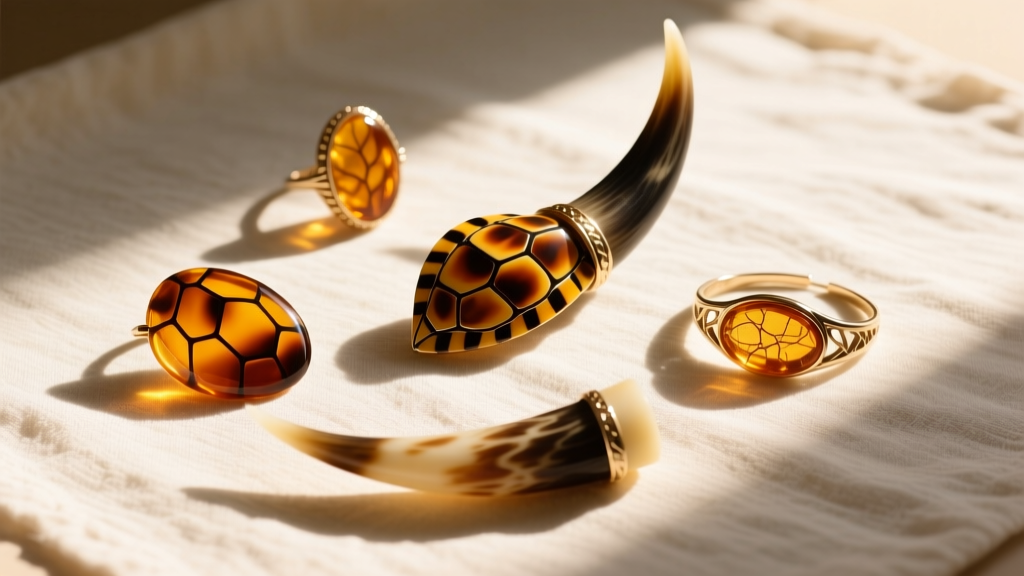
The Allure and the Law: Navigating Turtle Shell Jewelry
For centuries, the mottled amber, brown, and black patterns of turtle shell jewelry—historically known as tortoiseshell—have been prized for their organic warmth and translucent depth. However, as we navigate the jewelry market in 2026, gifting this material requires a profound understanding of international conservation laws, ethical sourcing, and gemological alternatives. If you are searching for the perfect organic gift for an eco-conscious friend, a vintage collector, or a lover of coastal aesthetics, this guide will help you make an informed, legal, and beautiful choice.
The term "tortoiseshell" in jewelry almost exclusively refers to the scutes of the Hawksbill sea turtle (Eretmochelys imbricata). Due to severe overharvesting, the Hawksbill is critically endangered. Under the Convention on International Trade in Endangered Species (CITES), the international commercial trade of new Hawksbill turtle shell is strictly banned. Therefore, any modern jewelry marketed as "new sea turtle shell" is either illegal, counterfeit, or misidentified. As expert jewelers and ethical consumers, we must pivot toward spectacular organic alternatives and strictly regulated antique markets to achieve this coveted look.
Top Ethical Alternatives for the Tortoiseshell Aesthetic
To capture the rich, marbled translucency of turtle shell without harming endangered marine life, gemologists and artisans utilize several remarkable organic materials. Each offers unique properties, price points, and gifting narratives.
1. Baltic Amber and Dominican Copal
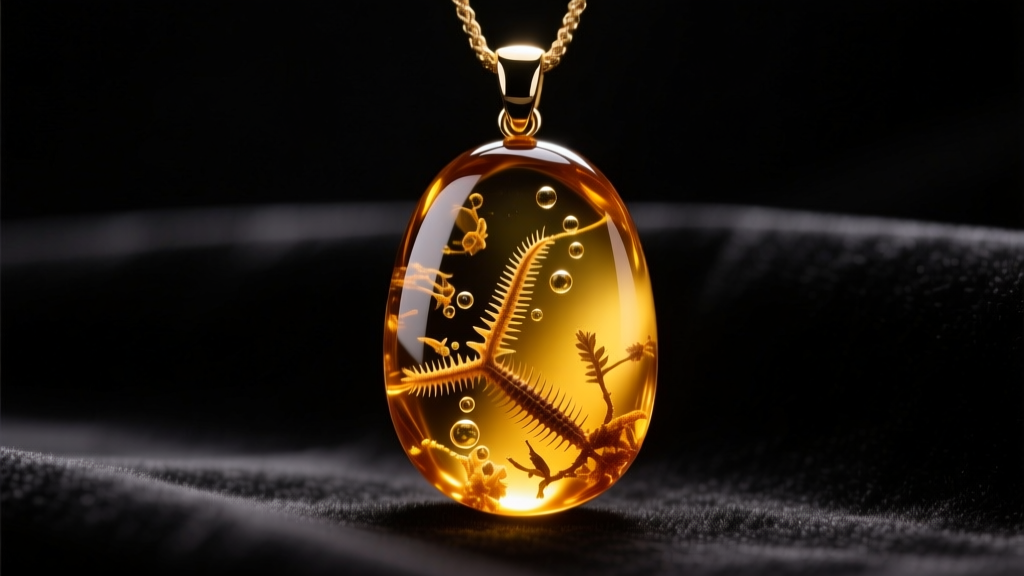
Baltic Amber (Succinite) is the premier ethical substitute for the golden-orange hues of turtle shell. Formed from fossilized pine resin over 40 million years, amber possesses a refractive index of approximately 1.54 and a specific gravity of 1.05 to 1.09, making it incredibly lightweight and warm to the touch. For the darker, more heavily mottled browns, artisans often heat-treat amber to create "sun spangles" that mimic the natural striations of a turtle scute.
Copal, essentially "young amber" that has not fully fossilized, is another fantastic option. Sourced primarily from Colombia and Madagascar, copal offers a similar visual profile at a fraction of the cost. However, copal is softer (Mohs 1.5) and will melt at lower temperatures, requiring careful wear.
2. Water Buffalo Horn and Tagua Nut
For the opaque, dark brown, and black segments of traditional turtle shell inlay, ethically sourced water buffalo horn is the industry standard. Carved and polished, horn provides a deep, lustrous finish that is entirely a byproduct of the agricultural food industry. Tagua nut, often called "vegetable ivory," can also be dyed using natural botanical baths to replicate the mottled tortoiseshell pattern, offering a brilliant vegan alternative for carved cameos and beads.
Occasion Matching Matrix: Who Gets What?
Matching the right organic material to the recipient's lifestyle and the specific occasion is crucial for a meaningful gift. Use this 2026 matrix to select the perfect piece of turtle shell-style jewelry.
| Occasion / Recipient | Recommended Material | Estimated Price Range | Why It Works |
|---|---|---|---|
| 5th Anniversary (Wood) | Baltic Amber Pendant | $150 - $600 | Amber is fossilized wood resin, perfectly aligning with the traditional 5th-anniversary theme while offering a luxurious, lightweight wear. |
| Beach Wedding Bridal Party | Dyed Tagua Nut Earrings | $40 - $90 | Vegan, lightweight, and captures the coastal, oceanic vibe without the ethical baggage or heavy price tag of marine organics. |
| Eco-Conscious Collector | Carved Buffalo Horn Cuff | $120 - $350 | Utilizes an agricultural byproduct, supporting sustainable artisan cooperatives while delivering high-contrast, dramatic aesthetics. |
| Vintage / Antique Lover | Pre-1947 Tortoiseshell Brooch | $400 - $2,500+ | Offers genuine historical provenance and legal ownership (under specific antique exemptions), satisfying the serious collector's desire for authenticity. |
Navigating the Vintage and Antique Market
If your heart is set on genuine, historical turtle shell jewelry, you must navigate the antique market with extreme diligence. Under CITES regulations and various national laws (such as the US Endangered Species Act), items made from Hawksbill turtle can generally only be sold if they qualify as "pre-Act" or "antique" specimens, typically defined as being crafted before 1947 and significantly unaltered since.
When hunting for antique tortoiseshell, look for pique work—a Victorian technique where tiny pins or sheets of gold and silver are inlaid directly into the heated turtle shell. Because genuine tortoiseshell is a thermoplastic, it fuses around the metal without the need for adhesives. If you see glue seeping from the metal inlay, you are likely looking at celluloid or a modern plastic counterfeit. Always request provenance documentation or a CITES pre-Convention certificate when purchasing high-value antique pieces across borders.
Gemological Testing: Spotting the Fakes
The market is flooded with celluloid, Bakelite, and modern bio-resins masquerading as both turtle shell and its amber alternatives. According to the Gemological Institute of America (GIA), non-destructive testing is essential for verifying organic gems.
- The Saltwater Float Test: To distinguish Baltic amber from plastic, mix 1 part table salt to 4 parts warm water. Genuine amber (specific gravity ~1.08) will float in this saturated solution, while most plastics and glass will sink. Note: Copal may also float, but heavy resins will sink.
- The UV Fluorescence Test: Under a standard 365nm UV flashlight, genuine Baltic amber will fluoresce a pale blue or greenish-yellow. Plastics and dyed horn will remain inert or show a milky white reflection.
- The Friction Test: Rubbing genuine amber vigorously against a soft cloth will generate a static charge, allowing it to pick up small pieces of tissue paper. It will also emit a faint, pleasant piney scent, whereas plastic will smell acrid or like nothing at all.
Care Protocols for Organic "Shell" Materials
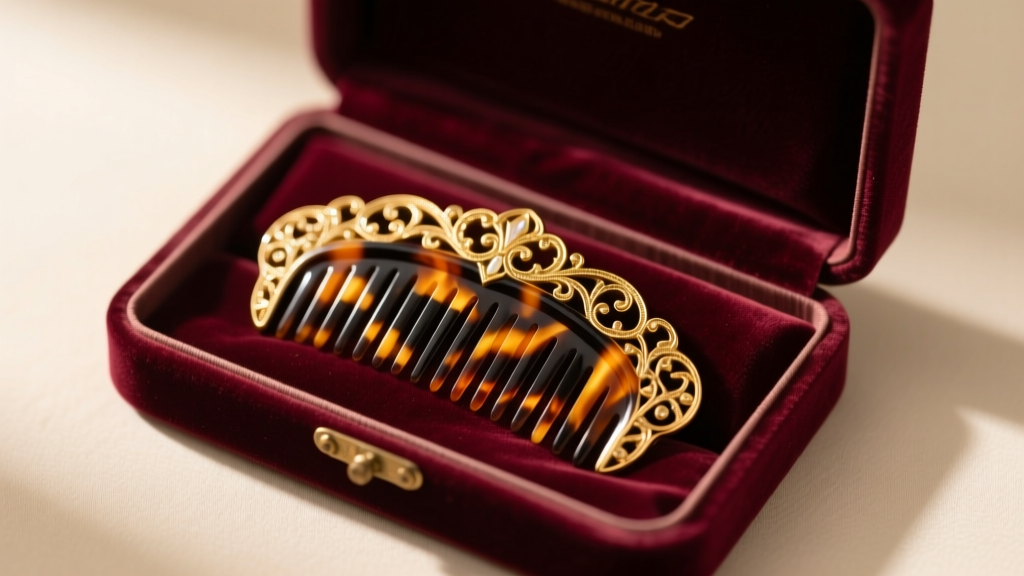
Whether you are gifting a modern amber pendant, a horn cuff, or a certified antique tortoiseshell comb, organic gems require specialized care. They are highly susceptible to environmental damage compared to crystalline gemstones like quartz or sapphire.
- Avoid Heat and Ultrasonics: Never clean amber, copal, or vintage turtle shell in an ultrasonic cleaner or with steam. Heat will cause copal to melt and antique shell to warp or crack. Copal becomes tacky at just 150°C (300°F).
- Chemical Sensitivities: Perfumes, hairsprays, and alcohol-based lotions will permanently cloud the polish of amber and degrade the structural integrity of horn. Always advise the recipient to put their jewelry on after applying cosmetics.
- Hydration and Storage: Horn and antique shell can dry out and delaminate in low-humidity environments. Recommend storing these pieces in a breathable cotton pouch (never airtight plastic, which traps moisture and encourages mold) and occasionally wiping them with a microfiber cloth lightly dampened with pure, food-grade mineral oil to maintain their luster.
Gifting turtle shell jewelry in 2026 is an exercise in mindfulness, gemological knowledge, and historical appreciation. By choosing ethical alternatives like Baltic amber or carefully vetted antique pique pieces, you provide a stunning, oceanic aesthetic that honors both the beauty of nature and the imperative to protect it.