The Ultimate Guide to Cleaning Turquoise Stone Jewelry
Discover expert methods to clean, protect, and store your turquoise stone jewelry. Avoid common mistakes and keep your gems vibrant for decades.

Understanding the Mineralogy and Vulnerability of Turquoise
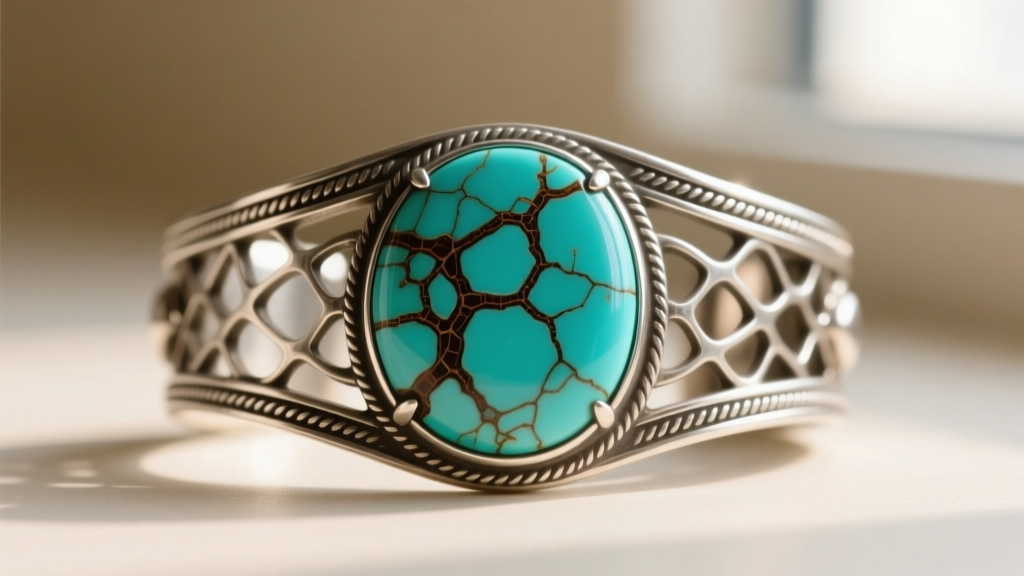
Turquoise stone jewelry is celebrated worldwide for its striking sky-blue to deep green hues and intricate host-rock matrix webbing. However, beneath its vibrant exterior lies a highly sensitive hydrous phosphate of copper and aluminum. Ranking between 5 and 6 on the Mohs hardness scale, turquoise is significantly softer than diamonds, sapphires, or even quartz. More importantly, it is inherently porous. According to the Gemological Institute of America (GIA), this porosity means the stone acts like a microscopic sponge, readily absorbing oils, lotions, chemicals, and moisture from its environment.
Before you begin any cleaning regimen, you must identify whether your turquoise stone jewelry features natural, stabilized, or treated stones. Natural, untreated turquoise (often sourced from historic mines like Sleeping Beauty or Lander Blue) is highly susceptible to color shifting. Over time, exposure to human sebum and cosmetics can cause the bright blue copper-rich stones to oxidize and shift toward a muddy green. Stabilized turquoise, which has been infused with a clear epoxy or polymer resin (such as the Zachery method), is far more resilient to oils and chemicals, but remains vulnerable to thermal shock and harsh solvents that can degrade the resin over time.
The Step-by-Step Cleaning Protocol
When your turquoise stone jewelry accumulates daily grime, dust, or cosmetic residue, you must clean it using a gentle, non-invasive approach. Never use commercial jewelry dips, ultrasonic cleaners, or steamers. Follow this exact protocol to safely restore your piece's luster.
1. Prepare a Mild Cleaning Solution
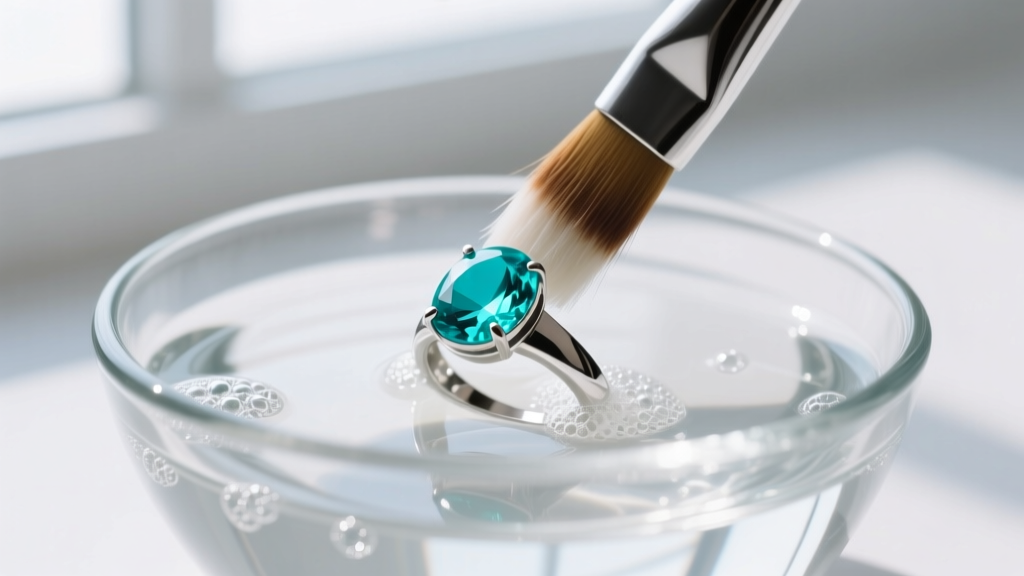
Fill a small glass bowl with lukewarm water. The temperature is critical: water that is too hot can cause thermal shock, leading to micro-fractures in the stone or weakening the adhesive used in inlaid or bezel-set jewelry. Add two drops of a pH-neutral, phosphate-free dish soap (such as original blue Dawn). Avoid soaps with added moisturizers, citrus extracts, or exfoliating beads.
2. The Wipe-Down Technique
Do not submerge your turquoise stone jewelry for prolonged periods, especially if it is set in sterling silver with sawtooth bezels or features glue-backed inlays. Instead, dip a soft, lint-free microfiber cloth or a cotton swab into the soapy solution, wring it out until it is merely damp, and gently wipe the surface of the turquoise.
3. Addressing the Matrix and Crevices
If dirt is trapped within the natural pits of the matrix or around the silver bezel, use a clean, ultra-soft baby toothbrush. Dip the bristles in the soapy solution, shake off the excess water, and lightly flick the bristles over the crevices. Never scrub aggressively; the matrix (often composed of sandstone or limonite) can be softer than the turquoise itself and may scratch or dislodge.
4. Thorough Drying
Immediately pat the jewelry dry with a clean, absorbent microfiber towel. Follow this by leaving the piece in a well-ventilated, room-temperature area for at least two hours to ensure all trapped moisture evaporates. Trapped moisture between the silver backing and the stone can cause the silver to oxidize rapidly or lead to the deterioration of setting adhesives.
Chemical and Environmental Hazards
To protect your investment, you must understand which common household and cosmetic products pose a severe threat to turquoise stone jewelry. The Mindat mineral database highlights that turquoise is sensitive to acids and prolonged heat exposure. Below is a breakdown of hazards to avoid.
| Hazard / Chemical | Effect on Turquoise Stone | Effect on Silver Setting |
|---|---|---|
| Ultrasonic Cleaners | Cavitation causes micro-fractures and can shatter treated stones. | Can loosen prongs and bezel walls. |
| Silver Dip (Thiourea) | Strips natural oils, causes severe surface etching and discoloration. | Removes tarnish but leaves chemical residue that accelerates future oxidation. |
| Perfume & Hairspray | Alcohol and aerosols clog pores, leading to permanent yellowing. | Alcohol can degrade protective rhodium plating on silver. |
| Chlorine (Pools/Spas) | Causes irreversible bleaching and structural weakening of the stone. | Causes rapid, severe pitting and blackening of sterling silver. |
| Steam Cleaners | Thermal shock leads to cracking; heat melts stabilization resins. | Can melt solder joints on delicate silver filigree. |
Managing the Sterling Silver Setting
The vast majority of high-quality turquoise stone jewelry is set in 925 sterling silver. While the turquoise requires a gentle touch, the silver will inevitably tarnish due to sulfur compounds in the air. The challenge lies in polishing the metal without contaminating the stone.
Never use liquid silver polishes or pastes, as these contain mild abrasives and chemicals that will permanently stain the porous turquoise matrix. Instead, use a treated jewelry polishing cloth (such as a Sunshine Cloth). Fold the cloth to create a taut edge, and carefully run it along the silver bezel and shank. When working near the stone, use a wooden toothpick or a dry cotton swab to gently push the polishing cloth into tight corners without allowing the tarnish-removing chemicals to transfer onto the turquoise.
Storage and Wearing Best Practices
Proper storage is just as critical as proper cleaning. Turquoise is sensitive to extreme environmental shifts. Storing it in an overly dry environment (like a safety deposit box with desiccants) can cause the stone to dehydrate and crack. Conversely, storing it in a humid, airtight plastic bag traps moisture and guarantees severe silver tarnishing.
"The golden rule for turquoise stone jewelry is 'last on, first off.' Put your jewelry on only after your makeup, perfume, and lotions have fully absorbed into your skin, and remove it immediately upon returning home to prevent prolonged exposure to daily environmental pollutants."
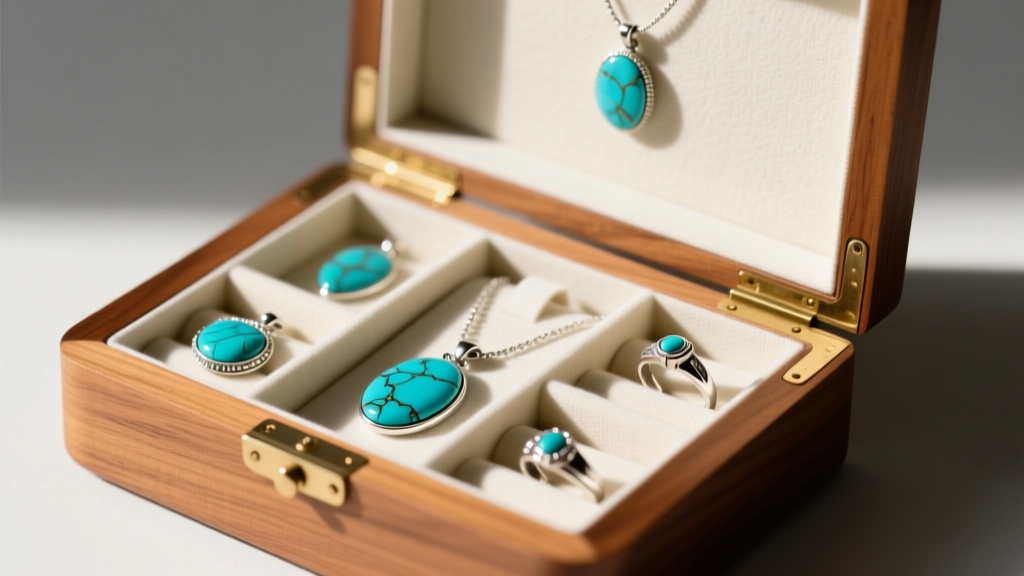
Store your pieces in a breathable, acid-free jewelry pouch or a wooden box lined with anti-tarnish Pacific cloth. Include a 3M anti-tarnish strip in the storage compartment to absorb airborne sulfur, but ensure the strip does not physically touch the turquoise stone. Furthermore, store pieces individually; because turquoise is a 5 on the Mohs scale, it can be easily scratched by harder gemstones like diamonds, sapphires, or even quartz dust.
Professional Restoration: When to Call a Lapidary
If your natural turquoise stone jewelry has suffered severe color shifting, deep cosmetic staining, or surface scratching, do not attempt to sand or re-polish it at home. Turquoise is often cut into dome-shaped cabochons, and aggressive DIY polishing will alter the stone's geometry, ruin the fit within its bezel, and remove valuable carat weight.
Consult a certified lapidary or the original silversmith. A professional can safely remove the stone from its setting, perform a controlled re-polish using specialized cerium oxide or diamond pastes on a flat lap, and reseat the stone. In cases where untreated stones have become overly porous or fragile, a professional may recommend a modern stabilization treatment to halt further degradation and secure the stone's structural integrity for future generations. According to the Federal Trade Commission Jewelry Guides, any such treatments must be properly disclosed upon resale, making professional documentation of your restoration efforts highly recommended.