Pink Turquoise Jewelry: 2026 Value, Pricing & Authenticity
Discover the truth behind pink turquoise jewelry. Our 2026 value guide breaks down pricing, dyed howlite vs. natural stones, and buying tips.

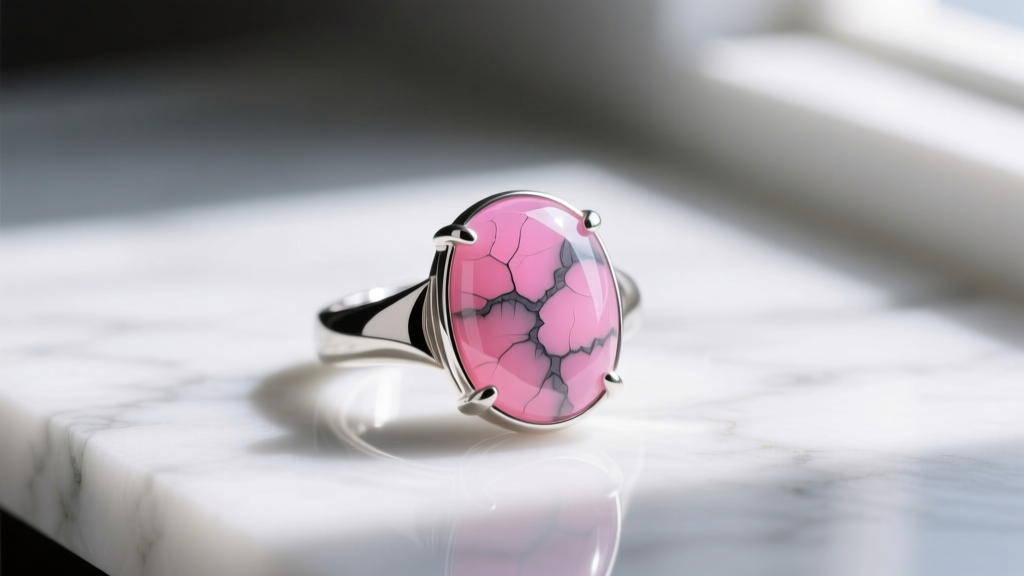
When browsing the contemporary gemstone market for pink turquoise jewelry, shoppers are frequently captivated by vibrant, rosy hues intertwined with striking, web-like matrix patterns. However, from a gemological and financial perspective, assessing the true value of these pieces requires a deep understanding of what you are actually buying. In 2026, the jewelry market remains saturated with mislabeled stones, and 'pink turquoise' is one of the most pervasive trade misnomers in the industry. This comprehensive budget and value assessment breaks down the authenticity, pricing structures, and long-term wearability of these popular accessories, ensuring you never overpay for a misrepresented gemstone.
The Gemological Reality: What Are You Actually Buying?
To accurately assess value, we must first address a fundamental gemological fact: natural turquoise does not occur in pink. Authentic turquoise is a hydrous phosphate of copper and aluminum. The copper content is responsible for the iconic blue hues, while iron and zinc impurities create green and yellowish-green variations. The chemical composition simply does not allow for a natural pink coloration.
So, what is universally sold as pink turquoise jewelry? According to the Gemological Institute of America (GIA), the vast majority of these stones are actually dyed howlite or dyed magnesite. Howlite is a naturally white or grey borate mineral with distinct grey or black veining. Because it is highly porous, it readily accepts chemical dyes. Manufacturers dye the white howlite pink and leave the natural grey veining intact to simulate the 'matrix' (the host rock webbing) found in natural turquoise.
Gemologist's Note: While some high-end retailers are beginning to use accurate trade names like 'pink howlite' or 'magenta magnesite,' the term 'pink turquoise' is still heavily utilized in mass-market and artisan silver jewelry to evoke the prestige and pricing power of genuine turquoise.
2026 Market Pricing: The Value Assessment Matrix
Understanding the base material is critical for budget assessment. You should never pay natural turquoise prices for dyed howlite. Below is a breakdown of the 2026 pricing tiers for pink turquoise jewelry, categorized by material quality and metal pairings.
| Material & Matrix | Typical Metal Pairing | 2026 Fair Market Price Range | Mohs Hardness |
|---|---|---|---|
| Dyed Howlite (Opaque, grey matrix) | Gold-plated brass / Alloy | $15 - $45 | 3.5 |
| Dyed Magnesite (Brighter pink, less matrix) | 925 Sterling Silver | $40 - $95 | |
| Dyed Howlite (Artisan cut, heavy silver bezel) | Heavy 925 Sterling Silver | $80 - $150 | |
| Natural Peruvian Pink Opal (True pink stone) | 14k Gold or Heavy Silver | $180 - $450+ |
If a vendor is asking upwards of $200 for a standard 'pink turquoise' pendant set in sterling silver, they are either misinformed about their own inventory or intentionally marking up a $5 piece of dyed howlite by 4,000%. Always request a gemological disclosure before purchasing high-ticket items.
Durability, Care, and Common Failure Modes
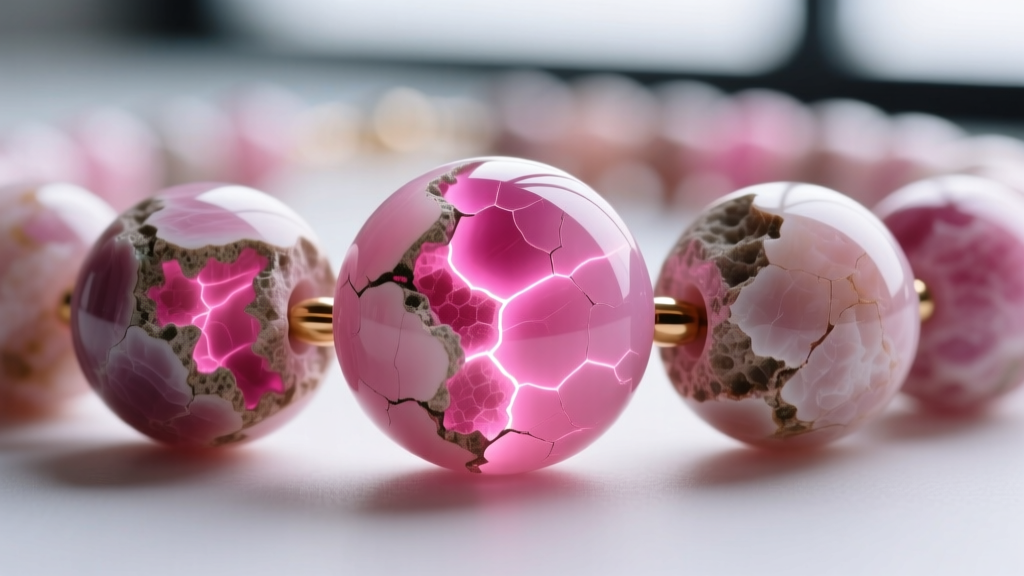
When assessing the long-term value of any jewelry piece, durability is just as important as the initial purchase price. Genuine turquoise ranks between 5 and 6 on the Mohs scale of mineral hardness. Howlite, on the other hand, ranks at a mere 3.5. This significant drop in hardness introduces several specific failure modes that buyers must consider.
Failure Mode 1: Dye Bleeding and Chemical Erosion
Because howlite is porous, the dye used to create the pink color is not always permanently fixed. Exposure to acidic environments, heavy perspiration, or alcohol-based perfumes can cause the pink dye to break down. A common complaint with lower-tier pink turquoise jewelry is the dye transferring onto the wearer's skin or clothing, leaving stubborn pink stains. Furthermore, the acid in human sweat can slowly erode the polished surface of the howlite, causing it to lose its luster and become chalky over time.
Failure Mode 2: Micro-Scratching and Abrasion
At 3.5 on the Mohs scale, howlite is softer than a copper penny. If your pink turquoise jewelry is set in a ring or a bracelet—pieces prone to impact and friction—the stone will accumulate micro-scratches rapidly. Over a few years of daily wear, the high polish will degrade into a dull, matte finish. For this reason, dyed howlite offers better long-term value when set in pendants or earrings, where physical abrasion is minimized.
The Acetone Test: Verifying Your Stone
If you suspect you have overpaid for a dyed stone, you can perform a simple at-home test. Dip a cotton swab in nail polish remover (acetone) and rub it gently on an inconspicuous area of the stone or the matrix veining. If the cotton swab turns pink, the stone is dyed. (Note: This will not damage genuine turquoise, but it may strip the wax coating often applied to natural stones, so test carefully).
High-Value Natural Alternatives for the Pink Stone Lover
If the revelation that pink turquoise is a misnomer has diminished the perceived value of your target purchase, there are several authentic, natural pink gemstones that offer superior gemological integrity and long-term investment value.
Peruvian Pink Opal
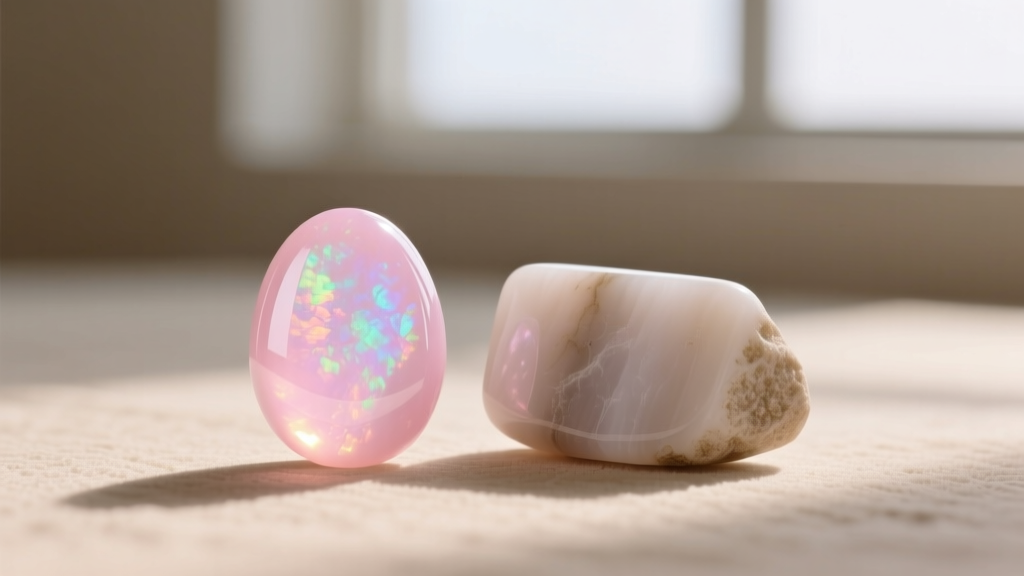
Mined in the Andes mountains, Peruvian Pink Opal is a stunning, naturally occurring gemstone that ranges from pale blush to deep magenta. Unlike howlite, it lacks the dark matrix veining, offering a smooth, translucent, and glowing appearance. With a Mohs hardness of 5.5 to 6.5, it is significantly more durable than howlite. Expect to pay between $20 and $60 per carat for high-quality cabochons, making it a premium but justifiable upgrade for fine jewelry settings.
Rhodochrosite
For those who love the banded, matrix-like patterns found in turquoise, Rhodochrosite is an excellent alternative. This manganese carbonate mineral features breathtaking bands of pink, rose, and white. While it is also relatively soft (Mohs 3.5-4), its natural coloration means there is no risk of dye bleeding. High-grade, banded Rhodochrosite cabochons typically range from $50 to $150 depending on the contrast and saturation of the bands.
Peach Moonstone
If you prefer a softer, more ethereal pink hue, Peach Moonstone offers a natural, un-dyed alternative with the added benefit of adularescence (a glowing internal sheen). It ranks slightly higher on the Mohs scale (6 to 6.5), making it much better suited for rings and bracelets than dyed howlite.
Final Verdict: Budgeting for Pink Stones
The value of pink turquoise jewelry lies entirely in its aesthetic appeal as a fashion accessory, not in its rarity or gemological prestige. When budgeting for these pieces in 2026, treat them as you would any other fashion jewelry. A fair price for a well-crafted, sterling silver and dyed howlite pendant is between $40 and $80. Anything exceeding $150 should be reserved for pieces featuring genuine natural pink gemstones like Peruvian Pink Opal or high-grade Rhodochrosite. By understanding the material realities and pricing tiers, you can confidently curate a beautiful, rosy-hued collection without falling victim to inflated trade misnomers.