Golden Jade Jewelry Inc: 2026 Buyer's Guide & Review
Discover our expert 2026 buying guide for Golden Jade Jewelry Inc. Learn how to authenticate Type A jadeite, assess pricing, and spot treatments.

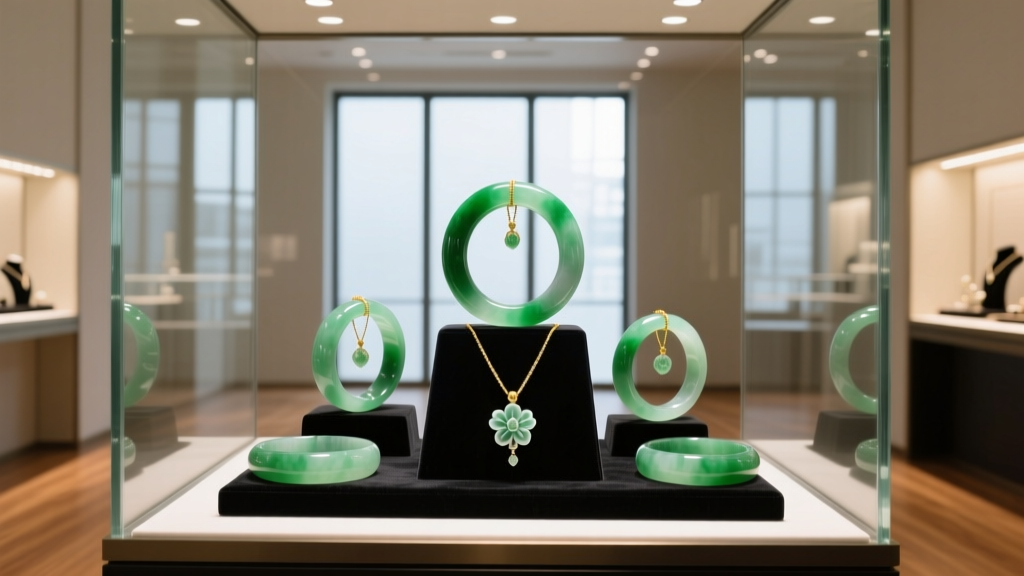
The Legacy and Market Position of Golden Jade Jewelry Inc
Navigating the high-stakes world of fine jade requires a discerning eye, a solid understanding of gemology, and a trusted vendor. As we move through 2026, the global market for premium jadeite has seen significant shifts, largely driven by stringent export restrictions in Myanmar and a surging demand for heirloom-quality pieces in Western markets. Within this landscape, Golden Jade Jewelry Inc has positioned itself as a notable destination for collectors and first-time buyers alike. However, buying jade is fundamentally different from purchasing diamonds or colored gemstones like rubies and sapphires. There is no universally standardized grading system like the 4Cs. Instead, value is dictated by a complex interplay of translucency, texture, color distribution, and, most importantly, treatment history. This comprehensive buying guide will equip you with the exact gemological frameworks needed to evaluate inventory at Golden Jade Jewelry Inc, ensuring your investment is both authentic and fairly priced.
Jadeite vs. Nephrite: Decoding the Inventory
Before evaluating specific pieces at Golden Jade Jewelry Inc, it is critical to understand that the term "jade" is an umbrella term for two distinct metamorphic minerals: jadeite and nephrite. While both are tough, interlocking crystalline aggregates, their gemological profiles and market values differ drastically.
The Gemological Divide
Jadeite (sodium aluminum silicate) is the rarer and generally more valuable of the two. It boasts a higher refractive index (1.66) and specific gravity (3.30-3.38), giving it a sharper luster and a heavier, denser feel in the hand. The most prized jadeite comes from the Hpakan region of Myanmar and is capable of achieving the legendary "Imperial Green" hue and high translucency. Nephrite (calcium magnesium iron silicate), on the other hand, is slightly softer (Mohs 6-6.5 compared to jadeite's 6.5-7) with a lower specific gravity (2.90-3.03). Nephrite is revered in Chinese antiquity, particularly the creamy white "mutton fat" Hetian jade, but it lacks the glassy, vibrant translucency of fine jadeite. When browsing Golden Jade Jewelry Inc, you will predominantly encounter jadeite in the form of bangles, cabochons, and intricate carvings, as it is the standard for modern high-end jewelry.
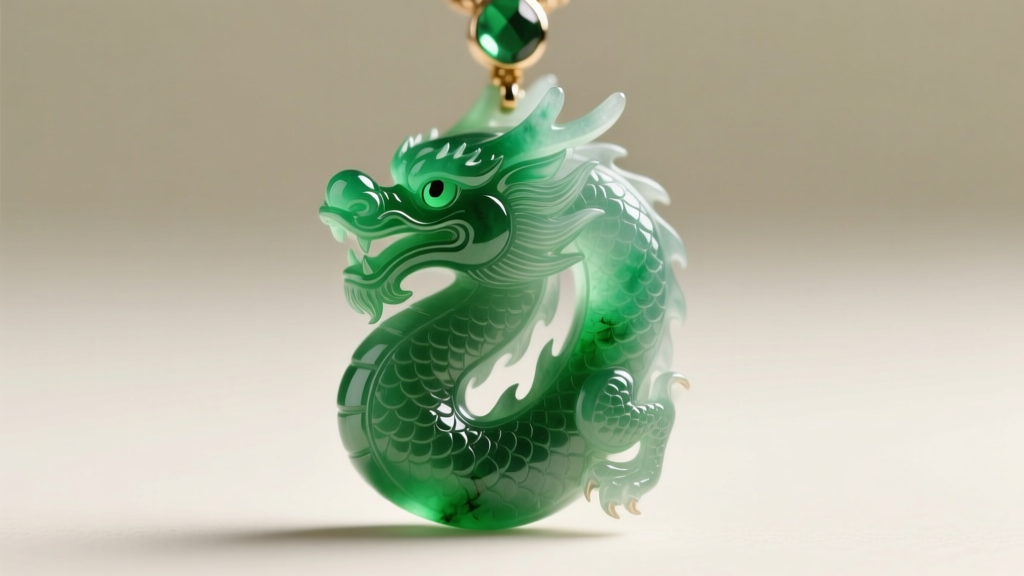
The Crucial ABCs of Jade Treatment
The single most important factor when purchasing from any jade retailer, including Golden Jade Jewelry Inc, is verifying the treatment status of the stone. The market categorizes jadeite into three distinct tiers based on artificial enhancement. According to the Gemological Institute of America (GIA), understanding these treatments is non-negotiable for buyers.
| Treatment Grade | Process Description | Market Value & Durability |
|---|---|---|
| Type A | Completely natural. Only traditional cutting, polishing, and plum-wax surface coating are applied. | Highest value. Investment grade. Structurally stable and durable for daily wear. |
| Type B | Bleached with strong acids to remove brown/yellow impurities, then injected with polymer resin to fill voids. | Low value. The resin yellows and degrades over time, making the stone brittle and prone to cracking. |
| Type C | Dyed with artificial green or lavender pigments. Often combined with Type B treatment (B+C). | Negligible value. Color fades rapidly under UV light and heat. Considered a deceptive practice if undisclosed. |
When shopping at Golden Jade Jewelry Inc, your primary objective is to exclusively purchase Type A jadeite. Reputable vendors will readily provide laboratory certification proving the absence of polymer resins and synthetic dyes. If a piece looks exceptionally vibrant and translucent but is priced suspiciously low, it is almost certainly Type B or C.
Evaluating "Water Head" and Color Distribution
Unlike diamonds, where clarity is about the absence of inclusions, jadeite beauty is judged by its "water head" (shui tou) and texture. Water head refers to the stone's translucency and how deeply light penetrates the crystalline structure. A bangle with excellent water head will appear to glow from within, exhibiting a glassy or icy luster. Conversely, opaque jade with a dry, chalky texture lacks water head and commands a much lower price.
Color evaluation in jadeite is equally nuanced. The ideal color is a vivid, saturated, and evenly distributed emerald-green (Imperial Jade). However, buyers should also look for "apple green," "spinach green," and the increasingly popular "lavender" hues. A critical flaw to watch for is color banding or mottling, where green veins are trapped in a dull, white matrix. While this can create interesting landscape-like carvings, it drastically reduces the value of cabochons and bangles. Furthermore, inspect the stone for "stone lines" (natural healing fractures) versus actual structural cracks. A structural crack that catches your fingernail compromises the integrity of a bangle and should be avoided entirely.
2026 Pricing Tiers for Jadeite Bangles and Pendants
Pricing jade is notoriously difficult due to the lack of a standardized wholesale price list. However, based on current 2026 market data and auction results, we can establish realistic pricing tiers for Type A jadeite bangles, the most popular category at Golden Jade Jewelry Inc.
| Quality Tier | Visual Characteristics | Estimated Price Range (USD) |
|---|---|---|
| Commercial | Opaque, dry texture, mottled or pale green color, visible stone lines. | $100 – $800 |
| Fine | Semi-translucent (glutinous rice texture), even but moderate color saturation, minor inclusions. | $1,500 – $15,000 |
| Premium | High translucency (icy), vibrant and well-distributed color, flawless structure. | $20,000 – $100,000+ |
| Imperial / Collector | Glassy transparency, piercing emerald-green hue, perfect symmetry, zero structural flaws. | $250,000 – $2,000,000+ |
As noted by experts at Mason-Kay Fine Jade Jewelry, the exponential jump in price between the "Fine" and "Premium" tiers is driven by the extreme rarity of combining high translucency with deep color saturation. Always align your budget with realistic expectations; a $500 bangle will not possess glassy translucency.
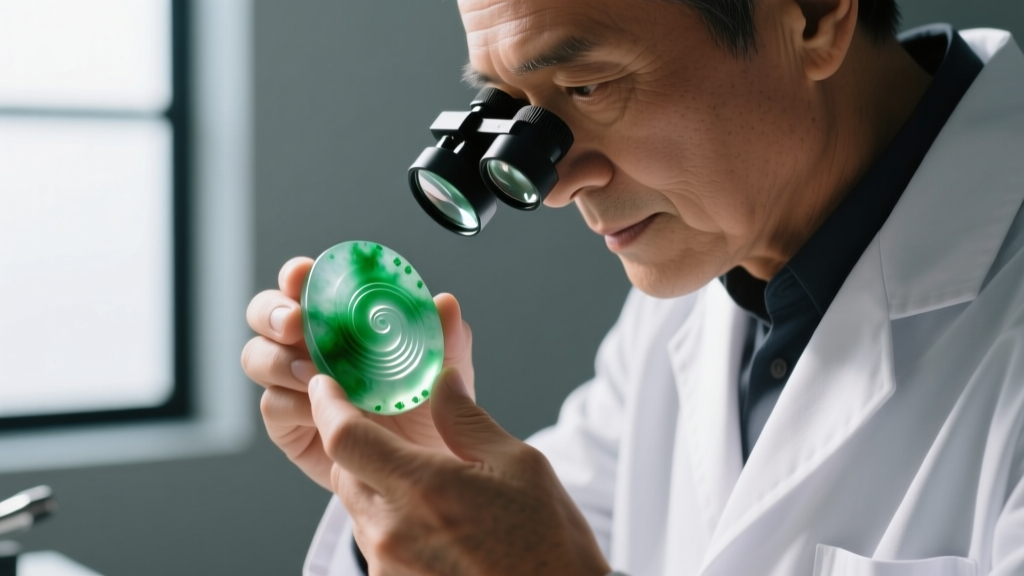
Authentication: Demanding the Right Certifications
Visual inspection and the "ping" test (listening for a high-pitched chime when tapping a bangle) are insufficient for detecting modern Type B polymer treatments. Acid bleaching and resin injection can perfectly mimic the acoustic properties of natural jade. Therefore, third-party laboratory certification is your only reliable safeguard.
When finalizing a purchase at Golden Jade Jewelry Inc, insist on a certificate from a globally recognized gemological laboratory. The GIA (Gemological Institute of America) is the gold standard for international buyers, providing definitive spectroscope analysis to detect polymer absorption bands. In the Asian market, the NGTC (National Gemological Training Centre of China) is highly authoritative and strictly regulates the Type A/B/C nomenclature. Ensure the certificate includes a high-resolution photograph of the exact piece, the precise carat weight, and a clear statement reading "Natural Jadeite" or "No indications of impregnation." Be wary of in-house certificates or unrecognized local labs, as these are frequently used to mask treated stones.
Final Verdict and Buyer Checklist
Golden Jade Jewelry Inc offers a compelling inventory for those seeking authentic jadeite, but the burden of due diligence ultimately rests on the buyer. The romance of jade should never override gemological skepticism. By focusing strictly on Type A jadeite, prioritizing water head and structural integrity, and demanding rigorous third-party certification, you can confidently navigate their collection. Whether you are acquiring a delicate icy lavender pendant or a substantial glutinous rice bangle, applying these strict buying parameters will ensure your jade jewelry remains a beautiful, enduring, and financially sound investment for decades to come.


