Jade Jewelry Box Care: Cleaning, Storage & Maintenance
Learn expert cleaning and storage tips for your jade jewelry box. Discover how to protect Type A, B, and C jade from damage and dehydration.

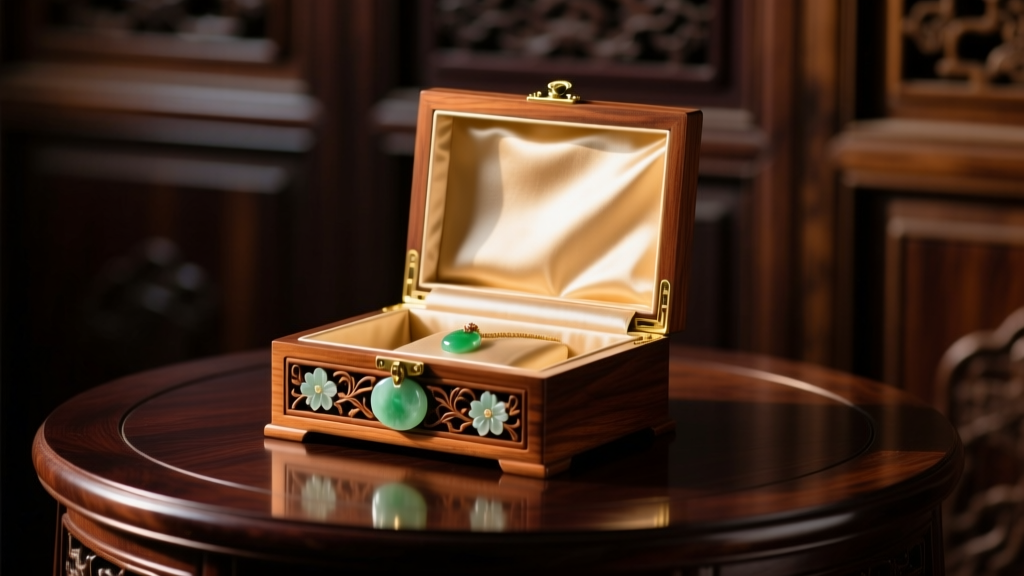
Jade has captivated humanity for millennia, prized for its rich translucency, cultural significance, and remarkable toughness. However, a pervasive myth in the gemological community is that jade is virtually indestructible. While it possesses high toughness (resistance to breaking), its hardness and chemical stability require meticulous care. As of 2026, modern conservation standards emphasize that how you store and clean your jade is just as critical as how you wear it. Selecting the right jade jewelry box and adhering to strict cleaning protocols will ensure your nephrite or jadeite heirlooms survive for generations.
The Gemological Reality: Nephrite, Jadeite, and Treatments
Before establishing a care routine, you must understand what is actually inside your jade jewelry box. 'Jade' is an umbrella term for two distinct minerals: Nephrite (a calcium magnesium iron silicate) and Jadeite (a sodium aluminum silicate). Nephrite is slightly softer (Mohs 6.0-6.5) but possesses a fibrous interlocking structure that makes it incredibly tough. Jadeite is harder (Mohs 6.5-7.0) and more brittle, prized for its vitreous luster and vivid colors.
Furthermore, the gem trade classifies jade into three treatment categories, which drastically alter their cleaning and storage vulnerabilities:
- Type A (Untreated): Only washed and waxed. Completely stable but porous enough to absorb environmental contaminants.
- Type B (Bleached & Polymer-Impregnated): Acid-washed to remove impurities, then filled with resin. Highly vulnerable to heat and solvents.
- Type C (Dyed): Chemically colored. Prone to fading under UV exposure and chemical cleaners.
According to the Gemological Institute of America (GIA), understanding these treatments is the first line of defense against accidental destruction during routine maintenance.
The Anatomy of a Proper Jade Jewelry Box
Many collectors mistakenly toss their jade pieces into a generic, multi-compartment jewelry organizer. This is a critical error. A dedicated jade jewelry box is not merely a luxury; it is a microclimate preservation system. Jade, particularly Type A jadeite, contains trace amounts of structural water. When exposed to excessively dry environments or direct heat, it can develop micro-fractures—a phenomenon known as 'crazing'.
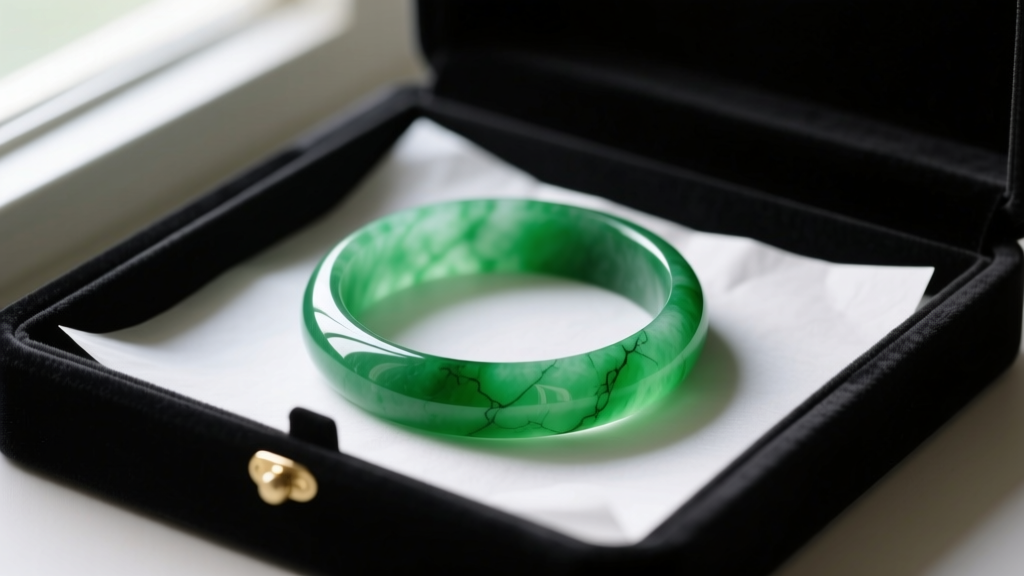
Crucial Storage Specifications
To build or select the ideal jade jewelry box, ensure it meets the following material and structural criteria:
- Acid-Free Linings: Standard synthetic velvets can off-gas volatile organic compounds (VOCs) over time. Line your box with untreated, unbleached cotton, natural silk, or archival-grade acid-free tissue paper.
- Individual Compartments: While jade is tough, it can be scratched by diamonds, sapphires, and topaz. Conversely, jade can easily scratch softer stones like opals or pearls. Every piece must have its own isolated, soft-walled compartment.
- Humidity Buffering: If you live in an arid climate or use central heating, place a small, sealed silica gel packet (calibrated to 45-50% relative humidity) or a specialized humectant pouch in the corner of the box to prevent the jade from dehydrating.
- Opaque and UV-Blocking: For Type C (dyed) jade, prolonged exposure to sunlight or harsh vanity lights will cause the dye molecules to break down and fade. A solid wood or opaque lacquered box is vastly superior to glass-topped displays.
Step-by-Step Cleaning Protocol for Jade
Forget the harsh chemicals, ultrasonic baths, and steam cleaners. The GIA's official care guidelines strictly warn against ultrasonic cleaners, as the high-frequency vibrations can shatter the polymer resin matrix in Type B jade and exacerbate existing internal fissures in Type A jade.
The Safe Cleaning Method
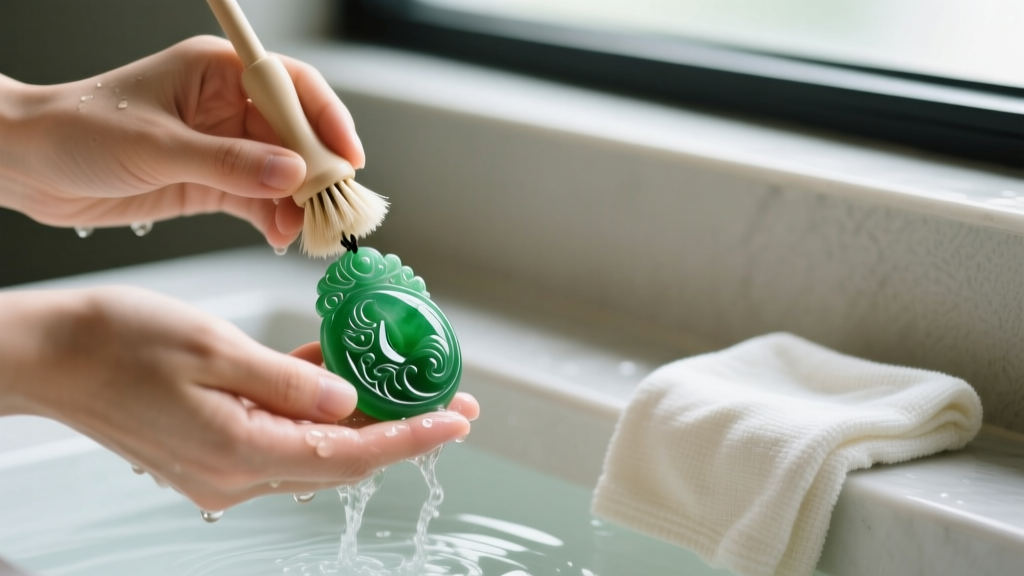
- Prepare the Solution: Mix one drop of pH-neutral, fragrance-free dish soap (like Dawn Free & Clear) into 8 ounces of lukewarm distilled water. Avoid tap water, as chlorine and fluoride can leave microscopic mineral deposits on the stone's surface.
- Soak Briefly: Submerge the jade jewelry for no more than 3 to 5 minutes. Prolonged soaking can weaken the silk threads often used in jade bead necklaces.
- Agitate Gently: Use a brand-new, ultra-soft baby-hair brush or a dedicated makeup blending brush to gently sweep away sebum and dead skin cells from the crevices of carved jade.
- Rinse and Dry: Rinse under a gentle stream of lukewarm distilled water. Immediately pat dry with a lint-free microfiber cloth. Allow it to air-dry completely on a towel for 15 minutes before returning it to your jade jewelry box.
Jade Vulnerability Matrix: What to Avoid
To summarize the environmental and chemical threats to your collection, refer to this vulnerability matrix when deciding how to handle your pieces:
| Threat Factor | Type A (Untreated) | Type B (Polymer) | Type C (Dyed) |
|---|---|---|---|
| Ultrasonic Cleaners | Risky (can widen fissures) | SEVERE (destroys resin) | SEVERE (strips dye) |
| Steam Cleaning | Avoid (thermal shock) | SEVERE (melts polymer) | Avoid (fades color) |
| Household Bleach | SEVERE (pits surface) | SEVERE (dissolves filler) | SEVERE (ruins dye) |
| Direct Sunlight | Safe | Safe | SEVERE (UV fading) |
| Perfume / Hairspray | Moderate (dulls luster) | Moderate (clouds resin) | High (chemical reaction) |
Debunking the 'Oiling' Myth
One of the most damaging pieces of advice passed down through generations is the practice of rubbing baby oil or mineral oil onto jade to 'restore its moisture.' This is a dangerous fallacy. Jade does not 'drink' oil. What actually happens is the oil coats the surface, attracting microscopic dust and grit that act like sandpaper against the polish. Furthermore, if your jade is Type B, petroleum-based oils can slowly degrade the optically clear polymer resins used in the 1990s and early 2000s, causing the stone to turn cloudy and yellow.
The true 'moisturizer' for Type A jade is the natural sebum from human skin. Wearing your jade regularly is the best way to maintain its soft, waxy luster. If a piece has been sitting in a jade jewelry box for years and looks dull, it does not need oil; it needs a professional re-polishing with a fine diamond-grit compound or a traditional carnauba wax buffing by a certified lapidary.
Traveling with Jade: Portable Box Considerations
When taking your jade on the road, your primary jade jewelry box may be too bulky. For travel, utilize a hard-shell, crush-proof EVA foam case lined with silk. Never pack jade in checked luggage, where extreme cargo-hold temperature fluctuations and pressure changes can cause thermal shock. Always keep your jade in your carry-on, nestled in a soft pouch to absorb kinetic impacts. By respecting the unique mineralogy of jade and curating the perfect storage environment, your collection will retain its breathtaking vitality for decades to come.