Kingman Turquoise Jewelry Buying Guide 2026: What to Look For
Expert 2026 buying guide to Kingman turquoise jewelry. Learn to grade natural vs. stabilized stones, spot fakes, and evaluate distinct matrix patterns.

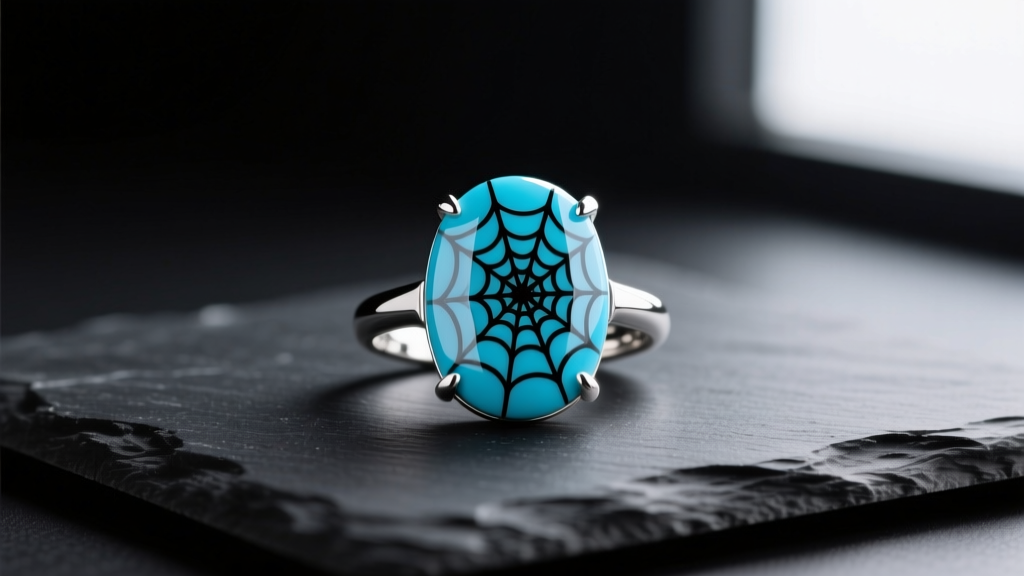
When it comes to iconic American gemstones, few command the respect and admiration of Kingman turquoise. Mined in the cerulean-rich hills of Arizona, this specific variety of turquoise has been a cornerstone of Native American jewelry and Southwestern fashion for over a century. However, as we navigate the gemstone market in 2026, the surge in demand for vintage and high-grade natural stones has led to a complex marketplace filled with stabilized, treated, and outright imitation stones. Whether you are hunting for a rare natural spiderweb cabochon or a durable stabilized piece for everyday wear, understanding the nuances of Kingman turquoise jewelry is essential. This comprehensive buying guide will equip you with the geological, gemological, and practical knowledge needed to make an informed investment.
The Legacy and Geology of the Kingman Mine
To truly appreciate Kingman turquoise jewelry, you must understand its origin. The Kingman mine, located in the Mineral Park Mining District of Mohave County, Arizona, is one of the oldest and highest-producing turquoise mines in North America. According to the Mindat.org locality database, the region's turquoise is primarily a byproduct of large-scale copper mining. The copper-rich environment is exactly what gives Kingman stones their signature brilliant, sky-blue to deep blue hues.
Geologically, turquoise is a hydrous phosphate of copper and aluminum, scoring between 5 and 6 on the Mohs hardness scale. Because it forms in arid climates where acidic, copper-rich solutions seep through aluminous rock, the resulting material is often highly porous. This inherent porosity is the single most important factor to consider when evaluating Kingman turquoise jewelry, as it directly dictates whether a stone can be set in its natural state or requires stabilization.
Natural vs. Stabilized: Decoding the Market
The most critical distinction in the Kingman turquoise market is the difference between natural, untreated stones and stabilized ones. Natural Kingman turquoise is exactly as it sounds: cut, shaped, and polished without any chemical alterations. High-grade natural Kingman is dense, hard, and takes a brilliant polish on its own. However, only a small percentage (historically estimated at less than 10%) of all turquoise mined is of high enough quality to be used in jewelry without treatment.
To utilize the softer, more porous "chalk" turquoise, the industry relies on stabilization. This is not inherently a bad thing; it is a necessary process to make lower-grade stones durable enough for jewelry. Stabilization involves placing the porous stone in a vacuum chamber and infusing it with a clear epoxy, polymer, or resin. Once hardened, the stone becomes durable, resistant to oils and chemicals, and capable of taking a high polish.
When buying Kingman turquoise jewelry in 2026, transparency is key. A reputable jeweler will explicitly state whether a stone is natural or stabilized. Natural stones command a massive premium, often ranging from $10 to $25+ per carat for high-grade material, while stabilized Kingman typically ranges from $2 to $6 per carat. If a seller offers a large, flawless, deep-blue Kingman cabochon for a suspiciously low price, it is almost certainly stabilized or, worse, dyed.
Decoding the Matrix: Spiderwebs and Pyrite
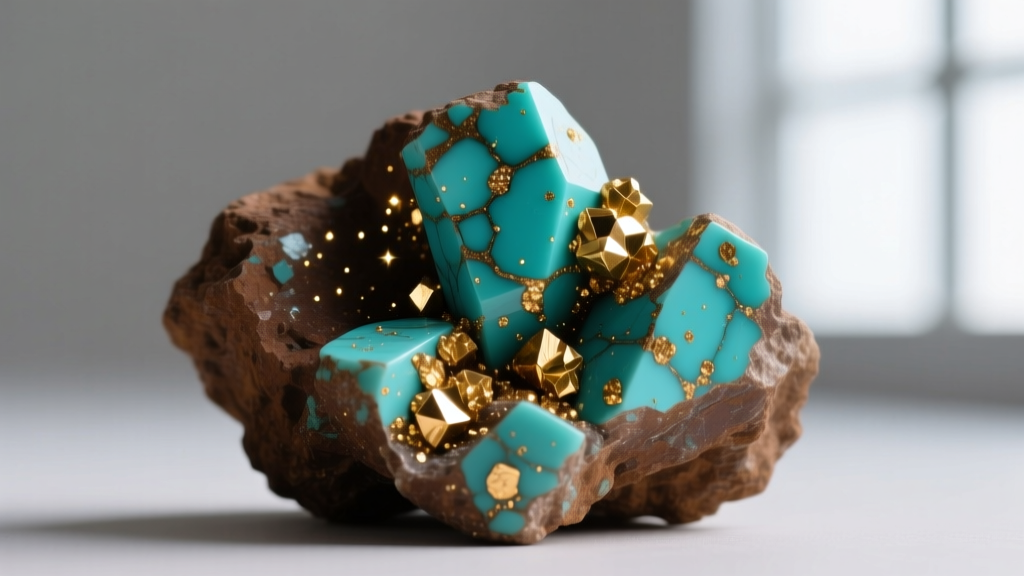
The "matrix" refers to the host rock that is visible within the turquoise. In Kingman turquoise jewelry, the matrix is a major aesthetic and value driver. Kingman is famous for its striking black or brown spiderweb matrix, which contrasts beautifully against the bright blue stone. Collectors often seek out specific matrix patterns, with tight, symmetrical spiderwebbing fetching the highest premiums.
Another highly sought-after characteristic in Kingman turquoise is the presence of pyrite inclusions. Pyrite, often referred to as "fool's gold," appears as tiny, glittering golden flecks embedded within the blue stone or the matrix. The presence of pyrite is a strong indicator of authenticity, as it is notoriously difficult for counterfeiters to replicate convincingly. When examining a piece, use a jeweler's loupe to look for these metallic flecks; their natural, random distribution is a hallmark of genuine Kingman material.
Grading Kingman Turquoise in 2026
While there is no universally standardized grading system for turquoise akin to the 4Cs of diamonds, the gemstone industry generally categorizes Kingman turquoise into the following tiers:
| Grade | Characteristics | Treatment | Estimated Price Range (Per Carat) |
|---|---|---|---|
| AAA (High Grade) | Intense, even blue; hard, dense; striking matrix or pyrite | Natural (Untreated) | $15 - $30+ |
| AA (Medium Grade) | Good blue color; some porosity; attractive matrix | Lightly Stabilized or Natural | $8 - $14 |
| A (Standard Grade) | Lighter blue or greenish; highly porous; chalky texture | Heavily Stabilized | $2 - $7 |
| B (Chalk) | White or pale blue; extremely soft and crumbly | Stabilized and often Color-Enhanced | Under $2 |
Spotting Fakes, Dyed Howlite, and Block Turquoise
As the value of genuine Kingman turquoise jewelry has climbed, so has the sophistication of imitations. According to the Gemological Institute of America (GIA), the most common turquoise simulants include dyed howlite, dyed magnesite, and reconstituted "block" turquoise. Howlite and magnesite are naturally white, porous minerals that easily absorb blue dye to mimic turquoise.
To spot dyed imitations, examine the stone closely under magnification. Dyed stones often show concentrated dye pooling in the cracks and crevices of the matrix, creating unnatural, web-like dark lines that look more like ink than natural host rock. Additionally, you can perform the "acetone test" on an inconspicuous area of the stone; if the cotton swab picks up blue color, the stone is dyed.
Block turquoise is another common fake. This is created by grinding up low-quality turquoise dust or using synthetic resins and dyes, then pressing them into molds. Block turquoise lacks the natural variation, depth, and random matrix patterns of genuine Kingman. It often looks too perfect, with a plastic-like luster and uniform, repetitive matrix lines.
Setting Considerations: Bezels vs. Prongs
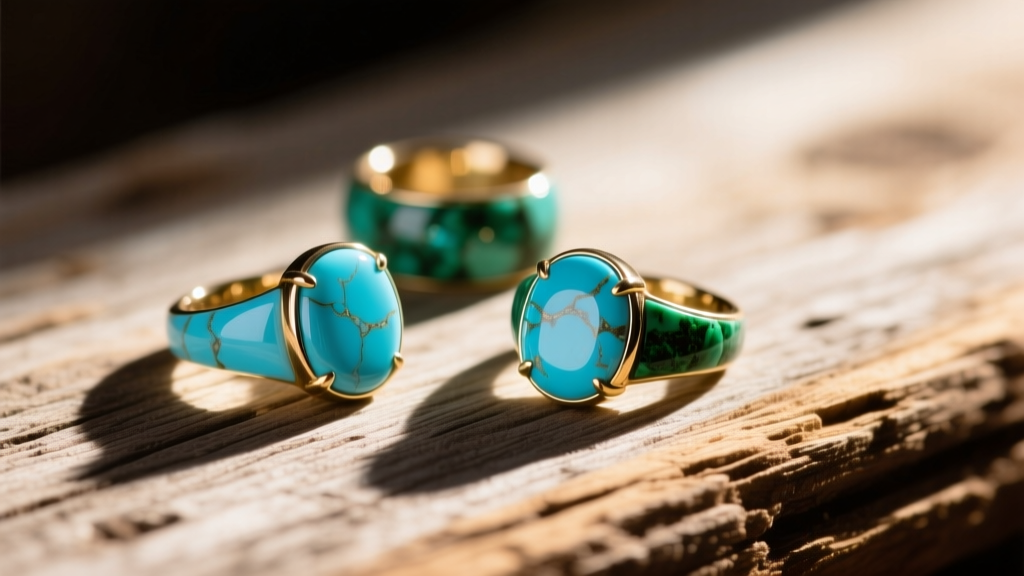
When selecting Kingman turquoise jewelry, pay close attention to how the stone is set. Because turquoise is relatively soft (Mohs 5-6) and can be brittle, it requires protective settings. A full or partial bezel setting, where a rim of metal wraps around the entire circumference of the stone, is the gold standard for turquoise jewelry. It protects the delicate edges from chipping and provides structural support.
Prong settings, while popular for diamonds and sapphires, are generally discouraged for turquoise. Prongs leave the edges of the stone exposed to impacts, increasing the risk of chipping or cracking. Furthermore, if the stone is stabilized, extreme pressure from prongs during setting or resizing can cause the stone to fracture. Always opt for bezel-set Kingman turquoise rings and bracelets to ensure the longevity of your piece.
Care and Maintenance Protocols
Turquoise is a highly reactive gemstone. Its porous nature means it can easily absorb oils, lotions, perfumes, and household chemicals, which can alter its color over time, turning a vibrant blue into a dull green or brown. To preserve the beauty of your Kingman turquoise jewelry, adhere to the following maintenance protocols:
- Avoid Ultrasonic and Steam Cleaners: The intense vibrations and heat can fracture the stone or melt the resins used in stabilized turquoise. Never put turquoise in an ultrasonic bath.
- Keep Away from Chemicals: Remove your jewelry before swimming in chlorinated pools, using household cleaners, or applying cosmetics and hairspray. Ammonia and chlorine are particularly destructive to turquoise.
- Gentle Cleaning Only: Wipe the stone with a soft, slightly damp microfiber cloth. Do not soak the jewelry in water, and avoid using commercial silver dips or jewelry polishing liquids, as these can seep into the stone and cause irreversible damage.
- Store Properly: Store turquoise pieces separately in a soft pouch to prevent them from being scratched by harder gemstones like diamonds or sapphires.
Expert Tip: If you own natural, untreated Kingman turquoise, wear it often but mindfully. The natural oils from clean skin can actually enhance the stone's luster over decades, creating a beautiful, personalized patina that collectors deeply value.
Final Thoughts on Buying Kingman Turquoise
Purchasing Kingman turquoise jewelry in 2026 is an exercise in appreciation for both natural history and artisanal craftsmanship. Whether you are investing in a rare, natural spiderweb cabochon from a specialized lapidary or purchasing a beautifully stabilized piece from a renowned Southwestern silversmith, the key is informed transparency. Always demand documentation or clear verbal confirmation regarding the stone's treatment status, examine the matrix and pyrite inclusions with a loupe, and prioritize protective bezel settings. By applying these expert guidelines, you can confidently build a collection of Kingman turquoise that will retain its beauty, value, and cultural significance for generations to come.