The Ultimate Guide to Cleaning Onyx Stone Jewelry Safely
Learn expert techniques to clean, store, and maintain your onyx stone jewelry. Discover what chemicals to avoid and how to preserve its deep black luster.

Understanding the Mineralogy and Vulnerabilities of Onyx
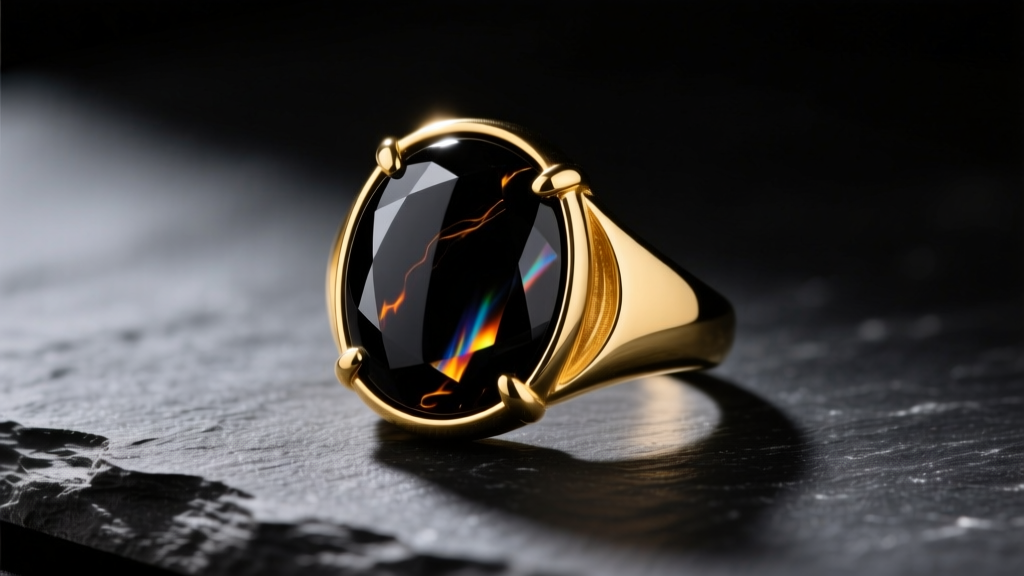
To properly care for onyx stone jewelry, you must first understand what you are actually wearing. True, naturally occurring black onyx is exceptionally rare. According to the Gemological Institute of America (GIA), the vast majority of commercial black onyx on the market today is actually gray or white agate (a banded variety of chalcedony) that has been treated with a sugar solution and heated in sulfuric acid to achieve its signature deep, opaque black color. This dyeing process is permanent and stable under normal conditions, but it fundamentally changes how the stone reacts to certain environmental stressors.
Onyx registers between 6.5 and 7 on the Mohs scale of mineral hardness. While this makes it reasonably durable for daily wear, it is not impervious to damage. Because it is a cryptocrystalline quartz, it lacks cleavage planes but is highly susceptible to conchoidal fracturing—meaning a sharp blow to the girdle (the edge of the stone) can cause it to chip or crack in smooth, curved shells. Furthermore, the porous nature of chalcedony means that harsh chemicals can potentially penetrate micro-fissures, degrading the polish or altering the stone's optical properties over time.
The Right Way to Clean Onyx Stone Jewelry
Cleaning onyx requires a gentle, methodical approach. The goal is to remove sebum, cosmetic residue, and environmental dust without subjecting the stone to thermal shock or abrasive scratching. Before you begin any wet cleaning, always wipe the stone with a clean, dry microfiber cloth. Household dust often contains microscopic particles of quartz (Mohs 7), which can scratch your onyx (Mohs 6.5-7) if you rub it while dry.
Step-by-Step Cleaning Routine
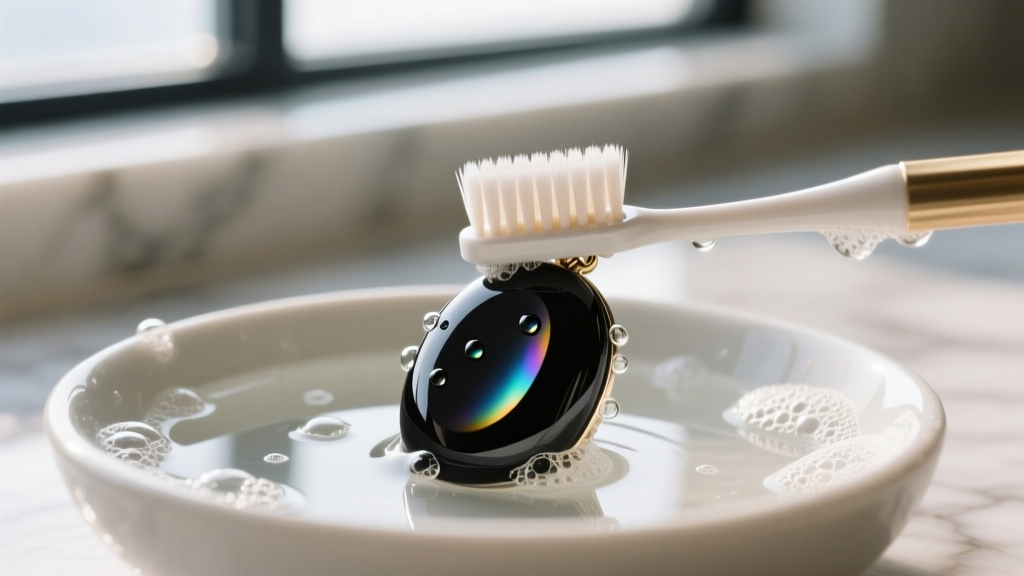
- Prepare a Mild Solution: Fill a small glass bowl with lukewarm distilled water. Add a single drop of pH-neutral, lotion-free dish soap (such as original Dawn). Avoid hot water, as extreme temperature fluctuations can cause thermal shock, leading to internal stress fractures.
- Soak Briefly: Submerge your onyx stone jewelry for no more than 3 to 5 minutes. This is enough time to loosen body oils and lotions trapped beneath the setting.
- Agitate Gently: Use a brand-new, ultra-soft baby toothbrush to gently sweep the back of the stone and the crevices of the metal setting. Never scrub the face of the cabochon with bristles; instead, use your fingertips to massage the soapy water over the polished surface.
- Rinse Thoroughly: Rinse the piece under a gentle stream of lukewarm distilled water. Ensure the drain is securely plugged to prevent accidental loss.
- Dry Immediately: Pat the jewelry dry with a lint-free microfiber cloth. Do not let it air dry, as water spots can form on both the stone and the metal setting, particularly if you live in an area with hard water.
Chemicals and Environments to Strictly Avoid
The most common way collectors and casual wearers ruin their onyx stone jewelry is by using modern jewelry cleaning appliances and harsh chemical solvents. Because black onyx is often a dyed material, aggressive cleaning methods can compromise the stone's structural integrity and visual appeal.
| Cleaning Method / Chemical | Safety Status | Reason for Avoidance |
|---|---|---|
| Ultrasonic Cleaners | NEVER USE | High-frequency vibrations (20-400 kHz) can shatter stones with hidden internal stresses or cause dyed agate to fracture along microscopic inclusion lines. |
| Steam Cleaners | NEVER USE | Sudden exposure to 100°C+ steam causes severe thermal shock, leading to irreversible internal cracking and potential dye alteration. |
| Bleach / Chlorine | NEVER USE | Chlorine reacts with the metal alloys in gold and silver settings, and can permanently dull the polish of the chalcedony surface. |
| Ammonia-based Cleaners | AVOID | While safe for diamonds, ammonia is too alkaline for porous chalcedony and can strip the natural waxes used to enhance the stone's final polish. |
| Toothpaste / Baking Soda | NEVER USE | These are highly abrasive. Baking soda (Mohs 2.5) and toothpaste abrasives will create micro-scratches, leaving the onyx looking cloudy and matte. |
Additionally, you should remove your onyx jewelry before swimming in chlorinated pools, entering hot tubs, or applying heavy cosmetic products like hairspray, perfume, and sunscreen. The alcohols and synthetic oils in these products can build up on the stone, creating a stubborn, cloudy film that is difficult to remove without professional polishing.
Storage and Setting Maintenance
How you store your onyx stone jewelry is just as critical as how you clean it. Chalcedony contains trace amounts of water within its crystalline structure. Storing onyx in extremely dry environments, such as near a radiator, in direct sunlight, or inside a safety deposit box with desiccant packets for prolonged periods, can cause the stone to dehydrate. This dehydration leads to crazing—a network of fine, white surface cracks that ruins the gem's value and aesthetics.
Protecting the Prongs and Bezels
When it comes to settings, onyx is almost exclusively cut into smooth cabochons rather than faceted gems. Because the edges of a cabochon are highly vulnerable to chipping, bezel settings are vastly superior to prong settings for onyx. A full or half-bezel of gold or platinum wraps securely around the girdle, absorbing the impact of daily knocks. If your onyx jewelry is set in prongs, you must inspect the metal claws every six months. A loose prong will allow the stone to rattle, and the resulting metal-on-stone friction will eventually chip the onyx or cause it to fall out entirely.
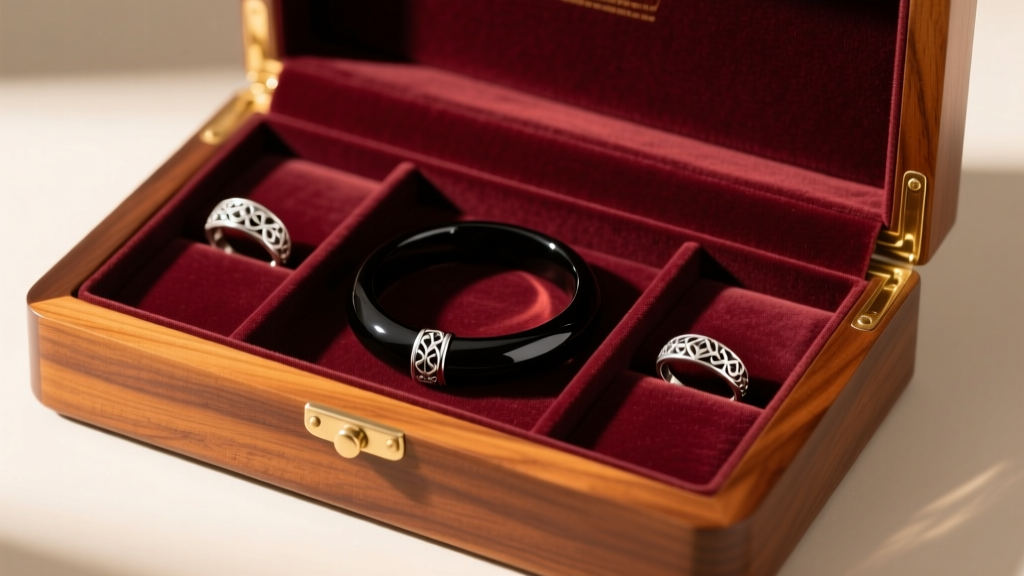
For optimal storage, keep your onyx pieces in individual soft flannel pouches or separate velvet-lined compartments. Never toss onyx into a communal jewelry box alongside diamonds, sapphires, or rubies. These harder gems (Mohs 9-10) will easily scratch the surface of your onyx upon contact. Furthermore, if your onyx is set in sterling silver, include an anti-tarnish strip in the storage compartment to prevent silver sulfide buildup, which requires harsh polishing pastes to remove—pastes that you cannot safely use near the stone.
Restoring the Polish: When to See a Professional
Even with meticulous care, years of wear will inevitably result in micro-abrasions on the surface of your onyx, dulling its mirror-like finish. According to mineralogical data from Mindat.org, the waxy to vitreous luster of chalcedony requires specific lapidary techniques to restore once scratched.
Expert Insight: Never attempt to buff or polish onyx at home using rotary tools or commercial polishing compounds. The friction heat generated by DIY buffing wheels can easily cause thermal fracturing or melt the dyes used in black agate.
If your onyx stone jewelry has lost its luster or sustained a minor surface scratch, take it to a certified lapidary or a master jeweler. They will use specialized cerium oxide powder on low-speed, water-cooled lapidary wheels to safely re-polish the cabochon without generating destructive heat. If the stone is deeply chipped, a professional lapidary may be able to re-cut and re-cab the stone to remove the damaged area, though this will slightly reduce the overall carat weight and dimensions of the gem. By understanding the unique geological properties of onyx and adhering to these strict maintenance protocols, you can ensure your jewelry retains its dark, captivating beauty for generations.


