Shell Jewelry DIY: A 2026 Gemstone Crystal Gift Guide
Discover the ultimate shell jewelry DIY guide for 2026. Learn to pair crystals with coastal shells for personalized, meaningful occasion gifts.

The 2026 Renaissance of Coastal Crystal Gifting
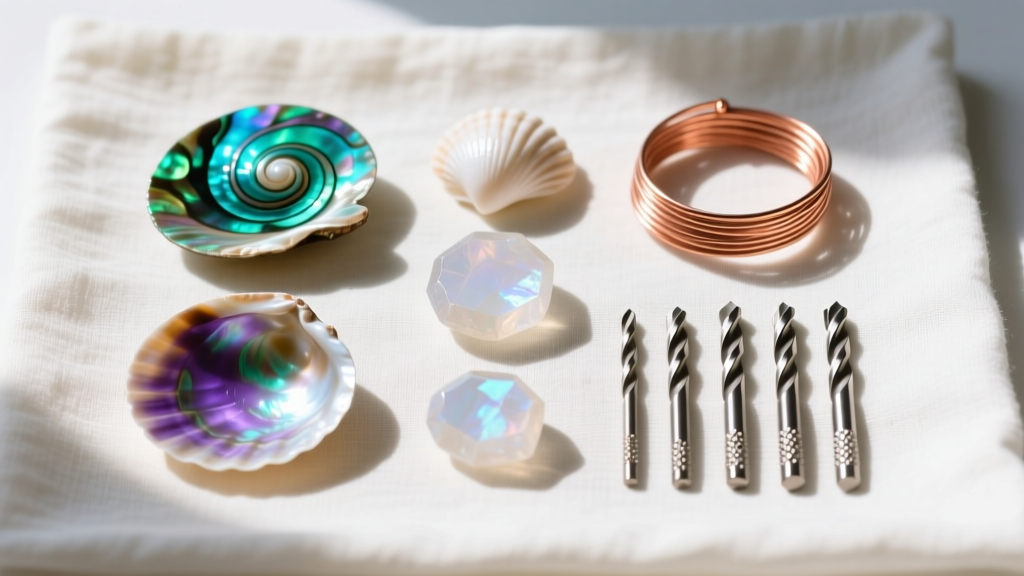
In 2026, the intersection of coastal aesthetics and crystal healing has evolved far beyond simple macramé and glue. Today's shell jewelry DIY movement is rooted in advanced lapidary techniques, ethical sourcing, and intentional gemstone pairings. Handcrafted jewelry is no longer just a hobby; it is a profound way to create bespoke, energetic gifts tailored to specific life milestones. By combining the organic, calcium-rich matrices of marine shells with the crystalline lattices of earth-mined or lab-grown gemstones, artisans can craft pieces that carry deep metaphysical resonance and striking visual contrast.
This guide will walk you through the material science of pairing shells with crystals, the technical execution of drilling and wire wrapping, and a curated occasion-matching framework to ensure your handcrafted gifts hit the perfect emotional note.
Material Science: Matching Shells with Gemstones
Shells and gemstones interact with light in fundamentally different ways. While shells rely on orient and iridescence caused by the micro-structures of nacre, gemstones utilize phenomena like adularescence, pleochroism, and chatoyancy. According to the Gemological Institute of America (GIA), understanding these optical properties is crucial for creating visually harmonious jewelry. Furthermore, you must consider the Mohs hardness scale to ensure your wire-wrapping tension does not scratch softer materials.
| Shell Type | Mohs Hardness | Best Gemstone Pairing | Optical Synergy | Ideal Occasion |
|---|---|---|---|---|
| Mother of Pearl | 2.5 - 3.0 | Rainbow Moonstone | Adularescence meets Nacre Orient | Beach Weddings, Anniversaries |
| Paua (Abalone) | 2.5 - 3.5 | Lapis Lazuli | Electric Blues & Deep Matrix Contrast | Graduations, Career Milestones |
| Cowrie Shell | 3.0 | Amethyst (Raw) | Matte Organic vs. Vitreous Crystal | Spiritual Milestones, Healing |
| Conch (Pink) | 3.0 - 3.5 | Morganite | Pastel Warmth & Chatoyancy | Valentine's Day, Proposals |
Occasion Matching: Who Gets What?
A successful DIY gift relies on the narrative woven into the materials. Here is how to match your shell and crystal combinations to specific life events.
The Beach Wedding: Mother of Pearl & Moonstone
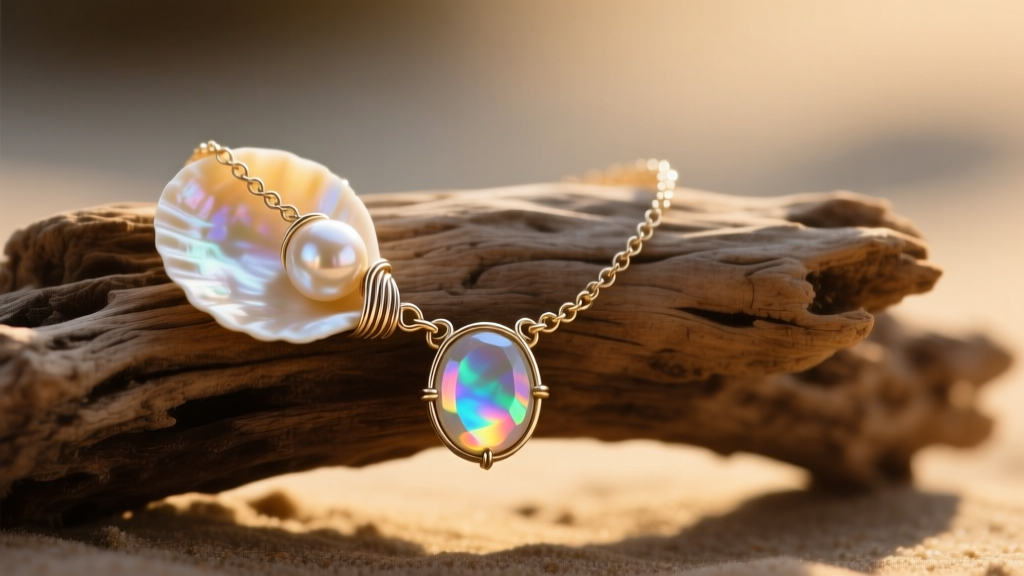
For a bride celebrating a coastal wedding, a wire-wrapped Mother of Pearl pendant accented with a cabochon of Rainbow Moonstone is unmatched. Mother of Pearl represents the protective, nurturing energy of the ocean, while Moonstone is the quintessential stone of new beginnings and divine feminine energy. Design Tip: Use 20-gauge half-hard sterling silver wire to create a fluid, wave-like bezel that cradles the moonstone, allowing the shell to act as the backing plate. The silver's cool tone amplifies the blue and silver flashes inherent in both materials.
The Graduate: Paua Shell & Lapis Lazuli
Graduation marks a transition into the unknown, requiring courage and clarity. Paua shell, with its electrifying greens, blues, and purples, symbolizes the multifaceted nature of the future. Pairing it with high-grade Afghan Lapis Lazuli (look for deep royal blue with minimal calcite and striking pyrite flecks) grounds the chaotic energy of the Paua. Lapis is historically associated with wisdom, truth, and intellectual prowess. Design Tip: Create an asymmetrical ear cuff or a bold statement ring where the Paua shell forms the outer 'halo' and a faceted Lapis lazuli sits at the center.
The Spiritual Seeker: Cowrie Shell & Raw Amethyst
Cowrie shells have been used as currency and spiritual talismans for millennia, representing wealth, fertility, and protection. When paired with raw, unpolished Amethyst clusters, the piece becomes a powerful tool for grounding and third-eye activation. This is the ultimate gift for a friend embarking on a spiritual retreat, recovering from burnout, or starting a meditation practice. The matte, ivory finish of the cowrie contrasts beautifully with the deep, vitreous purple of the crystal points.
Technical Execution: Drilling and Wire Wrapping
The most common point of failure in shell jewelry DIY projects is the physical manipulation of the shell. Shells are composed of calcium carbonate and conchiolin, making them brittle and highly sensitive to heat and thermal shock.
Drilling Shells Without Shattering Them
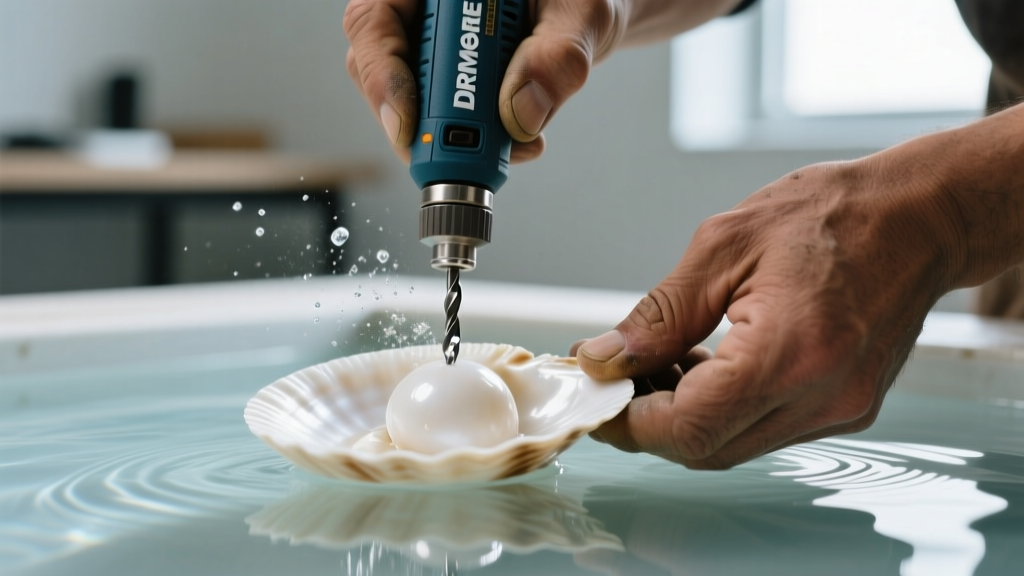
Never use standard steel or carbide twist bits on shells; they will catch, splinter, and shatter the nacre layers. Furthermore, drilling dry produces fine calcium dust that is hazardous to inhale. Follow this protocol for safe, clean perforations:
- Tooling: Use a variable-speed rotary tool (like a Dremel) fitted with a 1mm diamond-tipped twist burr bit.
- Lubrication & Safety: Submerge the shell in a shallow bath of water. This keeps the bit cool, prevents micro-fractures, and entirely eliminates hazardous dust.
- Speed & Pressure: Set your rotary tool to a low speed (5,000 to 8,000 RPM). Apply zero downward pressure; let the diamond grit do the grinding. Pull the bit out every 3 seconds to clear the slurry.
- Backing: Place a scrap piece of hardwood under the shell to prevent 'blowout' or chipping on the exit hole.
Wire Gauges and Hardness for Shell Integration
According to master wire-wrapping resources like Wire Sculpture, selecting the correct wire hardness is just as critical as the gauge. For structural frames that must hold a heavy shell and gemstone assembly, use 20-gauge half-hard wire. It provides the tensile strength needed to maintain its shape under the weight of the materials. For the actual wrapping, weaving, and securing of the stones to the shell, use 24-gauge or 26-gauge dead-soft wire. Dead-soft wire is highly malleable and will work-harden as you weave it, locking the components together without snapping mid-wrap.
"The secret to integrating organic materials like shells with faceted gemstones is to never force the wire. Let the natural curvature of the shell dictate the geometry of your wire frame."
Sourcing and Ethical Considerations
As the demand for coastal jewelry grows in 2026, so does the risk of supporting destructive harvesting practices. Never purchase shells from tourist shops where provenance is unverified, as many species are endangered or harvested while alive. Instead, source your shells from ethical lapidary suppliers who utilize byproducts of the food industry (such as Paua and certain Conch species) or from beachcombers who collect naturally molted specimens like Cowries and Sand Dollars. Pair these ethically sourced shells with traceable gemstones or high-quality lab-grown crystals to ensure your gift carries a clean, positive energetic footprint.
Final Thoughts on Handcrafted Gifting
Mastering shell jewelry DIY requires patience, respect for the materials, and an understanding of the energetic properties you are combining. When you hand a loved one a piece of jewelry that you have personally drilled, wrapped, and designed with their specific life milestone in mind, you are giving them far more than an accessory. You are giving them a wearable artifact of your time, intention, and craftsmanship. Whether it is the iridescent flash of Paua for a new graduate or the soothing orient of Mother of Pearl for a bride, the fusion of ocean and earth remains one of the most powerful aesthetic statements in modern jewelry design.


