Onyx Stones for Jewelry: 2026 Pricing & Value Assessment Guide
Discover the true value of onyx stones for jewelry in 2026. Learn how to spot dyed agate, understand pricing tiers, and avoid overpaying for your gems.

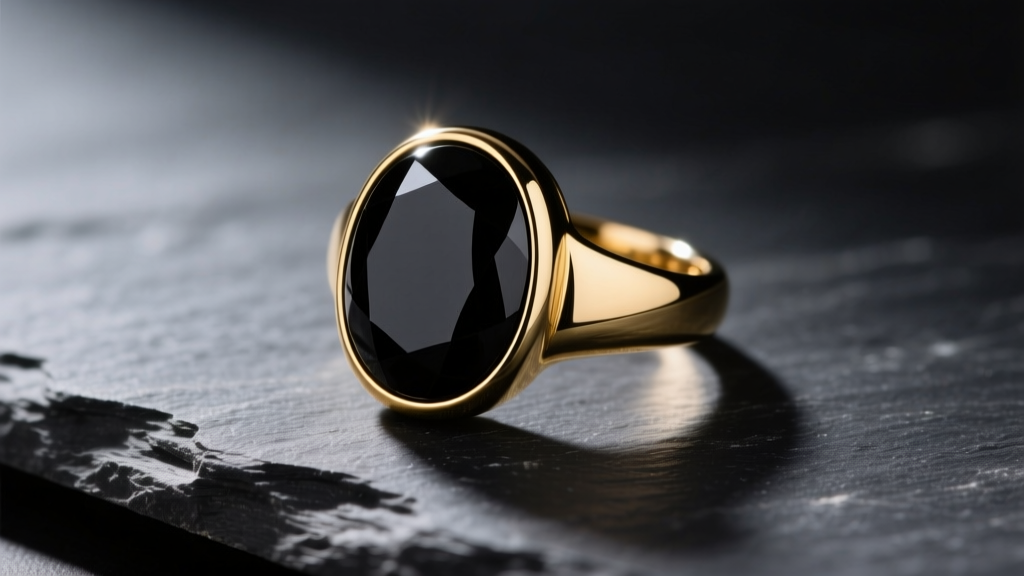
When navigating the colored gemstone market, few materials generate as much confusion regarding value and authenticity as onyx. Revered for its deep, mirror-like black finish and historical significance, onyx has been a staple in signet rings, mourning jewelry, and modern minimalist designs for centuries. However, as we move through 2026, the market for onyx stones for jewelry is heavily saturated with treated alternatives, making it increasingly difficult for consumers and even novice jewelers to distinguish between a premium natural specimen and a mass-produced dyed substitute.
This comprehensive value assessment cuts through the marketing jargon to provide a gemological deep dive into what you are actually buying. Whether you are sourcing loose stones for a custom commission or evaluating a finished piece from a luxury house, understanding the lapidary realities of onyx is critical to protecting your investment.
The Industry Secret: Natural Black Onyx vs. Dyed Agate
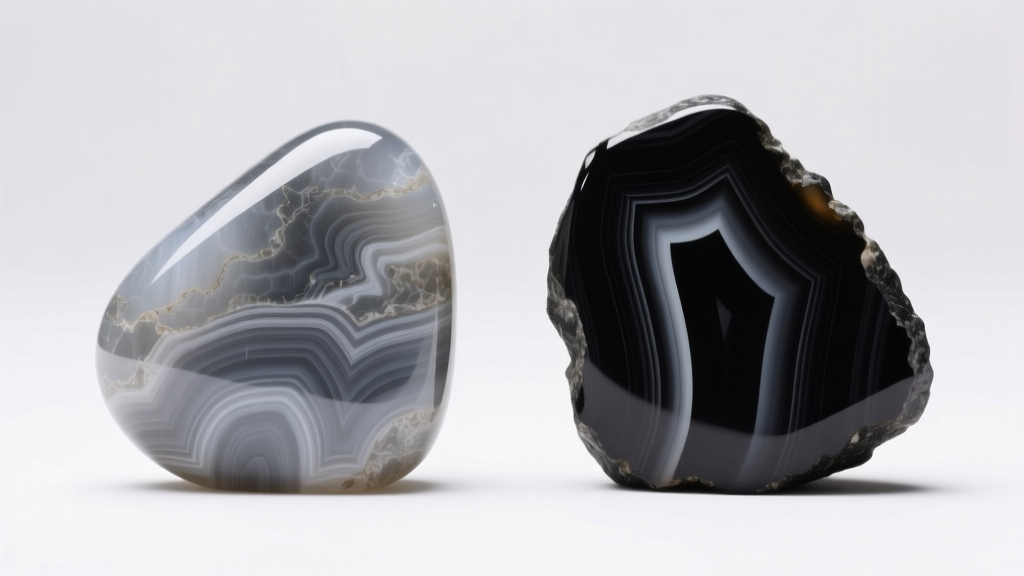
To accurately assess the budget and value of onyx, you must first understand the most closely guarded secret in the commercial gemstone trade: the vast majority of black onyx sold today is not naturally black. According to the Gemological Institute of America (GIA), true, naturally occurring black onyx is exceptionally rare. Most commercial "black onyx" is actually gray or pale chalcedony and agate that has been subjected to a permanent dyeing process.
The Sugar-Acid Carbonization Process
The treatment used to create commercial black onyx is an ancient practice dating back to Roman times, though modern lapidaries in centers like Jaipur, India, and Idar-Oberstein, Germany, have perfected it. The pale, porous agate is boiled in a concentrated sugar solution for several weeks. Once the sugar has fully penetrated the microscopic pores of the silica, the stone is submerged in warm sulfuric acid. The acid carbonizes the sugar, turning it permanently black.
While this treatment is considered stable and is widely accepted in the jewelry industry, it drastically impacts the stone's monetary value. A dyed agate cabochon costs pennies on the dollar compared to a genuinely natural, untreated black onyx specimen. When evaluating onyx stones for jewelry, the presence or absence of this treatment is the single largest factor in the gem's baseline price.
2026 Pricing Matrix: What You Should Actually Pay
Pricing for onyx is rarely calculated strictly by the carat in the way diamonds or sapphires are. Instead, value is assessed based on the cut quality, the dimensions of the calibrated cabochon, the origin of the rough, and the treatment status. Below is a realistic 2026 wholesale-to-retail pricing framework to help you benchmark your purchases.
| Material Classification | Treatment Status | Average Retail Price (Per Carat) | Typical Use Case |
|---|---|---|---|
| Commercial Black Onyx (Agate/Chalcedony) | Dyed (Sugar-Acid) | $0.50 - $3.00 | Mass-market fashion jewelry, men's signet rings |
| Premium Calibrated Black Onyx | Dyed (High-grade rough, precision cut) | $4.00 - $10.00 | Mid-tier designer jewelry, luxury watch dials |
| Natural Untreated Black Onyx | None (Certified) | $25.00 - $60.00+ | High jewelry, collector pieces, bespoke commissions |
| Natural Sardonyx (Banded) | None / Lightly Enhanced | $15.00 - $45.00 | Cameo carving, artisan statement rings |
Note: Prices reflect loose stones. Finished jewelry will include the cost of precious metals, setting labor, and brand markup, which often eclipses the cost of the stone itself.
Evaluating Craftsmanship: Where the Real Cost Lies
Because even high-grade dyed onyx is relatively inexpensive, the true value assessment of onyx jewelry must shift focus from the gemstone to the craftsmanship of the setting. Onyx has a Mohs hardness of 6.5 to 7, making it reasonably scratch-resistant, but it possesses a distinct brittleness and lacks cleavage planes, meaning it can chip or shatter upon sharp impact.
The Danger of Prong Settings
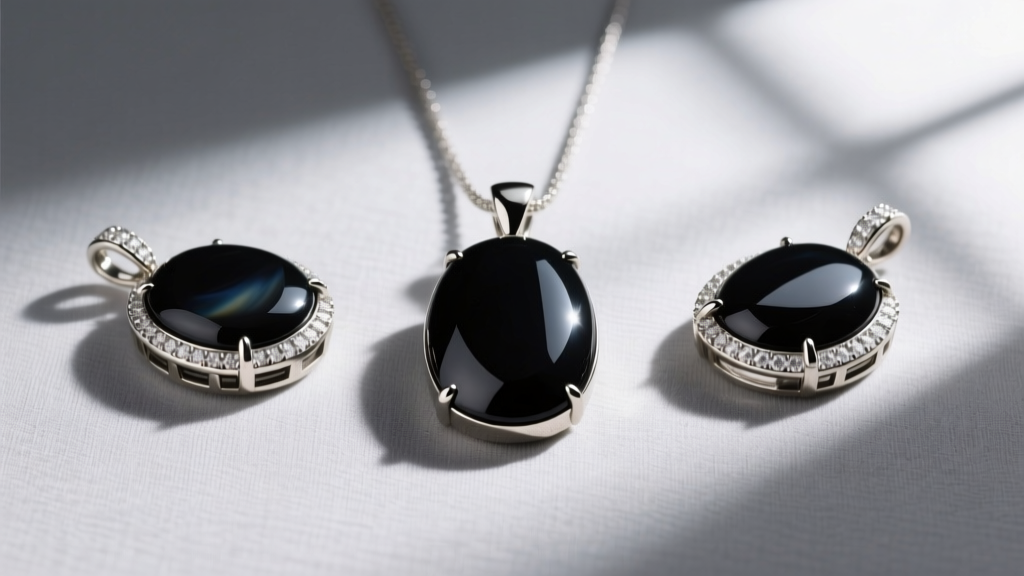
When browsing onyx stones for jewelry, be highly skeptical of delicate prong settings. The lapidary process of cutting and polishing onyx, particularly the acid bath used for dyed stones, can introduce microscopic internal stress fractures. When a jeweler uses pliers to tighten a metal prong over the girdle of an onyx stone, the localized pressure can easily cause the stone to cleave or crack.
Why Bezel is the Gold Standard
A fully enclosed bezel setting is the hallmark of high-quality onyx jewelry. It protects the vulnerable edges of the cabochon from chipping and distributes pressure evenly during the setting process. If you are paying a premium for a designer onyx piece, ensure the metalwork features a precision-milled bezel that sits perfectly flush against the stone's crown without any visible gaps or excessive metal smearing.
Red Flags: Overpaying for "Rare" Onyx Varieties
The market is rife with misleading terminology designed to inflate the price of common materials. As a savvy buyer, you must be able to identify these marketing traps to avoid severe overpayment.
- "Green Onyx": In 99% of cases, green onyx is simply pale chalcedony that has been dyed using chromium or nickel salts. True naturally green chalcedony is usually marketed as chrysoprase. Do not pay natural gemstone premiums for "green onyx"; it is a treated commercial stone.
- "Red Onyx": This is often a trade name for banded agate or carnelian that has been heat-treated to deepen its red-orange hue. While beautiful, it should be priced as treated agate, not as a rare ruby alternative.
- Fake Banding: True onyx, by strict mineralogical definition, features parallel bands of color, whereas agate features concentric, curved bands. However, the jewelry trade loosely uses "onyx" to describe any solid black chalcedony. For a deep dive into the mineralogical distinctions, the Mindat mineral database provides excellent structural data on silica varieties.
Long-Term Durability and Care Considerations
When assessing the lifetime value of your jewelry, maintenance costs and durability must be factored in. Dyed black onyx is generally stable, but it is not entirely impervious to environmental damage. Prolonged exposure to harsh chemicals, ultrasonic cleaners, or extreme heat can cause the carbonized dye to leach or fade, leaving the stone with a dull, grayish, or patchy appearance.
To maintain the value and aesthetic of your onyx pieces:
- Never use ultrasonic cleaners. The high-frequency vibrations can exploit internal stress fractures caused by the dyeing process, leading to catastrophic stone failure.
- Avoid steam cleaning. Sudden thermal shock can crack the silica structure.
- Clean only with mild soap and a soft brush. Use a microfiber cloth to buff the surface to a high polish after washing.
- Store separately. While onyx is a 7 on the Mohs scale, it can be scratched by diamonds, sapphires, and rubies. Keep onyx pieces in individual soft pouches to maintain their mirror-like luster.
Final Verdict: Maximizing Your Onyx Investment
The value of onyx stones for jewelry in 2026 is not rooted in extreme rarity, but rather in the exceptional aesthetic versatility and the quality of the lapidary work. You should not expect to pay investment-grade gemstone prices for black onyx unless you possess explicit, third-party gemological certification proving the stone is entirely natural and untreated.
For the modern buyer, the smartest budget allocation is to purchase high-quality, precision-cut dyed black onyx—focusing your financial resources on the metalwork and the artisan's setting techniques. A perfectly cut, flawlessly polished dyed onyx set in a hand-fabricated 18k gold bezel will offer vastly superior aesthetic and monetary value compared to a poorly cut "natural" stone in a flimsy commercial prong setting. By understanding the material's true origins and prioritizing structural craftsmanship, you can confidently acquire onyx jewelry that is both financially sound and visually striking.


