Shell Jewelry Care: Cleaning & Maintenance Tips for Organic Gems
Learn expert shell jewelry care tips. Discover safe cleaning methods, storage hacks, and how to protect organic gems from damage and discoloration.

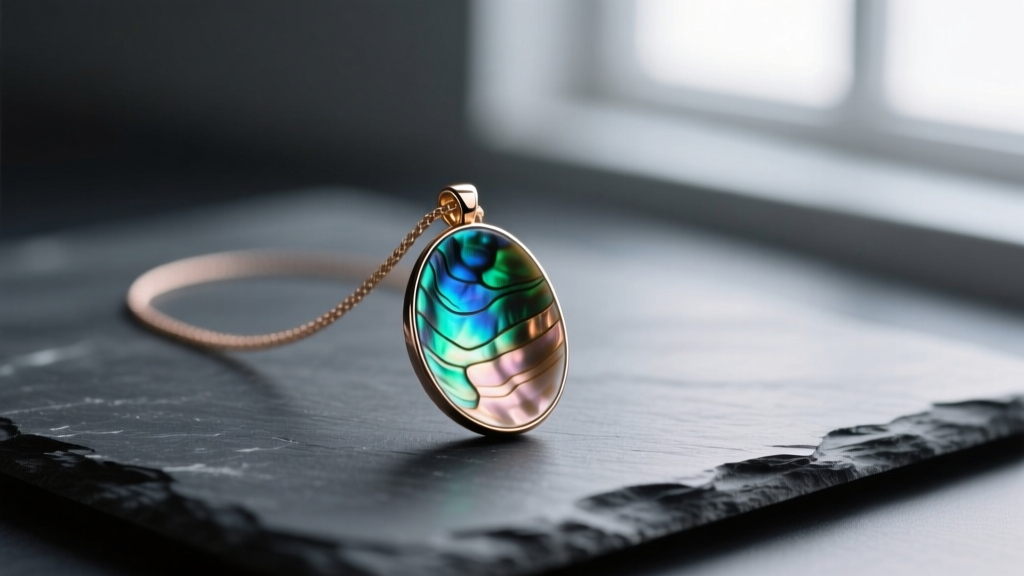
While traditional silicate crystals like quartz and amethyst dominate the gemstone market, organic gemstones hold a unique, irreplaceable allure. Shell jewelry—encompassing mother-of-pearl, abalone (paua), puka, and conch—offers a breathtaking connection to the ocean. However, because shells are biogenic rather than geologically formed, they possess a completely different chemical makeup. Treating your shell jewelry like a standard crystal is the fastest way to ruin it.
In this comprehensive guide, we explore the exact mineralogy of shell jewelry, the specific failure modes that cause irreversible damage, and the professional-grade maintenance protocols required to keep your organic gems pristine for decades.
The Mineralogy of Shell: Why Organic Gems Are Vulnerable
To understand how to care for shell jewelry, you must first understand what it is made of. According to the Mindat.org mineral database, shells are primarily composed of calcium carbonate (CaCO3), manifesting in two distinct crystalline structures: calcite and aragonite.
Unlike a sapphire (Mohs 9) or a piece of jade (Mohs 6-7), shell jewelry sits at a mere 2.5 to 3.5 on the Mohs hardness scale. This makes it highly susceptible to micro-scratching from everyday dust, which often contains quartz particles (Mohs 7). Furthermore, calcium carbonate is highly reactive to acids. Even the natural, slightly acidic pH of human sweat (typically between 4.5 and 7.0) can slowly etch the surface of a shell over time, dulling its natural luster and destroying the delicate nacre layers.
Nacreous vs. Non-Nacreous Shells
Care techniques also depend on the shell type. Nacreous shells, like mother-of-pearl and abalone, consist of microscopic aragonite platelets bound by conchiolin (an organic protein). This structure creates the gem's iridescence but is prone to delamination if exposed to extreme heat or harsh chemicals. Non-nacreous shells, like the rare pink conch, have a porcelaneous surface that, while slightly more durable against chipping, is notoriously prone to UV-induced fading.
The Professional Protocol for Cleaning Shell Jewelry
Forget the ultrasonic cleaners and steamers you might use for your diamond or quartz pieces. The high-frequency vibrations of an ultrasonic cleaner will literally shake the delicate nacre layers of a shell apart, causing microscopic fracturing and irreversible cloudiness.
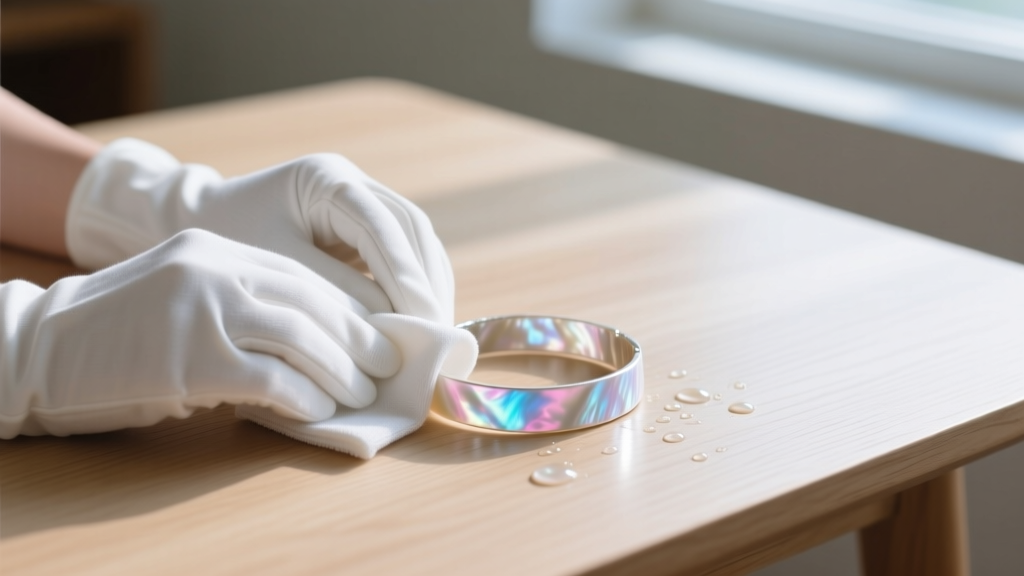
Step-by-Step Safe Cleaning Method
- Prepare a Neutral Solution: Mix lukewarm distilled water with a single drop of phosphate-free, pH-neutral dish soap. Tap water should be avoided if you live in a hard-water area, as mineral deposits can leave a permanent film on the porous shell surface.
- The Damp Wipe Technique: Never submerge shell jewelry, especially if it features glued settings or strung silk. Dip a lint-free microfiber cloth into the solution, wring it out until it is barely damp, and gently wipe the shell.
- Targeting Crevices: For carved shells or puka beads with deep grooves, use a soft-bristled makeup brush (like a clean eyeshadow brush) to gently dislodge dirt. Never use toothbrushes, as even 'soft' bristles can leave micro-scratches on a Mohs 2.5 surface.
- Drying: Immediately pat the piece dry with a separate, clean microfiber cloth. Leaving water to air-dry on a shell can result in water spots that etch into the calcium carbonate.
Chemical Hazards: What Destroys Nacre and Shell
The most common way shell jewelry is ruined is through chemical exposure. The Gemological Institute of America (GIA) explicitly warns that organic gem materials are highly sensitive to common household and cosmetic chemicals. Below is a breakdown of what to avoid and why.
| Chemical Agent | Common Source | Effect on Shell Jewelry |
|---|---|---|
| Acetic Acid | Vinegar, some window cleaners | Causes immediate effervescence (bubbling), dissolving the calcium carbonate surface. |
| Ammonia | Windex, heavy-duty degreasers | Strips the natural moisture from conchiolin, leading to nacre cracking and peeling. |
| Alcohol | Perfumes, hand sanitizers, hairspray | Dries out the organic proteins, causing yellowing and loss of iridescence. |
| Chlorine | Swimming pools, bleach | Creates a chalky, white, irreversible patina on the surface of the shell. |
Pro Tip: Always adopt the 'Last On, First Off' rule. Put your shell jewelry on only after your perfume, hairspray, and lotions have completely dried, and remove it immediately upon returning home.
Environmental Degradation: UV, Heat, and Humidity
Because shells are created in the stable, temperature-controlled environment of the ocean, they struggle to adapt to the extreme fluctuations of human environments.
The Threat of UV Radiation
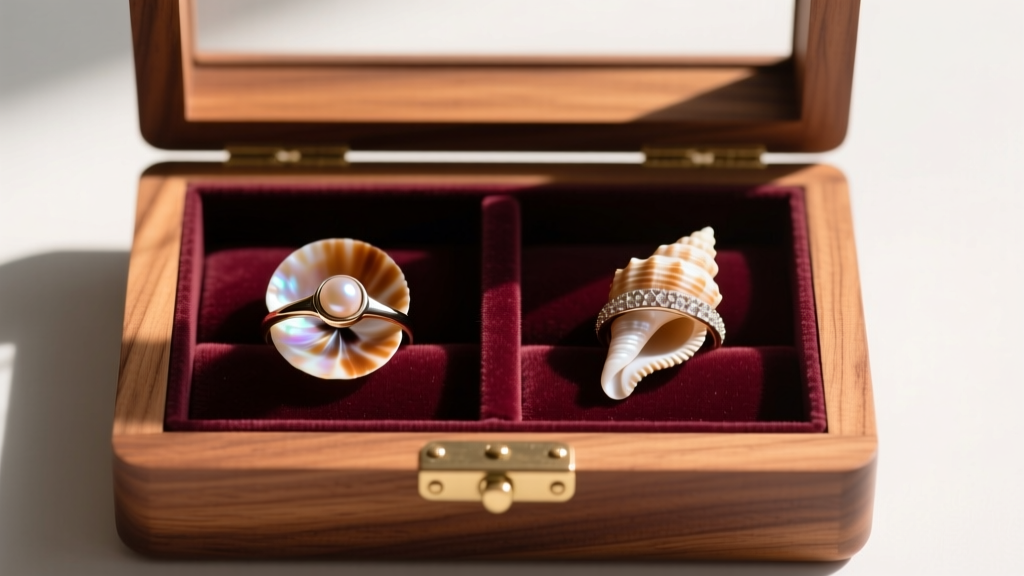
Prolonged exposure to direct sunlight is devastating for shell jewelry. UV radiation breaks down the organic pigments within the shell. Pink conch shells, highly prized for their vivid flamingo-pink hues, can fade to a pale, chalky white after just a few seasons of heavy sun exposure. Always store your shell pieces in a closed jewelry box or a dark drawer when not in use.
Hydration and Dehydration Cycles
Shells contain trace amounts of water within their crystalline matrix. In environments with low relative humidity (below 30%, common in winter months with central heating), this moisture evaporates. The resulting dehydration causes the shell to shrink microscopically, leading to a network of fine, spiderweb-like cracks known as crazing. To prevent this, maintain a storage environment with a relative humidity between 40% and 50%. If you live in an arid climate, keeping a small silica-free humidifier near your jewelry storage area can be a lifesaver.
Advanced Storage and Metal Interaction
How you store your shell jewelry is just as critical as how you clean it. Due to its low Mohs hardness, shell must be kept entirely isolated from harder gemstones and metals.
- Individual Compartments: Store each piece in a soft, acid-free tissue paper pouch or a dedicated velvet-lined compartment. Tossing a shell ring into a communal jewelry bowl with silver or quartz will guarantee a scratched, dull finish.
- Beware of Tarnish Transfer: Many shell pieces are set in sterling silver or copper. As these metals oxidize and tarnish, the dark sulfur compounds can transfer onto the porous edges of the shell, creating dark, stubborn stains. Use anti-tarnish strips in your jewelry box, and ensure the metal hardware is regularly polished with a dry jeweler's cloth (avoiding the shell itself).
Restoring Luster: Polishing and Oiling Techniques
If your vintage or frequently worn shell jewelry has lost its luster or looks slightly chalky, it may be suffering from surface dehydration or minor acid etching.
For mild dehydration, you can rehydrate the shell using a highly refined, non-yellowing mineral oil. Apply a microscopic drop of mineral oil to a soft cloth and gently buff the shell. Let it sit for ten minutes, then buff off all excess with a clean cloth. This temporarily fills the microscopic pores, restoring depth and iridescence. Never use olive oil, coconut oil, or baby oil, as these organic oils will eventually go rancid, smell foul, and attract dust.
For long-term protection, museum conservators often use microcrystalline waxes (such as Renaissance Wax) on organic artifacts. Applying a very thin, carefully buffed layer of conservation-grade wax can seal the shell against ambient humidity changes and acidic skin contact, preserving your organic gemstone for generations to come.


