Memento Mori Jewelry: Troubleshooting Gemstone Care & Wear
Fix common issues with memento mori jewelry. Learn how to clean porous stones, prevent obsidian scratches, and identify genuine jet versus glass.

The Unique Vulnerabilities of Dark Gemstones
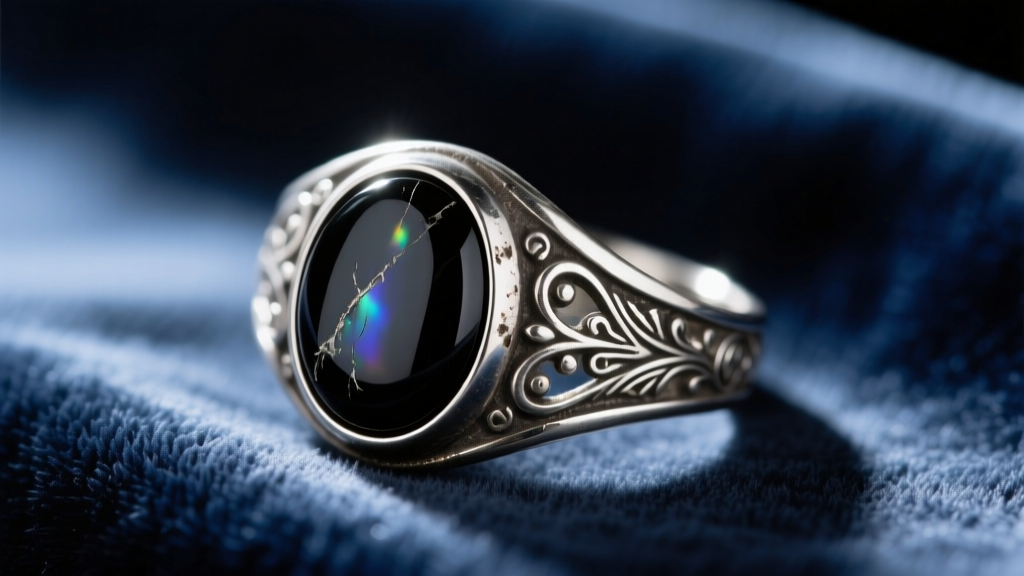
Memento mori jewelry, a genre rooted in the historical reminder of mortality, relies heavily on dark, moody, and often opaque gemstones. While a skull ring carved from black onyx or a rosary beaded with deep red garnet is visually striking, these pieces present a unique matrix of maintenance challenges. Unlike the brilliant-cut diamonds or sapphires found in traditional fine jewelry, the stones favored in macabre and gothic aesthetics—such as obsidian, jet, onyx, and fossilized bone—possess distinct crystallographic and chemical vulnerabilities.
The most common troubleshooting issues reported by collectors and daily wearers of memento mori jewelry include severe surface scratching, sudden stone fracturing, chemical degradation from improper cleaning, and hardware failure due to the sheer weight of carved cabochons. To preserve these dark heirlooms, we must move beyond generic jewelry care advice and address the specific material science of these somber stones.
Troubleshooting Scratch and Abrasion Damage
Dark gemstones are not created equal. A frequent mistake is treating all black stones with the same level of care. Obsidian, for instance, is a naturally occurring volcanic glass. Because it lacks a crystalline structure, it is amorphous and highly susceptible to conchoidal (shell-like) fracturing and surface scratching from everyday dust, which often contains microscopic quartz particles.
Jet, historically the most prized material for Victorian mourning and modern memento mori pieces, is not a stone at all. It is a type of lignite, the lowest rank of coal, formed from fossilized Araucaria wood. With a Mohs hardness that can dip as low as 2.5, jet will scratch if you simply wipe it with a dry, coarse cloth.
Mohs Hardness and Failure Mode Comparison
| Material | Mohs Hardness | Structure / Origin | Primary Failure Mode | Troubleshooting Fix |
|---|---|---|---|---|
| Whitby Jet | 2.5 - 4.0 | Organic (Fossilized Wood) | Deep scratching, drying out, cracking | Mineral oil conditioning, microfiber polishing |
| Obsidian | 5.0 - 5.5 | Amorphous (Volcanic Glass) | Conchoidal chipping, edge abrasion | Lapidary re-polishing, bezel setting protection |
| Black Onyx | 6.5 - 7.0 | Cryptocrystalline Quartz | Chipping at sharp carved edges | Ultrasonic safe, but avoid thermal shock |
| Almandine Garnet | 7.0 - 7.5 | Isometric Crystal | Cleavage fracturing from hard impacts | Prong retipping, avoid blunt force |
Solving the Porous Stone Cleaning Dilemma
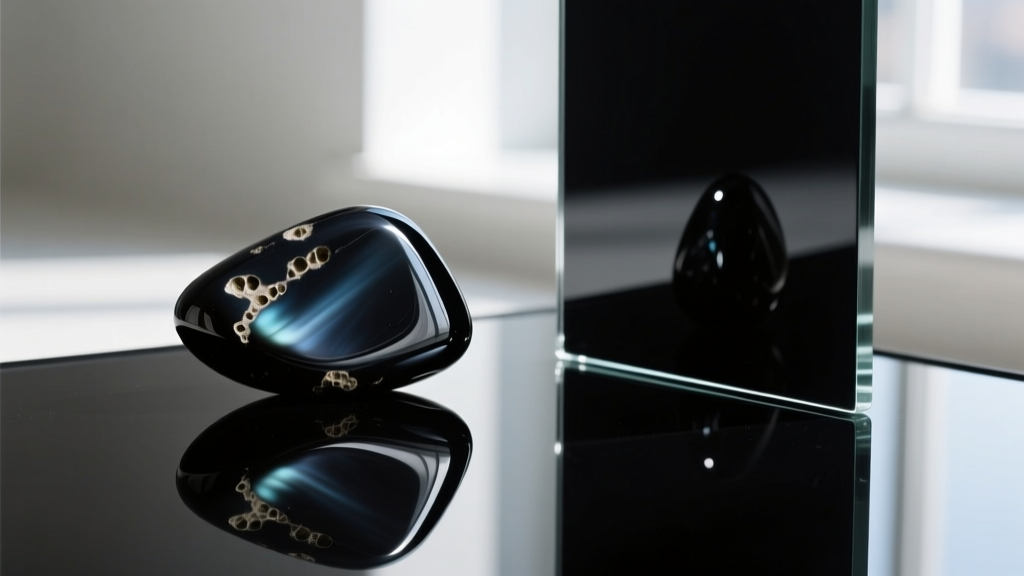
One of the most catastrophic mistakes a jewelry owner can make is placing a piece of memento mori jewelry into an ultrasonic cleaner. The high-frequency acoustic cavitation bubbles created by ultrasonic machines will aggressively exploit microscopic internal fractures in obsidian, often causing the stone to shatter or develop a cloudy, fractured interior known as "crazing."
For organic and porous materials like jet, turquoise, or fossilized bone frequently incorporated into memento mori designs, chemical cleaners are equally destructive. Ammonia-based silver dips will strip the natural waxes and oils from jet, leaving it brittle, gray, and prone to flaking.
The Safe Cleaning Protocol for Macabre Materials
- For Jet and Bone: Use a slightly damp microfiber cloth with a single drop of pH-neutral castile soap. Never submerge these materials in water. After cleaning, apply a microscopic amount of mineral oil with a cotton swab to restore the moisture barrier and deepen the black hue.
- For Obsidian and Onyx: Submersion is safe for onyx, but obsidian should be cleaned with a soft baby toothbrush dipped in distilled water. Distilled water prevents hard water calcium deposits from clinging to the microscopic scratches on the obsidian surface, which can make the black glass look cloudy and gray.
- Drying: Always use compressed air (held at least six inches away) or a lint-free optical cloth to dry dark cabochons. Paper towels contain wood fibers that will leave micro-scratches on polished obsidian.
Identifying and Fixing Faux Jet and Onyx
The market for gothic and memento mori jewelry is unfortunately saturated with black glass and dyed chalcedony masquerading as rare Whitby jet or premium black onyx. Troubleshooting a suspected fake requires non-destructive testing, as the traditional "hot pin test" will permanently damage genuine antique pieces.
Expert Insight: According to the Mindat Mineral Database, genuine jet is essentially fossilized wood and possesses very low thermal conductivity. If you touch a piece of suspected jet to your cheek or the inside of your wrist, it should feel immediately warm and lightweight. Black glass, conversely, will feel distinctly cold and significantly heavier due to its higher density.
Another troubleshooting method is the acoustic test. Gently tap the bead or cabochon against a known piece of glass. Genuine jet produces a dull, dead "thud" due to its organic, porous internal structure, while black glass or polished onyx will emit a sharp, high-pitched "clink." If you discover your vintage memento mori necklace is actually glass, you must adjust your care routine; glass is harder than jet but far more prone to shattering upon impact with tile or stone floors.
Hardware Failures: Securing Heavy Cabochons
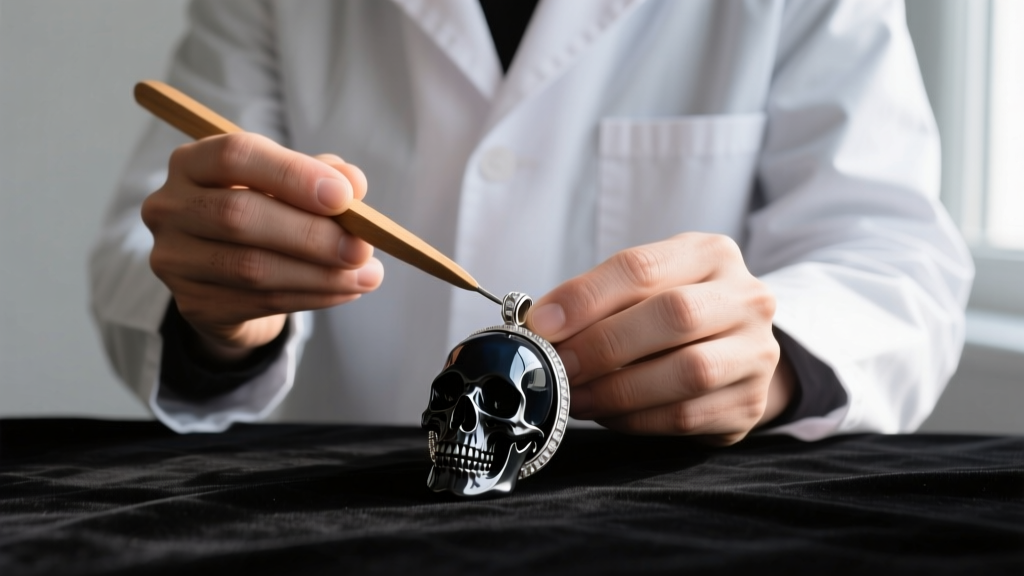
Memento mori rings and pendants frequently feature large, three-dimensional carvings—such as onyx skulls, skeletal hands, or intaglio seals. These stones are incredibly dense and top-heavy. A common structural failure is the stone popping out of its setting, particularly when prongs are used.
Unlike faceted diamonds, which have a distinct girdle and pavilion that lock securely under prongs, carved onyx and obsidian cabochons often have flat or irregular bases. Prongs cannot exert enough downward pressure to keep a heavy, flat-backed stone secure during daily wear.
Upgrading the Setting Architecture
If you are troubleshooting a loose stone in a memento mori ring, the permanent fix involves transitioning from a prong setting to a custom bezel. A jeweler will need to construct a thick sterling silver or 14k gold bezel wall that wraps entirely around the stone's perimeter.
For flat-backed carvings, the jeweler should apply a structural jeweler's epoxy to the base plate before seating the stone. Avoid using standard cyanoacrylate (Super Glue) or E6000 for high-end pieces. Cyanoacrylate becomes brittle and shatters under impact, while E6000 remains flexible but can yellow over time and degrade when exposed to hand sanitizers. Instead, professional lapidaries use specialized two-part epoxies like Hughes 330, or for smaller, delicate gaps, G-S Hypo Cement, which dries clear, remains slightly flexible to absorb shock, and will not chemically react with porous stones like jet or bone.
Final Thoughts on Preserving Macabre Heirlooms
Memento mori jewelry is designed to remind us of the fleeting nature of life, but the jewelry itself does not have to be fleeting. By understanding the specific geological and organic origins of your dark gemstones, you can implement targeted troubleshooting protocols. Protect your obsidian from impact, condition your jet with mineral oil, verify your materials through thermal testing, and ensure your heavy carvings are secured by robust bezel walls. With these expert-level care strategies, your memento mori pieces will endure as pristine, striking artifacts for generations to come.