Mexican Fire Opal Jewelry: A Beginner's Guide to Buying & Care
Explore Mexican fire opal jewelry with our beginner guide. Learn to spot real stones, understand pricing grades, and master daily care for vibrant gems.

What Exactly is a Mexican Fire Opal?
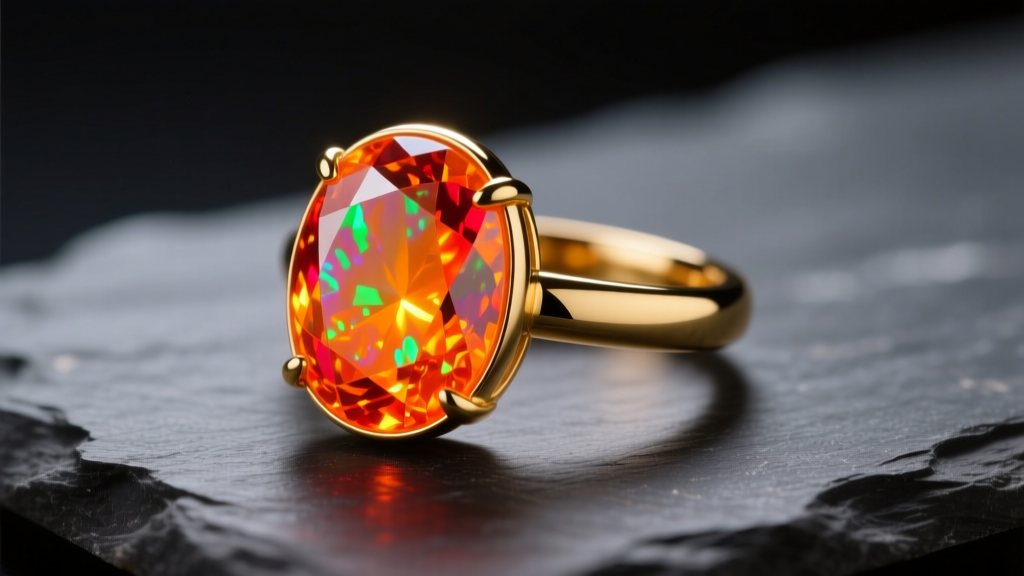
When most people hear the term 'fire opal,' they immediately picture a stone flashing with rainbow colors. However, in the gemological world, the 'fire' in Mexican fire opal actually refers to its vivid, warm body color—ranging from bright yellow to deep, fiery orange and cherry red. Formed millions of years ago in the ancient volcanic mountains of Mexico, primarily in the states of Querétaro, Jalisco, and Guerrero, these gems are created when silica-rich water seeps into volcanic rock cavities and slowly solidifies.
Unlike the famous Australian opals that are almost exclusively cut into smooth cabochons, Mexican fire opals possess a unique clarity that allows them to be faceted like traditional precious gemstones. According to the Gemological Institute of America (GIA), opals are composed of microscopic silica spheres. When these spheres are perfectly uniform in size and arrangement, they diffract light, creating the famous rainbow flashes known as 'play-of-color.' When the spheres are irregular, the stone remains 'common,' displaying only its beautiful body color without the rainbow flashes.
Precious vs. Common: Decoding the Play-of-Color
For beginners stepping into the world of Mexican fire opal jewelry, understanding the distinction between 'precious' and 'common' fire opals is the most critical factor in determining value. Here is a breakdown of the three main categories you will encounter on the market:
| Opal Type | Visual Characteristics | Average Price Range (Per Carat) |
|---|---|---|
| Common Fire Opal | Vivid orange, red, or yellow body color. High clarity but absolutely no rainbow flashes. | $15 – $50 |
| Precious Fire Opal | Warm body color combined with distinct flashes of green, blue, or purple play-of-color. | $150 – $500+ |
| Mexican Matrix Opal | Opal material naturally interspersed within its host volcanic rhyolite rock, creating a speckled, earthy look. | $20 – $100 |
It is worth noting that the Mexican government has granted a 'Denominación de Origen' (Designation of Origin) to Querétaro opals. Much like Champagne in France, this certification guarantees the stone's authentic geographic origin and protects local artisanal mining practices.
How to Buy Mexican Fire Opal Jewelry (Without Getting Scammed)
Shopping for these vibrant gems requires a keen eye. Because they are less commonly found in standard mall jewelry stores, buyers often turn to specialized lapidaries or online gemstone dealers. Here are the specific technical details you need to evaluate before making a purchase.
The Faceting Trap: Beware of 'Windowing'
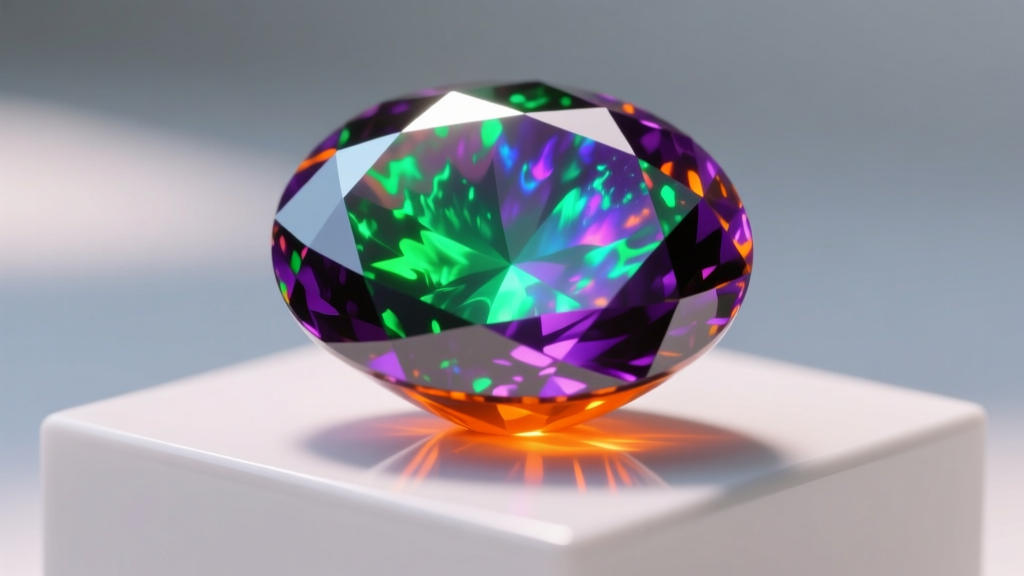
Because high-clarity Mexican fire opals are often faceted, cutters face a dilemma: maximize the stone's brilliance or maximize its carat weight. To retain weight, some cutters will cut the pavilion (the bottom half of the stone) too shallow. This results in a phenomenon called 'windowing,' where the center of the stone becomes completely transparent and lifeless, acting like a literal glass window. When evaluating a faceted fire opal, look straight down through the table (the top flat facet). If you can easily read text through the center of the stone, it is severely windowed and should be avoided or heavily discounted.
Evaluating the Cut: Cabochon vs. Faceted
If you are buying a precious fire opal with strong play-of-color, a cabochon (smooth, domed) cut is usually superior. The dome shape acts as a magnifying lens, rolling the rainbow flashes across the surface of the stone as it moves. If you are buying a common fire opal prized purely for its intense orange body color, a precision faceted cut (like an oval or cushion) will maximize light return and give the stone a brilliant, glassy sparkle.
Setting Metals and Durability Concerns
Durability is the Achilles' heel of almost all opals. According to the Mindat.org mineral database, opals rank between 5.5 and 6.5 on the Mohs hardness scale. For context, a copper penny is about 3.5, and a steel knife blade is around 5.5. This means your Mexican fire opal can easily be scratched by everyday dust (which contains quartz, ranking at 7.0) or knocked against a countertop.
Because of this relative softness, the jewelry setting is just as important as the stone itself:
- Bezel Settings: This is the gold standard for fire opal rings and bracelets. A solid rim of metal wraps entirely around the girdle (edge) of the stone, protecting it from lateral impacts.
- Prong Settings: While prongs allow more light to enter the stone, they leave the vulnerable edges exposed. If you must choose a prong setting, opt for heavy, V-shaped prongs at the corners, and reserve the piece for occasional wear rather than daily use.
- Earrings and Pendants: These are the safest ways to wear Mexican fire opals, as they are far less likely to suffer the hard knocks that rings and bracelets endure.
The Golden Rules of Fire Opal Care
A common myth in the jewelry world is that all opals will absorb water, lose their color, and turn transparent. This is true for Ethiopian Welo opals, which are 'hydrophane.' However, Mexican fire opals are generally non-hydrophane. They do not readily absorb water, meaning you don't need to panic if you get caught in the rain. Nevertheless, they still contain between 3% and 10% water within their silica structure, making them highly sensitive to their environment.
Preventing 'Crazing'
Crazing is the nightmare of every opal collector. It occurs when the water inside the opal evaporates too quickly or when the stone experiences sudden thermal shock, resulting in a network of fine, permanent cracks across the surface. To prevent crazing:
- Avoid Extreme Heat: Never wear your opal jewelry while using a hair dryer, sitting in a sauna, or baking over a hot stove.
- Steer Clear of Ultrasonic Cleaners: The high-frequency vibrations and heated chemical baths used in ultrasonic jewelry cleaners will almost certainly shatter or craze a fire opal.
- Skip the Steamers: Steam cleaning introduces rapid, extreme temperature changes that will destroy the stone's internal structure.
Safe Cleaning and Storage
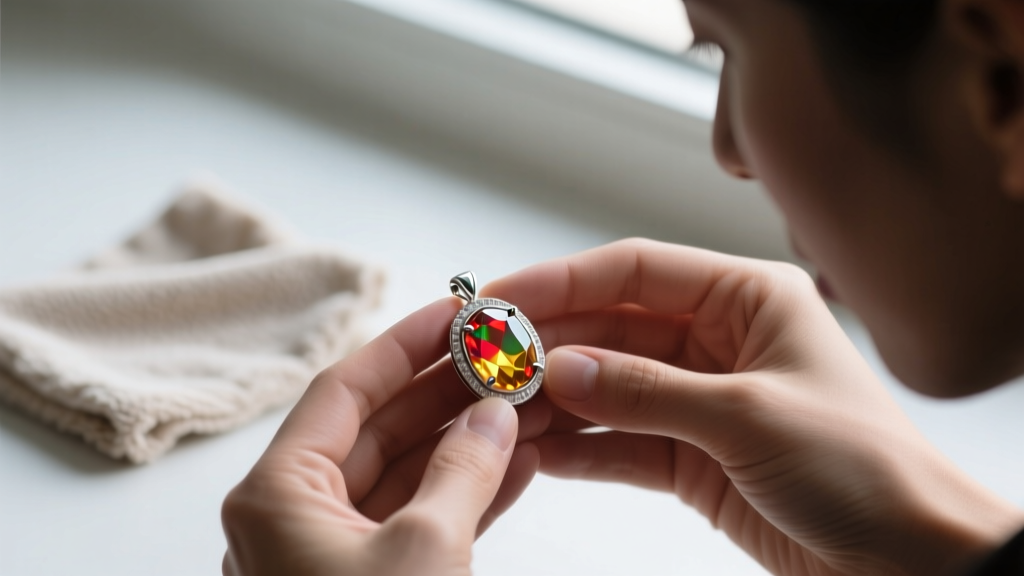
To clean your Mexican fire opal jewelry, use only lukewarm water, a drop of mild dish soap, and a very soft baby toothbrush. Gently brush the back of the setting to remove lotion and skin oils, rinse briefly, and pat dry with a microfiber cloth. When storing the piece, keep it in a soft fabric pouch separate from your diamonds and sapphires, which will easily scratch the opal's surface. If you live in an extremely dry climate, some gemologists recommend storing the opal in a sealed plastic bag with a slightly damp cotton ball to maintain ambient humidity, though this is less critical for non-hydrophane Mexican stones than for their Ethiopian counterparts.
Spotting Fakes and Synthetics
As the popularity of vibrant gemstones rises, so does the prevalence of imitations. Glass imitations are common and can be identified by their perfectly round internal gas bubbles and unnaturally uniform color. More deceptive are 'Gilson' synthetic opals, which are created in a lab using the same chemical composition as natural opals. Synthetics often exhibit a 'lizard skin' or 'chicken wire' pattern under magnification—a distinct, overly uniform patchiness that does not occur in nature. Always ask the dealer for disclosure regarding treatments, synthetics, or assembled stones (like doublets and triplets), and when in doubt, request a report from a reputable gemological laboratory.
Mexican fire opal jewelry offers a breathtaking, sun-drenched alternative to traditional precious gems. By understanding the nuances of the cut, respecting the stone's Mohs hardness, and practicing mindful care, you can ensure your fiery gem remains a vibrant, captivating staple in your collection for decades to come.