Fixing Quartz Club Jewelry: A Troubleshooting Guide
Expert troubleshooting for quartz club jewelry. Learn how to fix tarnished electroformed settings, loose wire wraps, and cloudy raw stones.

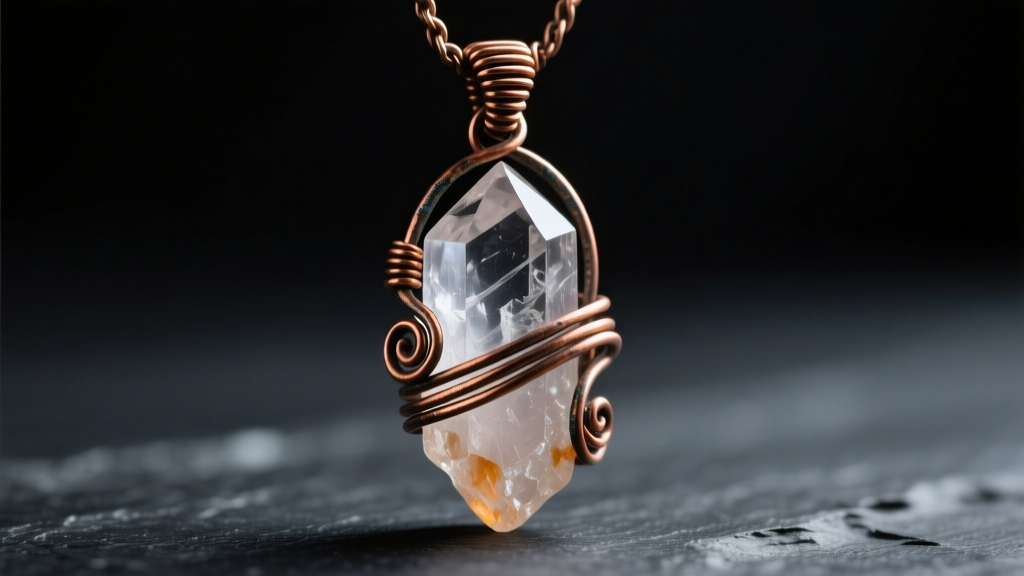
The Unique Anatomy of Quartz Club Jewelry
Quartz club jewelry has carved out a dedicated niche in the contemporary accessories market, celebrated for its raw, unpolished aesthetics and intricate, artisan-crafted settings. Unlike traditional fine jewelry that relies on precision-cut faceted stones and cast metal bezels, curated quartz pieces often feature rough-hewn crystals, electroformed copper matrices, and complex wire-wrapping techniques. While this organic approach yields stunning, one-of-a-kind wearable art, it also introduces a unique set of structural and aesthetic vulnerabilities. As a collector or artisan, understanding the metallurgical and lapidary nuances of these pieces is critical for long-term preservation.
The appeal of quartz club jewelry lies in its celebration of natural imperfections. According to the Gemological Institute of America (GIA), quartz is one of the most abundant minerals on Earth, yet its raw forms—such as Herkimer diamonds, phantom quartz, and tourmalinated quartz—require specialized handling. The settings used to secure these stones are rarely uniform, meaning that standard jewelry repair techniques often fail or cause catastrophic damage. This troubleshooting guide delves into the specific failure modes of quartz club jewelry, providing actionable, expert-level solutions to restore and protect your most treasured pieces.
Diagnostic Matrix: Identifying Your Quartz Failure
Before attempting any repair, it is essential to accurately diagnose the root cause of the degradation. Use the following diagnostic matrix to identify the primary issues affecting your quartz jewelry and determine the appropriate intervention strategy.
| Visual Symptom | Root Cause Analysis | Actionable Fix Protocol |
|---|---|---|
| Wire Prong Snapping or Fracturing | Metal fatigue from over-bending dead-soft wire past its yield strength. | Replace with 20g half-hard sterling silver; anneal before wrapping. |
| Copper Patina Flaking or Peeling | Poor adhesion of conductive paint during the electroforming bath process. | Clean with isopropyl alcohol; seal with ProtectaClear or carnauba wax. |
| Internal Clouding or Rust Spots | Water exposure causing oxidation of iron inclusions within raw phantom quartz. | Surface polish with a damp microfiber cloth; avoid all liquid submersion. |
| Loss of Wire Tension on Stone | Thermal expansion and contraction from body heat relaxing the metal grip. | Re-tension using nylon jaw pliers; work-harden the wire slightly. |
Structural Failures: Wire Wraps and Electroformed Copper
Re-tensioning Work-Hardened Wire
Wire wrapping is the most common setting technique in quartz club jewelry, primarily because raw crystals lack the uniform geometry required for traditional prong settings. Artisans typically use 20-gauge (0.81mm) or 22-gauge (0.64mm) wire in a dead-soft temper to easily conform to the irregular contours of the stone. However, dead-soft wire is highly susceptible to work-hardening. As the jewelry is worn, the continuous friction and minor impacts cause the metal's crystalline structure to become rigid and brittle. If a wire prong snaps, it is rarely due to the wire being too thin; rather, it is the result of metal fatigue from repeated bending.
To troubleshoot a loose wire wrap without snapping the metal, never use standard steel-jawed pliers, which will mar the wire and create stress fractures. Instead, use nylon jaw pliers to gently squeeze the structural loops and re-tension the grip on the quartz. If the wire has already become too brittle to manipulate, it must be replaced. Opt for half-hard wire for the replacement, as it offers a superior balance of malleability during the wrapping process and tensile strength once the piece is completed. According to Mindat.org, the Mohs hardness of quartz (7) means it will easily scratch softer metals, so ensuring a tight, work-hardened grip is essential to prevent the stone from shifting and sawing through the wire over time.
Sealing Flaking Electroformed Patinas
Electroforming is a hallmark of many quartz club collections, creating a thick, organic-looking copper matrix that appears to grow directly out of the raw crystal. A frequent and frustrating failure mode in electroformed jewelry is the delamination or flaking of the copper patina. This occurs when the initial layer of conductive paint applied to the stone fails to bond properly with the copper sulfate solution during the electrolytic bath, or when the finished piece is exposed to high humidity without a protective sealant.
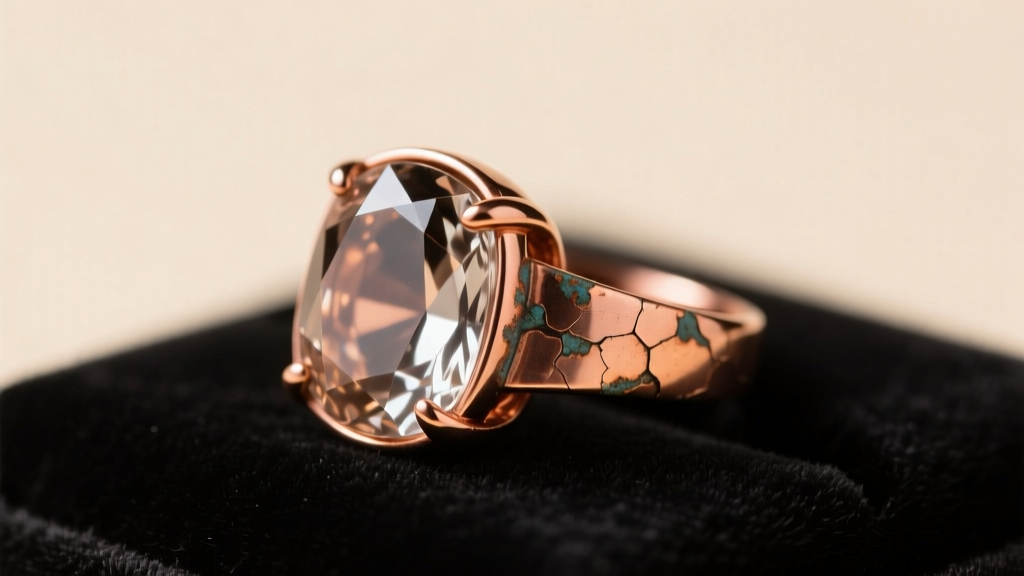
When you notice flaking, do not attempt to glue the copper flakes back down. Instead, use a soft brass brush to gently remove any loose, oxidized material. Clean the exposed area thoroughly with 90% isopropyl alcohol to remove skin oils and debris. Once dry, apply a micro-thin, even coat of a specialized jewelry sealant like ProtectaClear or a high-grade carnauba-based wax such as Renaissance Wax. Avoid using standard polyurethane or clear nail polish, as these materials will inevitably yellow, crack, and peel when exposed to the natural pH and heat of human skin.
Aesthetic Degradation: Clouding and Inclusion Damage
Deep Cleaning Raw Herkimer Diamonds
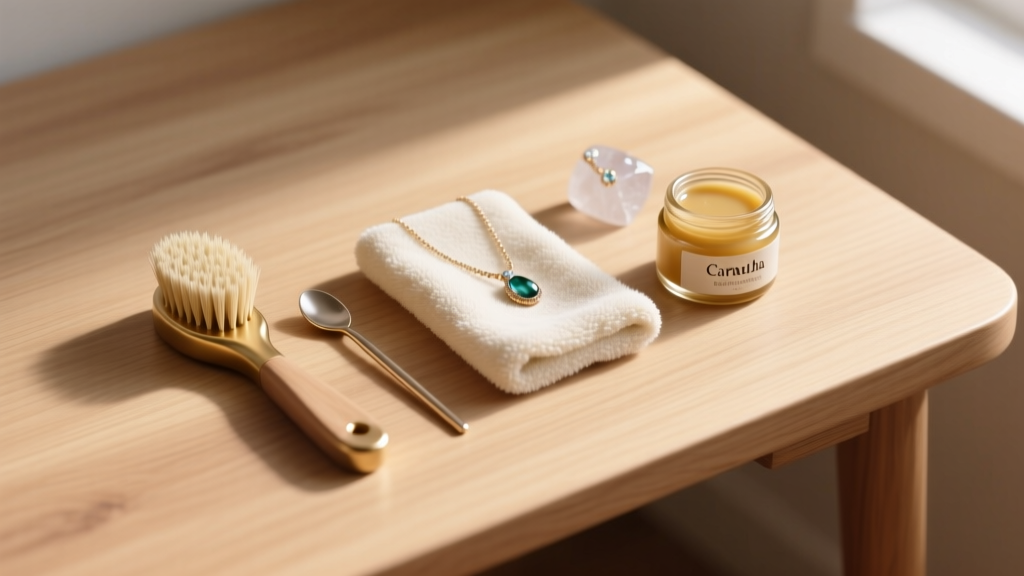
Herkimer diamonds—double-terminated quartz crystals known for their exceptional natural clarity—are a staple in quartz club jewelry. Over time, the natural facets of these raw stones can accumulate a film of sebum, lotions, and environmental dust, severely dulling their optical brilliance. Because these stones are unpolished, they possess microscopic surface pits and crevices that trap debris. To restore their clarity, create a mild cleaning solution using warm distilled water and a single drop of pH-neutral dish soap. Use a soft horsehair detailing brush to gently agitate the surface crevices. Rinse quickly with distilled water—never tap water, as the dissolved minerals can leave hard water spots on the raw surface—and dry immediately with a lint-free microfiber cloth.
The Ultrasonic Trap for Included Quartz
One of the most catastrophic mistakes made by owners of quartz club jewelry is the use of ultrasonic cleaners. While ultrasonic cavitation is highly effective for removing dirt from faceted diamonds and sapphires, it is deeply destructive to raw and included quartz. Quartz exhibits strong piezoelectric properties, meaning it generates an electric charge under mechanical stress. The high-frequency sound waves in an ultrasonic bath can induce internal micro-fractures, particularly in stones with natural inclusions like rutile needles, black tourmaline, or internal ice-like veils. Furthermore, if your quartz contains iron-rich phantom layers, any exposure to water or chemical dips will cause the iron to oxidize, resulting in permanent, irreversible internal rust spots. Always rely on manual, dry-brush cleaning methods for included raw stones.
Preventative Maintenance Protocol
Implementing a rigorous, proactive maintenance routine will drastically reduce the need for structural troubleshooting. Integrate the following protocols into your jewelry care regimen:
- Thermal Acclimation: Avoid sudden temperature changes. Moving from a freezing outdoor environment to a heavily heated indoor space can cause the metal setting to expand faster than the quartz, potentially cracking the stone or loosening the wire grip.
- Chemical Isolation: Always apply perfumes, hairsprays, and lotions before putting on your quartz jewelry. The alcohol and volatile organic compounds (VOCs) in cosmetics can degrade the sealants used on electroformed copper and strip the natural luster from raw stones.
- Friction Management: Store wire-wrapped quartz pieces individually in soft flannel pouches. The raw, jagged edges of one quartz crystal will easily scratch the polished surface of another, and the wire wraps can easily become tangled and bent out of shape.
- Patina Control: If you prefer the dark, oxidized look of copper or silver wire wraps, use a mild liver of sulfur solution to intentionally patina the metal, then seal it. This prevents the unpredictable, uneven tarnishing caused by individual skin chemistry.
When to Seek Professional Lapidary Intervention
While many structural and aesthetic issues can be resolved at home with the right tools, certain failure modes require the expertise of a professional lapidary or master jeweler. If a raw quartz crystal develops a deep, structural fracture that threatens to split the stone in half, a professional can stabilize the piece using specialized, UV-cured optical resins that match the refractive index of the quartz. Similarly, if an electroformed copper setting has completely detached from the stone due to catastrophic adhesive failure, a jeweler can re-seat the stone using two-part jeweler's epoxy and reinforce the matrix with additional wire weaving.
Expert Insight: Never attempt to resize a wire-wrapped quartz ring by bending the shank. The torsional stress will transfer directly to the crystal, causing it to shatter along its natural cleavage planes. Always have the ring completely unwrapped and rebuilt to the new size.
By understanding the unique material science behind quartz club jewelry, you can transition from reactive repairs to proactive preservation. Treat each piece not just as an accessory, but as a delicate intersection of geology and metallurgy, and your curated collection will maintain its structural integrity and raw beauty for decades to come.


