How to Clean and Care for Turquoise Costume Jewelry Safely
Discover expert tips to clean and maintain turquoise costume jewelry. Learn how to protect dyed stones, base metal plating, and delicate adhesives.

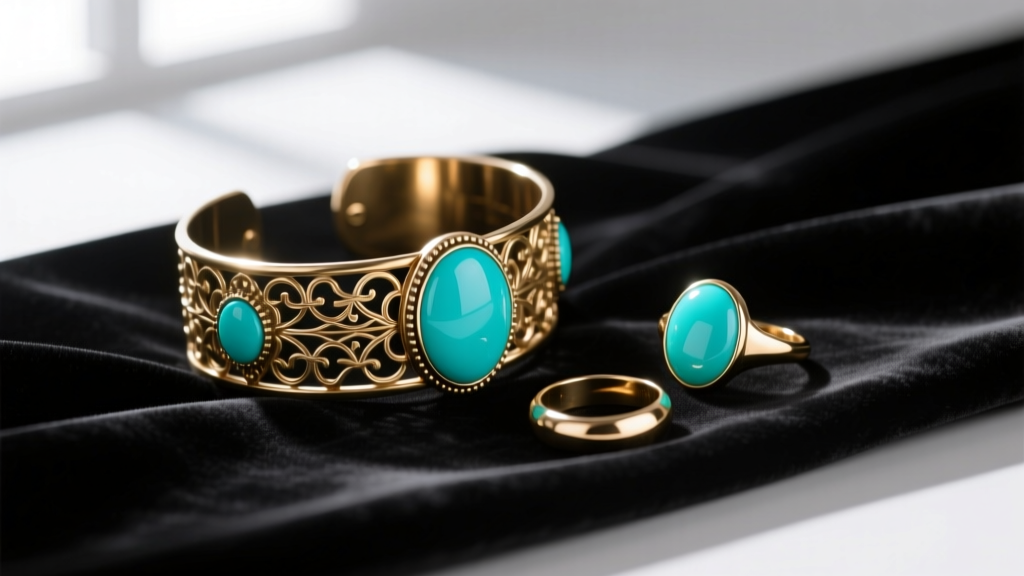
The Hidden Vulnerabilities of Turquoise Costume Jewelry
When discussing turquoise in the context of costume jewelry, we are rarely dealing with high-grade, natural Sleeping Beauty or Kingman stones set in solid sterling silver. Instead, "turquoise costume jewelry" typically encompasses a complex matrix of base metals (like Zamak, brass, or copper alloys), thin metallic platings, synthetic adhesives, and alternative stones such as dyed howlite, magnesite, or reconstituted turquoise dust bound in epoxy. According to the Gemological Institute of America (GIA), the porous nature of genuine turquoise makes it inherently fragile, but the imitation and stabilized stones used in costume pieces introduce an entirely different set of chemical and structural vulnerabilities.
The primary challenge in maintaining these pieces lies in the conflicting needs of the materials. The base metals require tarnish removal, but the liquid chemicals used to strip tarnish will instantly dissolve the dyes in faux turquoise, cloud resin cabochons, and degrade the cyanoacrylate or E6000 adhesives holding the stones in their bezels. To preserve your collection, you must abandon traditional fine jewelry cleaning methods and adopt a conservative, dry-first approach.
Identifying Your Stone: Faux vs. Stabilized vs. Resin
Before applying any cleaning technique, you must identify what you are actually cleaning. The term "turquoise" is frequently used as a color descriptor in the costume jewelry market rather than a mineralogical fact. Understanding the exact material dictates your risk tolerance.
| Material Type | Visual Indicators | Primary Vulnerability | Cleaning Risk Level |
|---|---|---|---|
| Dyed Howlite/Magnesite | Uniform color, dye concentrated in deep fissures, grayish matrix. | Alcohol and acetone strip the dye, leaving white/grey patches. | High |
| Reconstituted (Epoxy) | Perfectly uniform matrix, slightly plastic luster, lightweight. | Heat softens the epoxy; harsh solvents cause clouding. | Medium |
| Stabilized Chalk Turquoise | Enhanced natural stone, hardened with clear resin or sodium silicate. | Prolonged water exposure causes underlying chalk to swell and crack. | Medium |
| Turquoise-Colored Glass | Conchoidal fractures, bubbles, cold to the touch, high specific gravity. | Scratching from abrasive polishing compounds. | Low |
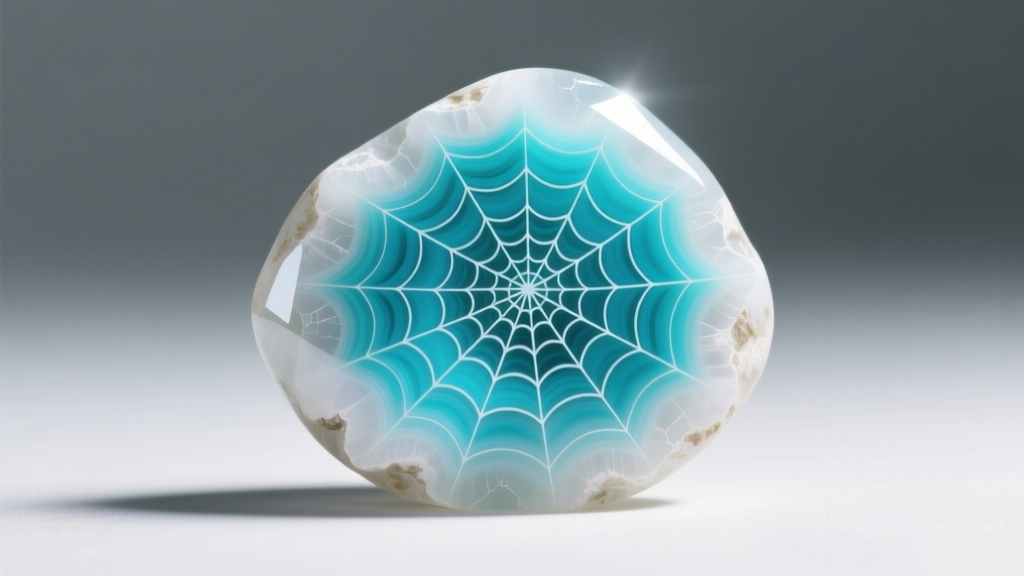
The Acetone Q-Tip Test (With Extreme Caution)
Gemologists often use a drop of acetone on a cotton swab to test for dye. If the swab turns blue, the stone is dyed howlite or magnesite. However, in costume jewelry, acetone can also melt the protective top-coat of stabilized stones or damage the surrounding metal plating. If you must perform this test, do it only on the absolute back edge of the cabochon where it meets the bezel, and immediately wipe it dry. If dye transfers, your piece is strictly a "dry-clean only" item.
Step-by-Step Dry Cleaning Method (The Safest Approach)
Because moisture is the enemy of both base metal oxidation and water-soluble jewelry glues, dry mechanical cleaning should be your default maintenance routine. The Victoria and Albert Museum's conservation guidelines heavily emphasize dry, non-abrasive methods for mixed-material historical and costume pieces to prevent irreversible chemical reactions.
Tools You Will Need
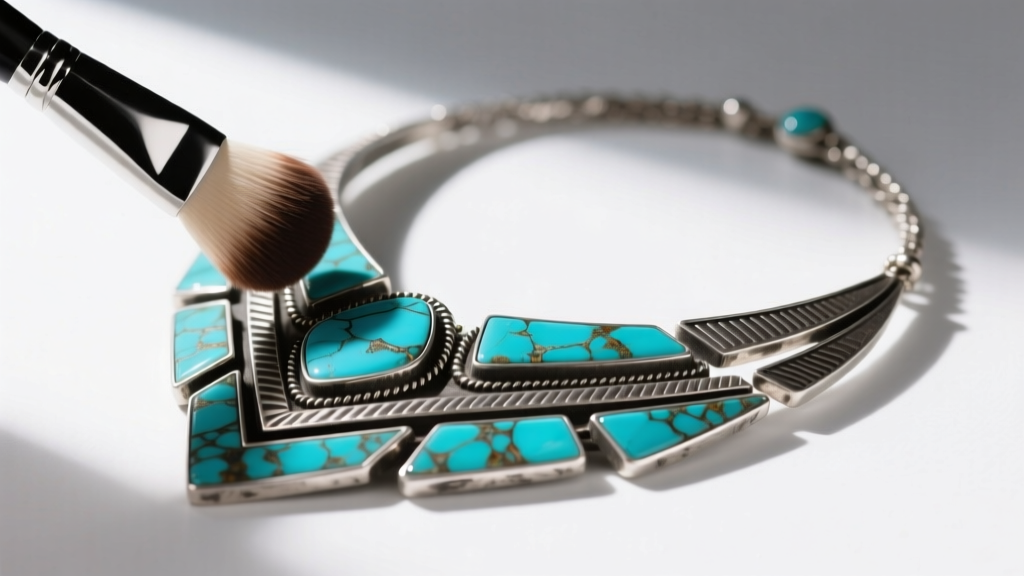
- Soft-bristled makeup brush: A clean, unused eyeshadow or blush brush is ideal. The bristles are soft enough not to scratch resin or plating, but dense enough to dislodge dust from intricate metal filigree.
- Microfiber polishing cloth: Ensure it is completely free of embedded grit or previous polishing compounds.
- Wooden toothpick or bamboo skewer: For gently lifting grime from the seam where the stone meets the metal bezel.
The Dry Cleaning Procedure
Begin by laying the piece on a clean, soft surface. Use the wooden toothpick to gently trace the bezel edge where the "turquoise" cabochon sits. Over time, skin oils, lotions, and dead skin cells accumulate in this seam, creating a damp micro-environment that accelerates base metal corrosion. Gently flick the debris away. Next, take your soft makeup brush and use rapid, light flicking motions across the surface of the stone and the metal setting. This lifts particulate matter without grinding it into the surface. Finally, buff the metal components (avoiding the stone) with your microfiber cloth to restore the plating's shine.
Handling Tarnish on Base Metal Settings
Costume jewelry is notorious for utilizing copper-rich alloys that develop verdigris (that crusty green patina) or silver-plated brass that turns black. The instinct is to reach for a liquid silver dip. Never do this. Liquid tarnish removers contain thiourea and strong acids that will permanently etch faux turquoise, strip dyed finishes, and cause the thin silver or rhodium plating to peel off entirely.
Instead, use a treated dry polishing cloth, such as a Sunshine cloth. These cloths are impregnated with microscopic abrasive particles and anti-tarnish chemicals. Fold the cloth to a point and carefully rub the tarnished metal, keeping the cloth strictly away from the turquoise cabochon. If the tarnish is severe and located near the stone, use a dry cotton swab to apply a minuscule amount of precipitated calcium carbonate paste (mixed with a single drop of distilled water), polish the metal, and immediately wipe it away with a dry swab before moisture can seep under the stone.
What to Avoid: The Costume Jewelry Killers
To ensure the longevity of your turquoise costume pieces, you must strictly avoid the following common jewelry care practices:
- Ultrasonic Cleaners: The high-frequency cavitation bubbles will shatter resin stones, shake dyed howlite apart at its natural fissures, and literally vibrate the cabochons out of their glued settings.
- Steam Cleaners: Thermal shock will crack glass and reconstituted turquoise, while the heat will melt cyanoacrylate (super glue) adhesives, causing stones to fall out.
- Commercial Jewelry Dips: The harsh acids will permanently cloud the surface of epoxy-bound reconstituted stones and strip the color from dyed magnesite.
- Perfume and Hairspray: Always put your costume jewelry on after applying cosmetics. The alcohol and aerosol propellants in these products will create a sticky, cloudy film on faux turquoise that is nearly impossible to remove without damaging the stone.
Storage and Preventative Maintenance
Proper storage is arguably more critical than cleaning when it comes to turquoise costume jewelry. Base metals oxidize rapidly in the presence of humidity and airborne sulfur. Store each piece individually in a sealed, airtight polyethylene ziplock bag. Inside each bag, include a 3M anti-tarnish strip and a small silica gel desiccant packet. The desiccant ensures that no ambient moisture can trigger the corrosion of the Zamak or brass settings, while the anti-tarnish strip absorbs sulfur compounds from the air.
Never store turquoise costume jewelry in a communal jewelry box where pieces can tumble against one another. Dyed howlite and resin are significantly softer than the metal alloys used in clasps and chains; a simple tangle can result in deep, irreversible scratches across the face of your cabochons.
Restoring Faded or Chipped Costume Turquoise
If your resin or reconstituted turquoise cabochon has lost its luster or sustained minor surface scratches, you can often restore it using a plastic polish like Novus 2. Apply a tiny drop to a microfiber cloth and buff the stone in circular motions. This will gently level the microscopic scratches and restore the optical clarity of the resin. However, if you are dealing with dyed howlite that has faded or chipped to reveal the white stone beneath, the damage is permanent. In these cases, some collectors carefully apply a micro-layer of clear, UV-resistant nail polish or a specialized jewelry wax (like Renaissance Wax) over the stone to seal it, prevent further dye loss, and impart a subtle, protective sheen.


